My art inspiration list

A random collection of artists and other creators that inspire my writing and art.

Maira Kalman
Dave Pilkey
David Shannon
Chris Van Allsburg
Matisse
Nick Bantock
Vivian Swift.

Handwritten, illustrated journals

Daily reading. Affirmations.

Sara Miles
Barbara Brown Taylor
Anne Lamott

Graffiti
Day of the Dead

Alice in wonderland
“Grover and the everything in the whole wide world museum”
Madeline L’Engle
Jesus

The Pern novels by Anne McCaffrey

Music – —
Punk and funk
Red hot chili peppers
Old Stevie Wonder
Soul Coughing
Michael Hedges

E E Cummings.

Sutton Hoo helmet
Celtic. Woad.

Rob Gonsalves
Escher
Bev Doolittle
(Hidden in plain sight, different perspective)

Stamps (tiny art)

Low

I read a post about how to help someone with depression. It said that you should encourage them to talk about it. That is insane. Sure, there are often things that need to get out. But there is no “cure” in just talking.

We must remember that our bodies are not separate from our minds and spirits. What affects one part affects the rest. We must stop thinking about depression as a mind issue, but a body issue that affects the mind.

My personal experience is that it is far healthier to take them for a walk outside with you while you talk. And feed them healthy food. Then show them how to take care of themselves.

I’ve hospitalized myself twice for bipolar disorder, so I’m not on the sidelines pontificating here. I’ve been diagnosed with a mental illness for since 1999, and in that time have learned how to take care of myself so well that my psychiatrist only sees me once a year. This means I do far more than just take my medicine (which I do, twice a day). I eat well, exercise, journal, and make art. I am a regular person with a regular 40 hour a week job. I do not rely on others to take care of me. I have learned to not blame others or situations for how I feel.

We must get back in touch with self-care. We do not have to ever experience depression. It requires a lot of work but it is worth it. No longer will we feel overwhelmed and controlled by our moods. This does not mean that we are “up” all the time. The point is not to just feel good all the time, but to feel everything with intention. We have control over how we feel.

Depression is a symptom of an imbalance – not enough sleep and exercise being part of it. Perhaps these examples will help give perspective –

When a tire is flat because it has a hole in it, you don’t put tape over it and drive on. We don’t say it is “depressed”. We look for the reason for the problem and fix it.

We don’t diagnose plants as “depressed” when their leaves droop or turn yellow. We find out what they are getting too much of or too little of and fix it. Too much or too little sun, water, or nutrients will make a plant droop and then die. The same is true for people.

When a car has run out of gas, we don’t say it is “depressed”. We put gas in it, and ideally we put in gas that doesn’t have additives in it. Better gas means that the car runs better. Food is the fuel that our bodies use. Better food, better results.

When we spend all of our money in our bank account and don’t put any in, we don’t say that the account is “depressed”. We either need to not waste our money or make more. Our energy levels are the same. We cannot continually expend energy without rest. However, too much rest is also bad. Our bodies are made to be used. Exercise builds up our “bank account”, but we also must take time to get enough sleep and schedule in times of inactivity in order to rebuild and refresh.

Talking about it is a waste of time. You wouldn’t expect a person with diabetes to “talk about it” to get over a low blood sugar episode. You wouldn’t expect a person with high blood pressure to “talk about it” to lower it. Certainly, they both might benefit from a little research into what they are doing or not doing for their health, but then they will only truly get better if they start acting on that realization.

Search for what you can do to help yourself. Start small. Keep doing it. It is easy to look at the big picture and feel overwhelmed. It is easy to come up with reasons why you can’t do it. Mental and physical health is not easy. Nobody else can do it for you. Your best source of medicine is to take care of yourself in any way you can.

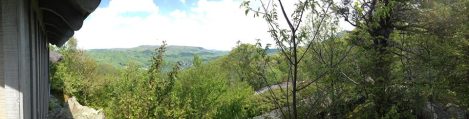
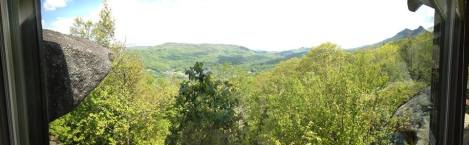
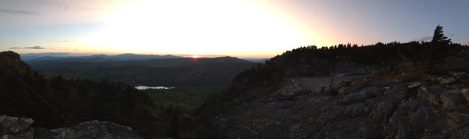
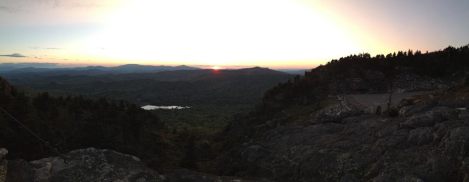
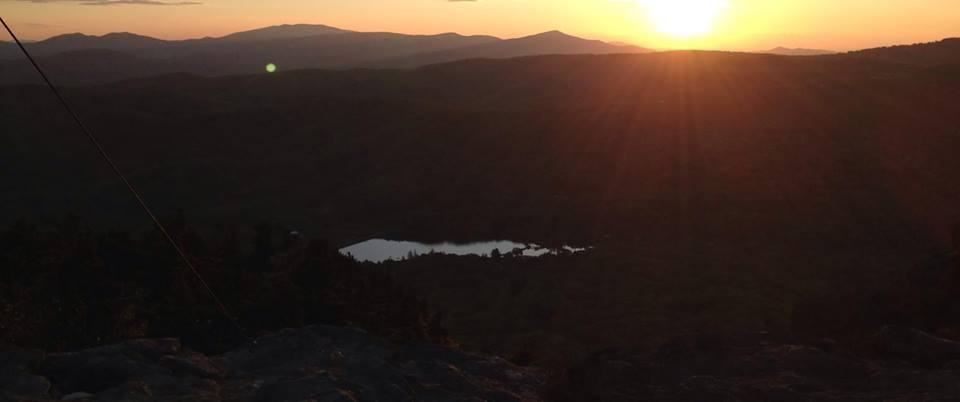
Panoramic pictures taken at Grandfather Mountain

Apparently my phone had a panorama feature all along and I didn’t know. I’d sort of created panoramas by taking several shots and putting them together, but this was so much better. I found this after accidently touching the wrong part of the screen.

These were taken late May in Grandfather Mountain, North Carolina.

From our cabin.

g1

g2

g3

g4


Sunset at the top of the mountain.

g5

g6

g8

g12

g11

The walkway to the swinging bridge.

g9

g10


Invisible house in Antioch

I appear to have a fascination with places that don’t exist. These are buildings that used to be there, but aren’t anymore. Nothing else has been built in that location. Often the mailbox and the steps are left, but otherwise there is no sign of it.

I noticed this forlorn house while eating at a restaurant called “Blu Fig”. That address is 6444 Nolensville Pike, Antioch, TN 37013. This is located across from it, to the south west.

front

Here it is a little closer.

front close

It was raining that day, so we didn’t wander around it. There is something weird/interesting/exciting about wandering around an abandoned house. I’d never think to go into someone else’s yard and look in the windows of their house if it was occupied. But once abandoned, the rules change. Is it still property if nobody lives there?

We suspect that the reason the house is abandoned is the construction/destruction right next to it – just to the north.

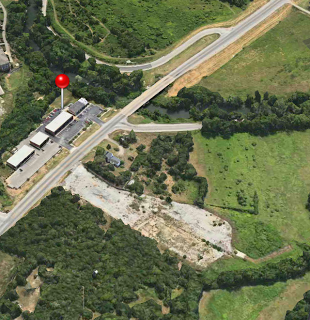
This is using the 3D GPS feature on my phone. The orientation is to the south.  The red pin is for Blu Fig (which is a very good restaurant if you like Middle-Eastern food.)

gps5

What is this destruction? Is it for a road, or a shopping center?

What would it have been like to be in this house, listening to the explosions as they blew up the rock to make this area level with the street?
gps6

Imagine how the plates would rattle when the explosions went off. It must have felt like being at war. It was war, in a way. Imagine owning this house free and clear – you’ve paid on your mortgage for 30 years, going to work every day to make enough money to have a nice place to live. You’ve raised your children here. Or perhaps this was an inheritance – you lived here with your parents, and their parents before that. Many generations of memories here. This is where all the family gathered for holidays and transitions – graduations, birthdays, weddings, deaths.

And then some developer comes in the name of progress, and takes all of that away. It is theft.

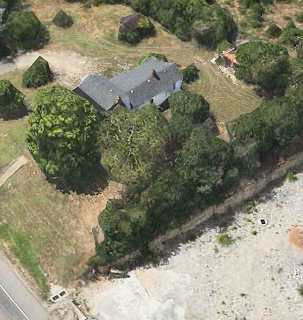
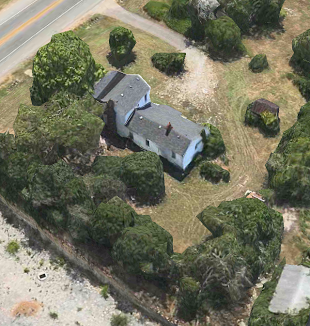
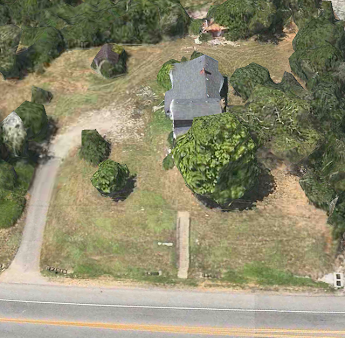
Here are more 3D pics of the house and yard, from different angles. Notice the wall of rock to the left of the house (north of it, but more south in these pics).  It is 12-20 feet high.

gps7gps4gps3gps2gps1

This is all gone now.

The bear story

bear

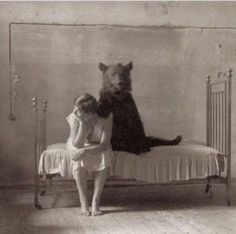
The bear had moved in for good, and there wasn’t anything Alice could do about it. Not like she wanted to, not anymore. The first week had been more difficult than she had anticipated, but after that things had slowly improved. The bear agreed, in his sure, heavy way, that this was home, this sharing a space together.
Home was never about the building. Walls and a roof didn’t make a building into a home, any more than books made a library. Plenty of people have felt more at home at work in a warehouse then where they paid their mortgage. It’s the people that make the difference after all.

Alice always felt that animals were more human than those who claim to be. Perhaps the utter guilelessness of them was the difference. Animals never had to prove who they were, never had to bother with such arbitrary things as status and striving. They never wore clothes, never owned cars, never had jobs. Their lives were free from all the distractions that humans had. Like children, they were given all they needed from Mother Earth and Father God. Like children, they learned at their own pace and trusted their senses. They slept when they were tired, ate when they were hungry. They never had to wonder or worry about such arbitrary and nebulous things as retirement funds or investment accounts. And as for in-laws? They never married, so that wasn’t an issue.

Alice had wanted to marry the bear as soon as he moved in, but he convinced her otherwise. He reminded her that marriage is a human invention, and therefore subject to failure. If you never got married, you’ll never have a risk of divorce. You are free to come and go. Doesn’t it mean more if your partner stays out of love rather than obligation? Every day they stay is a gift rather than a duty.

The bear had no name as far as Alice knew. She had asked and he’d not said. He didn’t talk like humans did, of course. He made his thoughts known in the way all creatures did in the beginning, with the spirit. He spoke with his whole being, resorting to sounds only as a last resort. Then they were usually snuffles and sighs and grunts. Only once had he growled, and that was when Alice had mistakenly opened a door onto his paw. After that they’d agreed to remove all of the doors inside the house. Doors just fostered separation and exclusion anyway. Plus, the knobs were hard to work with paws. The house had to work for both of them or it wouldn’t work at all.

The bear didn’t need a name, not really. He knew who he was. He was the only one Alice would be calling. Names meant very little when the group was small. She rarely had to call him anyway. He always knew in his slow sure way when she needed him. The same was not true for Alice, not yet. The bear often wanted to call her to look at an especially beautiful flower or sunset, but she was often so distracted by chores that she couldn’t hear him call to her heart. She spent a lot of time cleaning because wanted to keep the house just so. She forgot (or never knew) that the bear didn’t need to be impressed and nobody else who would come by would care.

Few people visited their home. Most of her family thought she was crazy for wanting to live with a bear. Her mother even talked about having her committed, but since she was an adult and seemed sane in all other respects, she let it drop, choosing to hold her judgment. She was prepared to shake her head and say “I told you so” while bandaging her daughter’s arms from the inevitable claw marks that surely would come, but they never did. Months went by and the bear and Alice got along like peanut butter and jelly, always together, and always good. Her mother still wasn’t one to concede the battle. Decades could’ve gone by and she still would not admit that perhaps Alice had chosen correctly. Little did she realize that Alice hadn’t done the choosing. The bear had. He knew Alice needed him as much as he needed her, knew that it wouldn’t be long before she’d hear him in her heart the way he heard her.

Their first meeting was as you’d expect. Bears aren’t normally sought after. Normally they are run from. Alice had decided to spend a week camping by herself in the Smoky Mountains. Her job wasn’t fulfilling, and she was estranged from her family in part because they felt she was wasting her talents. She decided week away to really listen was what she needed to get back on track.

Her family had paid for her college education, where she had studied veterinary science. But when she graduated and found a job at a local vet’s office as an assistant, she quickly learned that what you learned in the textbooks often doesn’t match with reality. It was far more visceral than she ever could have imagined. In her first week she saw more of animal’s insides than their outsides.

It wasn’t all physical. She’d always been a little empathic, able to feel how others were feeling even before they had words to express them. She was often able to help people before they even knew they needed it. Her friends liked her because they always felt at ease around her. She just made life easier. Meanwhile they never knew how much work this was for her.

When she was at the vet’s office, she was overwhelmed with the messages of hurt and pain that she received from the animals. She had not factored in that all of them would be constantly broadcasting their hurt and confusion and pain. It was an unrelenting onslaught, since even the healthy animals that were brought in just for a check-up or a shot were anxious and confused as to what was happening to them.

When she quit after a month, her family felt she was throwing away everything she had worked for. Worse, they felt she was throwing away everything they had paid for. They refused to support her any further, so she took a job selling perfume and cosmetics at the local mall to pay her bills until she could figure out what to do next.

It was not long after that that she went on her trip. While praying for guidance late one night around the campfire, she distinctly thought she heard a voice say “Take me in”. Usually she had perceived God’s voice as more of a feeling than actual words, but this was crystal-clear. It was so clear that she thought that perhaps it was an actual voice, so she looked around. Just outside the glow of the fire, she saw the distinctive gleam of eyes in the shadows. They were three feet from the ground, so she knew that it wasn’t an adult. She didn’t realize it was a bear until he stepped forward into the firelight and stared at her, saying again “Take me in”.

She ran, stumbling over tree roots and tent stakes to get away. She spent that night sleeping in the fetal position under a rhododendron bush about a mile away from her camp rather than risk being near that bear. Little did she realize but he had followed her at a slow walk, and watched over her all night as she slept to make sure that no other creature could approach her. Not all forest creatures welcomed humans into their midst.

She awoke with the dawn, stiff from rocks and roots pressing into her side. Her first thought was to give up on her quest and walk back to her car, but her keys were in her tent. She hoped that the bear hadn’t savaged her camp, shredding everything in a quest for food. She’d heard stories of bears that tore through everything in a quest for sausage or Snicker’s bars. The idea of rummaging through her ripped-up belongings to find her keys was not appealing, but she had no other choice.

When she finally returned she saw that everything was just as she’d left it. She had to use a hammer to re-secure the ropes from the tent pegs she’d tripped over on her midnight flight, but other than that, everything was the same. She started a small fire to cook her breakfast, and while drinking bitter coffee and eating oatmeal with blueberries she’d picked the day before, she heard the voice again. “Take me in”. She looked up with a start and saw the bear, but this time he was sitting twenty feet away, staring at her. This was enough distance that she felt she didn’t have to run. If she’d studied bears in college, she’d have known that no distance is a safe distance with bears. They may seem amiable and too large to run quickly, but looks are deceiving.

Alice stared at him (she assumed he was a he based on the sound of his voice in her head) and creaked out a tremulous “What?”

The bear repeated his request. “Take me in”.

“What? Why? Who are you?” Alice rambled on, picking up courage. She hadn’t had time to question that she was speaking with a bear. If she had, she would most likely have been silently staring at him, wondering if maybe her mind had finally cracked.

Over the course of half an hour the bear explained who he was and why he was speaking with her. He said things about being her protector, her teacher, her friend. He said he was her great-great-grandfather reincarnated. He said he had always known her and watched over her. He said that he could teach her to be the best veterinarian there ever was, or ever could be. He said that he would work with her, but first she had to let him into her life and into her heart and home.

They talked more over the course of the week she was at her campsite and worked out a plan. It was difficult for Alice to fully understand him but her natural empathic abilities went a long way. At the end of the week she went home, leaving the bear there, but she promised to return.

She quit her meaningless job as soon as she returned, not even bothering to go in to turn in her notice. She called the assistant manager at 7 on a Tuesday morning, waking him from his hangover from his one-person-party the night before. She told him that she had quit, and that was that. She hung up as he stuttered his questions at her, not believing. He’d never listened anyway.

She sold everything she had to make enough money to move to the woods and build a small cabin there for her and the bear. It was fortunate that she didn’t need much, because she didn’t have much. She traded out for much of what she needed by going to the Goodwill. Her worldly possessions transformed from frilly dresses to sturdy cotton clothes, the better to work in. Her CD collection became an axe and a saw so she could cut down trees to make a home.

The bear worked with her, pushing trees down, dragging logs over, lifting them up. After a month they were both tired but there was a roof over their heads. They had no furniture but they didn’t care. The work was so exhausting that they didn’t need a fluffy bed to rest in. They both slept deeply, curled up on the earthen floor of their new home, the bear curled protectively around Alice. She loved the musky, earthy smell of his fur and how it was somehow soft yet bristly at the same time. At times she could smell pine sap and warm summer sun in his fur, traces of his adventures while away from her.

They spent much time working together, he teaching her about all the ways of the animals. He filled in all of the knowledge she’d missed in her classes. He introduced her to all the animals in the forest and taught her how to speak with them – but more importantly how to listen. He told her that she didn’t have to wonder what was wrong when they came to her – they would tell her if she asked.

Yet still there was a wall between them. She had learned the language of the birds and the deer, of all the animals that flew or walked or slithered. Yet she was never fully able to hear the bear, not as well as the other animals. Perhaps he was too different, too tame. Perhaps he’d given up part of his wildness for his ability to live with her. Perhaps there was still too much of his human spirit in him, buried deep down in his bear heart, for her to hear him like she could hear others. He wasn’t quite a bear, yet he wasn’t quite a person, but both, and neither, and something more.

The island and the storms

There once was a man who lived on an island. The island was a good size, and many other people lived there. When he moved there, old-timers told him about the storms that regularly assailed the island. Sometimes the storms were light and passed by quickly. Sometimes they were very violent and destroyed homes. They told him how to prepare his house so it would not get damaged or cause harm to him during one of the storms.

The storms were predictable only in that they were going to happen, only nobody knew when. Sometimes they were seen far off at sea and everyone had a chance to batten their hatches. Sometimes they would spring up, seemingly out of thin air, and everyone who did not regularly prepare was at risk of damage from it.

The first storm of the season came in and he chose to ignore the advice of the old-timers. He’d not even gone to the store to buy supplies. Fortunately for him, the storm was fairly mild and his home did not get very damaged. The roof leaked in a few places, but it was still on at least. He chose to ignore the leaks, deciding they weren’t big enough to warrant his attention. Slowly the water from the leaks ate away at the wood and insulation in his home. Because he couldn’t see it, it went untended to.

Over the years the storms continued, some larger, some smaller. The damage to his house increased bit by bit, but he put it off, that being his nature. He could only be bothered to do repairs when they were impossible to ignore. Of course by then they were very difficult and costly and beyond his ability or skill to attend to. He often complained to his neighbors about how hard it was to be him, how difficult the repairs were, how large. He would often complain to anyone nearby about how unfair it was that he had to do these repairs, and now he had so many other projects he needed to work on. Some took pity on him and came over to help, bringing nails and shingles or new insulation. Some refused, saying they had spent all their money and time on materials to prevent damage to their own homes. Their unspoken statements were that he should’ve done the same, but they were too kind to say so. He often would whine about how difficult he had it, but most would not listen because they were busy with their own homes.

Then one day a large storm was observed far out to sea. There was about a day to prepare for it. It could not be avoided – they couldn’t get off the island and go to the mainland because the waters were too choppy from the winds. If he had been fortifying his house all along as the old-timers and his neighbors recommended, he’d have a chance of weathering the storm, but as it was he would barely have enough time and materials to prevent the windows from being blown out.

The storm grew closer, and he grew more anxious. He could see that he was directly in line of the storm, and started to openly lament his fate, saying that God must hate him and he must’ve been a terrible person to deserve this impending doom. He’d either forgotten or chose to ignore that he was on an island where storms were a regular occurrence. Many of his neighbors all over the island had gone through similar storms and had to repair their homes or entirely rebuild. But he didn’t see that because it had happened before he got to the island. They were the ones who had taken the time to warn him the most about the storms, yet he thought they were exaggerating or that such destruction couldn’t happen to him.

When the storm finally came, his house and everything in it was destroyed. He had no money to rebuild or move back to the mainland. He applied to the government for aid, and they – after interviewing his neighbors and asking if he had ever shored up his house in the past or tried to protect it, arrested him for fraud.
———————–
The island is the human body. The storms are the usual misfortunes, problems, and troubles that happen in life. The old timers and neighbors are all those who advise us. We can choose to heed their advice or pay the consequences. We can choose to think that either we are above the normal storms of life, or that they are directly aimed at us by some twisted deity. Only those who accept the inevitability and prepare themselves for the storms will survive.

Viriditas, energy, and time

Saint Hildegard’s “Viriditas” refers to life force, essence. Many translators simply say that this neologism means “greening”, which it does at the most basic level, but it means so much more than that. It is power, energy, growth. It is the very marrow of what it means to be living. You know when you meet someone whether they are simply existing or truly energetically alive. This “Viriditas” is the difference. We have the ability to tap into this force, a gift from God, and be truly alive. We are then expected to use this power in the service of God to help our fellow humans.

It is what Moses talked about when he said “I set before you a blessing and a curse – therefore, choose life.” Life is the blessing. To grow, to use your gifts is the purpose of life. We must choose to tap into the power of God, and then choose to use it wisely. We are not meant to use this energy for our own personal gain, but to benefit others. We are meant to take what God has given us and magnify it.

Two men having sex together is seen as a sin in Judaism because it is “spilling of the seed” – it is seen as a waste of creative life force. The act isn’t the sin so much as the waste of creative force. Their energy is not being used to create, but is used for personal means. They are not making anything with their energy. It is a mis-use of a gift from God.

Likewise, to create laws against homosexuals is also a waste of power. Imagine how many hungry, homeless, and hurting people could have been helped with the money, time, and energy that have been spent on creating laws against people who are gay or transgendered.

The focus must always be on wisely using what God has given you. The energy must be turned outward to help people, with full trust in God.

This is what Jesus talked about in the parable of the talents. Use what you have and make more. Don’t keep energy to yourself.

This is at the heart of the miracle of the loaves and fishes – which happened twice. Take what you are given and add to it. Feed people, in as many ways as possible. Food, encouragement, love – humans need all of these. Our gifts are meant to be shared, not hoarded up.

We are meant to be fruitful and multiply as much as possible, and this does not necessarily mean to have biological children. Our kindness, generosity, compassion are our children as well. Our creative acts – making music or art – are also our children.

This is also about the sanctification of time. The very first commandment that Israel received in the desert was the mitzvah of the calendar. They were to use the moon as their way to mark time, to note its passing, to remember and be mindful about time. It is important to be intentional about the use of time, because it too is a gift from God.

Take nothing for granted. Waste nothing. Trust your gifts and share them with the world, with God’s help.

Remember what Jesus did – he gave thanks to God first before he performed miracles. Tap into the “greening” power of God by giving thanks first for what you have, then turn it outwards to give to others.

Sam and the camera

bench

Sam never felt comfortable looking people in the eye. He’d look away to the side or at his feet rather than make direct eye contact. It was too personal, too painful, like the mixing of a raw nerve in a tooth and a bit of soft bread. Out in public, his shoulders would curve inwards, trying to curl him into a ball like one of the hedgehogs he would see in his back yard. It was all about protecting the sensitive bits, for both of them. Sam wished he had spikes like they did for his first few years of life. Everything was too close, too loud, too much. It was only when he received a camera for his sixth birthday that he began to feel normal, or as normal as he thought he should.

How should he know that his senses were aberrant? It was all he knew. Abnormal was his normal, and that was all there was to it. He thought it was normal to feel like ice was in his stomach and fire in his throat every time he had to experience something different from his usual routine. He thought it was normal to feel faint from fear or anxiety for the majority of the day.

That all changed when he got the camera. The film was a 110 cartridge – easy enough for a child to install. The buttons were large and simple to use. Sam’s father thought it would help him express himself, but he had no idea how helpful it was truly was.

Sam was wary of it at first, as he was of all new things, but he liked the shiny brown case and all the accessories that came with it, so soon he was using it. The strap was fun to adjust and the flash cube was enticing with its shape and sparkle. He first took pictures by holding the camera out at arm’s length, not wanting to put this new thing so close to his face. After the first batch of pictures came back from the developer, his father strongly suggested he try holding the camera up to his eyes. There were simply too many wasted pictures the other way.

Something strange happened when Sam finally overcame his reluctance to put the camera to his face. Suddenly he realized he could see through the viewfinder, just as if it was a mask. He then realized that just like a mask, he was hidden from view. Suddenly his whole world opened up. Sam started taking pictures of everything and everyone. Suddenly he had a reason to go outside and be around other people. Family gatherings no longer overwhelmed him as much as before. Sure, there was still some awkwardness. That would always be there. But now he had a way to be around people that he never had before. It was like finally getting a key to unlock doors that had always been barred to him.

His father hoped that Sam would become a famous photographer, but Sam had no such ambitions. Fame was never something he wanted, at least the kind of fame he was aware of. If he could become famous without even knowing about it, then he was okay with that. He could barely handle normal human interactions. The idea of having random strangers coming up to him on the street or in the grocery store to get his autograph was enough to send him running to his room to grab his trusted teddy bear.

Fame was overrated, after all. It just meant that people were impressed that you were the best version of you there was. Meanwhile, they spent so much time focused on your achievements that they forgot to work on their own. They got jealous sometimes, forgetting that there was enough success to go around.

Spending too much time with strangers

It seems unusual that we are expected to spend time with people that we didn’t choose to, but it happens all the time.

When you work forty hours a week, you are expected to spend all that time with people you don’t know. The only way this doesn’t happen is if you start your own business or you work with family. But for the majority of people, you spend all that time with strangers. Your boss decides who gets hired and who you work with. You often end up spending more time with them than you do your own family.

If you marry into a family, you are then expected to spend every major holiday (like Christmas, Thanksgiving, and Easter) with them, as well as minor holidays (like birthdays). This is odd, since when you marry you state that you are committing to that one person – not their entire clan. Likewise, you certainly did not agree to spend time with people who were not even members of the family when you joined it. Here I’m speaking about people who become members through marriage (brother or sister in-laws) and any resulting children.

One way cloistered communities have it right is that they give the new person and the rest of the community time to feel each other out, to see if they would be a good fit together. This is not done over a luncheon. This is done over the course of years. With monastic communities, it is a minimum of seven years before the person is allowed to make final vows and become a full member of the community. The new person, the abbot or abbess, and the community are all consulted on this.

It seems like something like this would be useful for everyone who is expected to spend a lot of time together.

I remember when I was in the medieval reenactment group, if a new person wanted to join the household I was in, they would approach the Knight (the head of the household). He then would ask each one of us privately what we thought about that person. Not only would we be spending many weekends together, but we also would have different perspectives on that person. We might know something about his personality that he didn’t reveal to the Knight. In one instance, we all had seen that the person was very polite to the Knight, but would be short-tempered and downright mean to anyone he thought was beneath him. The Knight had no idea of this, because the new person had always been on his best behavior with him.

Some combination of these approaches could be useful for workplaces and families. Have the new person spend a significant amount of time with the group before a long-term commitment is made. Each person should then be asked if they feel this new person would be a good fit. Likewise, it gives the new person a chance to see if this group would be the kind of people they would like to be with. This could prevent a lot of stress, and would reduce the amount of workplace and domestic violence.

Artwork in process – “Praying for my enemies”

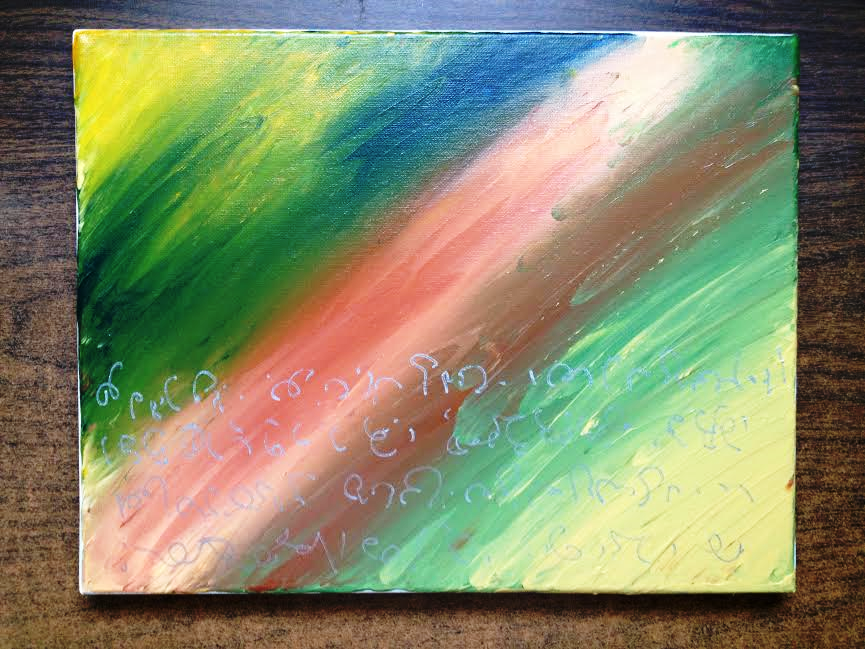
I first worked on this canvas over a year ago while dealing with a very difficult person in my life. This is one of the ways I chose to process my feelings.

This is how it stayed for about a year. This is on a stretched canvas, with acrylic paint I applied with my fingers. I then added silver sharpie light language. It is my prayer for healing for our relationship.

1

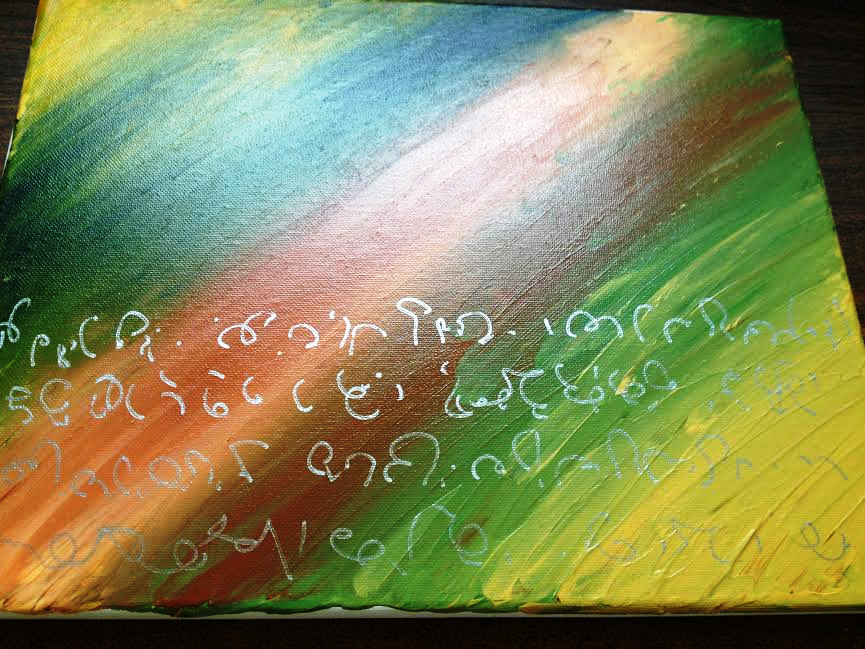
Here it is at a different angle so you can see the light language prayer.

2

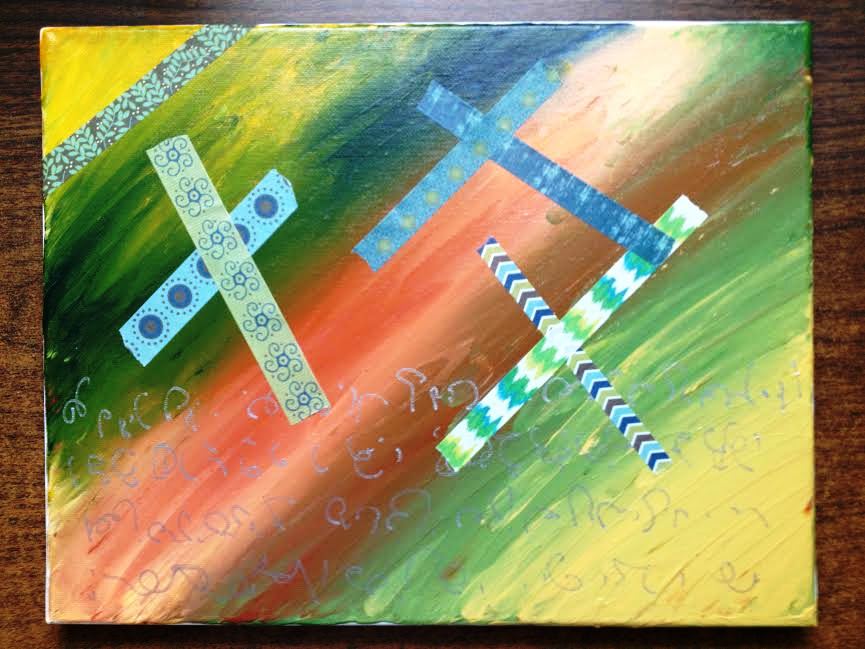
In part because I’m learning about layering collage, and in part because new canvases are expensive and take up a lot of space, I’m using old artworks to add new material. The focus is the same, but now about a different person and series of issues.

Here I’ve added washi tape.

3

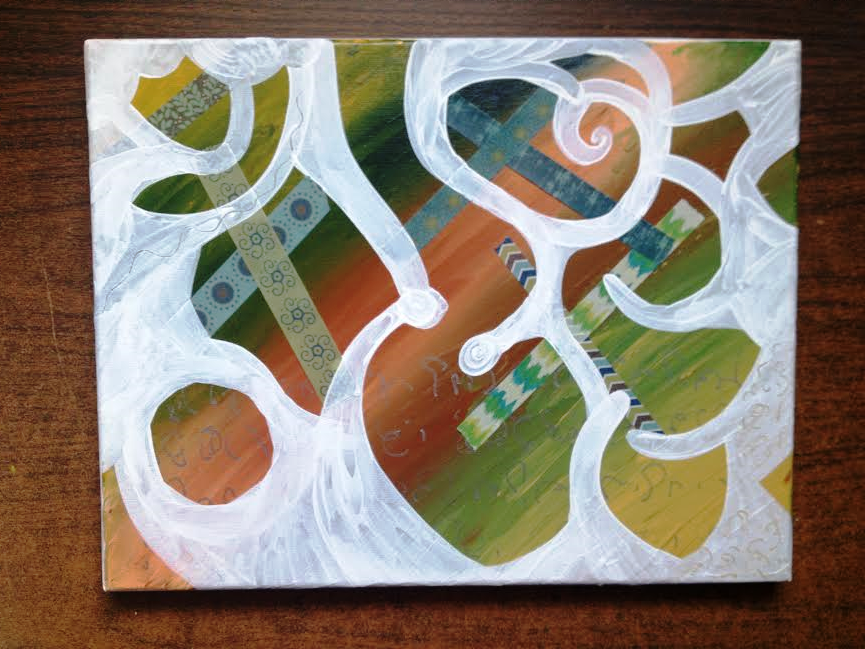
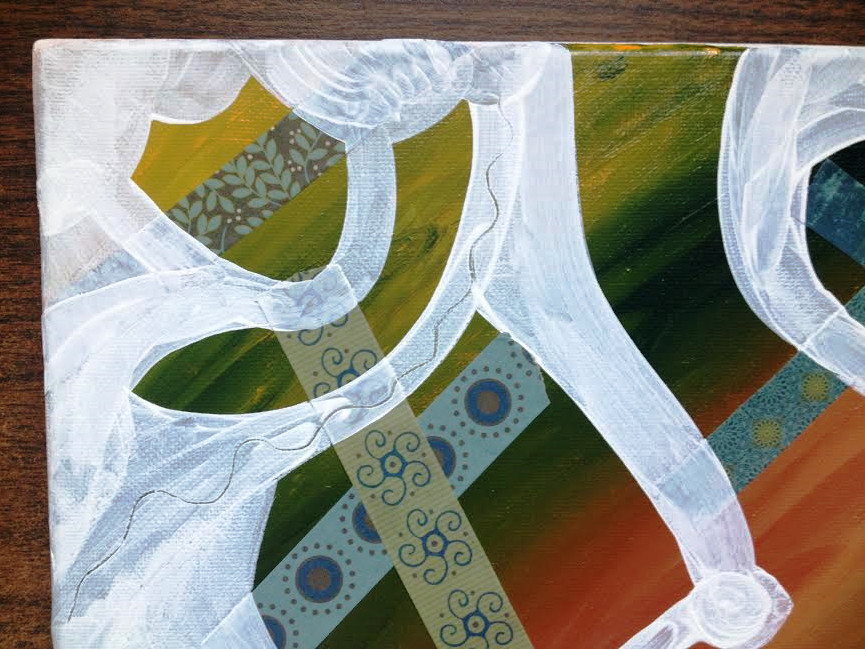
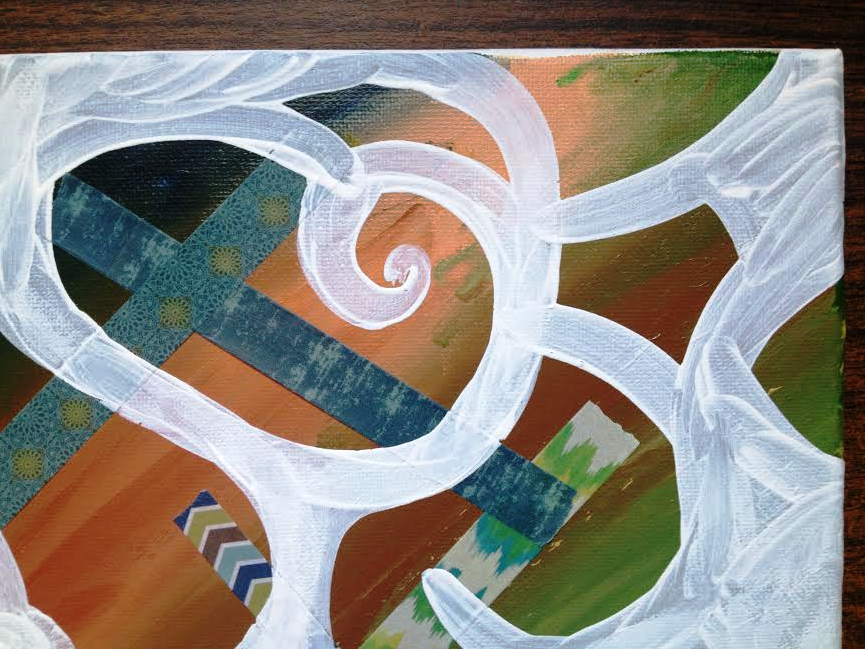
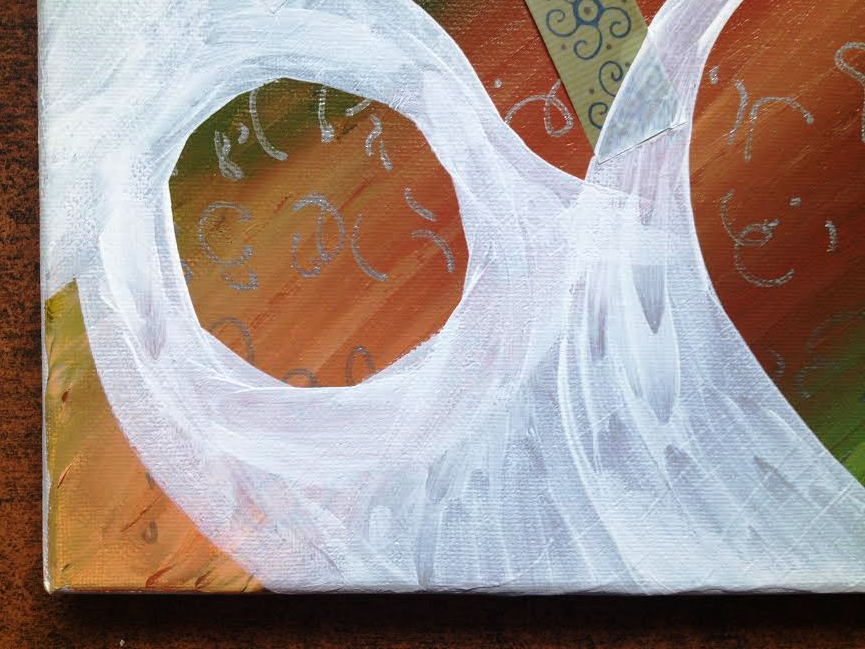
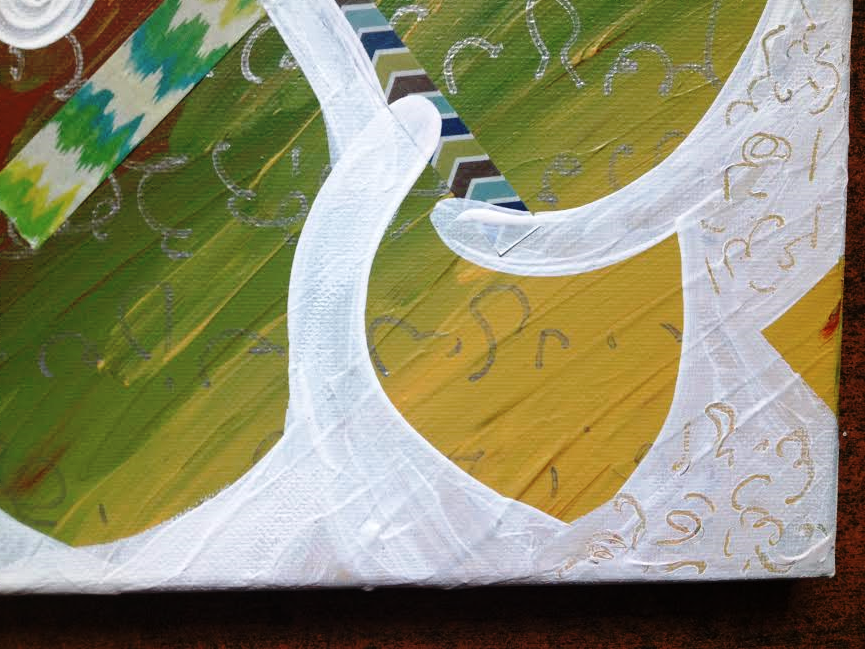
Then I painted a layer of gesso on it in random swirls, obscuring some of the image.

4a

Top left

4b

Top right

4c

Bottom left

4d

Bottom right

4e

More layers are to be added.