Park made out of negative space

There is a small public park off the square in Lewisburg, TN that was constructed out of negative space. There used to be a building there. I don’t know the history of what was there, and why it was destroyed. Usually businesses go out of business and then someone buys the building and starts another business. Perhaps there was a fire?

Whatever the reason, it is a very interesting use of space to make a public park in between buildings, in a place where most people would see it as wasted space or a place to rebuild. It is nice that this is open to the public for free, any time.

Here is a view of it before you enter.
1

Here is one from the side.
2

Getting closer.
5

From the side, with an emphasis on the immense wall or gate that frames the park.
3

This is who made the entrance.
19

There are inspirational signs around the park. I wonder how they decided upon which quotes would be included?
6
7
8
9
10

A view of one of the benches, showing the small yard.
4

There is brickwork on the ground towards the back, but I was fascinated by the crumbled bit.
11

A wall is stair-stepped brick.
12

The wall has a lot of interesting nooks and crannies.
16

There is a long wooden structure, perhaps a shed, in the back. It is perhaps four feet deep, and maybe seven feet high.
13

It has a door to the far right.
14

I wonder who has the key to this lock, and what is inside?
15

A view of one of the support posts.
17

The commemorative sign.
18

I do wonder, since it is a public park, if they thought about the fact that not everybody celebrates Christmas? Do they have decorations for other religious holidays?

Traveling house

This is on the corner of a Presbyterian church’s lot, like an afterthought. The style doesn’t match anything around it. It is for rent, but looks like it has been abandoned for quite a while. It reminds me of the stories in Speculative Fiction that talk about a traveling house – one that isn’t in the same spot for very long. Sometimes they are magic shops.

1

This would make an interesting studio / workshop / place to host retreats.

It is long and narrow.
2

Note the awning over the door, and the second floor door on the building next to it.
3

Putting the camera to the front door window, a view inside. What interesting arches! I wonder what this was. Is that a small window for a receptionist? It seems far bigger on the inside than it appears to be outside.
4

Another angle.
5

A view through the front window. An office, and a small kitchen with coffee-themed knick-knacks.
6

Showing the interesting detail (Spanish?) and how close it is to the church. I feel this was built long after the church was. Did they need extra money? Was it a rectory? Why does it not match the building style then? If it is for rent, does this mean it is a private building? There is a sign for a shingle outside.
7

The back door. My back is up against the church to take this shot. There is a small (foot-wide) moat/ditch you have to step over to get to this door, with a large drain to the right. I’d want a bridge.
8

Looking up from the back door, a sign of a chimney. It is not visible from the front or side. It is for an unusual internal fireplace.
9

The side furthest from the church, in a small alley. Interesting awning and opaque glass on this side.
10

This is a view of the church.
11

These are pictures of the church wall nearest the building. It is made of two different kinds of brick – Old and New. So – is the Old a façade? Is the New a rebuild? The Old is what faces the street, and matches the rest of the church. This part of the building appears to have been constructed after the church was built.

brick detail

brick 2

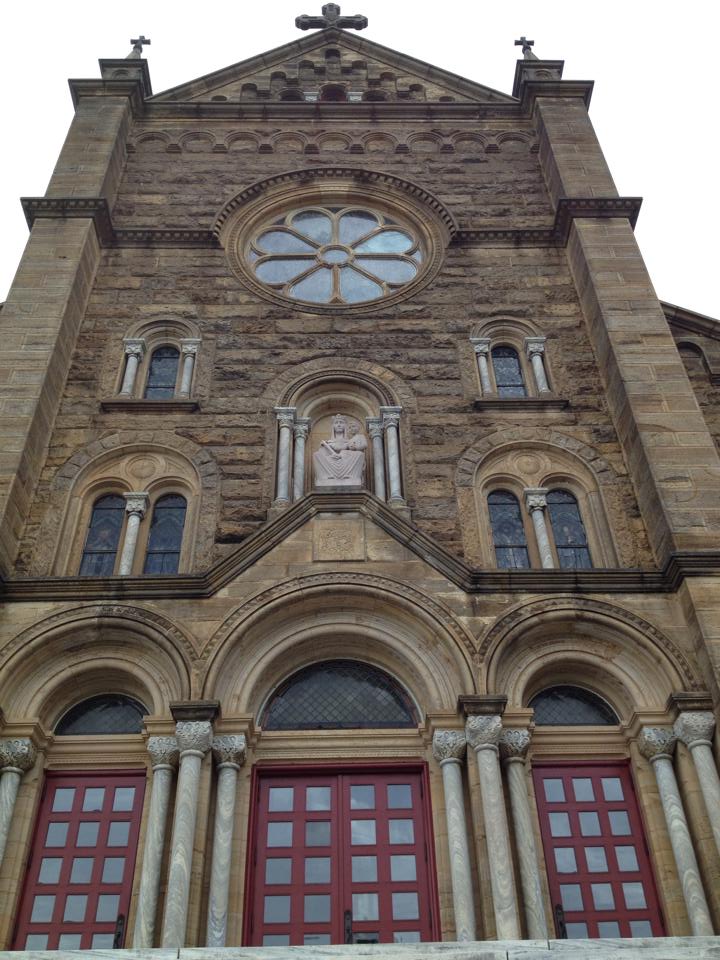
The red doors of St. Meinrad’s Archabbey

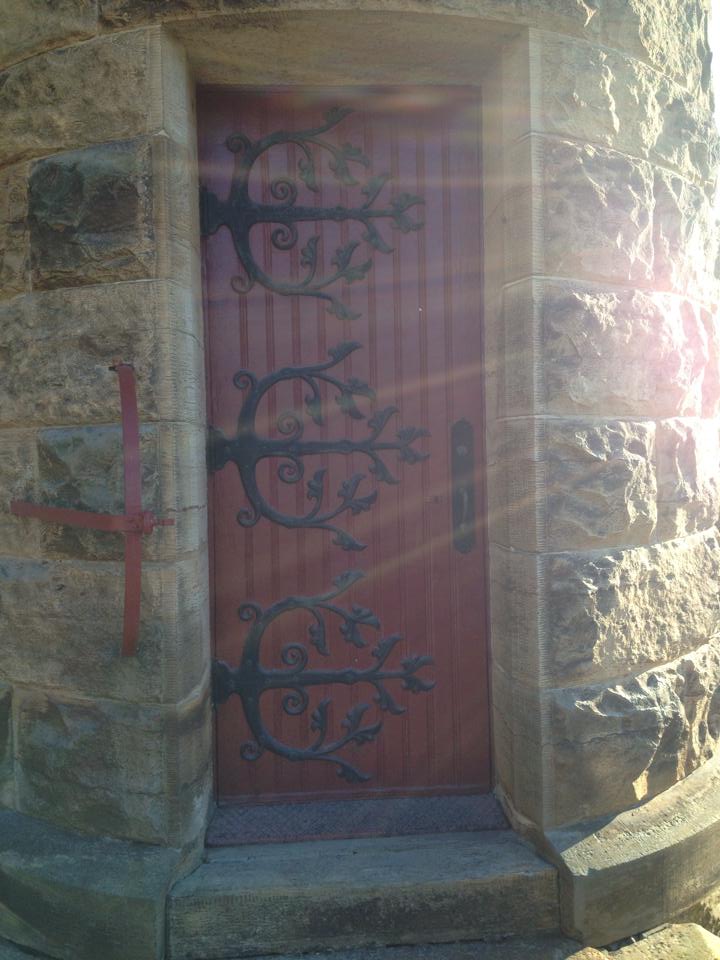
Red is a common color for doors in liturgical Christian churches. It is a symbol of the Holy Spirit, the fire and spark of God that animates all things. Interestingly, red is also the color that Tibetan Buddhists use to mark its buildings that have a statue of Buddha in it, as well as the color of the robes for their monks – for the very same reason. Red is a symbol of the Divine presence within. Red is also the color of Torii gates in the Shinto faith tradition. They are used to mark spiritual gateways, to indicate that beyond them is a holy place. It can also be described as being a visible symbol of the Presence of God, or as Jews would say, the Shekinah.

These were taken late September 2015 in St. Meinrad, Indiana, at the Archabbey and the seminary.

1

abbey

abbey2

door

private

The front of the Archabbey with the three sets of red doors.
front1

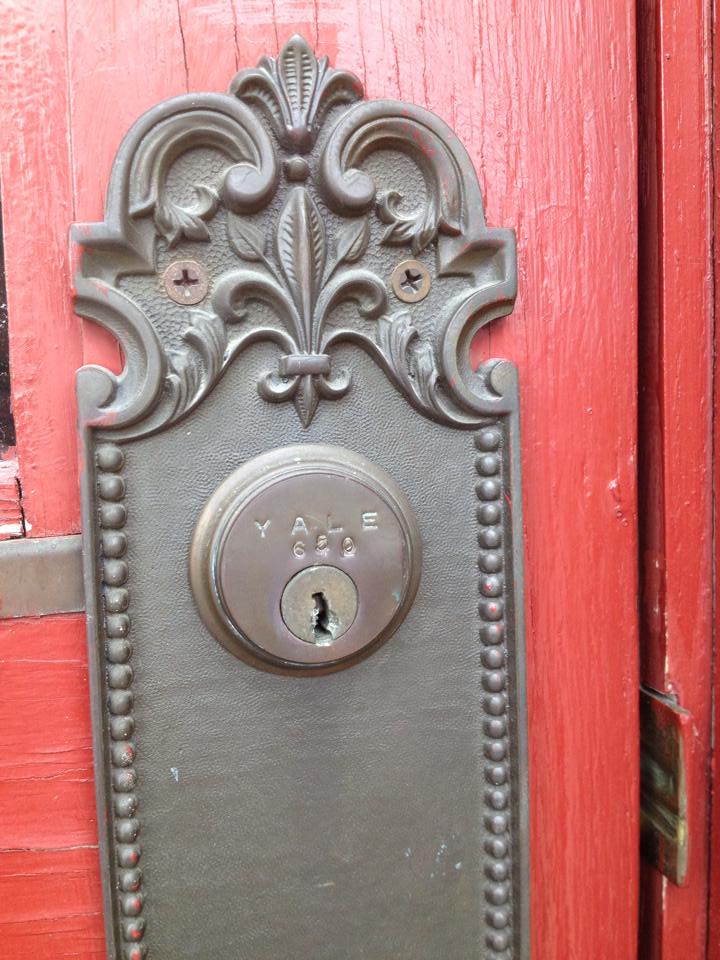
A closeup of the Yale lock on one of those doors, with the red paint better visible.
yale

The cemetery at St. Meinrad’s Archabbey

November first is an appropriate day to share these pictures. Today is All Saint’s Day, where all the famous Christians who have died are remembered. These are notable people who have led the way and been examples of being the Body of Christ – of making love visible in the world. November 2nd is All Soul’s Day, where everyone else – family members and friends, for instance, who have lived honorable lives are remembered.

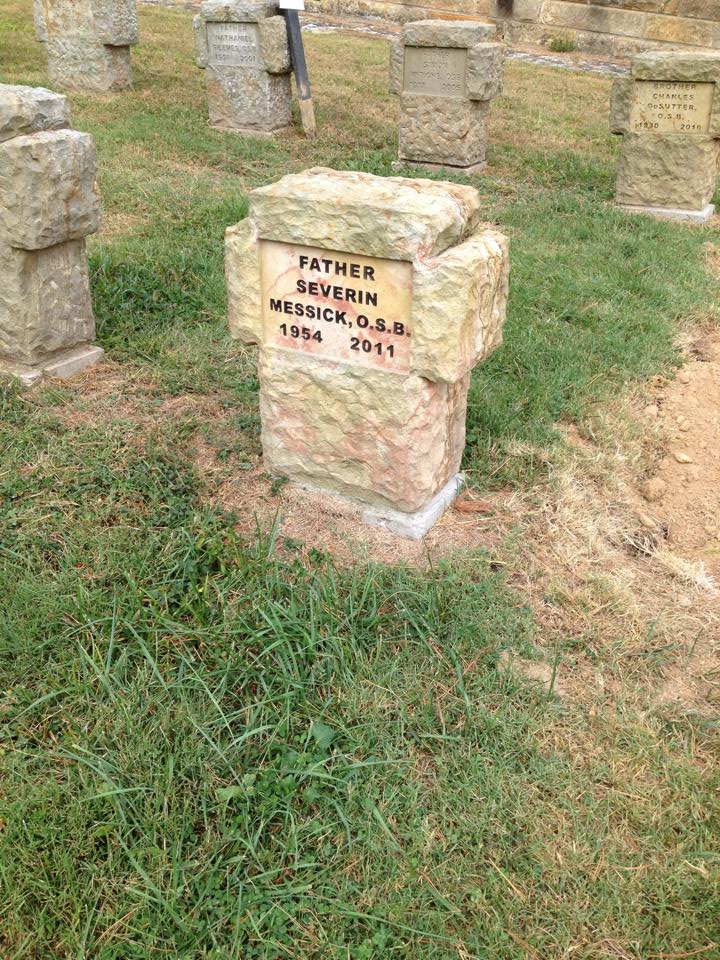
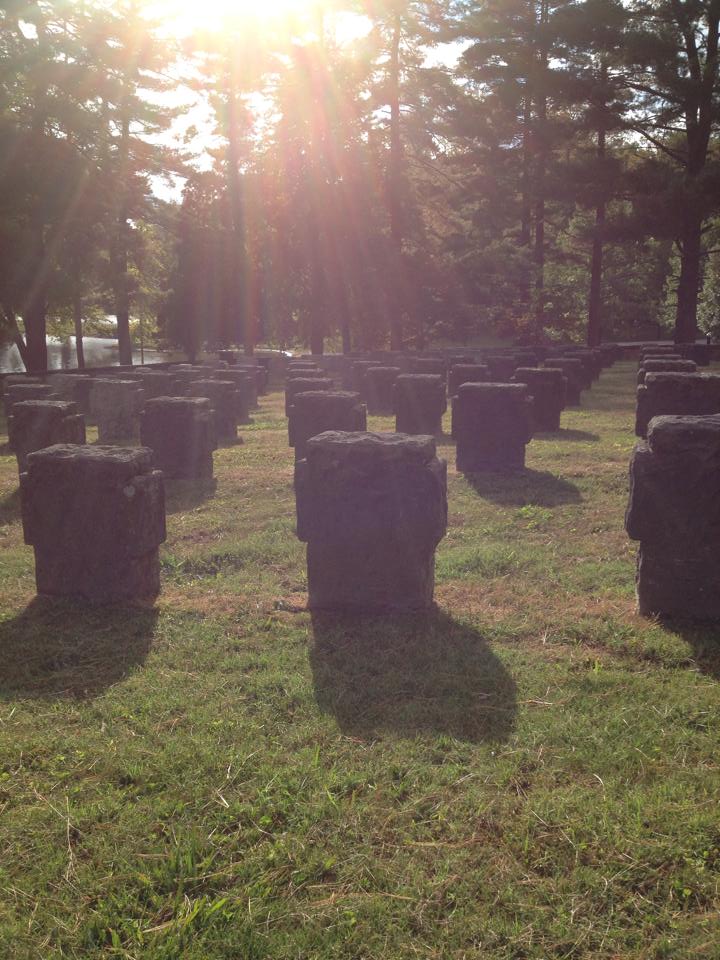
These pictures were taken in late September at St. Meinrad’s Archabbey (Benedictine monastery) in St. Meinrad, Indiana. This is the cemetery for the monks. The cemetery is slightly downhill from the seminary, and the headstones are made of the same local rock that the Abbey itself is built out of. They are very stout.

sign

8

The 5 former abbots are buried in the walkway. The first abbot was buried elsewhere and then relocated here.
6

5

A newer grave, showing the same color of rock as the Abbey. The older ones have weathered to a grey.
4

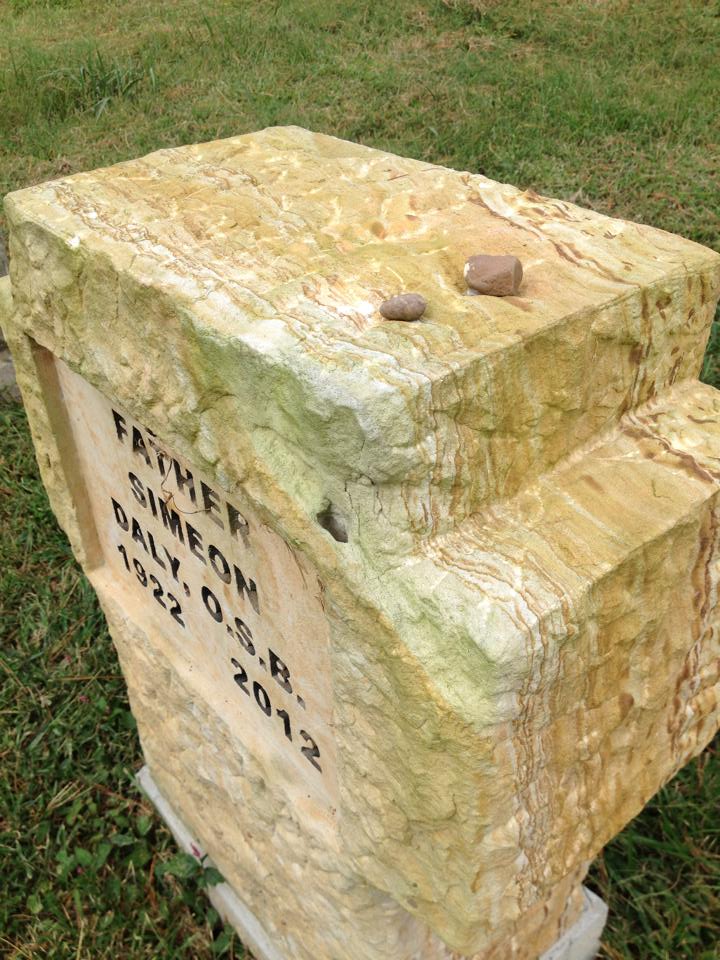
Even though they do not decorate graves, someone has practiced the Jewish custom of leaving a stone atop the headstone as a way of marking that they have visited it.
3

Quite atmospheric in the late Autumn sun.
2
1

There was a new grave – for Brother Benedict Barthel, born 1919, died September 15th, 2015. His birth name was Carl Frank.

The graveyard is walled, so it is limited as to how many more brothers can be buried here. There are only 42 spaces left. There are 252 monks already buried here. There are seven rows deep on two sides, with 21 columns.

Pictures from St. Meinrad’s monastery – the Abbey. September 2015

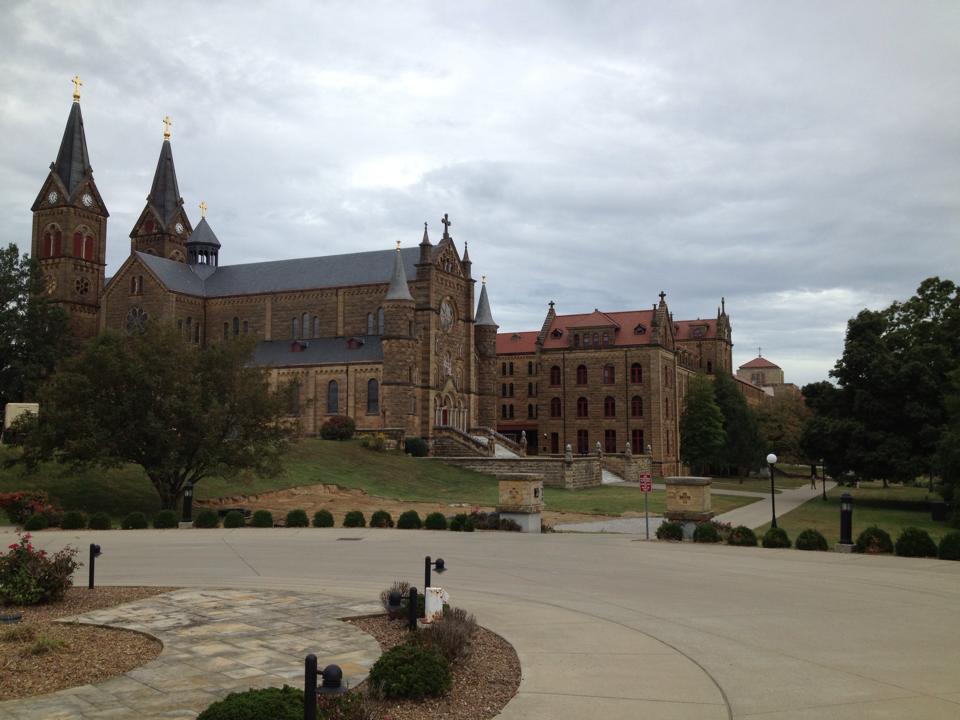
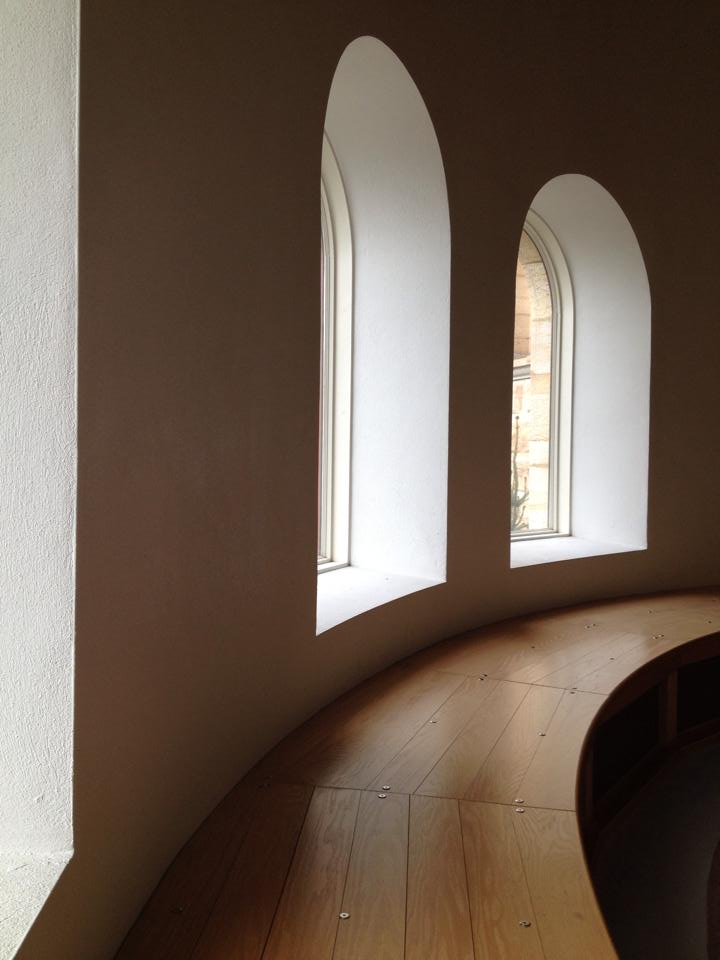
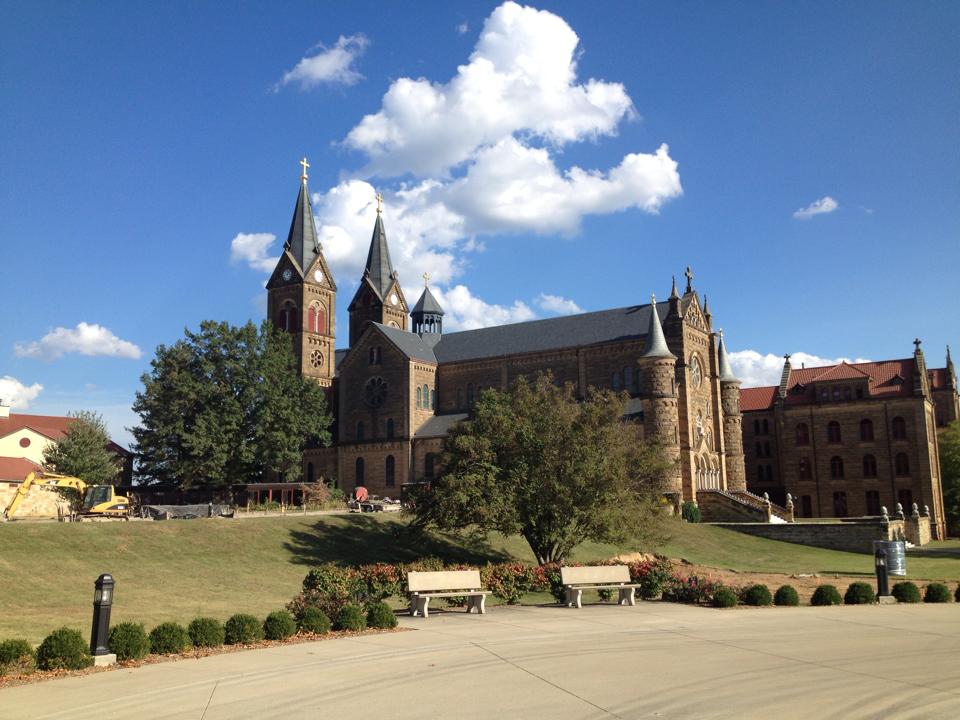
Outside. Looks like Hogwarts. The building to the right is the seminary.
Abbey outside<a>

Stained glass inside. The tree with the forbidden fruit becomes the cross that Jesus is crucified on in atonement for our sins.
adamcross

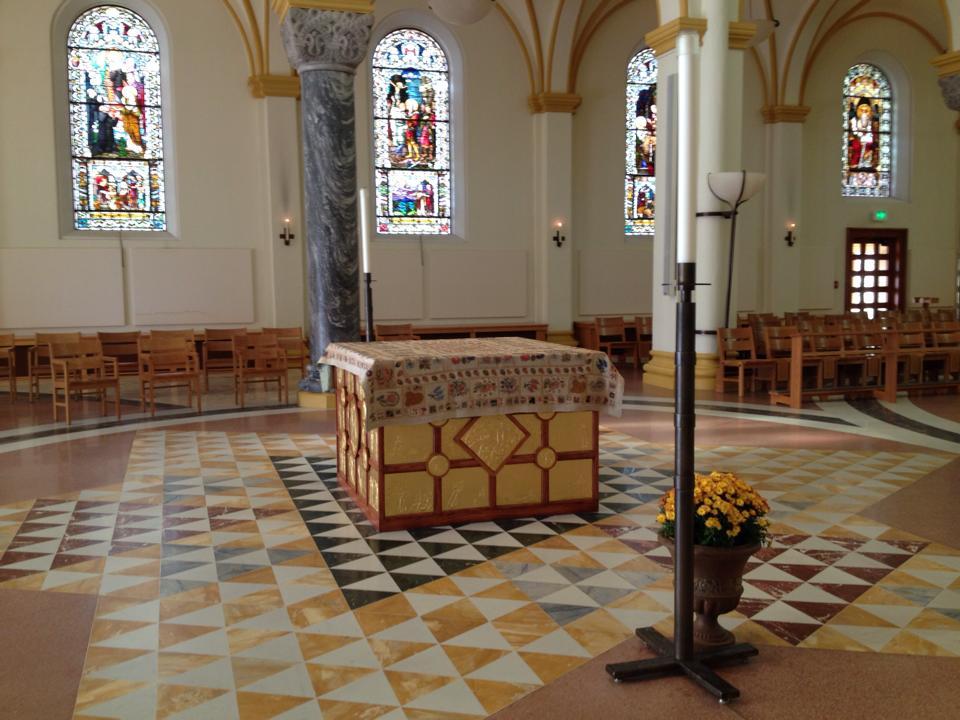
The altar, set out in the middle, amongst the people, rather than far away and separate from them. Note the two large candle holders. Two candles represent the Old Testament and the Gospels – and are also reminiscent of the two candles used at the head and foot of a dead body lying in state.
altar

Another picture of the altar. Note the really unusual Christus painting on the back wall. It is all in black.
altar1

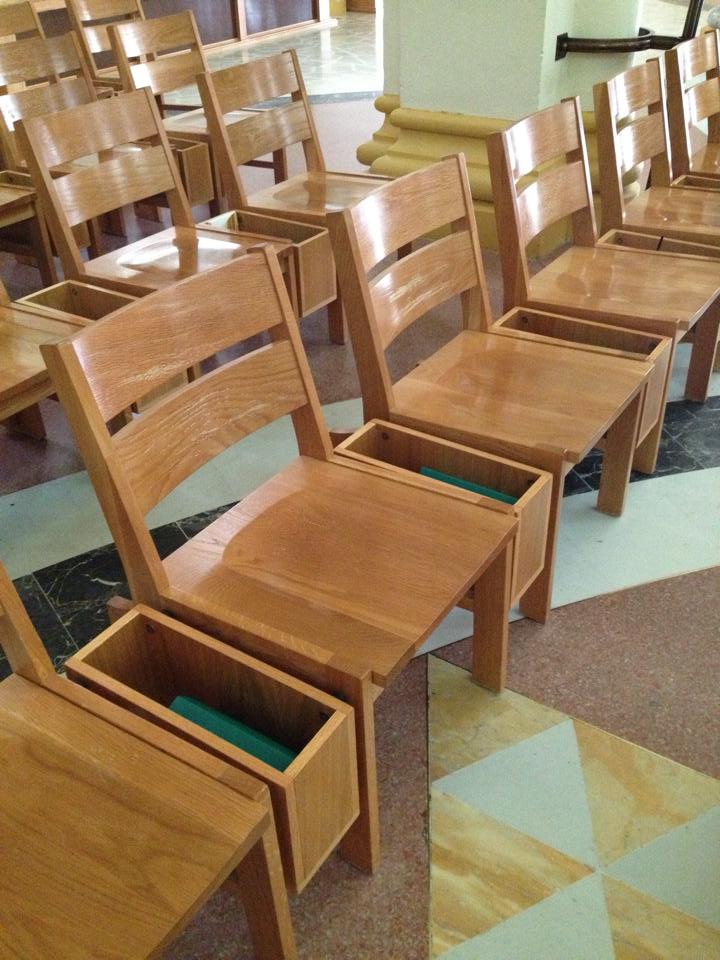
Where the laity sit. Note the small amount of informational books to help you follow along.
congregation pews

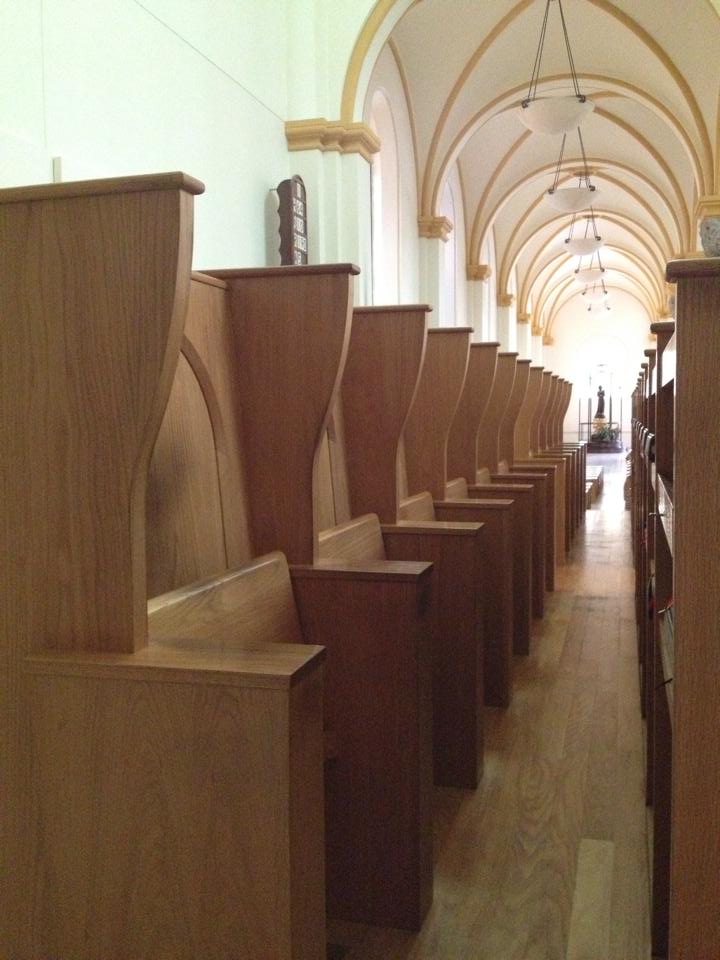
Where the monks sit. Solid, with slight dividers. This way they pray together, but also have some privacy.
monk pews2

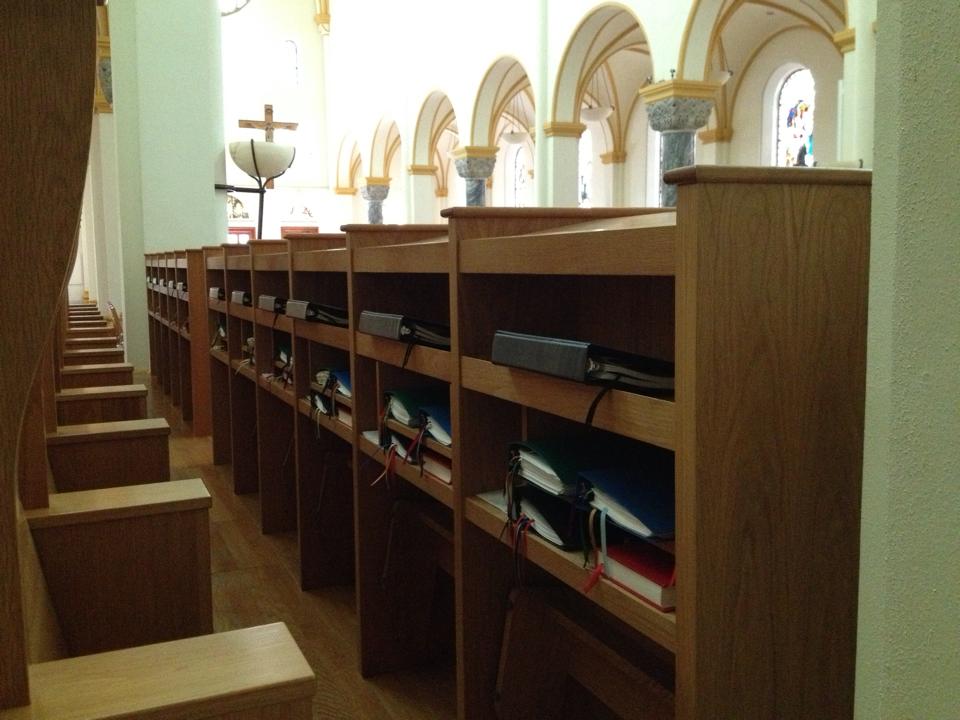
Note the vast amount of informational books here for the monks. You’d think they wouldn’t need it more than the laity.
monk pews

The flying cross
cross

The cross
cross2

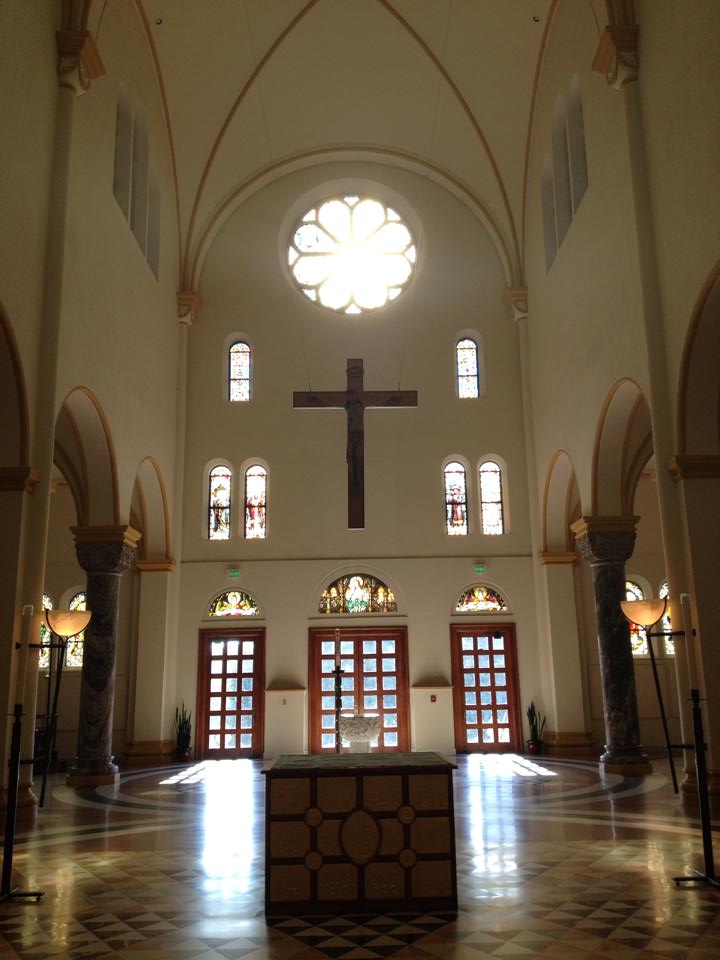
The cross and altar. Note how the baptismal font looks like a chalice atop the altar at this angle.
dark2

Outside door in the sunlight. This is a door that is not normally used.
door

It is quite atmospheric this time of day and year.
door2

The baptismal font. Covered in scenes depicting stories about water in the Bible. The font is connected to a water pump so it burbles all the time with fresh water. It is quite large.
font3

Outside the Abbey front doors.
front1

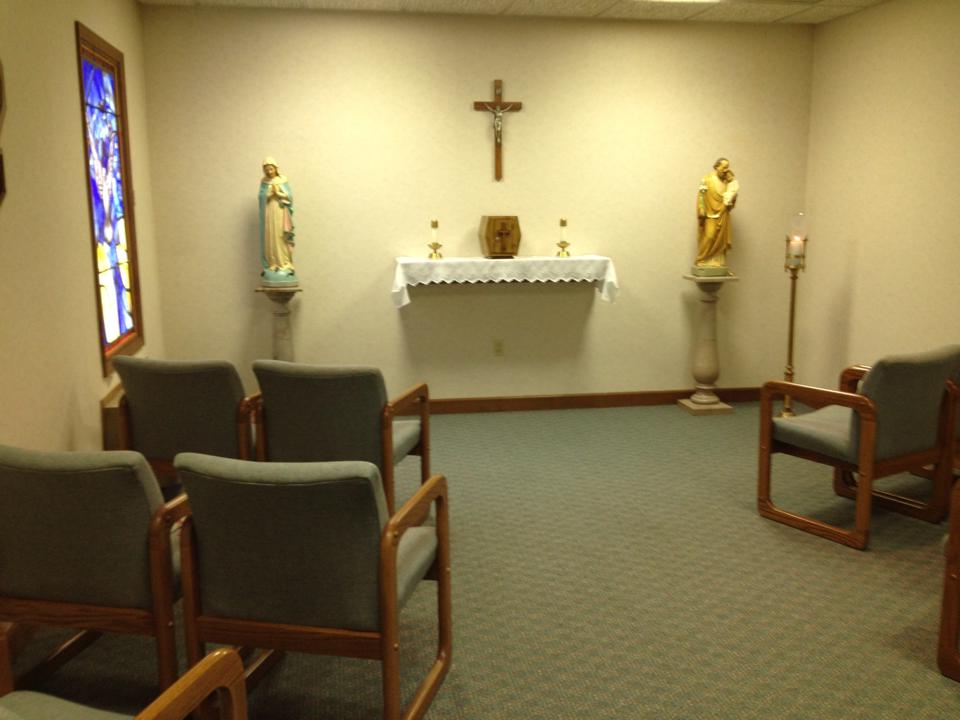
Inside the Blessed Sacrament chapel.
host6

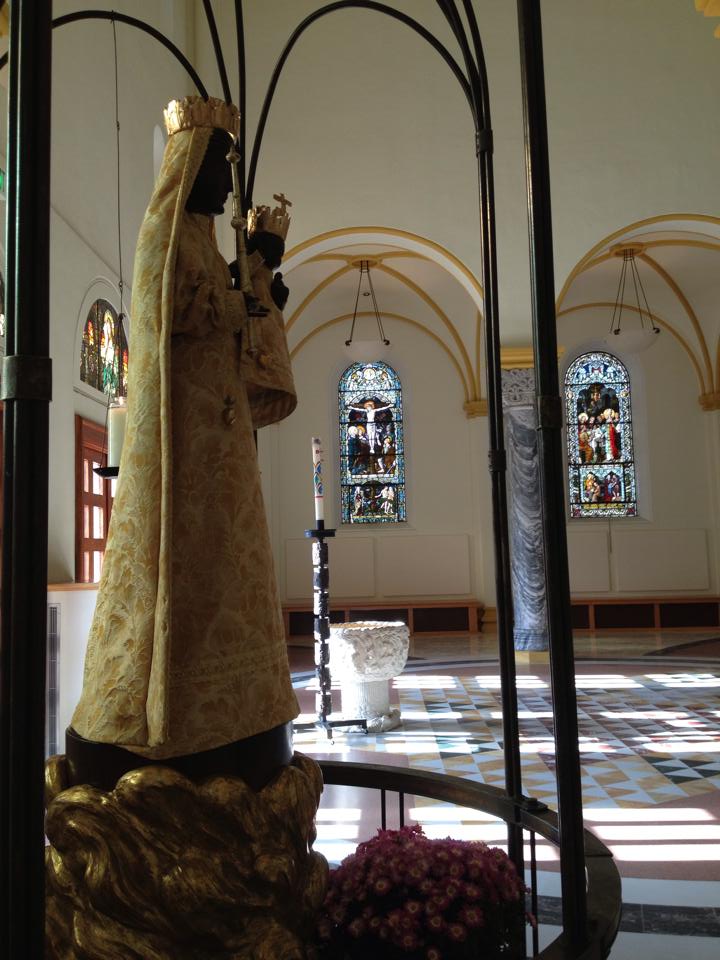
The Black Madonna.
Mary 1

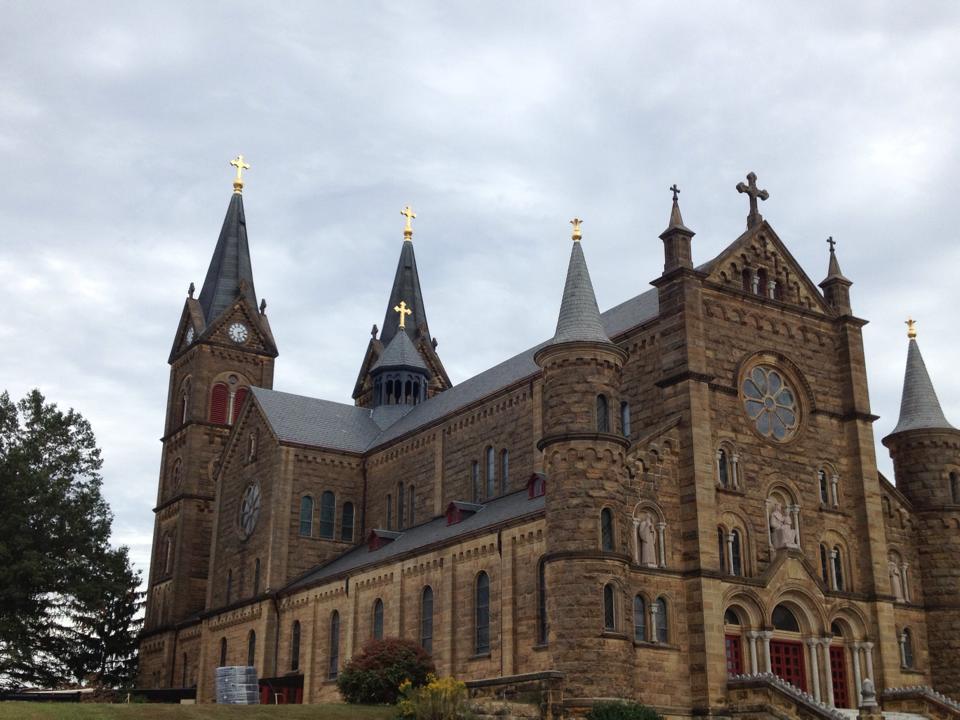
A sunny picture of the Abbey.
outside17

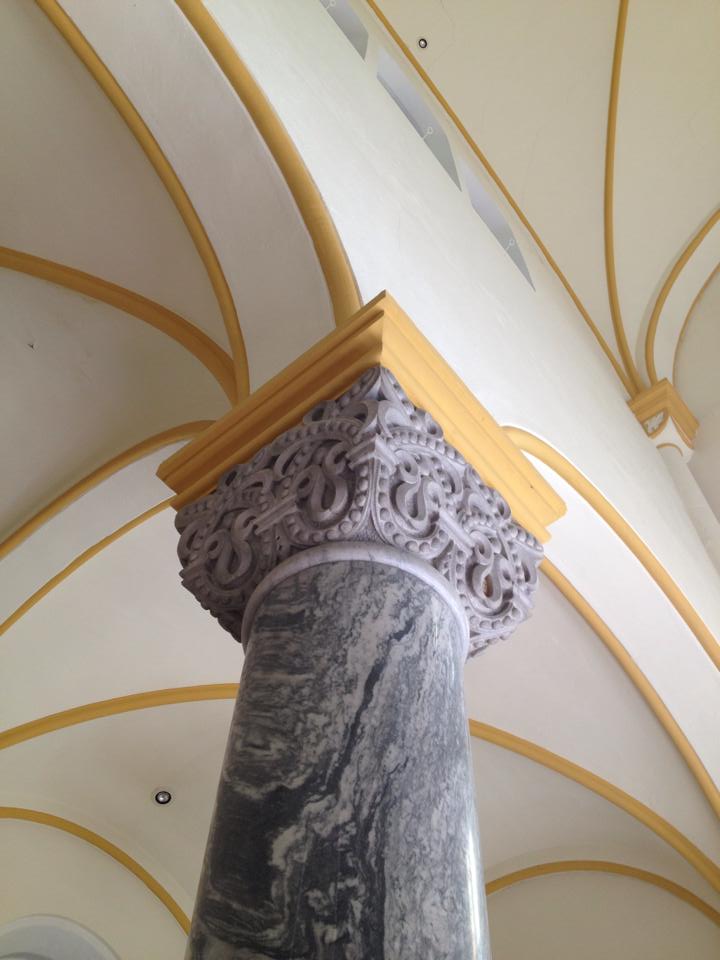
Very ornamented.
outside12

Inside, a Corinthian column.
pillar

A Yale lock on the front left door.
yale

Rembrandt’s secret

This is my favorite place in the whole world. It is a little garden area behind Rembrandt’s coffee shop in Chattanooga, TN. It reminds me of pictures I’ve seen of Roman and Arabic gardens that are in the center of the house – open to the sky, and protected from view from outsiders. It is a little bit of nature that is cultivated and secret.

Let us enter.

1

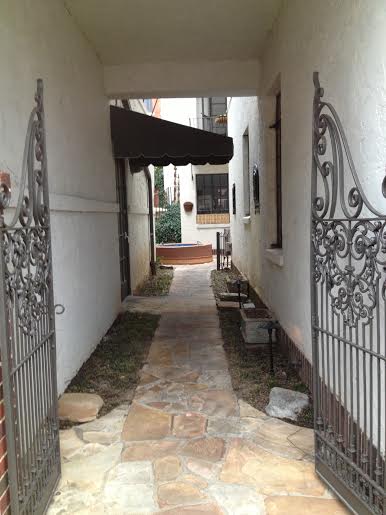
Going down the narrow path.

2

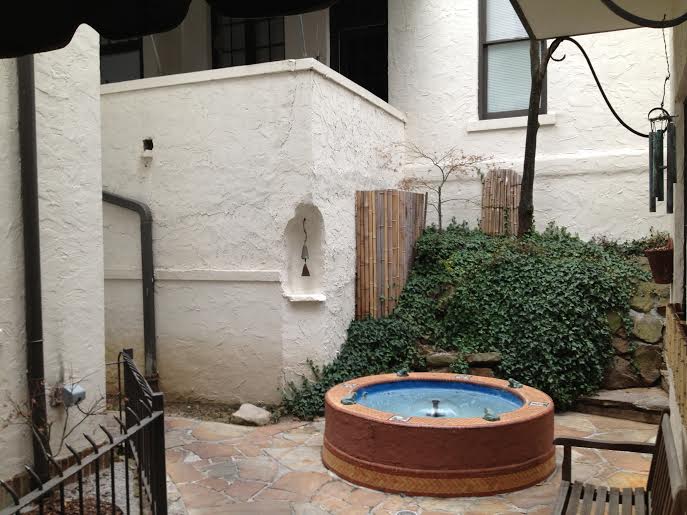
We’ve entered, and here I’ve stepped to the far right to show you the fountain and the courtyard.

wide fountain

Stepping slightly to the left to take a picture of the tree for you.

tree

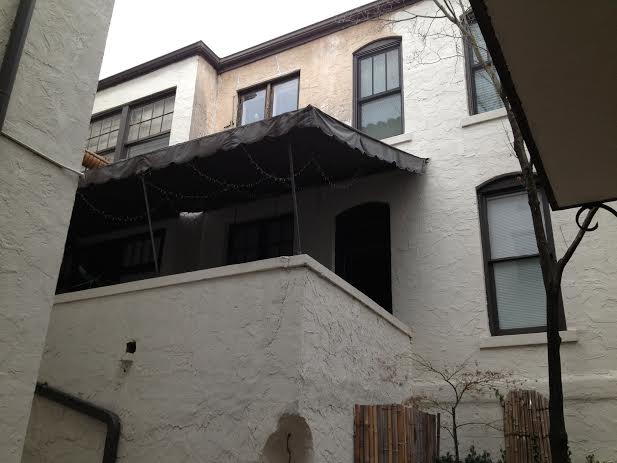
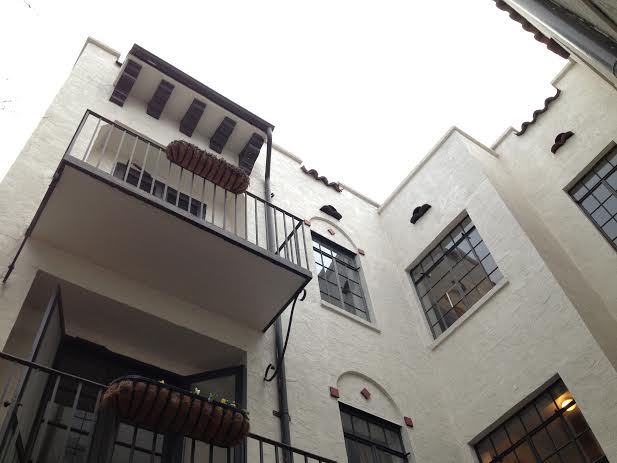
Stepping slightly to the right and looking up to take a picture of the terrace that it attached to the art gallery (worth a trip inside, it is called the River Gallery)

left up

Looking to the left of where I’m standing, a small rock garden. Very nice in this wintertime.

rock garden

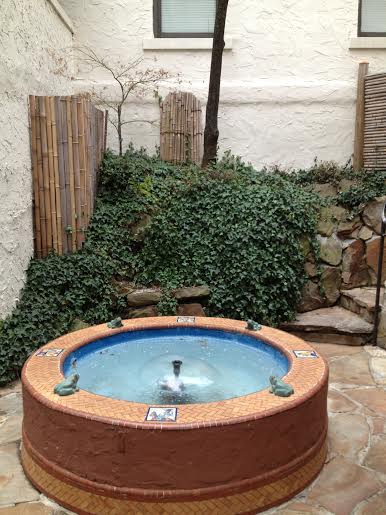
A closer view of the fountain.
fountain

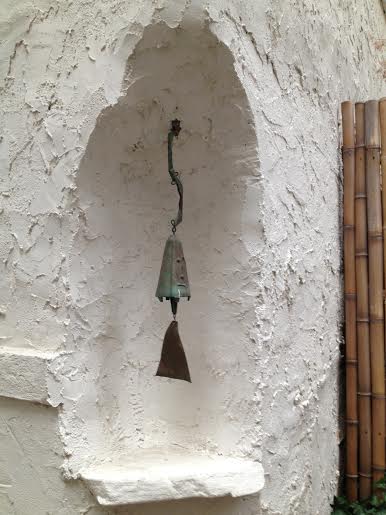
The windchime alcove, going slightly left.
bell

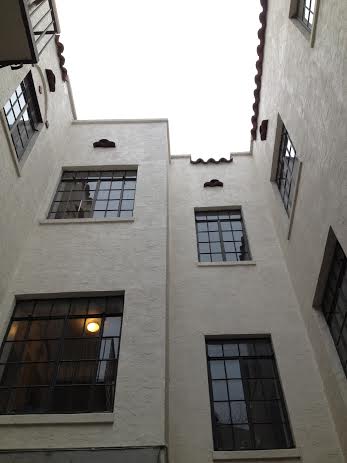
This is looking straight up behind where I’m standing.

high

Slightly to the left of that. The fountain is immediately on your left at this point.

around

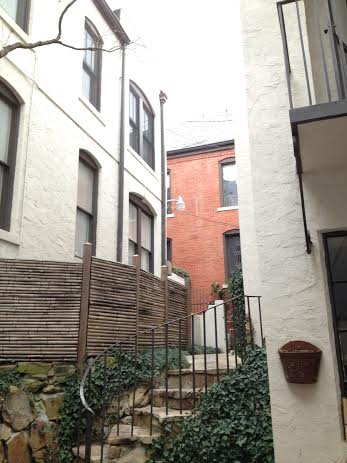
Going further left, the stairs leading out. The fountain is in front of you here.

steps

The fountain

fountain

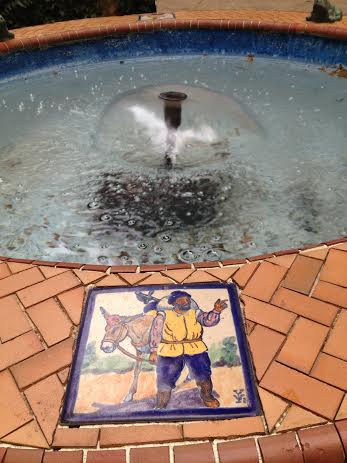
The tilework on the fountain.

close fountain

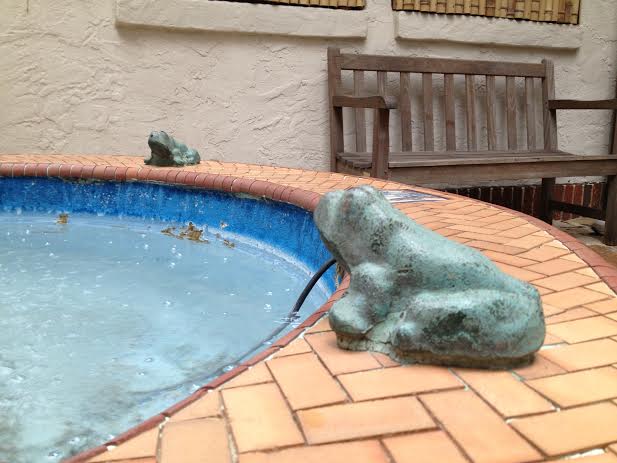
The Frogs.
frog

Virtual retreat

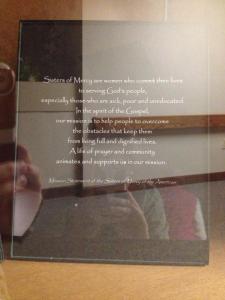
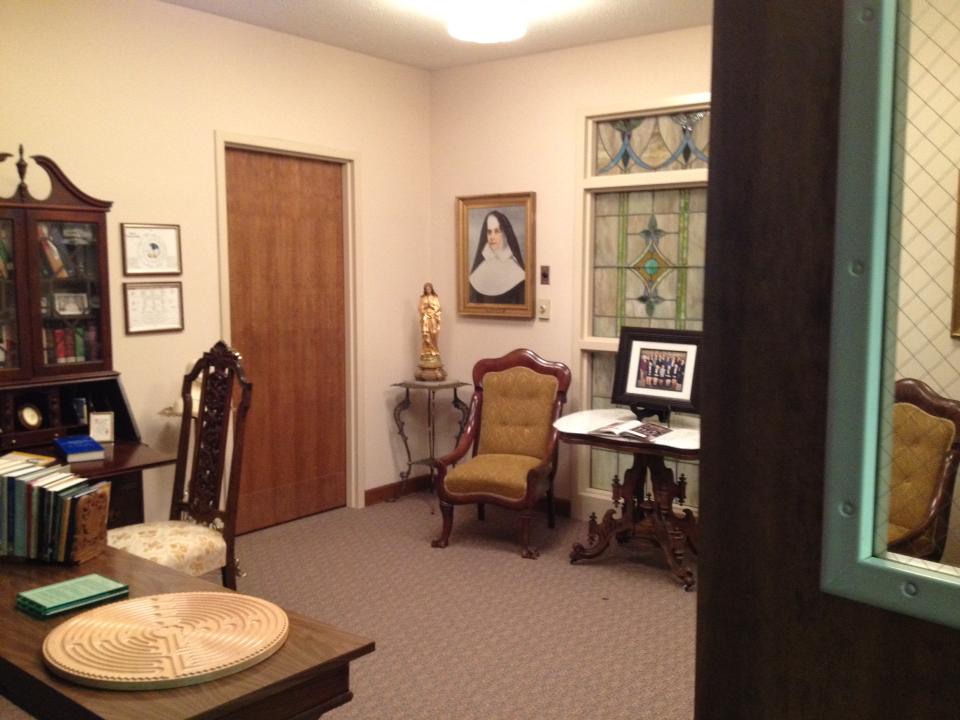
I like going on retreat to Mercy Convent, a home for retired Sisters of Mercy. I’m fortunate that this place is about thirty minutes from my house. I wish I could go here every month. Honestly, I wish I could live here. The last time I was on retreat (11-15-14) I took several pictures so I could share the feeling of being there virtually.

Welcome!

welcome

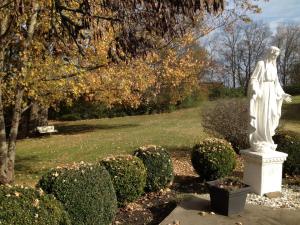
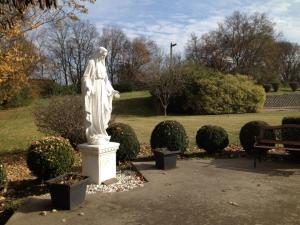
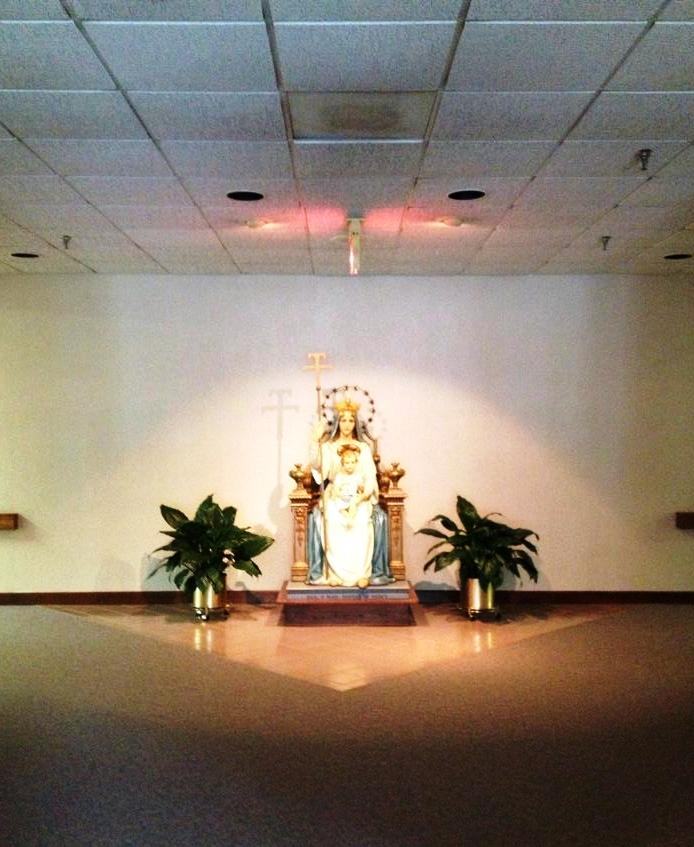
The statue of Mary and Jesus is straight ahead
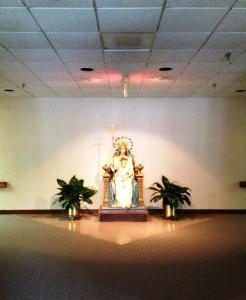
mary statue

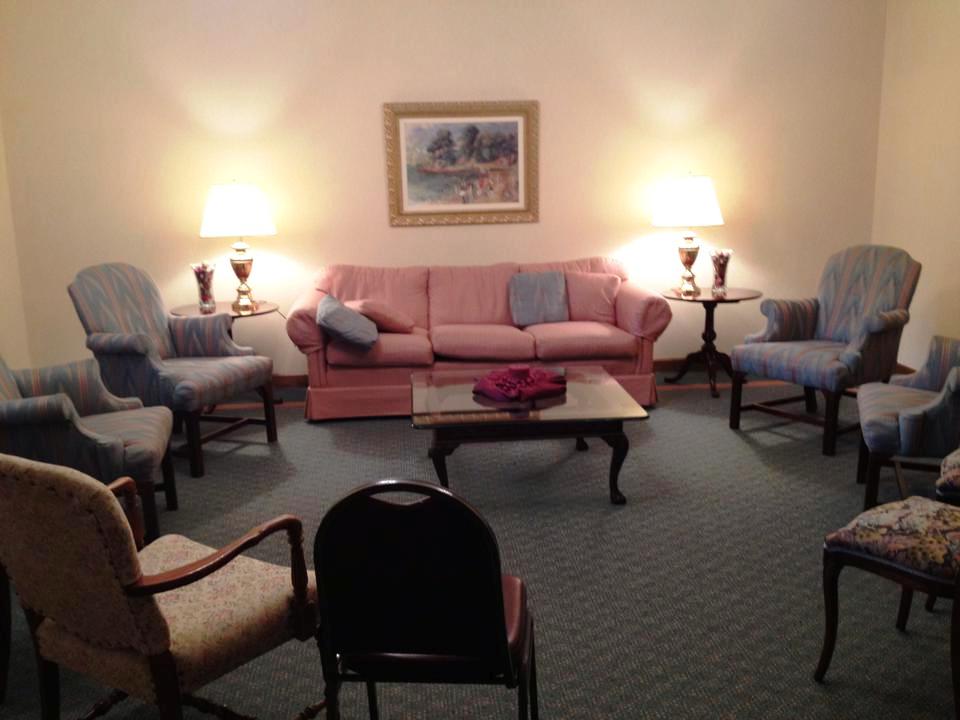
The parlor where you will meet with the other retreatants is just to your left.
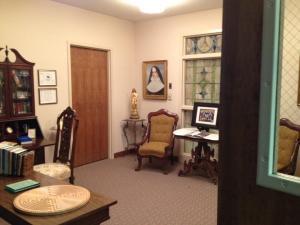
parlor

If you turn to the left of the statue, you are walking to the dining hall and the chapel. Pictures of those follow in a bit.

Turning to the right of the statue, you are walking down the hallway to your room.
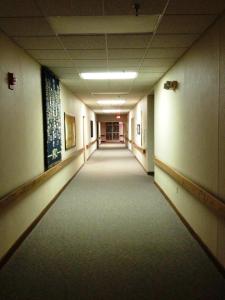
main hall

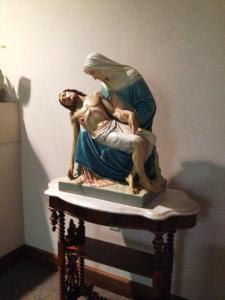
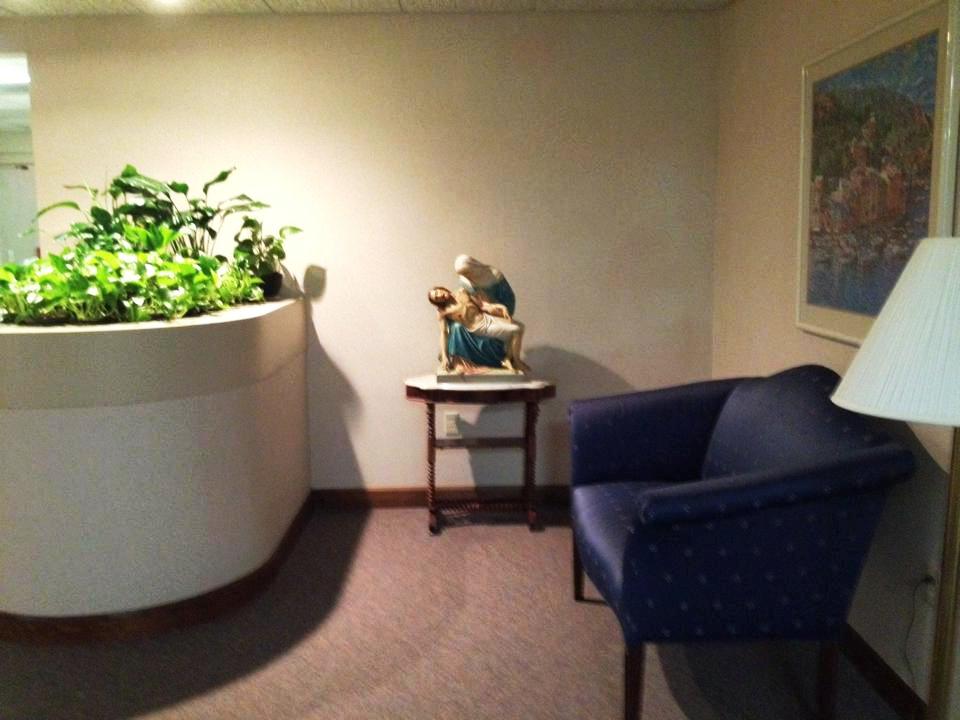
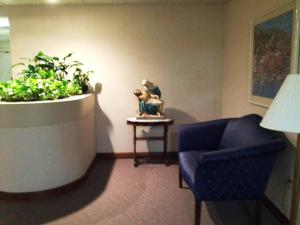
On the way to your room. At the end of the hall is an intersection with some plants, a Pieta nook, and a display cabinet with Mercy history.
hall2

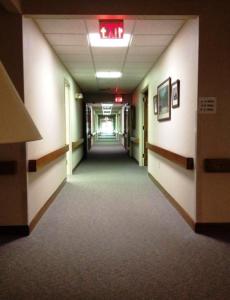
The hallway ahead is the A wing. The B wing is to the left, and the C wing is to the right.
hall

This is looking down the A wing.
A wing

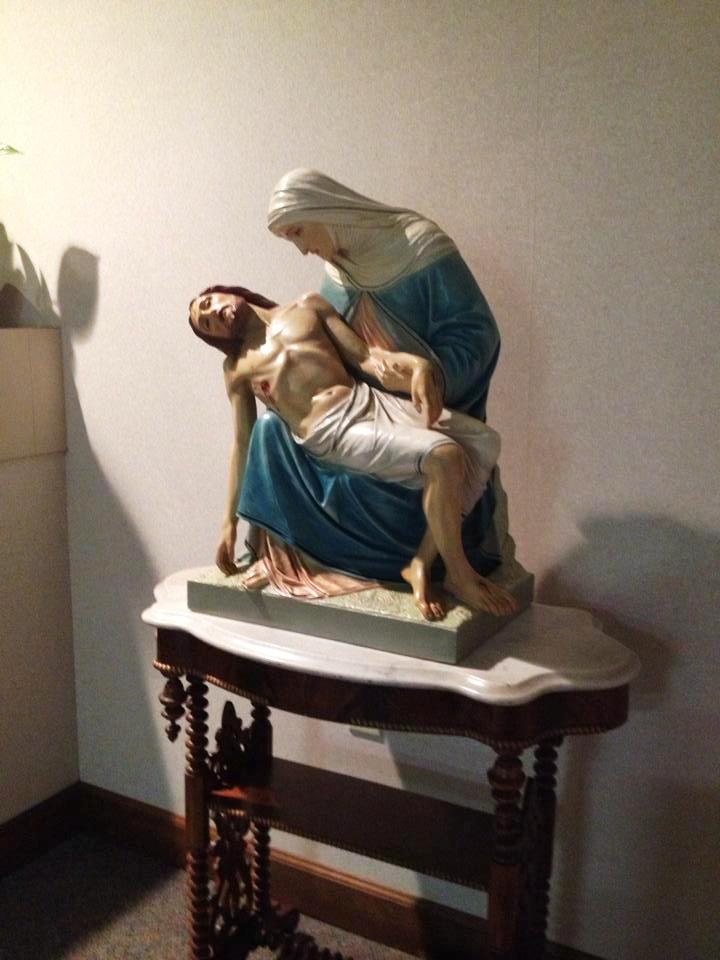
The Pieta corner is at the intersection of the three wings. It is nice to sit here at night.
pieta nook1
pieta nook2

One item in the display cabinet.
notice

The TV room for the nuns. Off limits to the retreatants. Panning right. This is at the corner of the A and B wings.
TV room3
TV room2TV room

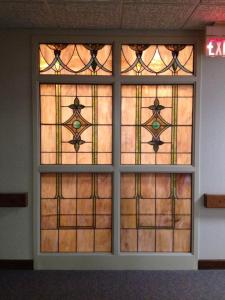
The stained glass windows marking the library. This is at the corner of the A and C wings.
library window2library window1

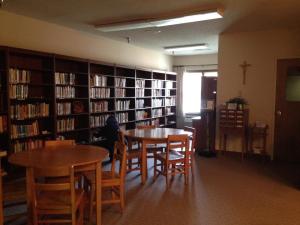
In the Library
librarylibrary2

Down the hallway of the B wing is the small chapel.
small chapel

The stained-glass window there.
small chapel glass

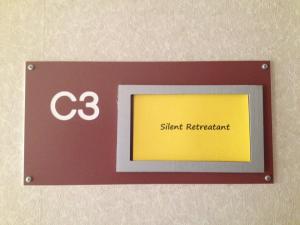
Welcome to your room.
door2

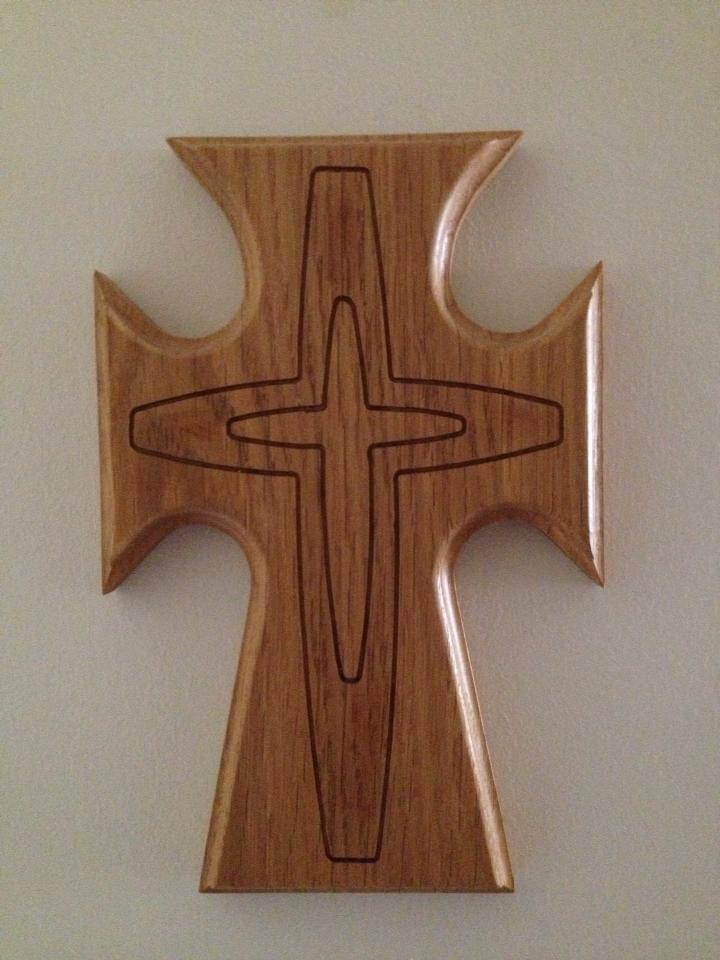
The cross on the wall as soon as you open the door.

bedroom cross

The room. Most are laid out like this. They all used to be rooms for the retired nuns. After they “started going to heaven” as the director euphemistically says, members of the community asked if they could use the area for retreats. They said yes, as hospitality is part of their charism.
bedroom 3bedroom1

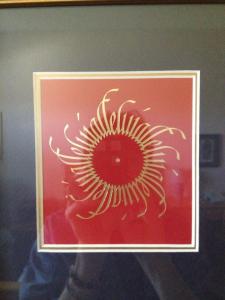
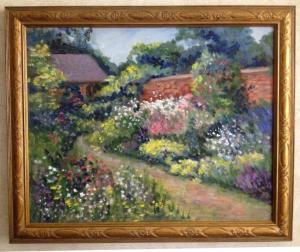
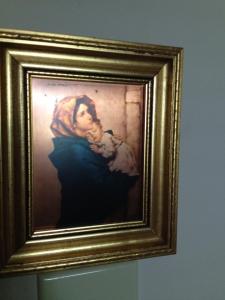
The pictures on the walls are different in every room. Some are similar. Many are of Mary and Jesus. There are usually about 4 pictures. These are various ones I’ve seen over my many times here.
bedroom art2bedroom art
room8
room9
room10
room4room5
room6room7room3
room2
room1

Instructions.
Mercy rules

A close-up of the Mercy Cross.
Mercy cross

The bathroom.
bathroom2bathroom

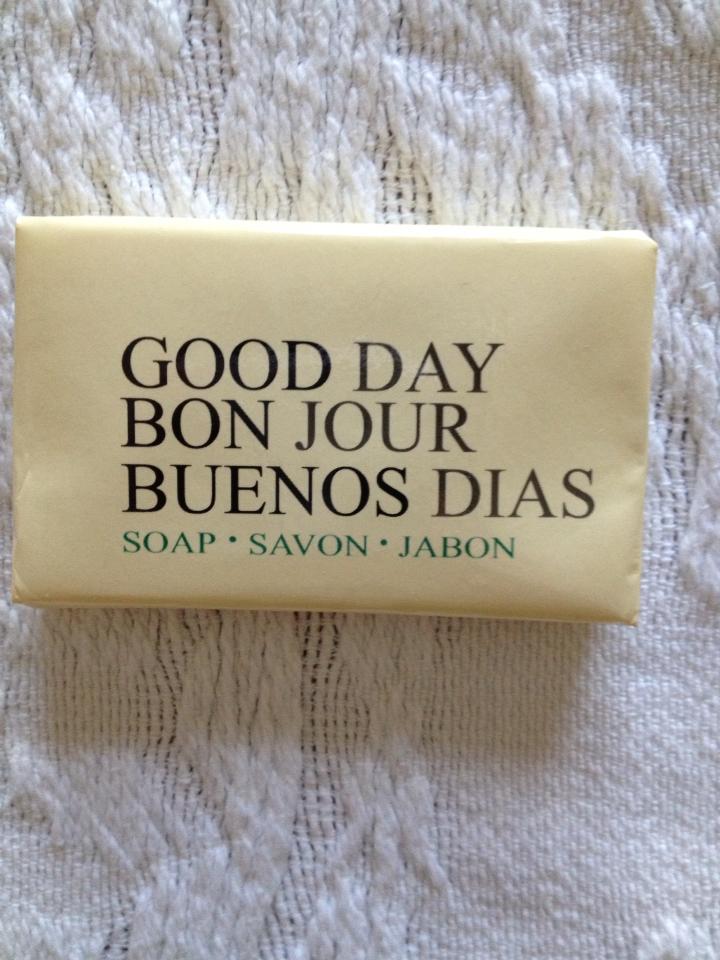
Even your soap is friendly.
soap

Your desk.
bedroom2

On the wall in the hallway near your room in the C wing.
sign2sign1

On the way to the day room – handrails
rail

The day room for retreatants is in the C wing.
little kitchenlittle kitchen2

Opposite the day room – an open porch. Don’t forget your key – you’ll never get back in otherwise.
open porch

Walking back to the dining room and chapel area.

Mary inside, near the dining hall and chapel. The dining hall is right, the chapel is left.
mary inside2Mary inside1

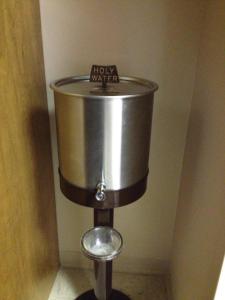
In the sacristy. A dispenser for Holy Water.
holy water1

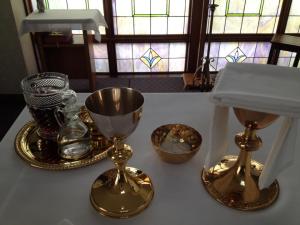
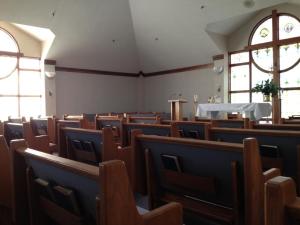
In the chapel, just before communion. It wasn’t dark, but I had to play with the settings to get the stained glass windows to show up.
chapel1chapel3chapel2chapel4communion1communion2communion3communion5communion4communion6

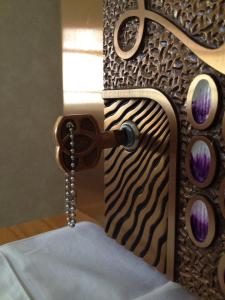
The aumbry, with key.

aumbry3aumbry2aumbry1

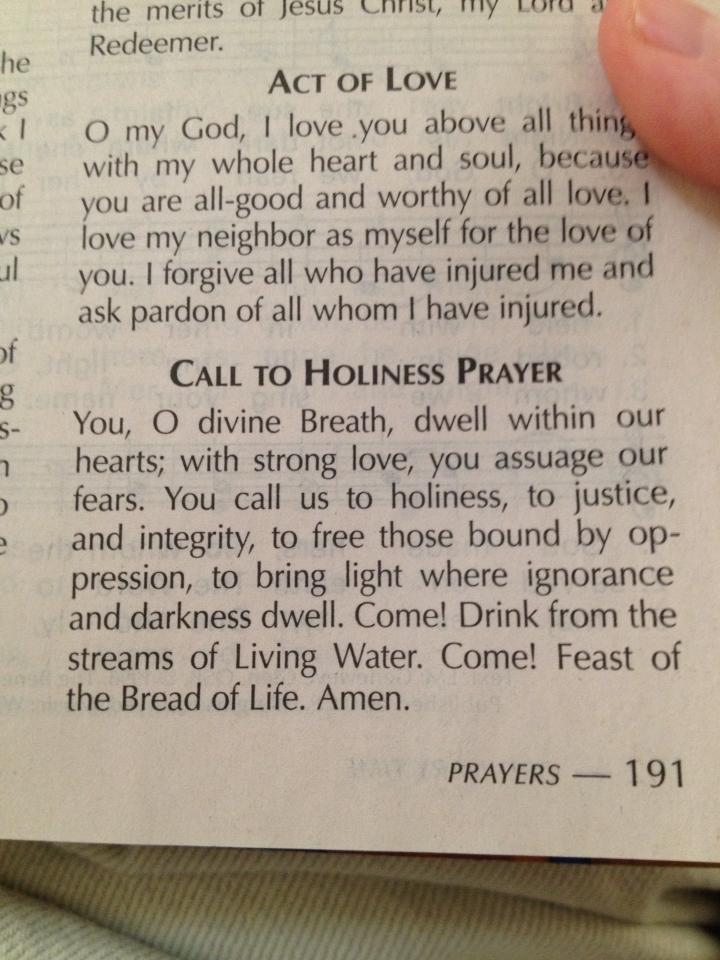
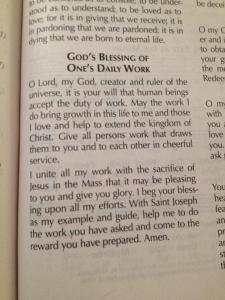
Random prayers in the Missal that I found interesting.
prayer2prayer

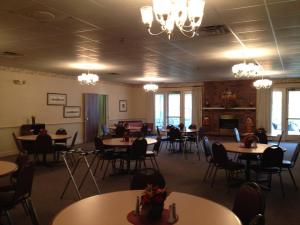
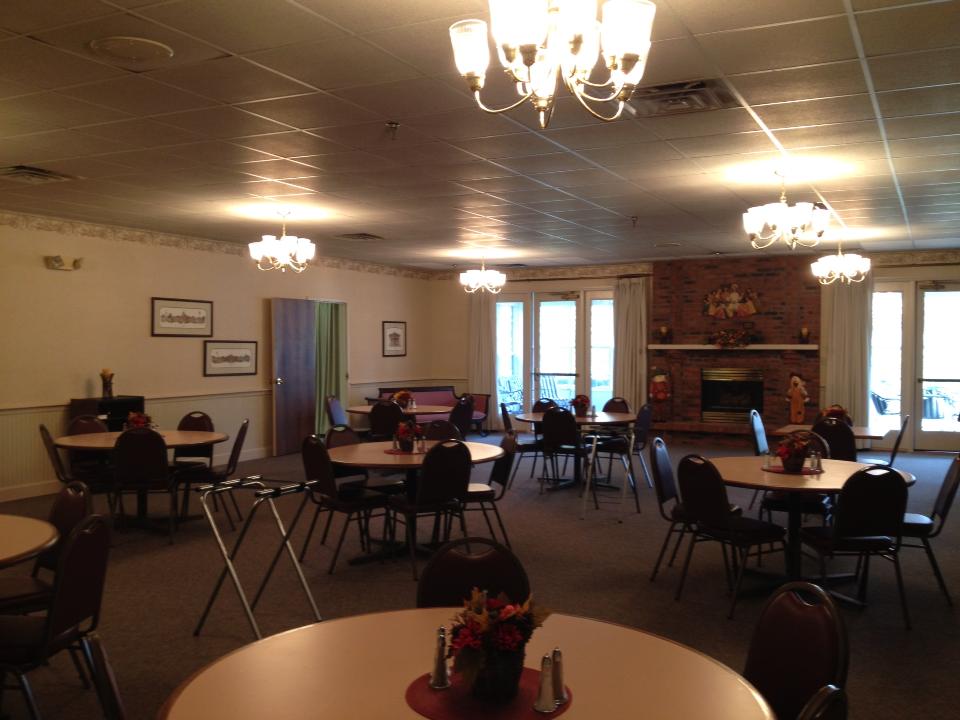
In the dining hall
dining room

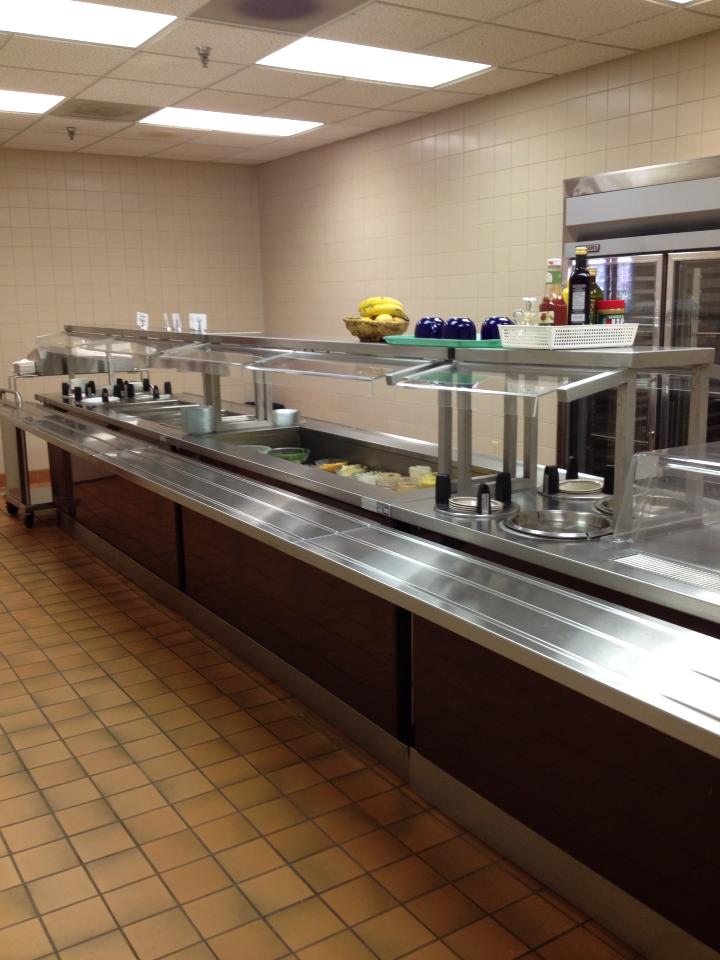
The buffet line
dining2

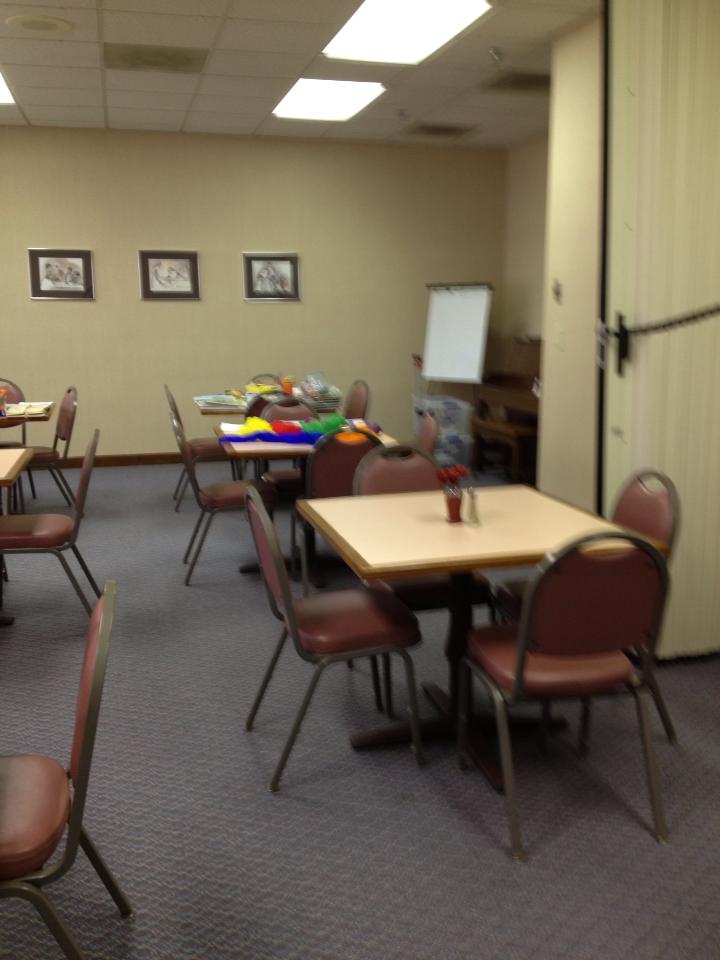
The quiet area for dining for retreatants (also where the art supplies are)
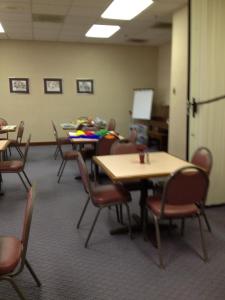
small dining room

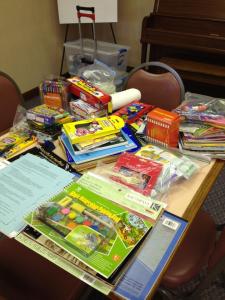
Art supplies for retreatants
art2art3

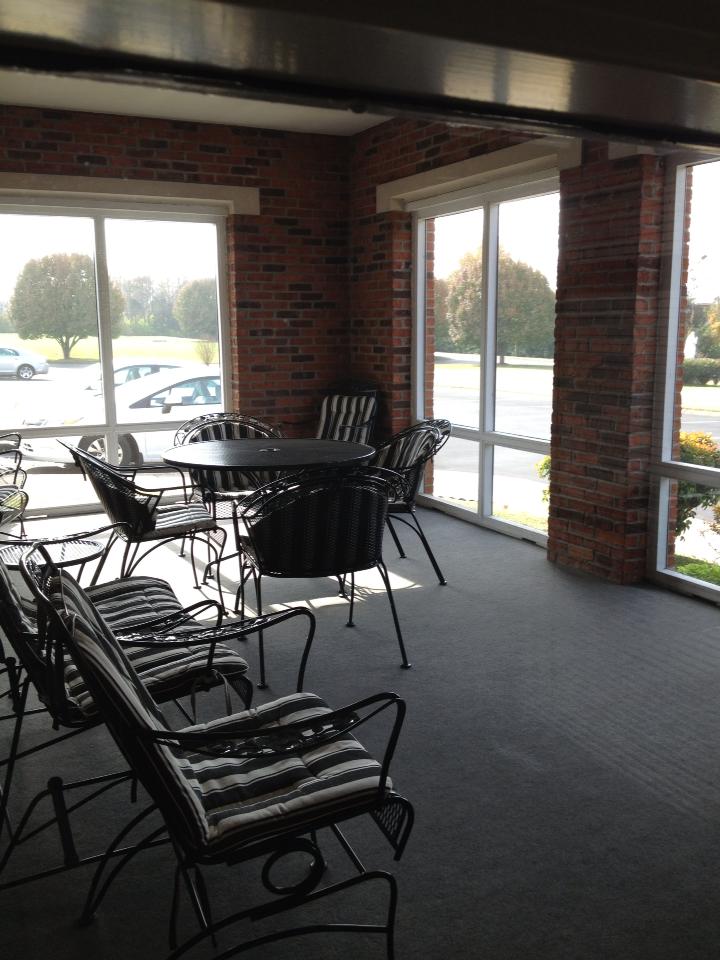
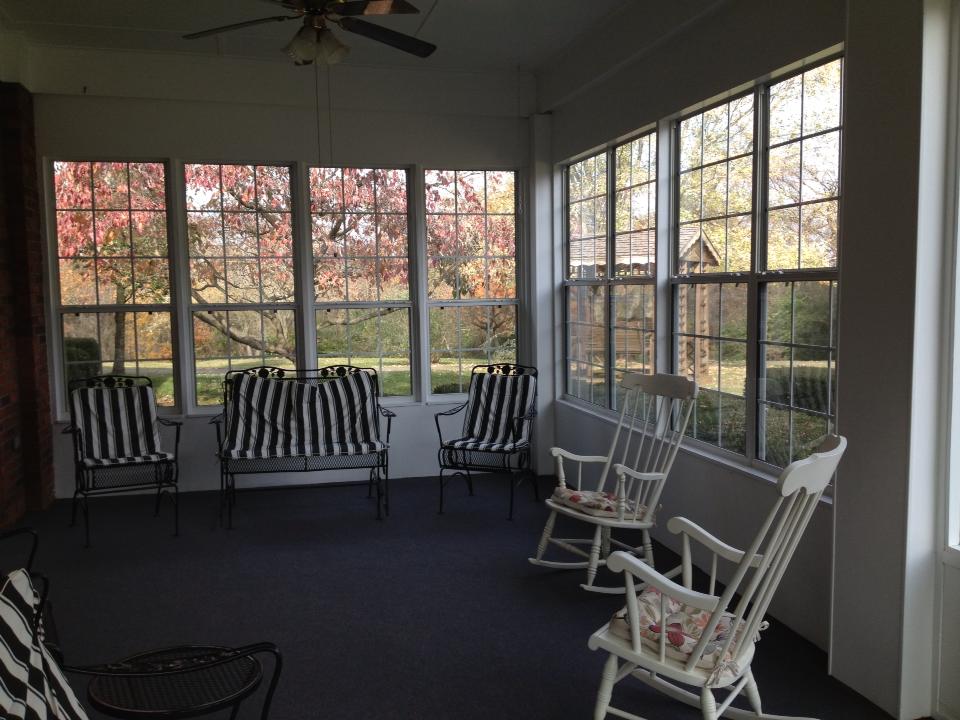
The sun porch at the end of the dining hall – looking left
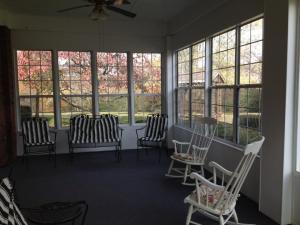
porch2

Looking right
porch1

Looking straight ahead
door

Go outside and see the yard.

A pan around the yard outside. Panning right.
yard1
yard2yard3yard4yard5yard6<a yard7yard8yard9yard10yard11<a

Mary outside
Mary3mary2mary1Mary feetMary hand

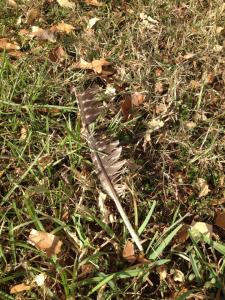
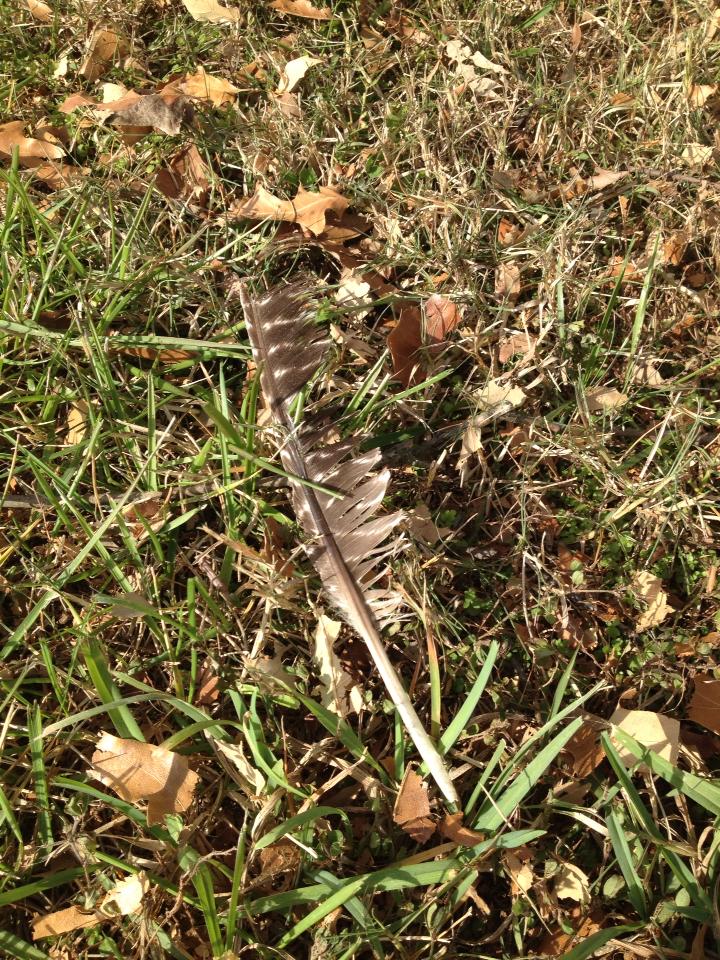
In the yard – a feather
feather

Because it is winter, you can see the nearby farm with cows.
farm

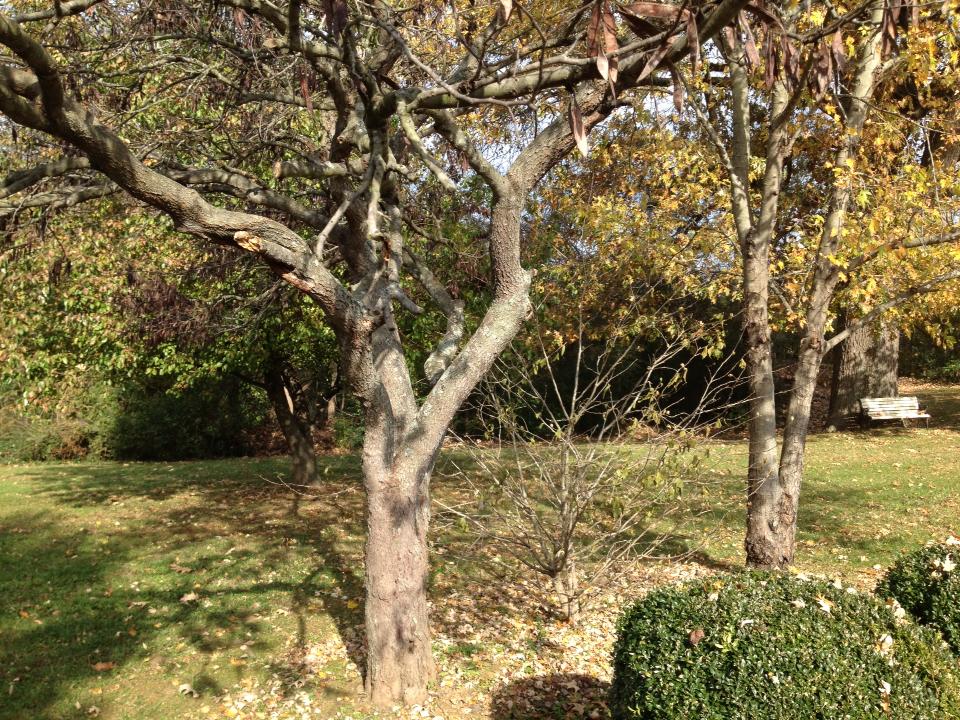
An interesting hackberry tree – note how it grows around obstacles. This is in the back yard.
tree3tree1tree2

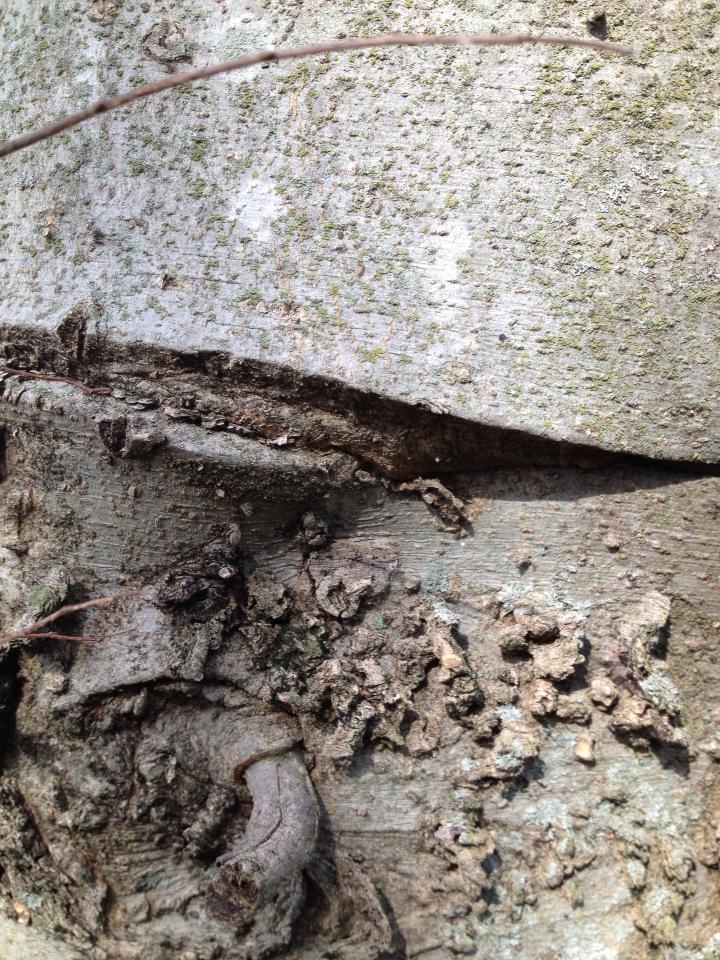
An interesting bit of old tree with lichens.
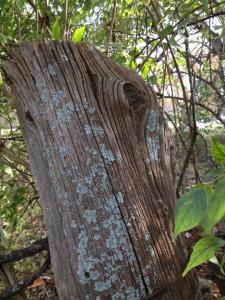
tree4

Halloween lights

I was at a Halloween party for adults last week. You know how much you enjoyed Halloween as a child? The costumes, the candy, the staying up late? All the usual rules seemed to be violated. You went up to strangers’ houses, by yourself or with friends, begging for candy. These are the same strangers you weren’t supposed to talk to during the rest of the year.

There was something magical in the air – it was crisp and clean, if a little damp in spots. The leaves were beautiful on the trees and crunched underfoot. Halloween is a treat for the senses.
That joy doesn’t leave us as adults. We aren’t allowed to participate in the same way though. So we have our own parties where we get to revisit a little of that magic.
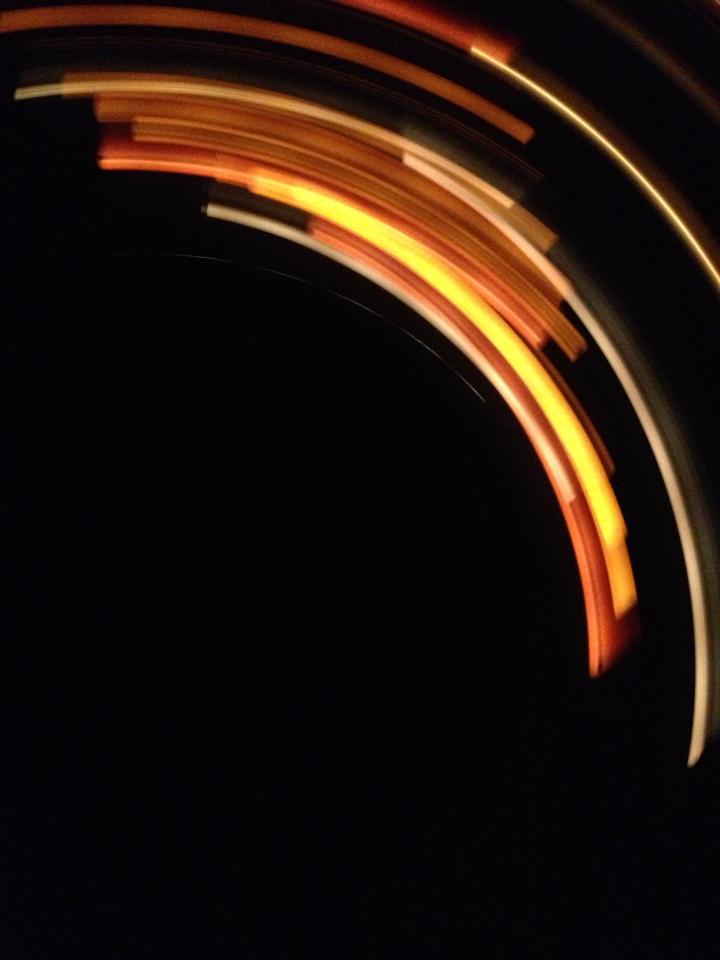
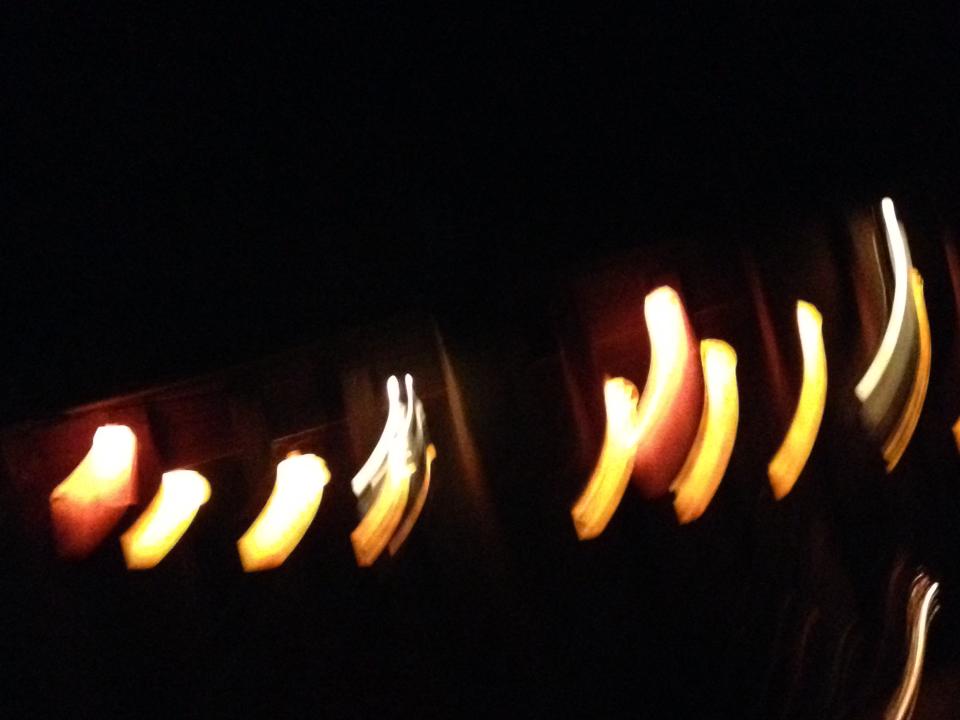
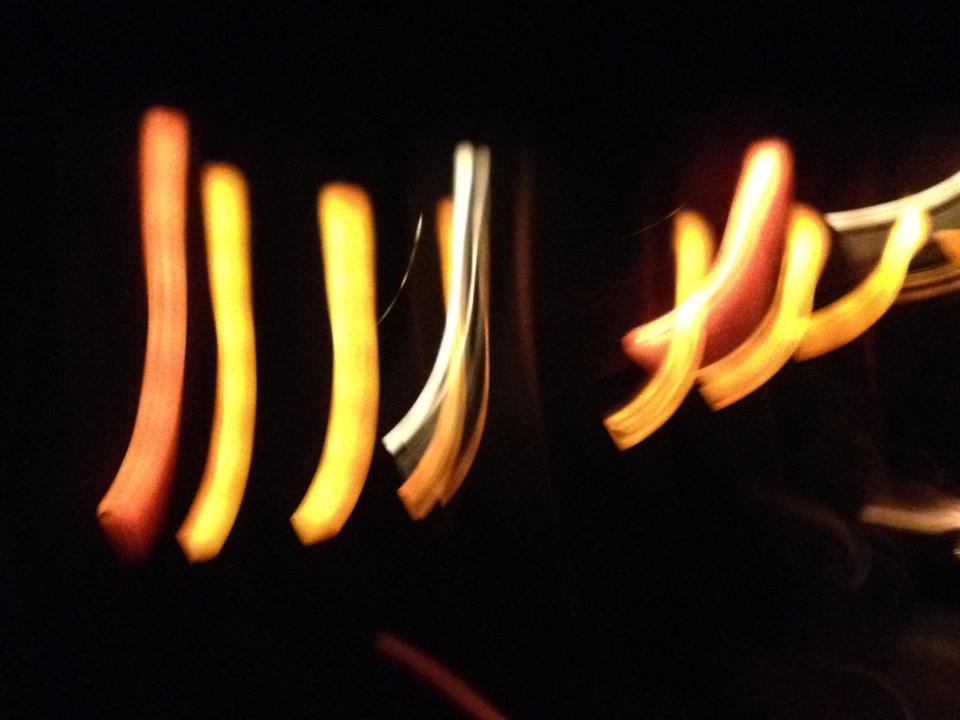
I sat on the back porch at this party and started taking pictures of the Halloween lights that were strung up. Rotating and shaking my camera, I got these pictures. Some turned out almost as magical as Halloweens long passed.
1413121110987654321

Not for sale paintings/collages

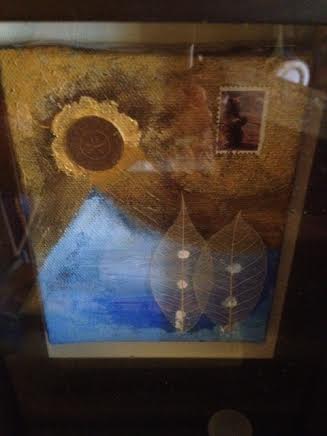
Marriage feast. Acrylic, leaf skeletons, Buddhist coin (in painting), foreign stamp with a bear on it, English sixpence coin I wore in my shoe when I got married (loose in the shadowbox). The canvas is glued to the backing of a shadowbox. Canvas is about 4 x 5. Impressions of honeymoon on Grandfather Mountain.

11

A different view – the glass is hard on the camera.

12

Flight. Acrylic, stamp from Zaire showing DaVinci’s flying machines, leaf skeleton, Canadian coin with a bird, cut out corner of a Visa card with bird hologram. Framed – original canvas was 5 x 7

10