Houses on top of houses

I have noticed that I really am interested in houses on top of houses. Not apartment complexes, but separate houses built one on top of each other, almost randomly, stair-stepping up a hillside. I looked on Pinterest and discovered there are several such house-collections (Villages? Towns?) all across the world.

I’m not sure why I like this, since I value privacy and certainly didn’t like sharing walls with other people when I lived in a townhouse. You hear (and sometimes smell) everything your neighbors do. Sometimes the noises are very disturbing to the point that perhaps the police need to be called.

So why do I like this? I decided to dig deeper using these images.

The last picture I found was a big part of it. This is in Santorini, Greece.
Amalfi stairs

Steps on the outside of a building, attached to the wall. Something very intriguing to me here. You can come and go without anyone in the house knowing. Private access. You share a house, but not a life. Not all is revealed.

Yet also part of what I like with these large collections of houses is how does anyone get home? What is the “road” and what is your neighbor’s roof? Sometimes the two are the same.

This is in Masuleh, Iran
Masuleh Iran2

Closer –
Masuleh Iran

Here is Kandovan village, near Tabriz, Iran. It was constructed from a cave system.
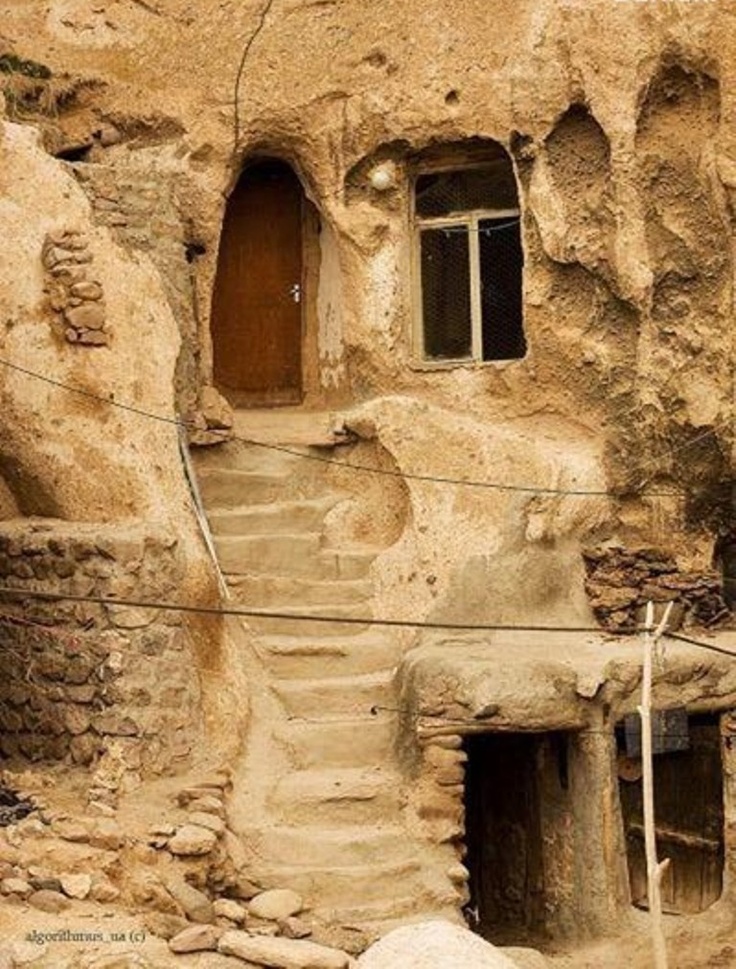
Kandovan Iran
Kandovan Tabriz Iran
Kandovan Tabriz Iran2

This is in Turkey – Ortahisar.
Ortahisar Turkey

Here is El Aleuf, M’Zab, Iran. While not stacked on top of each other, it is still intriguing to me because the walls are all shared, like one house grew onto another. It looks like a nest or a hive, rather than a planned thing. More organic.
El Aleuf

Then there are shanty towns, barrios, favelas in Brazil.

favela Brazil

One got painted – it is Santa Marta. The people are still very poor, but at least their houses are beautiful.
favela Santa Marta Brazil

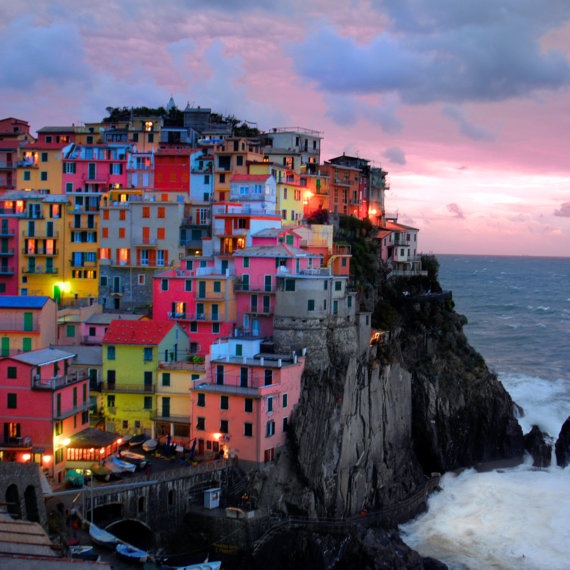
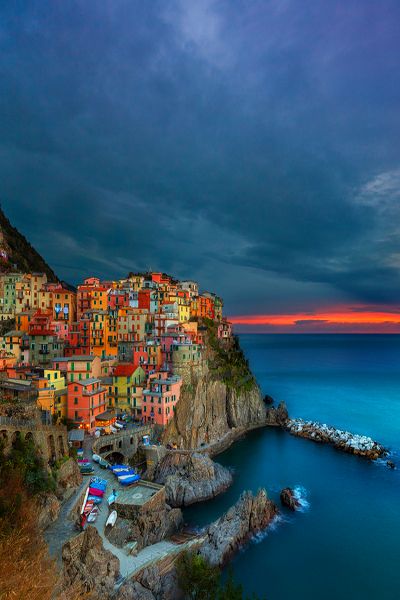
This is Cinque Terre, Nanarola, Northern Italy
Cinque Terre1
Cinque Terre2
Cinque Terre3
Cinque Terre4

This is on the Amalfi coast, Positano, Southern Italy

Almalfi Italy1
Amalfi2

These are all Santorini, Greece
Santorini1
Santorini2
Santorini3
Santorini4
Santorini5
Santorini6
Santorini7
Santorini8

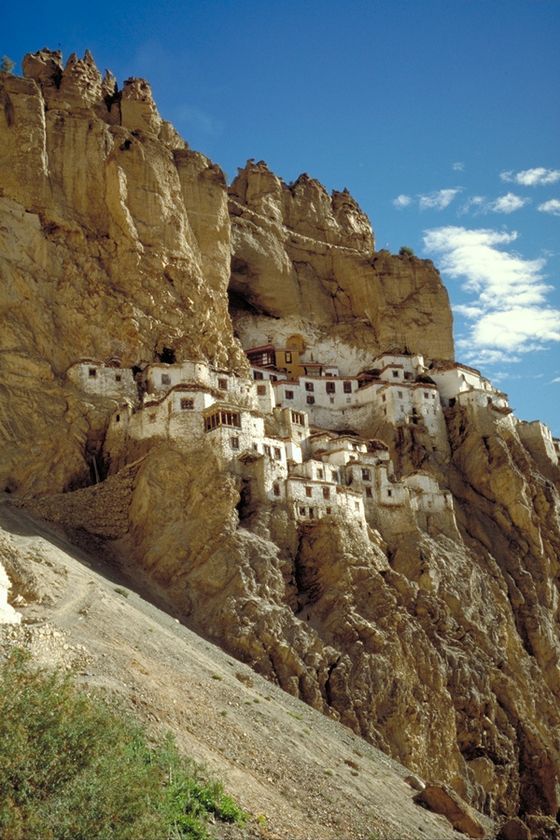
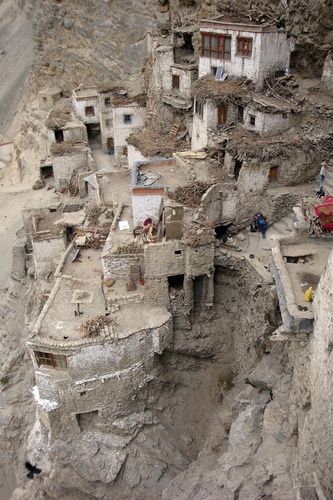
This is a Buddhist monastery, Phuktal, in Ladakh, India

Phuktal India1
Phuktal India2
Phuktal monastery Ladakh
Phuktal4

Here are some similar ideas, of housing complexes that no longer exist. They are further from the main idea, but still close enough that they say something to it.

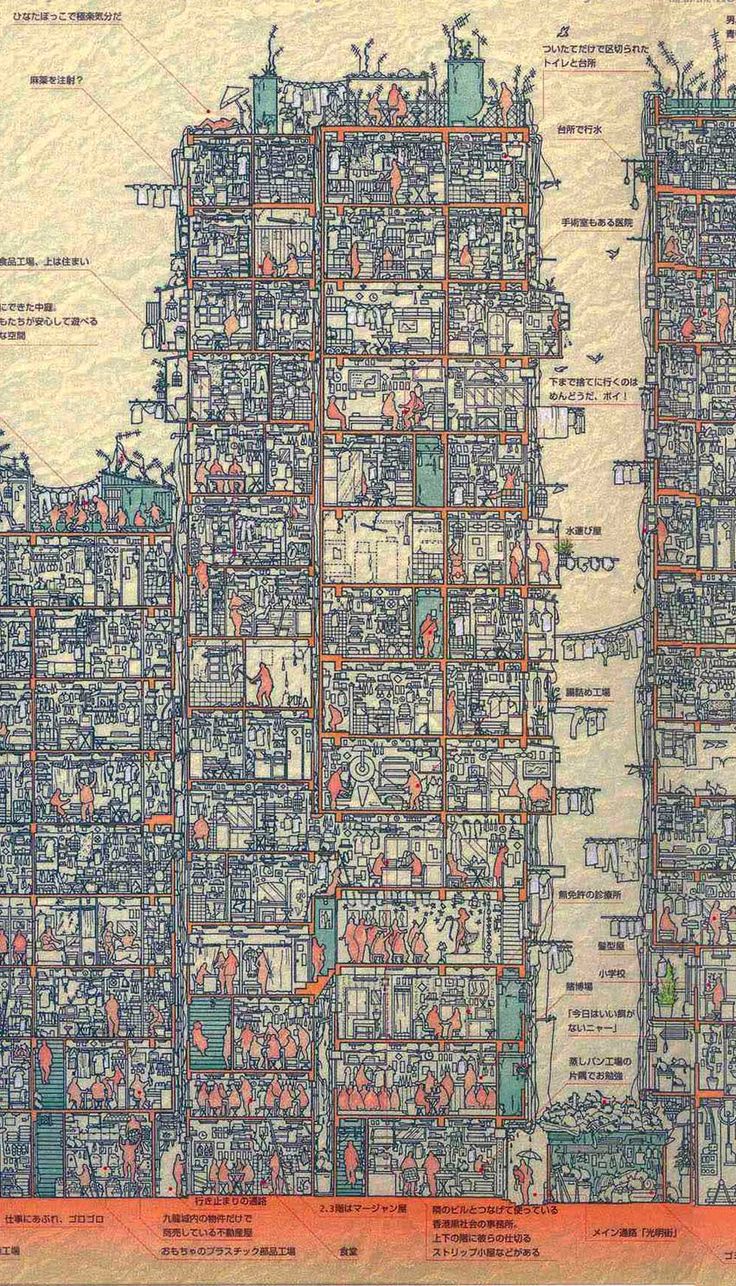
This is Kowloon Walled City, Hong Kong

Kowloon1
Kowloon China2

and this is Derinkuyu
Derinkuyu

How do you get home? What is it like to share walls and roofs with people? How well do you know them? Does living close create community? Or are people so close that they crave distance?

I like the ideas I’m reading about communal living, intentional communities, and cohousing.

I don’t think these are that at all. I think for most of these villages/towns they were unintentional – a lot of people wanted to live in the same place. Some had no choice – they were very poor and built wherever they could. Sharing a wall or a roof meant you didn’t have to build one. Some of these are very wealthy places – highly desired tourist destinations as well. Some are slums.

Yet they all share the same idea – shared houses, stacked on top of each other. No distinct roads or easy ways to get to your home.

How would you draw a map? How would you tell others how to get to your home?

Maybe that is part of the point – it is so hard to get there that you can get lost inside it, never worrying about people visiting you. You are hidden in plain sight. The very nature of it means that you have privacy, in a seemingly counter-intuitive way.

(All pictures are from Pinterest.)
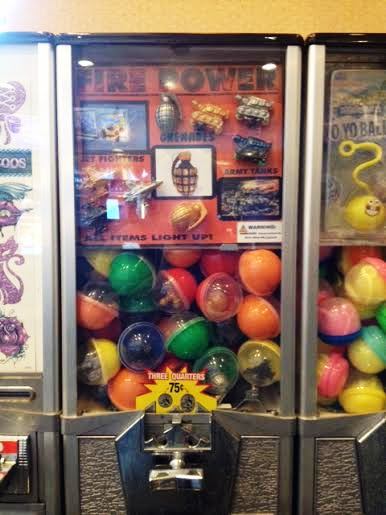
These are not toys.

I was at a movie theater recently and took a look at the toy dispensers. These are the ones that you put in a quarter (or three), turn the knob, and a plastic ball comes out with a toy inside.

The usual things were there – bouncy balls, cheap rings, stickers – and then there were these.

1

Here’s a closer shot.
2

Grenades. Army tanks. Jet fighters.

But wait – there’s more. There were two machines with questionable stock.

3

and closer-

4

Handcuffs and grenades.

These are marketed to children? These are supposed to be toys?

And we wonder why our children are violent.

We reap what we sow. We must be more mindful of what we teach our children to admire. If we give them weapons for toys, what will the harvest be? Who will they become?

Video games and real life

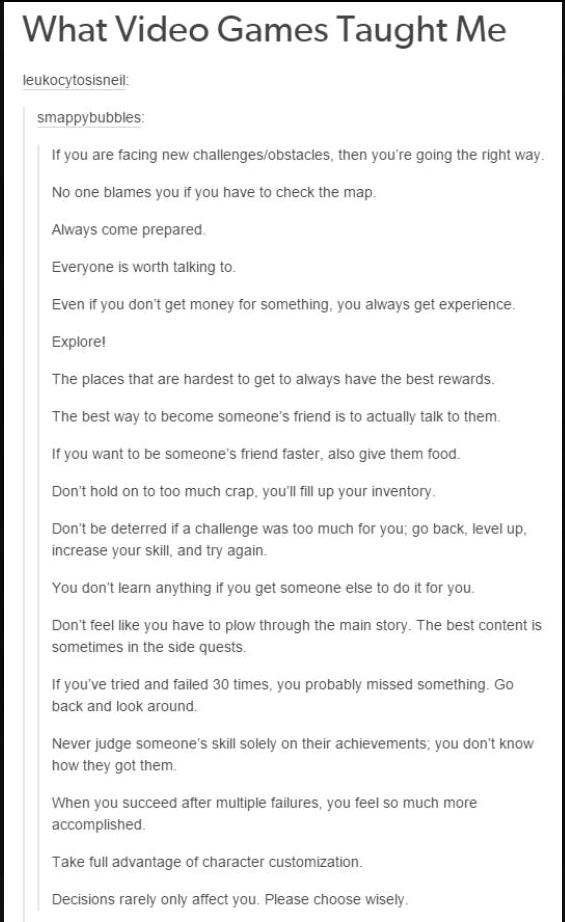
Sometimes the real world and the video game world have crossover. While it is said that art imitates life, sometimes life imitates art.

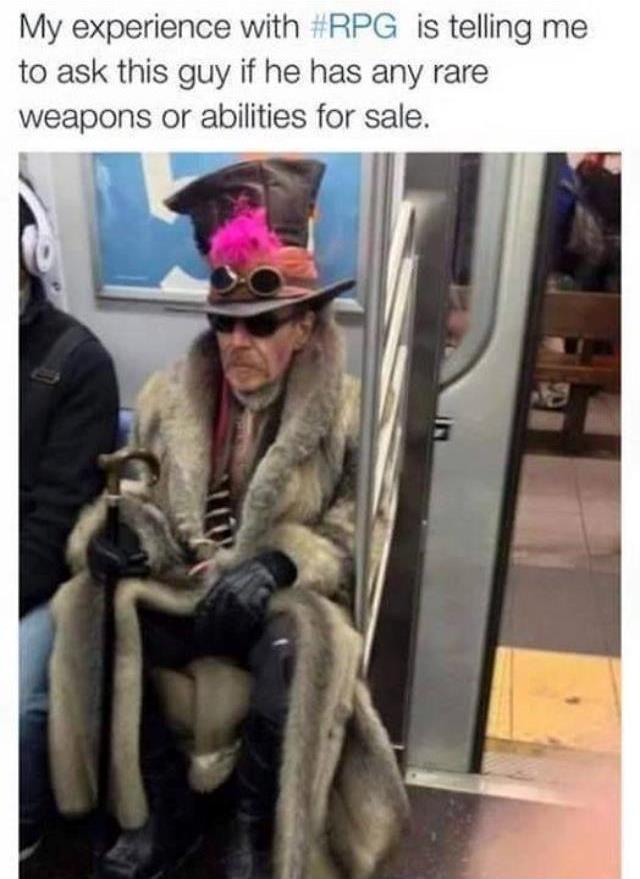
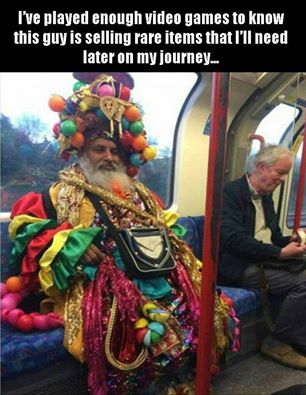
After playing role-playing games long enough, you might start to look at the real world differently.

game1

game3

13620101_874392279372129_368528936213701229_n

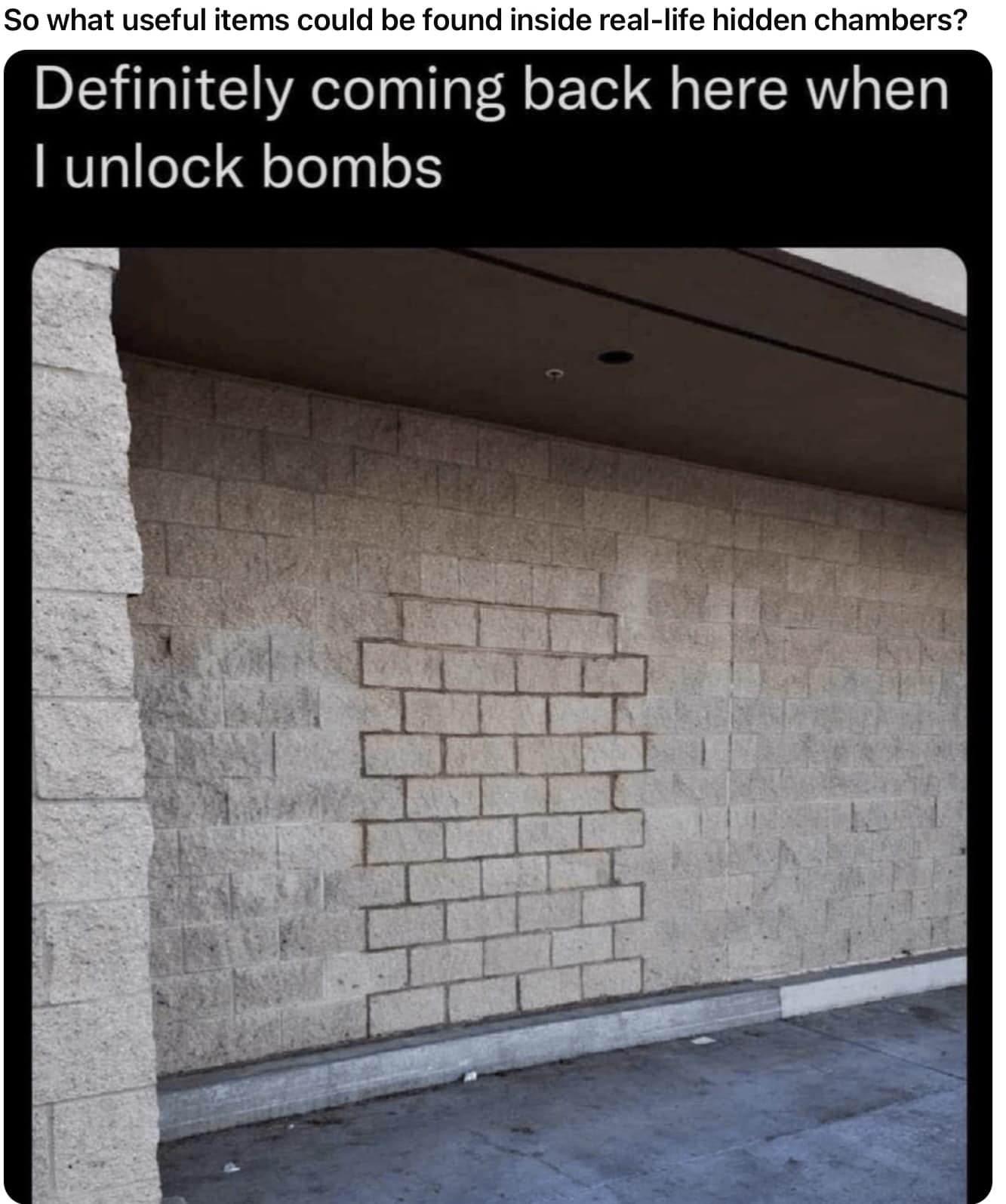
It may make you look at things more closely.

game7

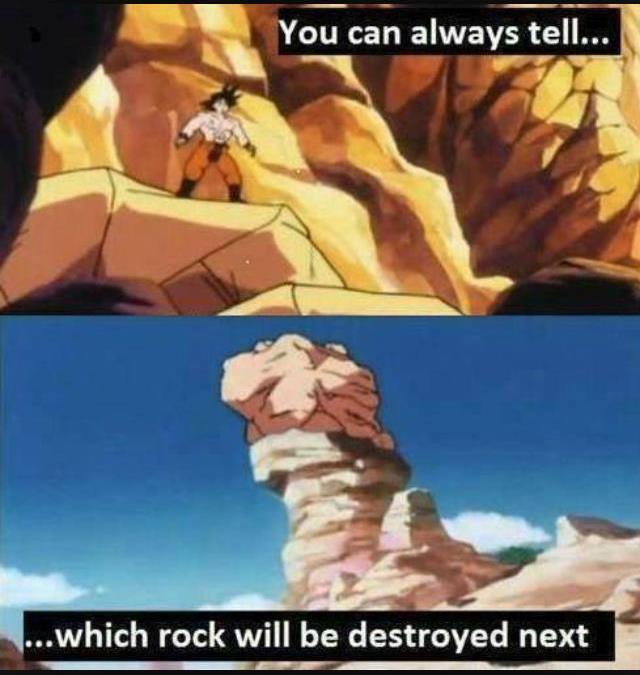
It may make you notice differences.
game5

game6
game11

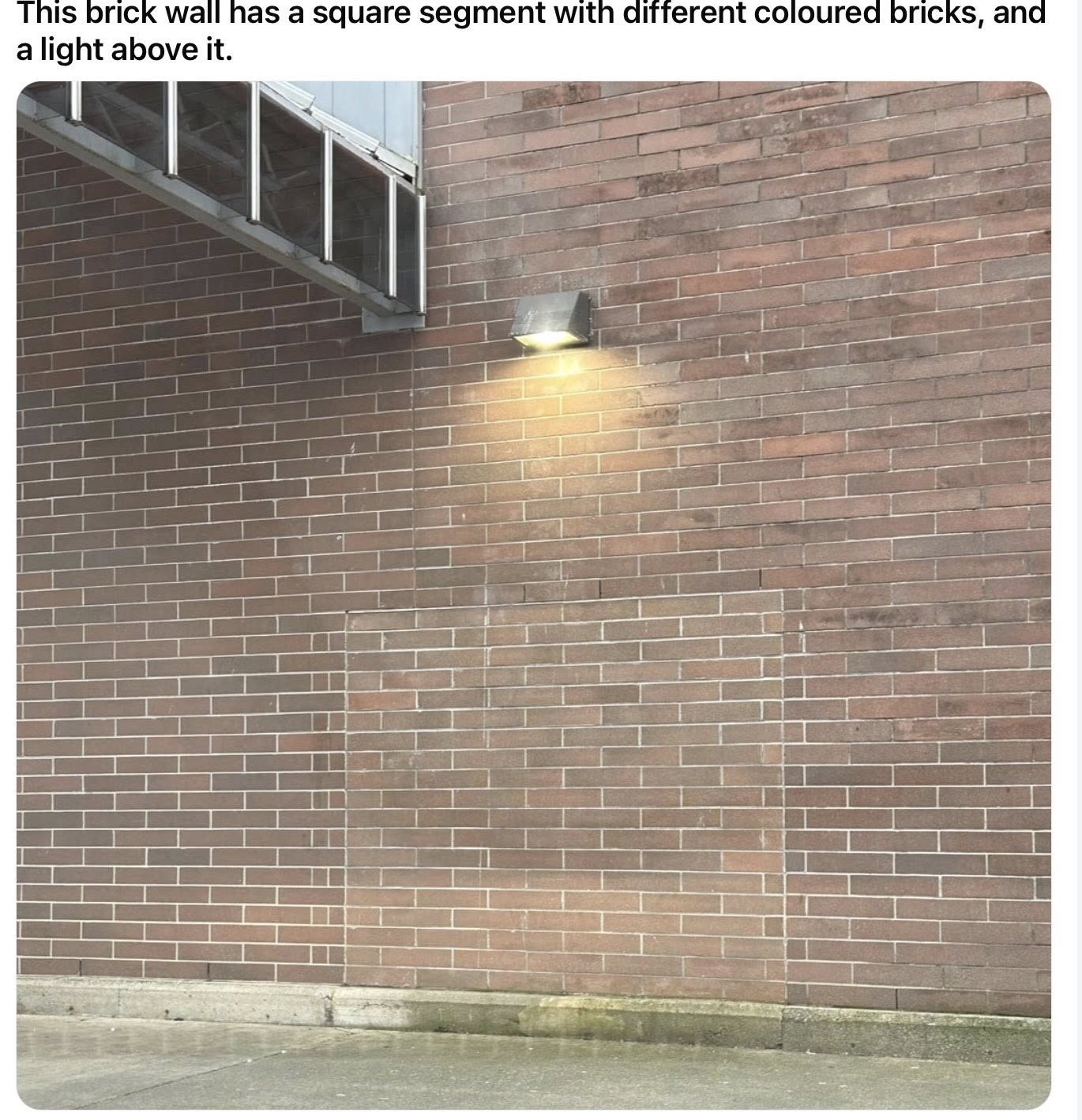
Here’s another weird wall – 

May be an image of text that says "This brick wall nas a square segment with different coloured bricks, and a light above ghtaboveit. it."

If you play a game known as “Grand Theft Auto” – you may be tempted to try for an “insane stunt bonus”.

game4
game10

But hopefully you’ll learn some valuable life lessons.
game2
game8
game9

Road Trip!

I was thinking about why I like to go on road trips – and particularly why I like to get road trip food.

When I was younger – say between the ages of five to ten, my parents would take us on trips to our grandparents. They lived about three hours south of us. Sometimes we would drive all the way to them, and sometimes we would go halfway and they would meet us, with one child or the other going back with the grandparents for a week, then to be traded out for the other child the next week. Every summer we got to spend a whole week, by ourselves, with our grandparents. Sometimes the whole family would visit, but the best trips were when I’d get my grandparents all to myself.

Visits there were magical. There would be a present under my pillow every morning. We’d sleep with the windows open (no central air there!) and listen to the mournful sounds of the trains in the distance. I could wander wherever I wanted in that new country that was their neighborhood, and I could do anything I wanted. I got whatever I asked for and more. Going there was a child’s fantasy.

While I enjoyed being there, the part that I seem to have kept with me the most is the road trip itself, and getting the road trip food. Why? It is still a fun thing even today.

I think part of it was because going on road trips was the longest my family would spend together. Going on those trips meant that nobody could storm away to their private oasis – the kitchen, their own bedroom, or lost inside their headphones, listening to music (this applied to my brother and my father). We weren’t close by any stretch, but being in the car for hours meant we had to at least try to get along. Closeness isn’t an automatic – it has to be worked on. You can’t work on it if you are all doing your own thing.

Going to the convenience store meant that this was a road trip – an adventure out of town. Going to the store meant that there was no doubt about it, something good was going to happen. This was not a usual trip. I think part of what I loved was that, unlike any other time, I was allowed to get whatever I wanted. This made going to that store much like being at my grandparent’s house – my opinion mattered for once.

I usually bought Willy Wonka candy – Everlasting Gobstoppers, Bottlecaps. Sometimes I’d get Nerds. I’d usually very colorful high-sugar items, and not chips or sodas. These days the default favorite snack for road trips is a Yoo-Hoo drink and Andy Capp’s Hot Fries. Sometimes I’ll add something in from the “chocolate food group” – maybe a Heath bar, in part for texture. This is what I would get at the beginning of the trip. Usually later on I’ll get some fruit drink (with no HFCS if possible) and some green tea – and sometimes I’ll mix them together.

Stuck

I had a boyfriend who was 20 when was 17. His birthday was coming up and he wanted to celebrate it with his parents at his house and he wanted me to come. However, this involved a trip across the country in a plane. We flew from Chattanooga to Seattle, and then drove to some little town about two hours away. I was stuck at his house, in his town, with his parents. I had no way out. I didn’t realize it at the time, but it became really obvious very soon that I was in trouble.

Having never made any moves on me before then, he attempted to have sex with me that very first night. I resisted and eventually managed to survive the week still a virgin. I broke up with him immediately upon returning home and didn’t speak with him for many years afterwards. He was deeply confused as to what had gone wrong. Even after I explained it to him he didn’t really understand.

I suspected something was wrong from the very beginning of the stay with his parents, when I was greeted by his parents at their house and his father was wearing only an undershirt and tight shorts. I was clued in to more when I learned that my boyfriend’s “rebel” earring wasn’t rebellious at all – his dad had one, and his brother had one. I also figured out that something was wrong when his parents matter-of-factly put my luggage and his luggage in the same room.

The alarm bells kept going off – there was a lot of smoke, but I didn’t have an escape plan. Worse, I’d been taught to ignore these alarm bells by the very people who should have taught me better.

What were the alarm bells? My parents would have never greeted a guest wearing their underwear. They would never even be seen in front of anyone, even family, like that unless they were sick. They certainly wouldn’t have put a non-married couple in the same room together, and much less if one person was a teenager.

For his parents to treat me like that was a warning that I was not in a “normal” house – and I certainly wasn’t safe. He proceeded to try to “pick my locks” as the Pink Floyd song goes every night that week, and I was terrified.

How could I leave? I had no car. I had no spare money. He had the tickets – he’d bought them.

Perhaps I could have called home and gotten my parents to wire me money for a new plane ticket – to leave right away. Perhaps I could have gotten a taxi and just left.

I didn’t. I felt trapped, and I had no frame of reference for this kind of behavior. I had no way of knowing how to act.

But in a way I did. My brother abused me in many ways throughout my childhood, and my parents did nothing. He beat me and stole from me and when I told them they didn’t make it better. They didn’t punish him at all. He eventually became a full-blown narcissistic psychopath, and they didn’t nip this in the bud. He learned early on that he could get away with manipulating people any way he wanted. He learned early on that he could treat people like things and get away with it. Since my parents didn’t defend me, I learned to be passive. This was how I was supposed to be treated, apparently.

My trips to the dentist as a child also taught me passivity. He didn’t use anesthesia because he thought the needle would scare me. I learned that pain was to be endured, especially pain at the hands of an authority figure. My parents were paying for it, so this must be normal. Suck it up.

While I’m angry at myself for not standing up and defending myself, I also have to forgive myself. I didn’t know better. I wasn’t taught well. I learned to accept bad behavior quietly until I could find a way to remove myself safely. I’m angry at them for not teaching me how to take care of myself at all. I’m angry at them for their ineptness. But I also need to remember that they, like all parents, are amateurs.

I went to a therapist once who thought I should just hang out in the “angry” place and not forgive or excuse bad behavior, but it isn’t that simple. Emotions aren’t just one or another, but a range of them. I can be angry and forgive at the same time. I can understand and empathize, but also be sad at people’s bad choices.

While I think that boyfriend and my family “should” have known better, I’m putting my value system on them. I’m forgetting that they don’t have to do things my way. I’m forgetting that they have their own ways of doing things, and if I feel that they are wrong – for me – then I must get away from them. They don’t have to stop doing what they are doing – they just have to stop doing them to me. Their actions are their own, and the consequences of their actions are their own.

This all reminds me of how nobody told me how to use the brakes on a bike when they taught me to ride. I got very badly hurt, and it was totally avoidable.

What is a friend?

Friends share their lives with each other. Friends make time for each other. Friends tell each other what is going on in their lives in person and not on social media. If you find out that something big happened to a friend of yours on social media, then they aren’t really your friend.

Friends are people who tell you when they are in the hospital so you can visit them. Friends are people who visit you when you’re in the hospital. I don’t mean people who say they’re going to, but those who actually visit. Friends are people who when you are home recuperating will bring you food or come and entertain you.

Actions speak louder than words. Promises mean nothing if they aren’t fulfilled. Friends follow through.

Friends are people who tell you when they are going to get married or when their children get married. Friends tell you when they are going to get divorced, too. This is about sharing the big details of your life with them.

As was wisely said to me once – Trouble shared halves it, joy shared doubles it. Friends share both with each other, and it is mutual and even. If one person is only sharing the bad things, then it isn’t a healthy relationship. That is too much for a friend to carry. That person needs a therapist or a counselor, not a friend. If a person only shares the good things and not the hard things, it means they don’t trust their friend to help them with it. There has to be a balance of good and bad from both people for it to be a healthy friendship.

Friends are people who invite you to events. If they are constantly hanging out with other people and never with you then they are not your friend, even if they say they are. If you are always the one who calls or makes arrangements for lunch dates or outings, even if the other person seems happy to be there, then you really aren’t friends.

It is very strange for a friend to not invite you to events and then ask “Why don’t we see you anymore?” This is especially true if she is sharing those events with mutual friends and then posting them on social media where you will see it. If you want to see someone, you include them. You think about their feelings and not make them feel excluded.

Friends are people who are comfortable enough with you to disagree with you, but not all the time. Someone who disagrees all the time is disagreeable. However it also isn’t okay to have someone who’s constantly agreeing. You want someone who is comfortable expressing their opinion and is willing to correct you when you are wrong.

Friends stick with you when times get tough, such as when your parents or your spouse dies. Even if they have never been through something that hard, they still contact you and ask to visit. When someone is going through something that hard, they need their friends even more. Losing your parents and your friends at the same time is very hard.

Waitress or whore?

Your server is not your servant. The person who brings your food to you shouldn’t have to grovel. I have heard of people who will put out twenty one dollar bills on the table and tell the waitress that if she performs to their happiness this will be her tip. Every time something doesn’t happen the way they think it should happen, they take a dollar away. They think they’re encouraging good service, but they are really simply promoting servitude.

When you go to a restaurant you have not hired someone to be your slave for the evening. If you want that kind of attention then you need to hire a butler or a prostitute. When you go to a restaurant, there are at least 20 other people the server has to wait on. You are not her only customer. It is not the waitress’ fault if the cooks are slow. It isn’t her fault if the food does not taste like you wanted it to. It is not her fault if the cooks mis-read the order and gave you the wrong thing. Don’t punish her for things that she has no control over.

Heck, don’t punish her at all. Remember that “treat others like you would like to be treated” thing? If you want to see how someone really is, watch how they treat the server at a restaurant. How they treat someone who can’t defend themselves says a lot about them. Don’t be that person. Treat the server as if she is your daughter. Be kind to her.

Ideally, we wouldn’t have a tip system for servers. They’d be paid a good wage to start off with. They wouldn’t have to do extra to get paid. The way the current system is set up, they are paid below minimum wage and they have to get tips to make up the difference. Tips aren’t extra. They are everything. Until that changes, you can make it easier on your server by just tipping well and not expecting her to do tricks for you.

Starter marriages

So many people seem to have starter marriages, the same way that people will get starter homes. When you have a starter home, you have it with the idea that when things change, you accumulate too much stuff, or when you have a child, you’ll get a bigger home. It’s what you can handle and afford at the time but you understand that you could always sell it and get another one.

People have marriages in the same way these days. When they get to be too big or too much they get divorced and move on.

What about the marriage vows? What about the idea on ‘till death do us part’? What about ‘for richer or for poorer’? What about ‘in sickness and in health’? Maybe people can’t handle the “poorer and sickness” parts, and were hoping they’d luck out and get the “richer and healthy” part. It is a package deal, and a crapshoot. You get both, in unequal proportions.

These vows – which are made in front of friends and family and sometimes a minister – don’t seem to mean anything anymore. These are legally binding vows. There’s a document that is signed for the state as well. This is a legal contract.

Perhaps what people mean is that they say “I’ll stick with you as long as things are good. I’ll stick with you as long as you suit my purposes. I’ll stick with you as long as I like you.”

Marriages aren’t about convenience or comfort. Marriages are about committing for the long haul. The other person may drive you completely up the wall but that doesn’t mean that you get to get divorced. The bliss that you have at the beginning of your marriage doesn’t last long. What do you do after that fades?

I’m not quite sure about people who get divorces. Now if you’re on the receiving end of a divorce that’s different. If your spouse initiates it and will not reconcile you don’t have much of a choice. But if you initiate then what do your vows really mean? How can you be trusted to say you’ll do anything? If you can’t honor your wedding vow, then why can you be trusted at work? Why trust you with a home loan? What does your word mean?

Marriage is kind of like buying a present with someone and you’re drawn to the pretty wrapping paper. But once you open the box and start looking inside, you realize that it’s a machine that has a bunch of pieces. They are all jumbled loose in the box, and there’s no instruction manual. You have to figure out how to put it together along with the other person. You both are pulling out pieces and you’re wondering how they go together to make this machine work, this machine called marriage. Since you both come from different backgrounds you both have different ideas about what parts go where and what parts are more important than other ones. But you still both have to work on this thing to make it go. You can’t just throw it away once it gets difficult. You can’t just keep looking at the pretty wrapping paper and wondering why it doesn’t match this difficult thing that is on the inside.

Asperger’s and social blindness

I know a lady who has a son who appears to have a case of Asperger’s. She refuses to even consider the idea. She just thinks that he is annoying and needs to be told to be quiet. She and his stepfather have noticed that all of his friends are younger than he is, and he has a hard time fitting in. He will talk endlessly about his own interests and not know how to interact with other people in a meaningful way. He acts a lot younger than he is and it is very difficult to be around him. They think they are doing him a favor by letting him be around their adult friends. They don’t get that it isn’t a favor to their friends.

I’ve spoken with her often about him. She believes that to take him to get assessed or get treatment is to say that there is something wrong with him. She doesn’t want the stigma of a developmental disorder attached to him. She’d rather him suffer, and for everyone around him to suffer, than for him to get help.

Think of it this way. What if he had vision problems? Rather than admitting that he has low vision, she’d rather let him bump into everything and get hurt. When he got older, he’d try to drive and cause accidents because he can’t see properly. Asperger’s is like social blindness. He bumps into people. He bumps into social rules. Getting treatment for him would be the same as getting glasses.

In fact it would be better than getting glasses because people see you wearing glasses. There is a stigma there. It is obvious. Getting treatment for Asperger’s is even better than wearing glasses. If he has counseling to learn how to interact with other people in a healthy way, then the only thing people will notice is that he’s not bumping into people anymore.

Life change cake

Yesterday was the icing on the cake. I don’t know where the cherry is. And if yesterday was the icing, then I don’t know if that means the cherry is good or bad.

The cake is a multi layer cake.

One layer is made up of a car dying and having to buy new car. I’d paid it off and become very fond of it. It was cute and familiar. I wasn’t planning on buying a new car. For a while we had two car payments, and I was grateful to not have any. I was using the extra money to pay off the mortgage sooner. But I have to have a reliable car, and one that won’t start isn’t acceptable, especially when the dealership can’t even tell me what was causing the problem. Since they didn’t know, they couldn’t fix it. They got it running, for another day, and then it wouldn’t start. I’m grateful that it failed to start while I was at home – so I wasn’t stranded doing errands or at work.

Another layer is finding out that I’m being transferred to another branch a week later. I’ve worked at the same place for almost 15 years. That’s a third of my life. I created the order and routine of the branch I came from. It’s a huge loss to have to go somewhere else. I’m grateful it is close to my home and in a safe neighborhood.

Another layer is the loss of my normal schedule. Because this other library is on an opposite schedule of opening and closing I can’t go to my exercise class like I used to. All the people that I knew at work and at working out are gone to me.

I might as well have moved to another country for the amount of loss that I am experiencing. It would’ve helped if the other branch had even welcomed me. But there was no welcoming note, no welcoming words, not even my desk was cleaned off. It was like it was a catchall for debris. I hate being the only person who is sensitive to other people’s feelings who thinks about how hard things are and is considerate so that they feel welcome and included. I hate feeling so deeply.

Adding to that is that I’m at a place that has three people, and only two do the work. The manager sits in his office and types at his computer, only coming out of his office to go to lunch or yell at the kids when they are loud. I’d love to have a job where I could get paid, yet do my own work (like write books) for 8 hours a day, like he has. But then I’d feel that I’d feel guilty about it, because I know that I’m not doing my real job.

I was reading Proverbs this morning and came across some parts that are applicable. (All translations are HCSB)

Proverbs 3:5 “Trust in the LORD with all your heart, and do not rely on your own understanding;”
To me, this means that I don’t need to worry about this. To rely upon my own understanding is to say that I’m wiser than God. Ultimately it would mean that I’m setting myself up as an idol. The height of idolatry is to worship yourself. Sadly, a lot of today’s new religious leaders are saying just that. I’ll go further into that another day.

Proverbs 3:31 “Don’t envy a violent man or choose any of his ways;”
I’m taking this to mean more than just violent. I’m taking it to mean someone who shirks his responsibility. I should do my job and not follow the way of someone who isn’t doing his, as I know it to be bad. However, I won’t do extra or wipe myself out to get it all done, either. If I do more than my share, it will not be obvious that he’s not doing his. Upper management knows what is happening but they aren’t doing anything about it. I don’t know why, but I have to trust that God is in charge.

And then I read this, and it confirmed my feelings.
Proverbs 3:35 “The wise will inherit honor, but He holds up fools to dishonor.”

It doesn’t make it a lot easier. I still have to figure out how to live with this situation. I’ve spent a lot of my life with similar bosses.

Jesus teaches us that the best boss is also a worker. When he washed the feet of his disciples, he was teaching them that they needed to lower themselves from thinking they were above everybody. He was teaching them that they had to see themselves as equals. Everybody has to do “the dirty work”.

Sadly, many managers, even ones that are Christian, don’t seem to get this. It draws resentment upon them. Even if they are paid more, they aren’t respected more. I knew a lady who retired after 40 years of “work” and not one of her employees attended her retirement party. There were a lot of people there, but they were her friends – nobody she had worked with or “managed”. Sure, she got paid more than her employees, but she was overdrawn in the respect department.

I’d rather be paid in respect. I’d rather be paid in knowing that I did my best, rather than cheating the system. I’d rather know that the money I make I made honestly.