The outside room

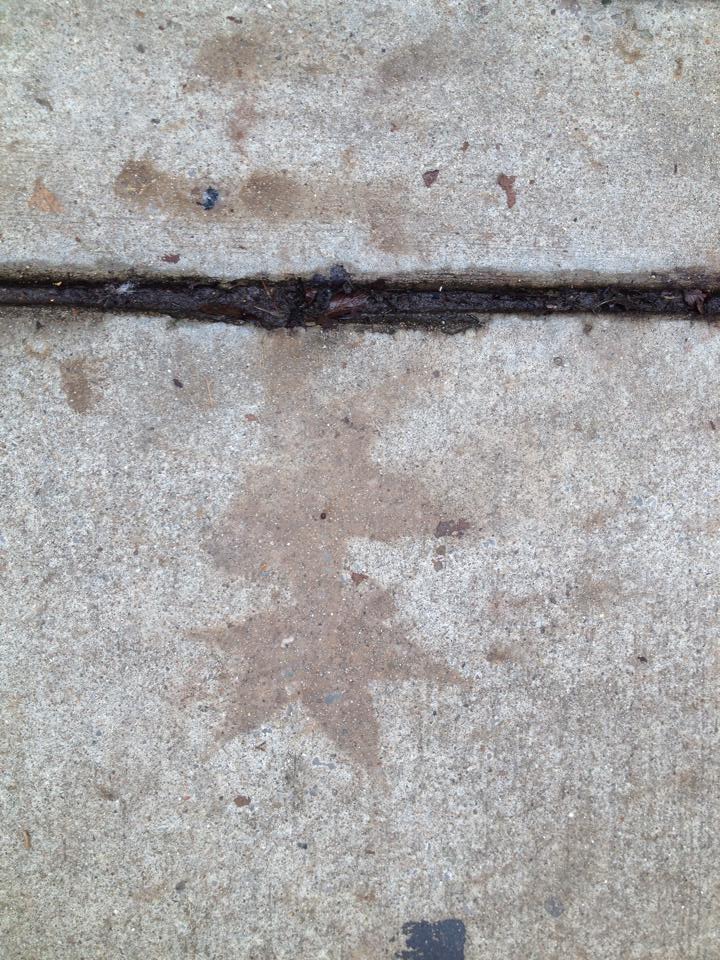
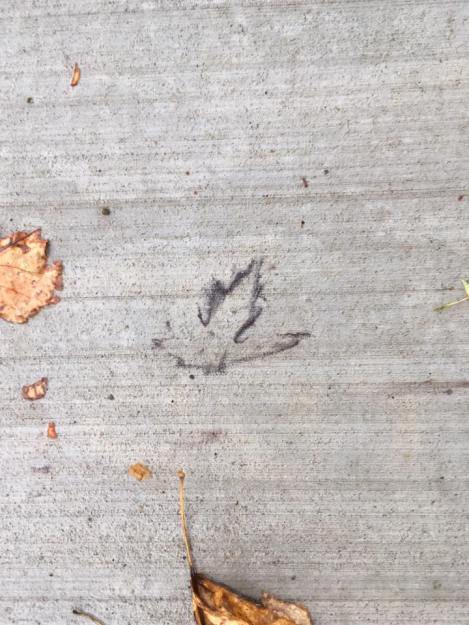
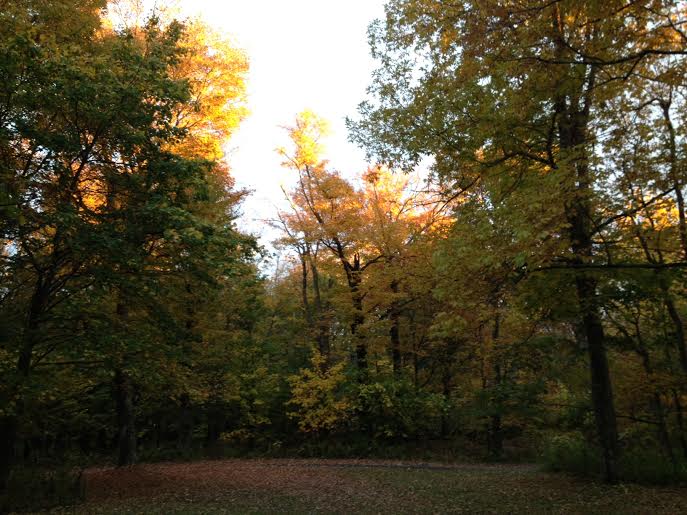
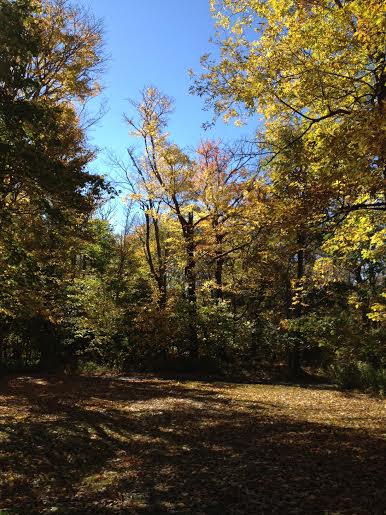
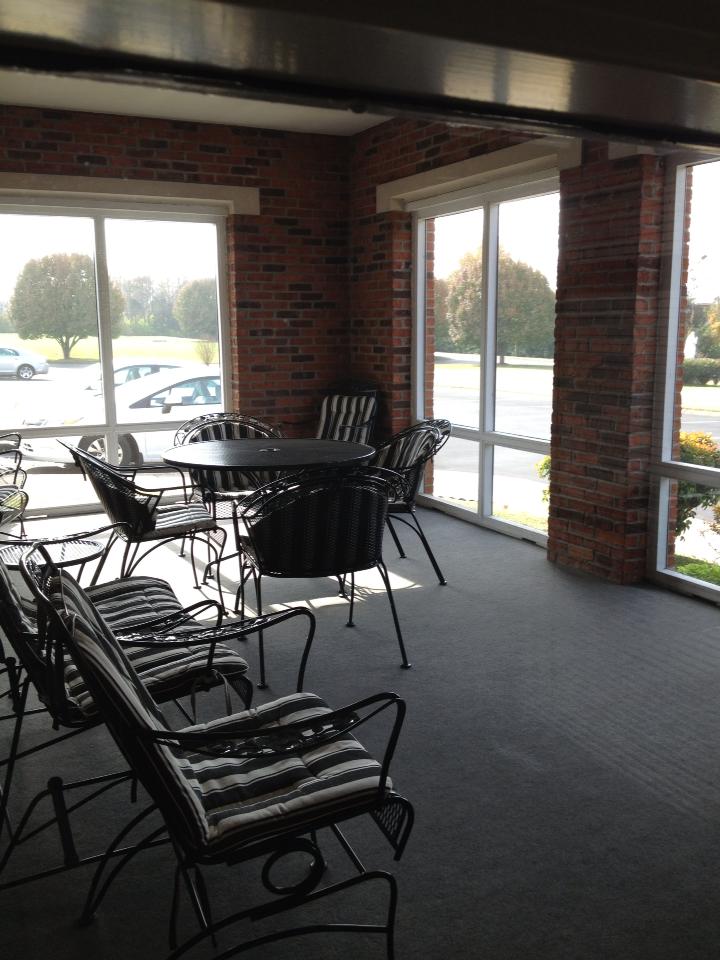
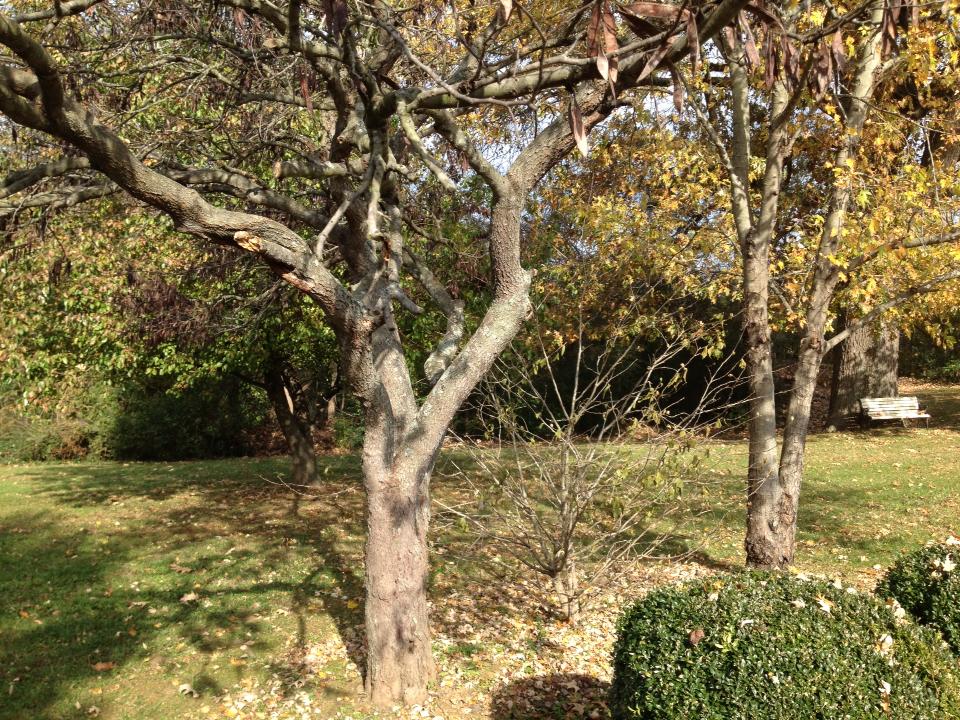
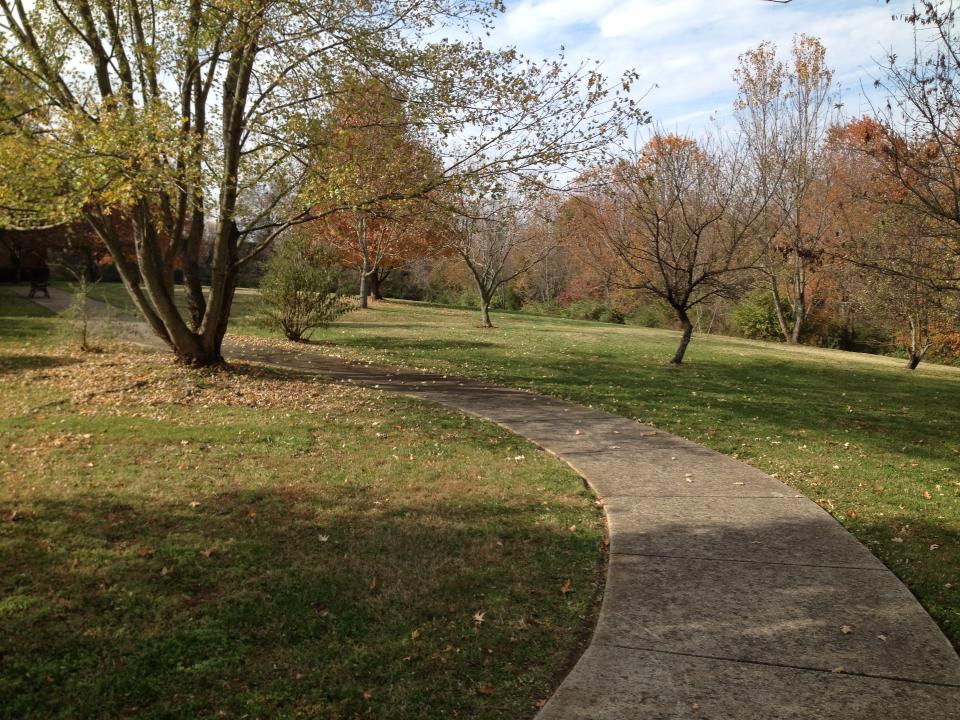
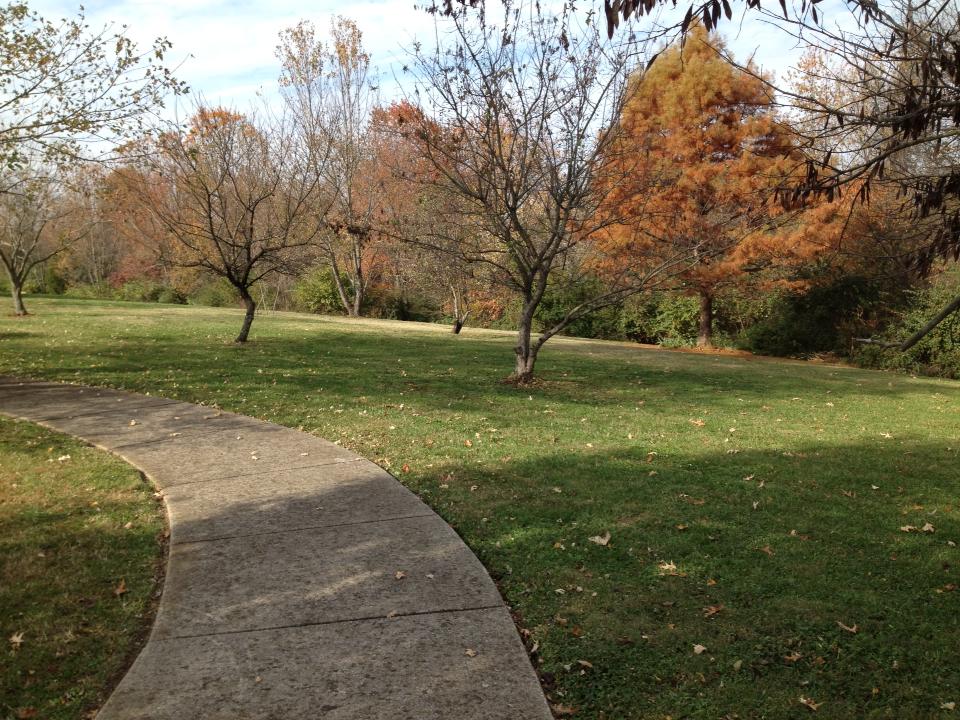
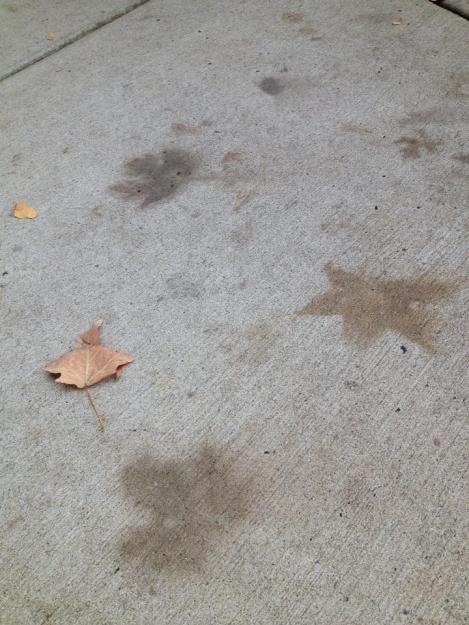
I found this unusual “room” at a nearby hospital. I’ve gone there for years because I have a doctor who has his office there. Once a year I go in, always in November. I’ve come to look forward to going at that time because of the “ghosts of leaves” that decorate the sidewalks. It is the wonderful and amazing combination of falling leaves and autumn rain that makes this temporary magic.

10

9

12

11

I usually do very little exploring in that building because I have to get back to work quickly. This time I had quite a bit of time to spare so I went to look around. I’m glad I’ve started asking for more time off when I schedule doctor’s visits so I’m not rushed. That certainly helps my overall health.

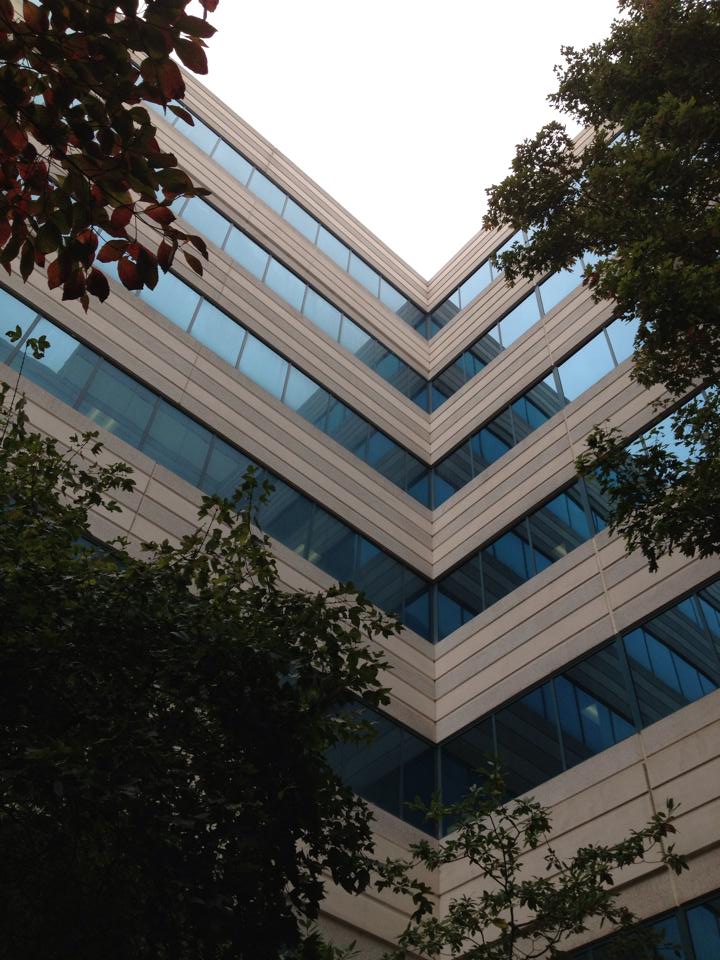
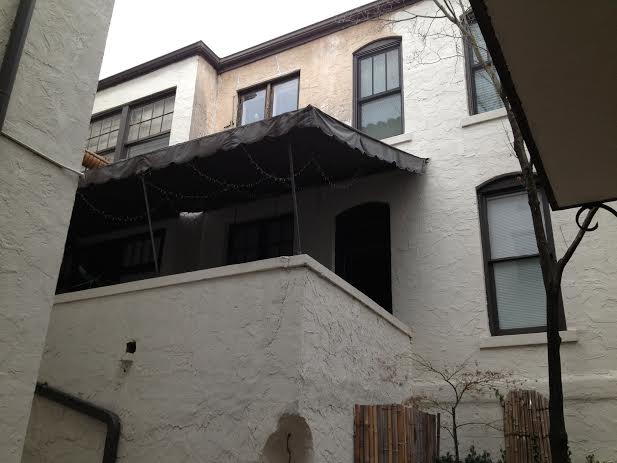
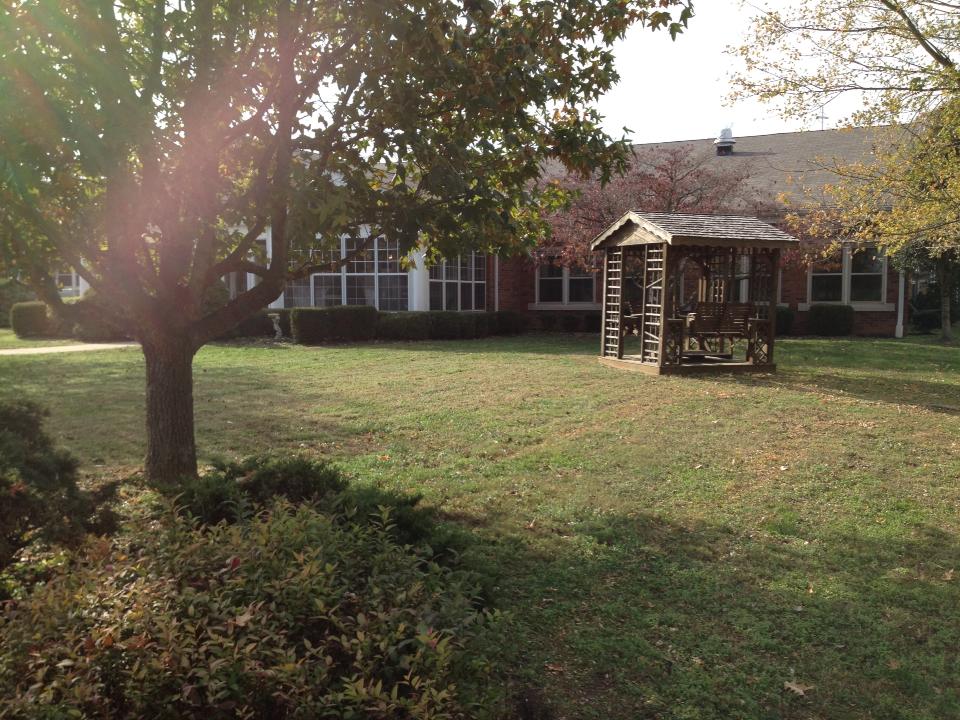
I looked down from the window in the hallway on the sixth floor where the office is. I saw trees – and not in a place I would expect. They were surrounded by the rest of the building. It was a tiny enclosed courtyard. I had to go find it.

I went downstairs to the entrance lobby and looked around. The courtyard I was looking for was behind a little café that sold coffee and melted sandwiches. There were plenty of windows around it. It was perfectly visible from the entrance that I’d come in for years. Somehow I’d never set my eyes to look that way, or at that distance. Just goes to show there are plenty of treasures that are around if you have your eyes open. I’d only been looking for one thing (my doctor’s office) and missed this. The café looked interesting too. It might be a nice place to come on a non-doctor’s-visit kind of day and enjoy lunch.

I’ve long thought I should go here on my day off and write, or maybe even sketch the people who are waiting for their lab results in the lobby. There are a lot of padded benches here and a lot of light. I’m not sure why I haven’t done this yet. There is free parking and this isn’t far from my home. Perhaps I’m concerned someone will challenge me because I’m not here for an official reason. They might think it is odd that I’m just hanging out. This is another thing I’m working on – trying to not worry so much about breaking rules that aren’t rules. Sometimes I make more limits than I should.

I went towards the door that let out onto the patio. I pulled on the door – it opened. Good. Then my concern was that the door might not allow re-entry. I checked it and it seemed like it would be fine. I then looked to see how far away the café was – it was close enough I could bang on the windows to get their attention.

And then I went out. And I saw this.

5

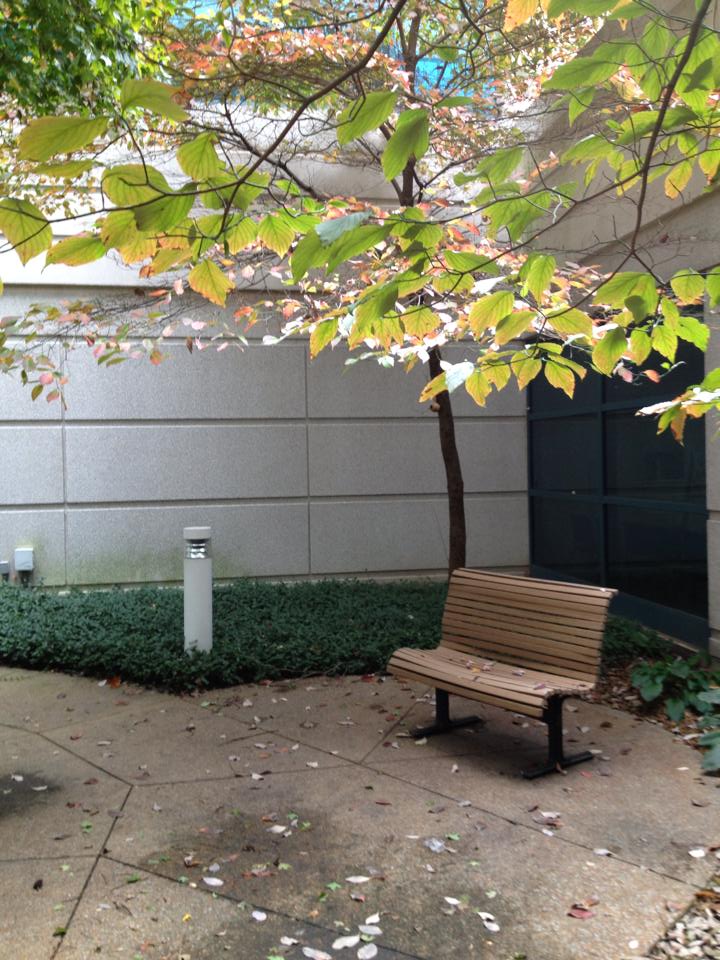
A tiny little park enclosed in a building. With benches.
4

It is open to the sky.

2

There are birdhouses and birdfeeders here. I saw two bags of birdfeed against a wall. Someone tends this little place.

1

3

Is it outside, or inside, or both? Is it a room?

When I came back out I asked at the café if that door was always open. The lady said she thought it was, and commented that almost nobody went out there. She thought they should put a table out there and I discouraged that idea. More clutter. It would make it more artificial out there. It would upset the balance of man-made and natural. I think it is good the way it is. The little lights are a bit disturbing, but they might be really nice at night.

Then I got their hours and took pictures of the menu, as a further enticement to make a date with myself to go out here.


Here are more “ghosts of leaves” from an earlier visit.
g3g4g2g1


Here are some from Thursday, 10-20-16, in Old Hickory.

g1g2g3g4

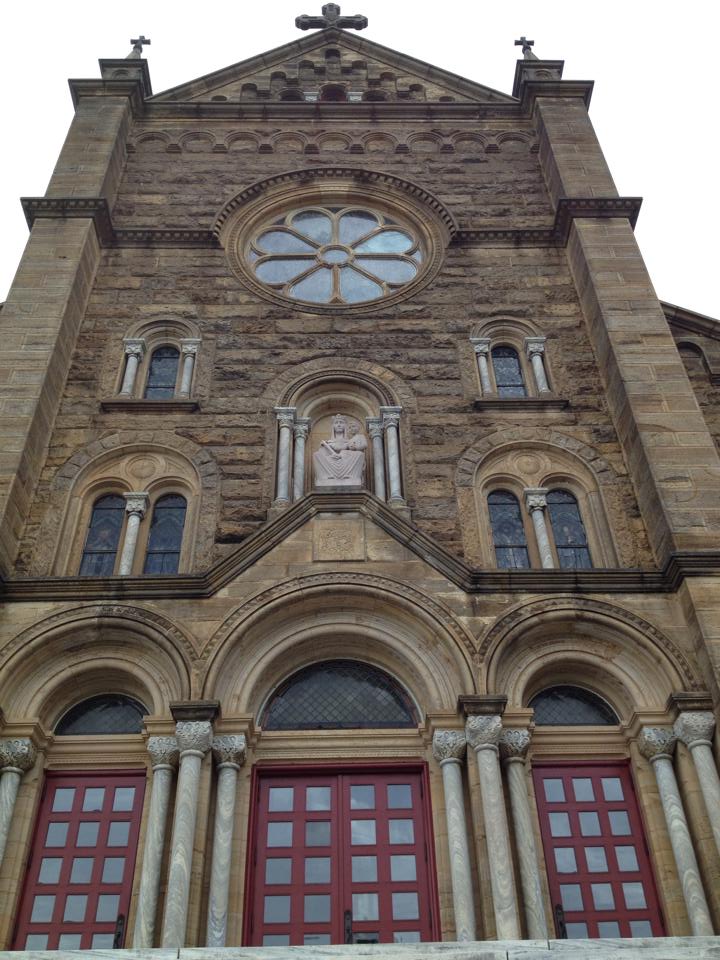
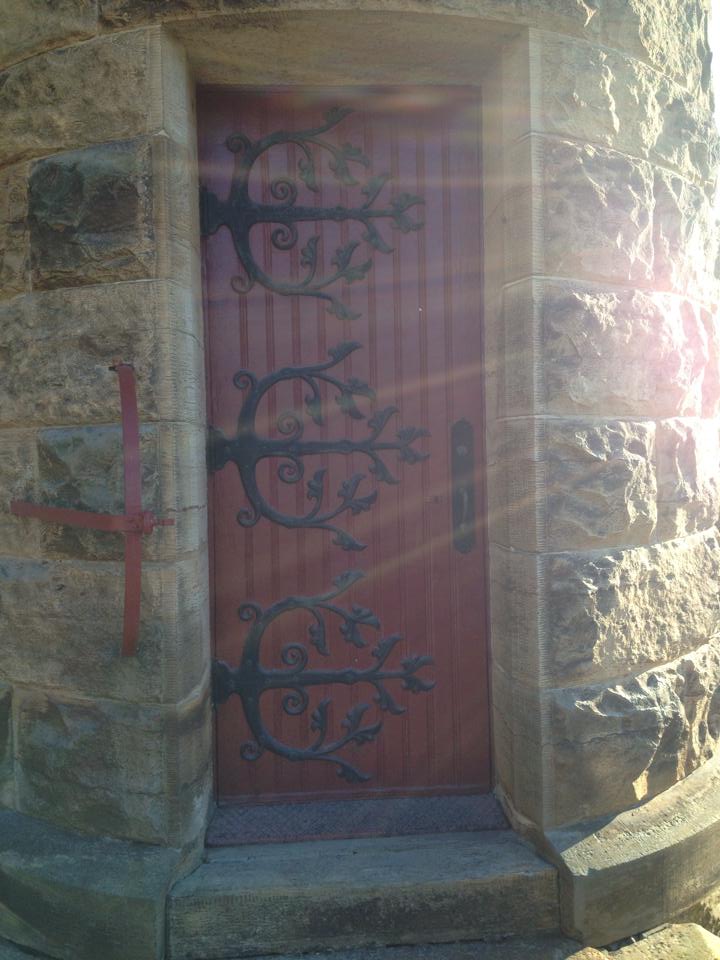
The red doors of St. Meinrad’s Archabbey

Red is a common color for doors in liturgical Christian churches. It is a symbol of the Holy Spirit, the fire and spark of God that animates all things. Interestingly, red is also the color that Tibetan Buddhists use to mark its buildings that have a statue of Buddha in it, as well as the color of the robes for their monks – for the very same reason. Red is a symbol of the Divine presence within. Red is also the color of Torii gates in the Shinto faith tradition. They are used to mark spiritual gateways, to indicate that beyond them is a holy place. It can also be described as being a visible symbol of the Presence of God, or as Jews would say, the Shekinah.

These were taken late September 2015 in St. Meinrad, Indiana, at the Archabbey and the seminary.

1

abbey

abbey2

door

private

The front of the Archabbey with the three sets of red doors.
front1

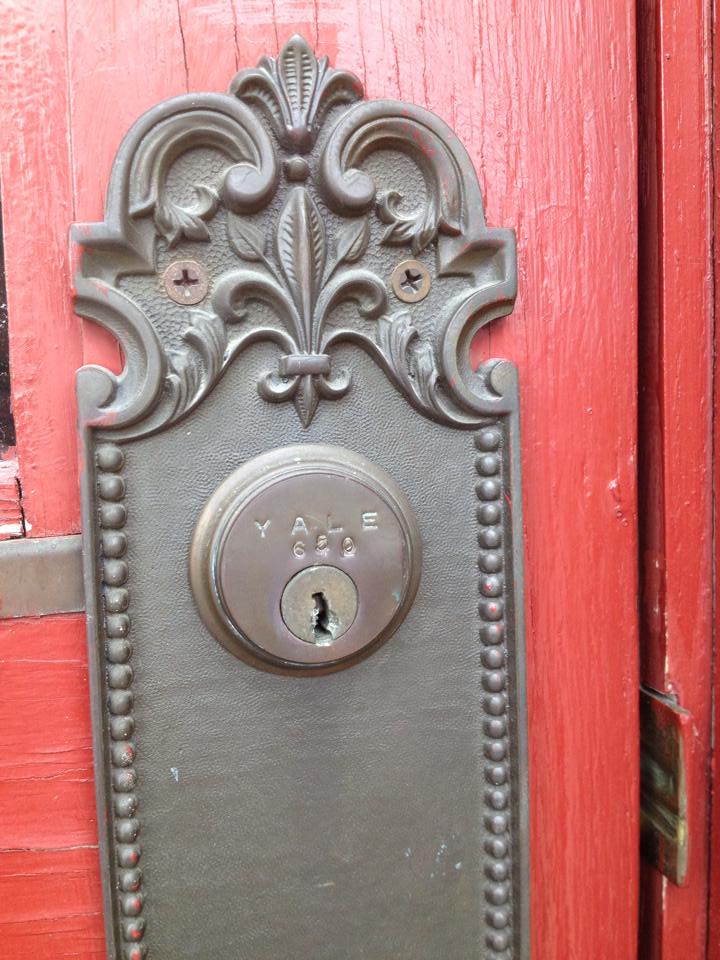
A closeup of the Yale lock on one of those doors, with the red paint better visible.
yale

Pictures from St. Meinrad’s monastery – the Abbey. September 2015

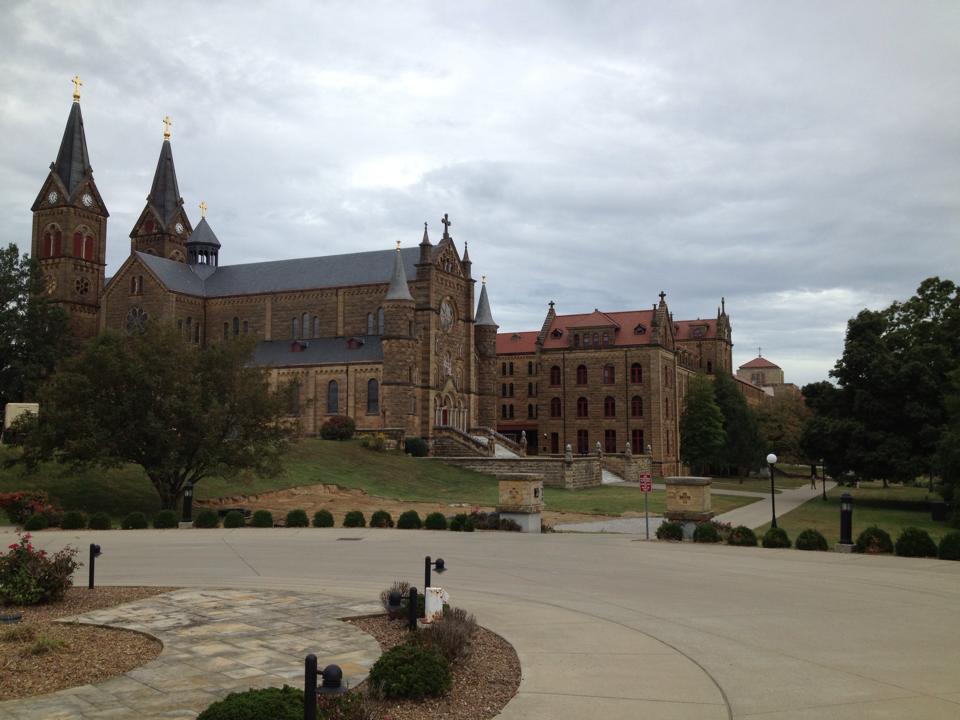
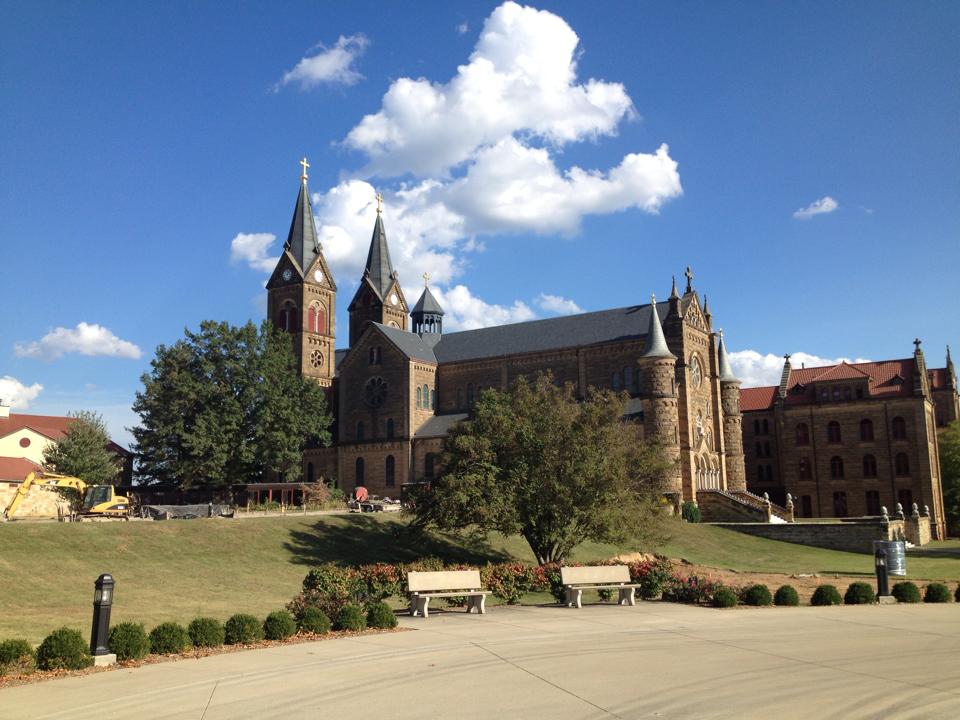
Outside. Looks like Hogwarts. The building to the right is the seminary.
Abbey outside<a>

Stained glass inside. The tree with the forbidden fruit becomes the cross that Jesus is crucified on in atonement for our sins.
adamcross

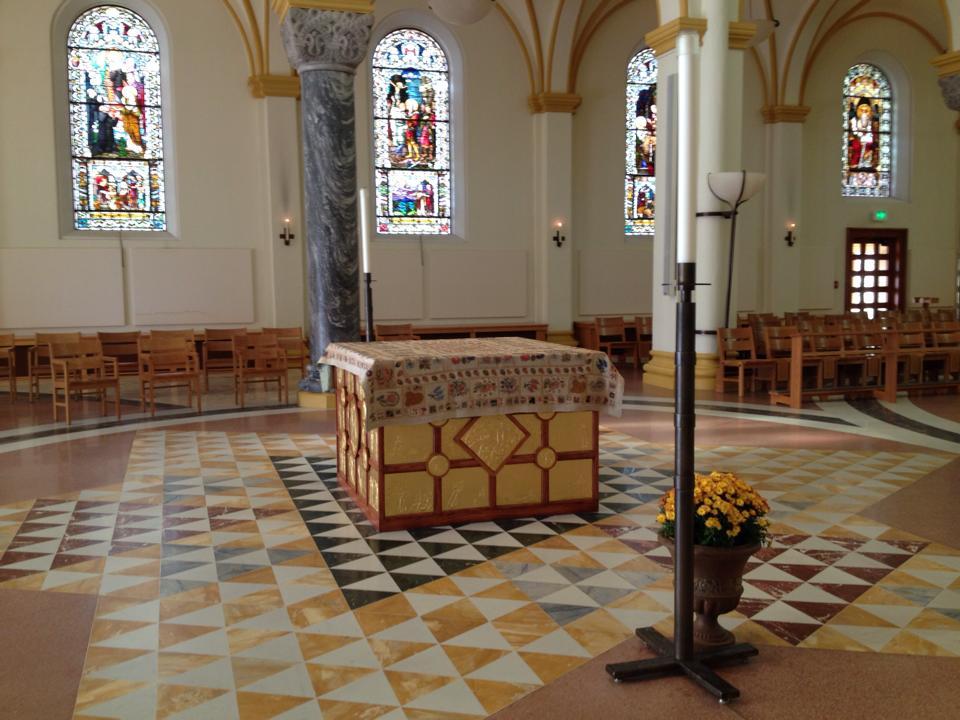
The altar, set out in the middle, amongst the people, rather than far away and separate from them. Note the two large candle holders. Two candles represent the Old Testament and the Gospels – and are also reminiscent of the two candles used at the head and foot of a dead body lying in state.
altar

Another picture of the altar. Note the really unusual Christus painting on the back wall. It is all in black.
altar1

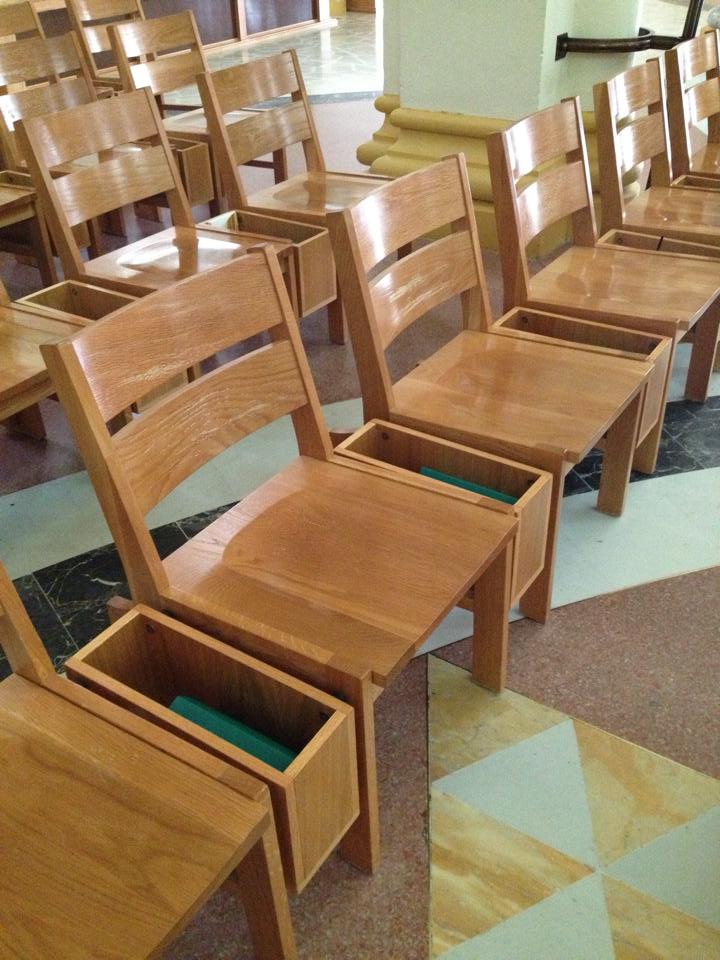
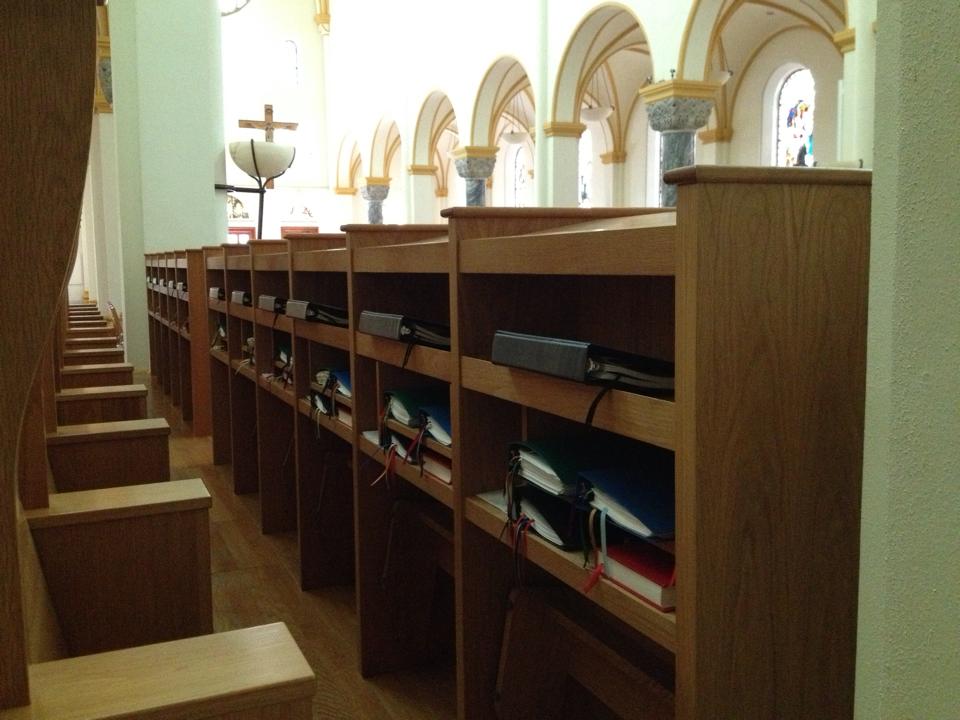
Where the laity sit. Note the small amount of informational books to help you follow along.
congregation pews

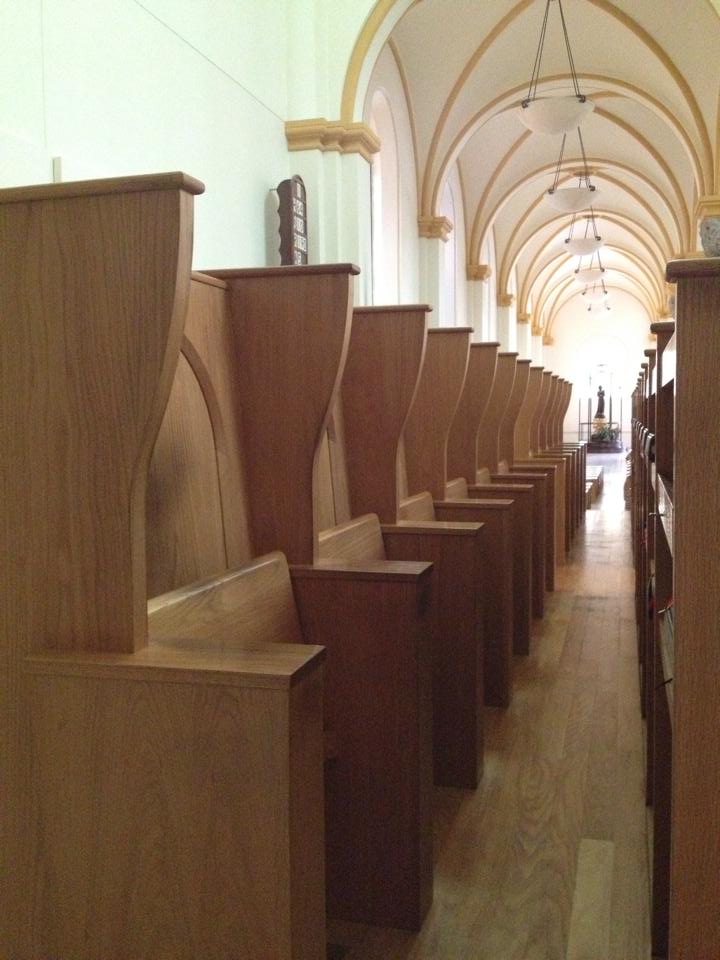
Where the monks sit. Solid, with slight dividers. This way they pray together, but also have some privacy.
monk pews2

Note the vast amount of informational books here for the monks. You’d think they wouldn’t need it more than the laity.
monk pews

The flying cross
cross

The cross
cross2

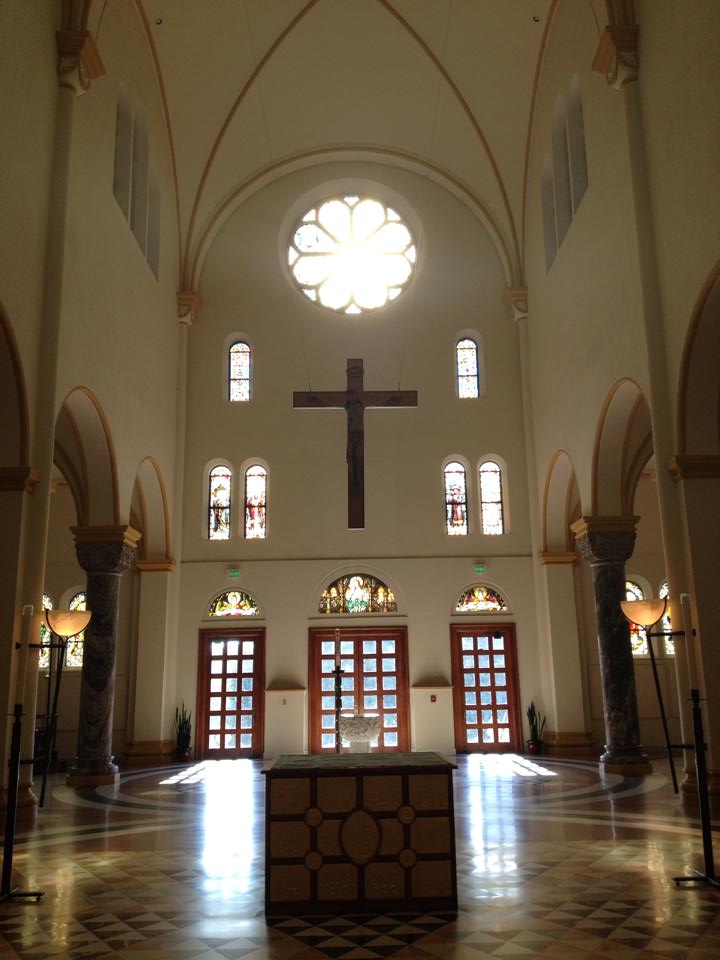
The cross and altar. Note how the baptismal font looks like a chalice atop the altar at this angle.
dark2

Outside door in the sunlight. This is a door that is not normally used.
door

It is quite atmospheric this time of day and year.
door2

The baptismal font. Covered in scenes depicting stories about water in the Bible. The font is connected to a water pump so it burbles all the time with fresh water. It is quite large.
font3

Outside the Abbey front doors.
front1

Inside the Blessed Sacrament chapel.
host6

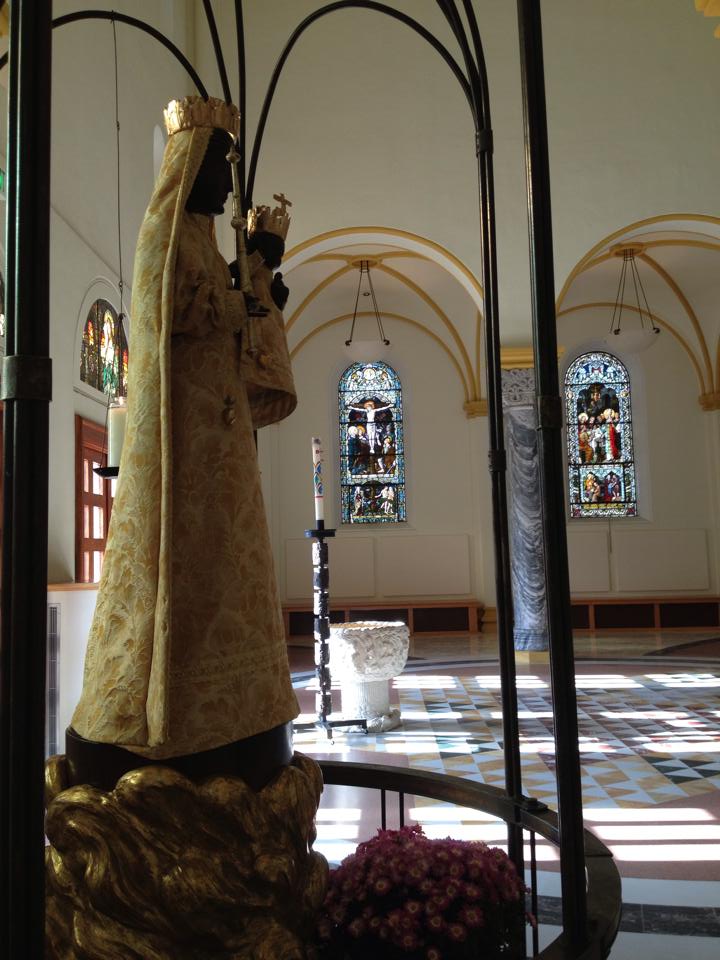
The Black Madonna.
Mary 1

A sunny picture of the Abbey.
outside17

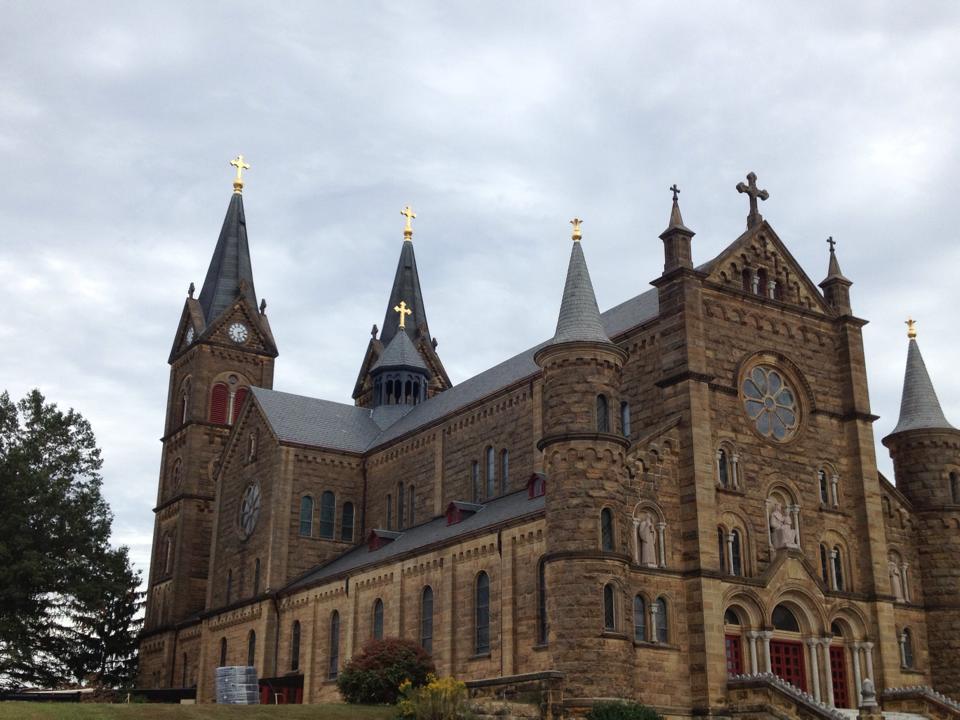
Very ornamented.
outside12

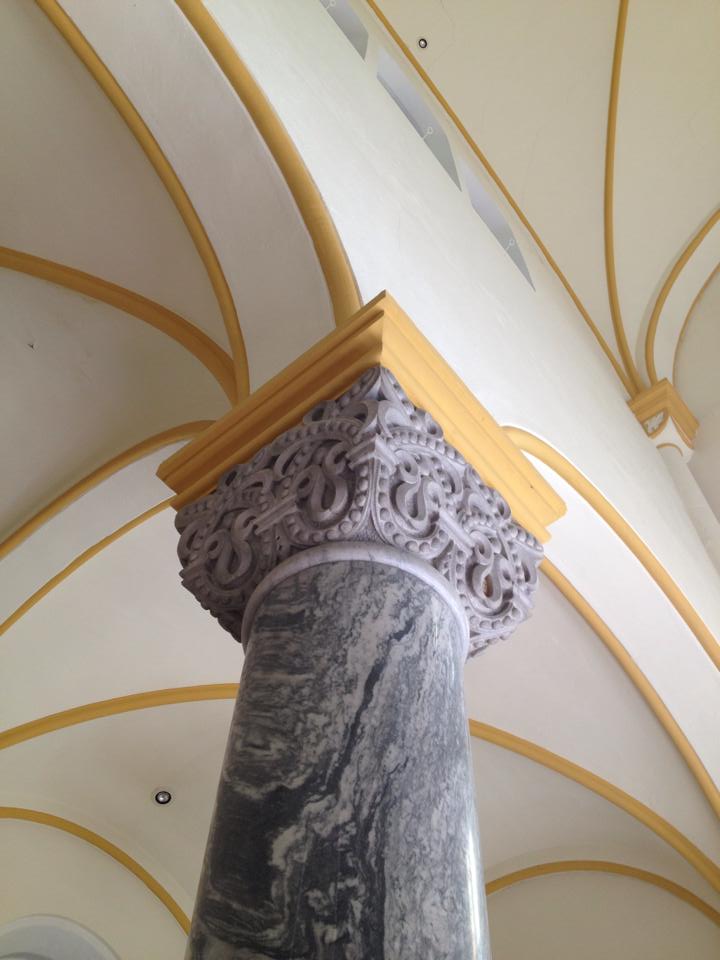
Inside, a Corinthian column.
pillar

A Yale lock on the front left door.
yale

The same, only different

This is the same tree, and yet not the same tree. We went to Grandfather Mountain from October 10th through 13th, and I happened to take pictures of the same tree over the course of the weekend. It looks different every time, in part because of the changing weather and light, and in part because it was approaching the end of fall, so the leaves were coming down. When I went through my pictures I noticed the dramatic changes this tree had over the course of just a few days. Just goes to show how much can happen over a short time. It is good to slow down to notice it.

Saturday the tenth, early morning. Misty and cold.
1

Sunday the 11th, late evening, the sun is going down.
2

Monday the twelfth, early morning. Wind the night before.
3

Tuesday the thirteenth, early morning, more wind the night before, bright sun.
5

Rembrandt’s secret

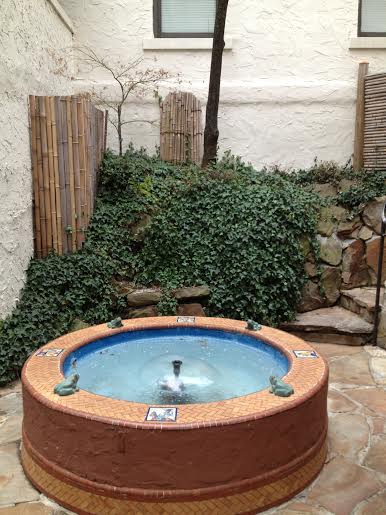
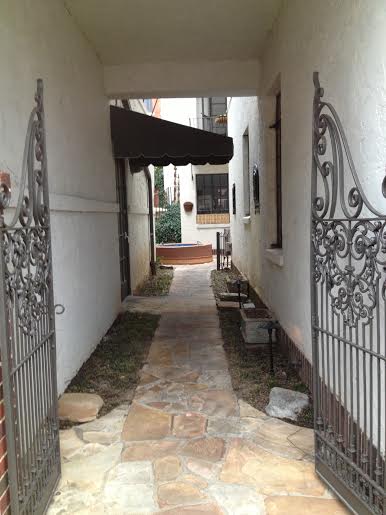
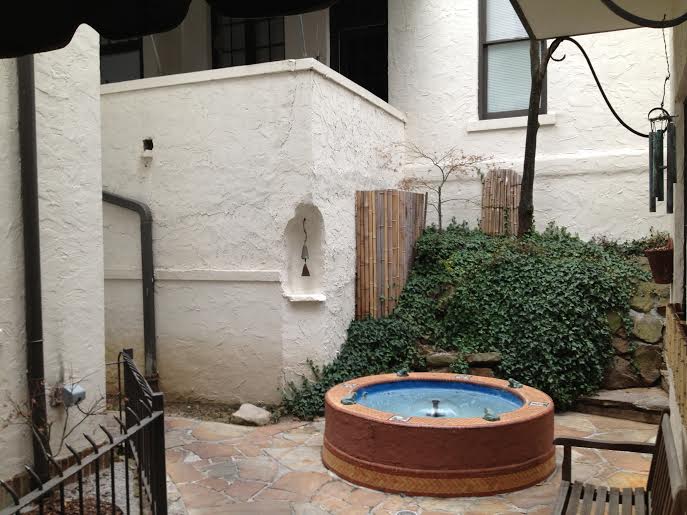
This is my favorite place in the whole world. It is a little garden area behind Rembrandt’s coffee shop in Chattanooga, TN. It reminds me of pictures I’ve seen of Roman and Arabic gardens that are in the center of the house – open to the sky, and protected from view from outsiders. It is a little bit of nature that is cultivated and secret.

Let us enter.

1

Going down the narrow path.

2

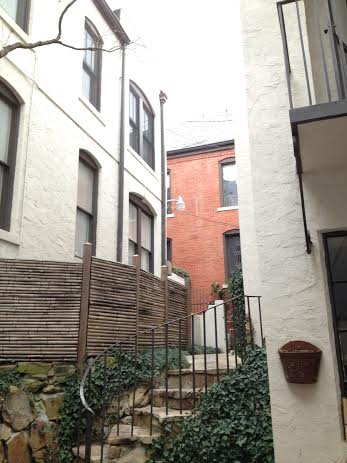
We’ve entered, and here I’ve stepped to the far right to show you the fountain and the courtyard.

wide fountain

Stepping slightly to the left to take a picture of the tree for you.

tree

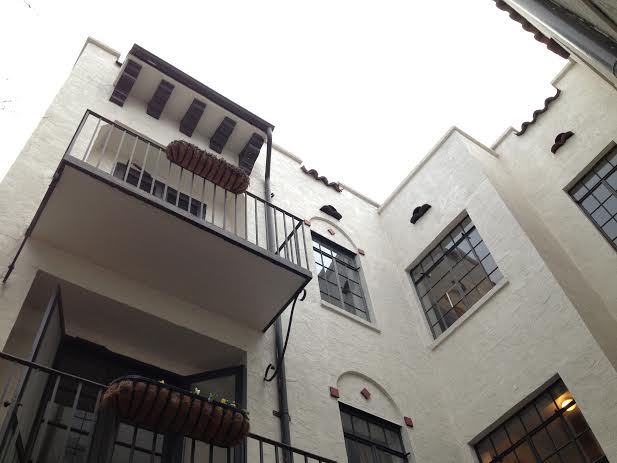
Stepping slightly to the right and looking up to take a picture of the terrace that it attached to the art gallery (worth a trip inside, it is called the River Gallery)

left up

Looking to the left of where I’m standing, a small rock garden. Very nice in this wintertime.

rock garden

A closer view of the fountain.
fountain

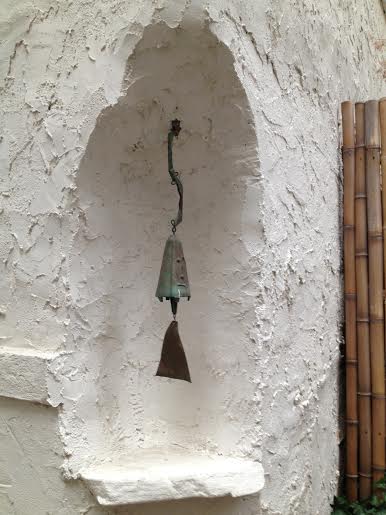
The windchime alcove, going slightly left.
bell

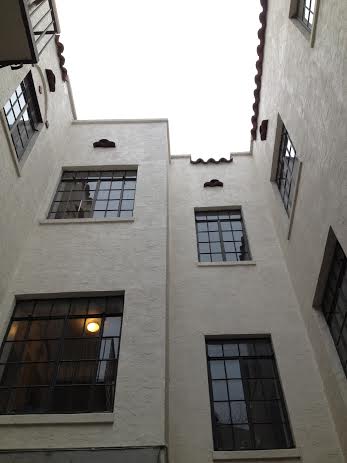
This is looking straight up behind where I’m standing.

high

Slightly to the left of that. The fountain is immediately on your left at this point.

around

Going further left, the stairs leading out. The fountain is in front of you here.

steps

The fountain

fountain

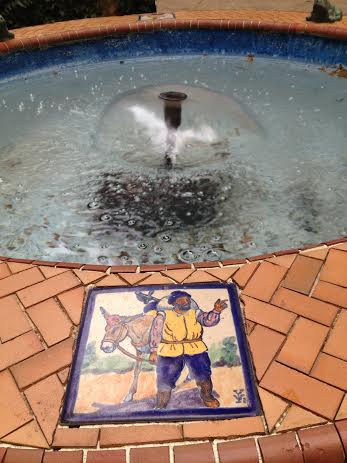
The tilework on the fountain.

close fountain

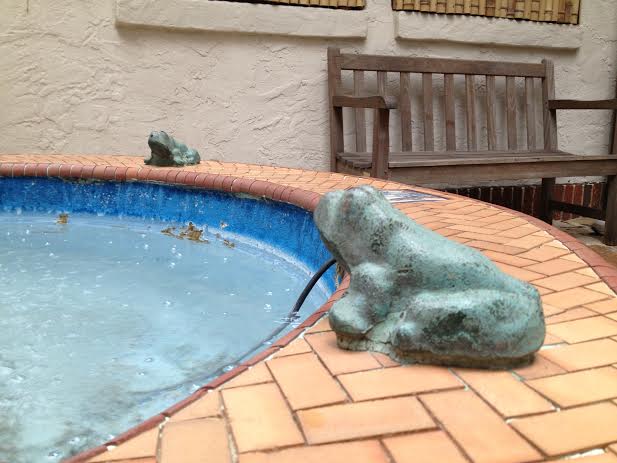
The Frogs.
frog

Virtual retreat

I like going on retreat to Mercy Convent, a home for retired Sisters of Mercy. I’m fortunate that this place is about thirty minutes from my house. I wish I could go here every month. Honestly, I wish I could live here. The last time I was on retreat (11-15-14) I took several pictures so I could share the feeling of being there virtually.

Welcome!

welcome

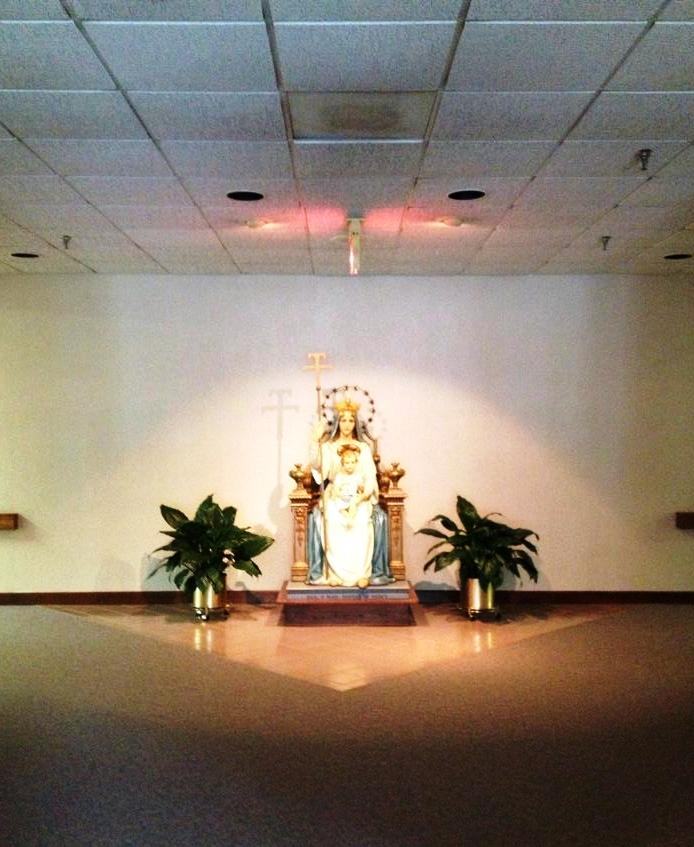
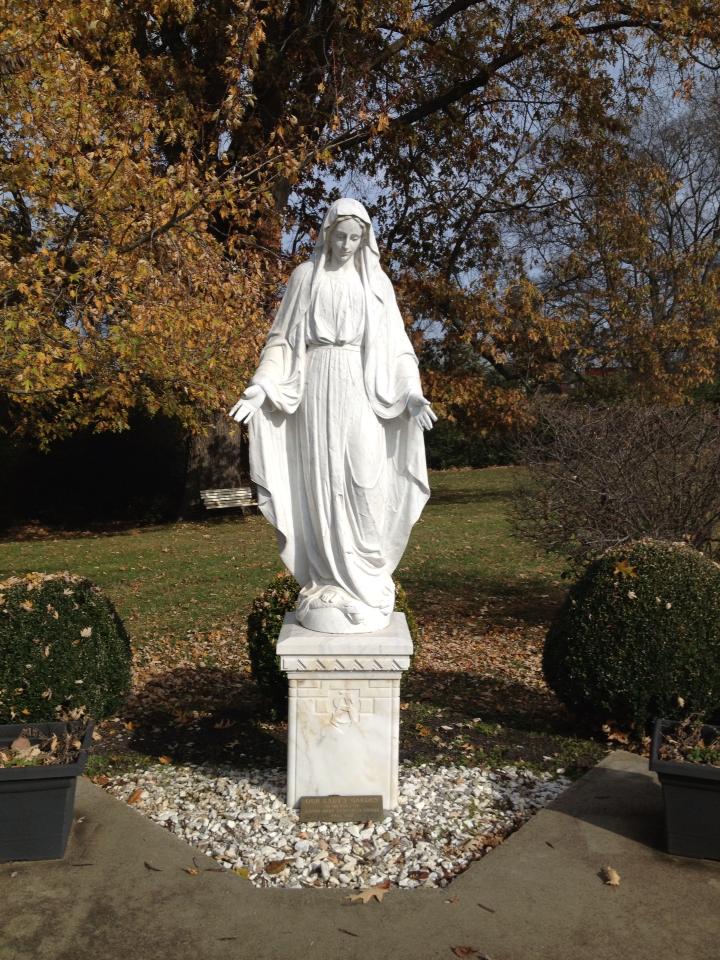
The statue of Mary and Jesus is straight ahead
mary statue

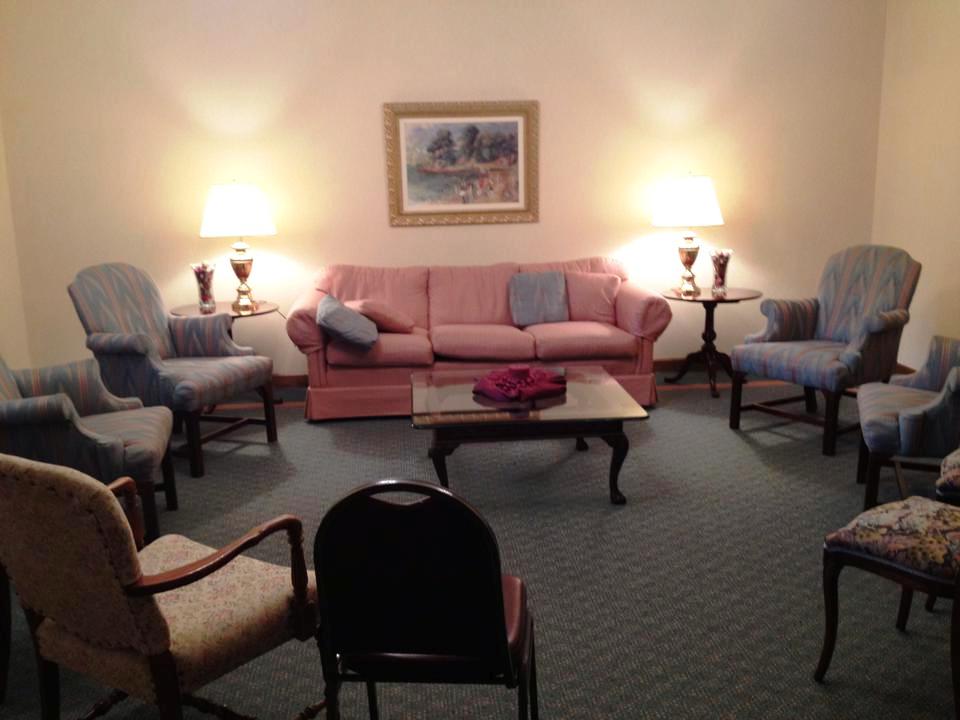
The parlor where you will meet with the other retreatants is just to your left.
parlor

If you turn to the left of the statue, you are walking to the dining hall and the chapel. Pictures of those follow in a bit.

Turning to the right of the statue, you are walking down the hallway to your room.
main hall

On the way to your room. At the end of the hall is an intersection with some plants, a Pieta nook, and a display cabinet with Mercy history.
hall2

The hallway ahead is the A wing. The B wing is to the left, and the C wing is to the right.
hall

This is looking down the A wing.
A wing

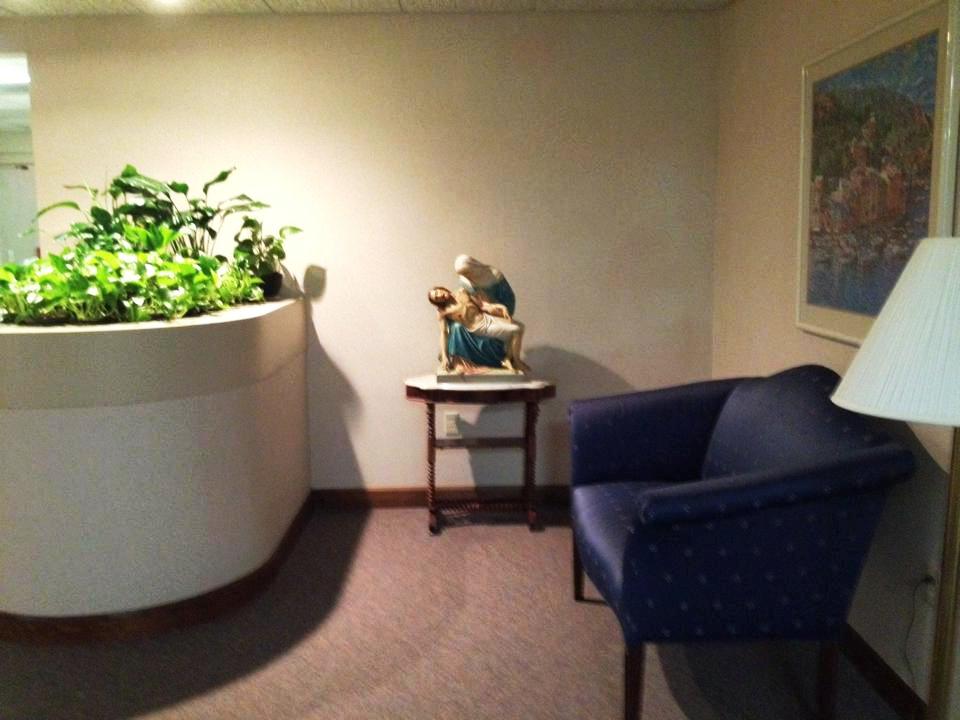
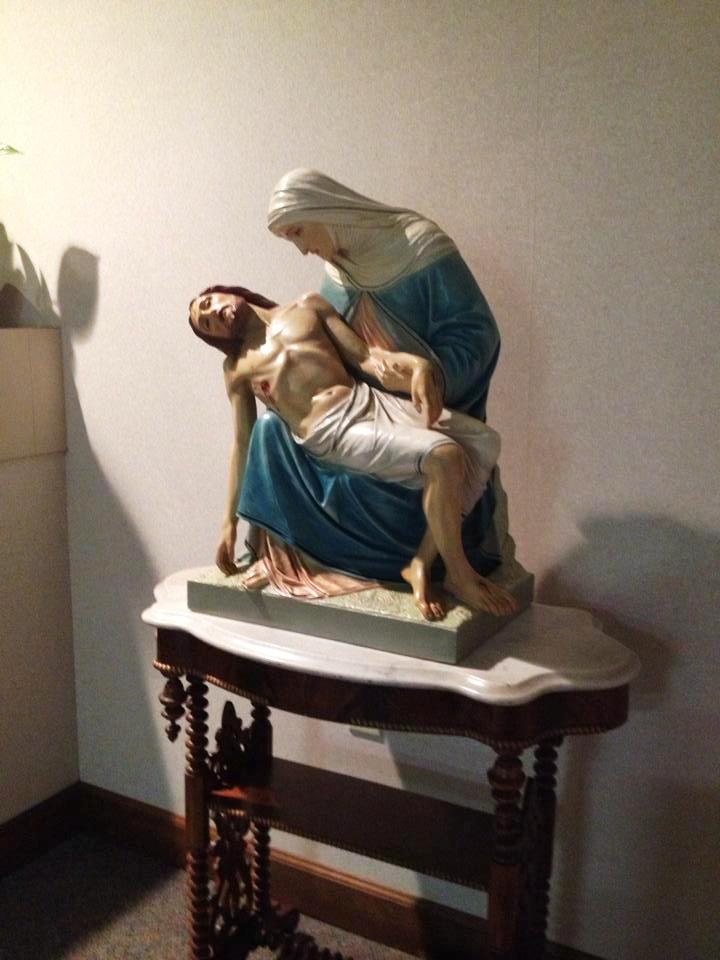
The Pieta corner is at the intersection of the three wings. It is nice to sit here at night.
pieta nook1
pieta nook2

One item in the display cabinet.
notice

The TV room for the nuns. Off limits to the retreatants. Panning right. This is at the corner of the A and B wings.
TV room3
TV room2TV room

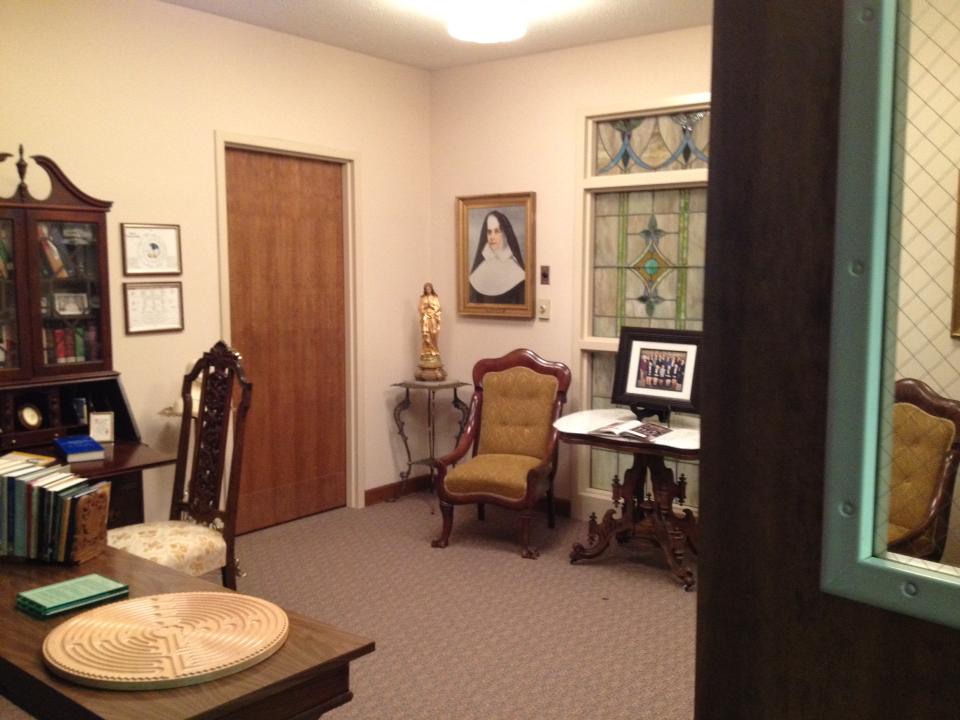
The stained glass windows marking the library. This is at the corner of the A and C wings.
library window2library window1

In the Library
librarylibrary2

Down the hallway of the B wing is the small chapel.
small chapel

The stained-glass window there.
small chapel glass

Welcome to your room.
door2

The cross on the wall as soon as you open the door.

bedroom cross

The room. Most are laid out like this. They all used to be rooms for the retired nuns. After they “started going to heaven” as the director euphemistically says, members of the community asked if they could use the area for retreats. They said yes, as hospitality is part of their charism.
bedroom 3bedroom1

The pictures on the walls are different in every room. Some are similar. Many are of Mary and Jesus. There are usually about 4 pictures. These are various ones I’ve seen over my many times here.
bedroom art2bedroom art
room8
room9
room10
room4room5
room6room7room3
room2
room1

Instructions.
Mercy rules

A close-up of the Mercy Cross.
Mercy cross

The bathroom.
bathroom2bathroom

Even your soap is friendly.
soap

Your desk.
bedroom2

On the wall in the hallway near your room in the C wing.
sign2sign1

On the way to the day room – handrails
rail

The day room for retreatants is in the C wing.
little kitchenlittle kitchen2

Opposite the day room – an open porch. Don’t forget your key – you’ll never get back in otherwise.
open porch

Walking back to the dining room and chapel area.

Mary inside, near the dining hall and chapel. The dining hall is right, the chapel is left.
mary inside2Mary inside1

In the sacristy. A dispenser for Holy Water.
holy water1

In the chapel, just before communion. It wasn’t dark, but I had to play with the settings to get the stained glass windows to show up.

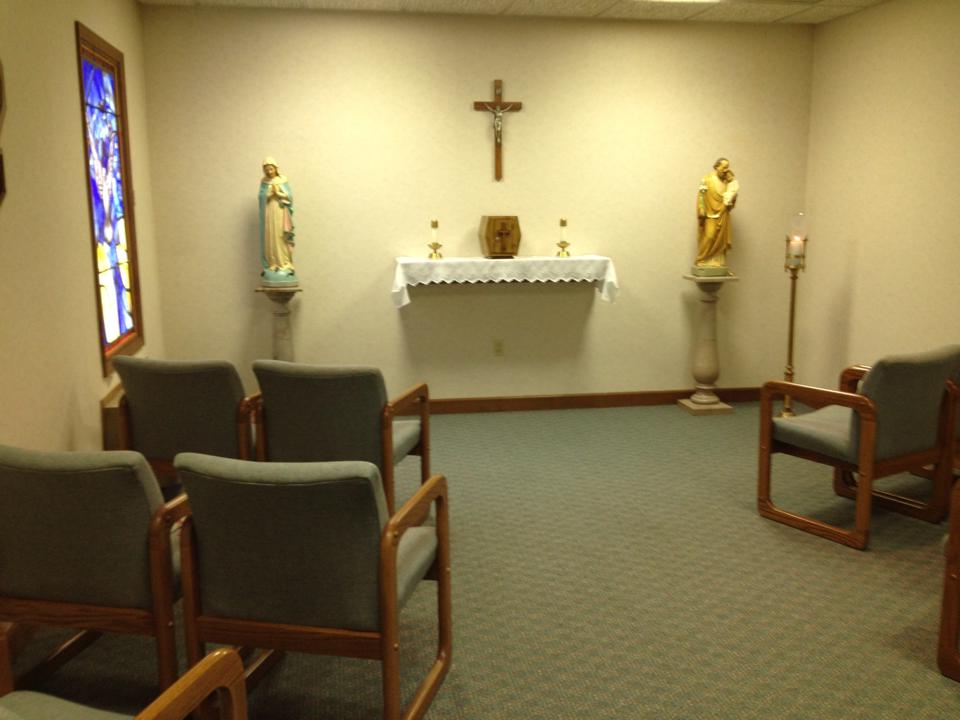
chapel1chapel3chapel2chapel4communion1communion2communion3communion5communion4communion6

The aumbry, with key.

aumbry3aumbry2aumbry1

Random prayers in the Missal that I found interesting.
prayer2prayer

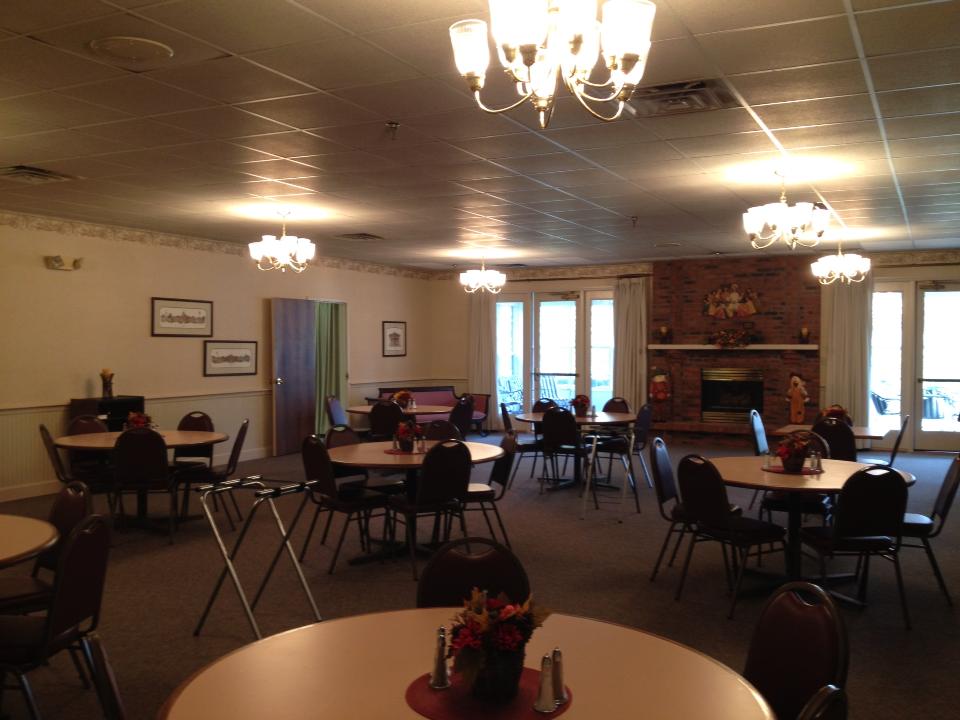
In the dining hall
dining room

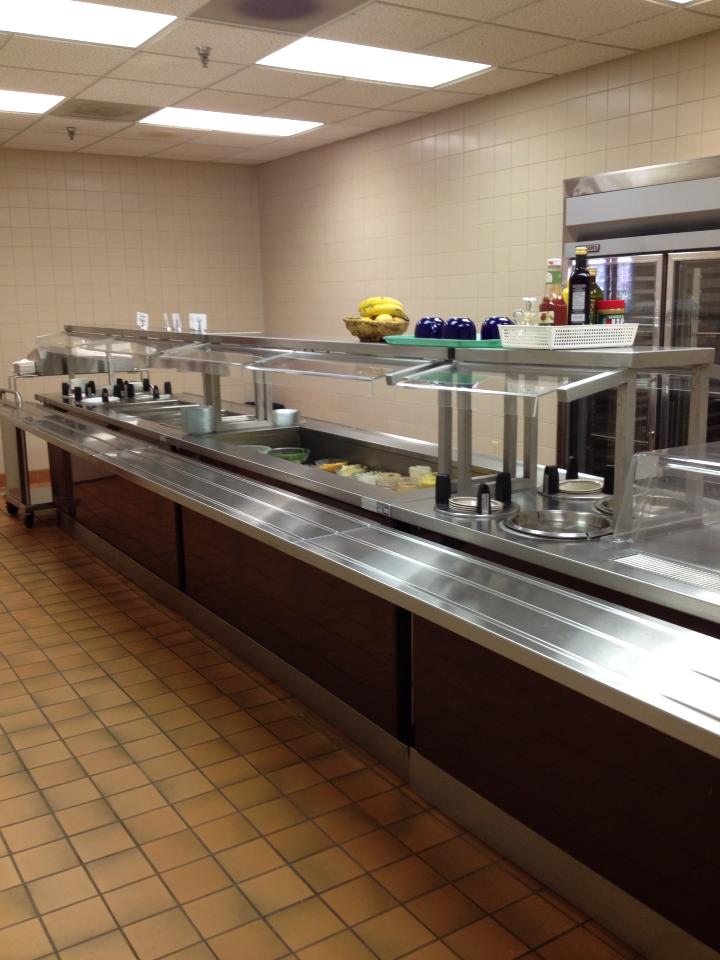
The buffet line
dining2

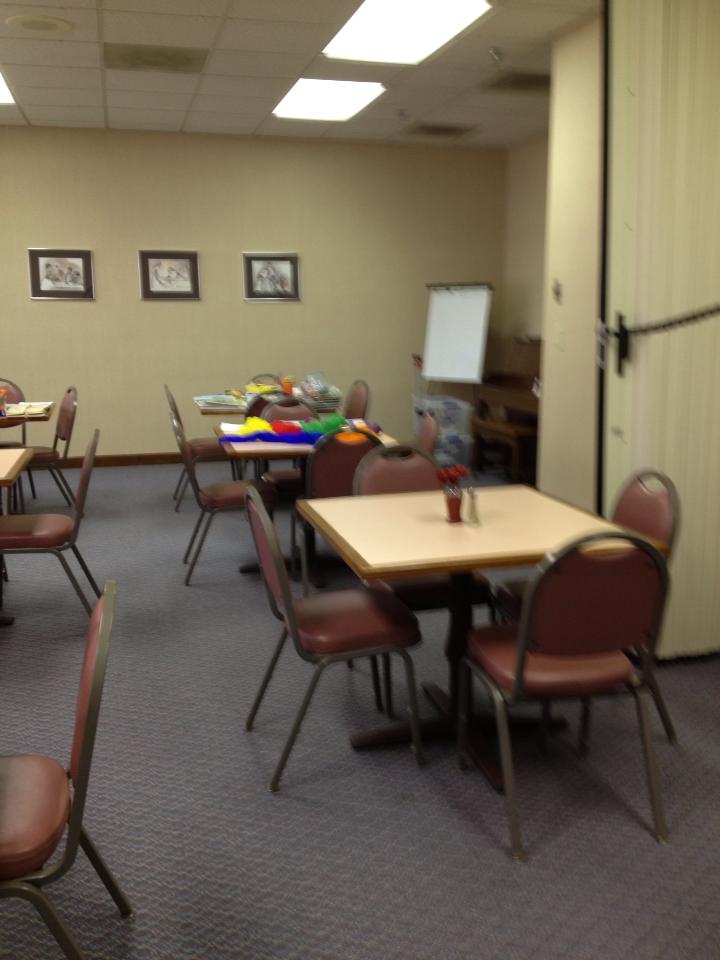
The quiet area for dining for retreatants (also where the art supplies are)
small dining room

Art supplies for retreatants
art2art3

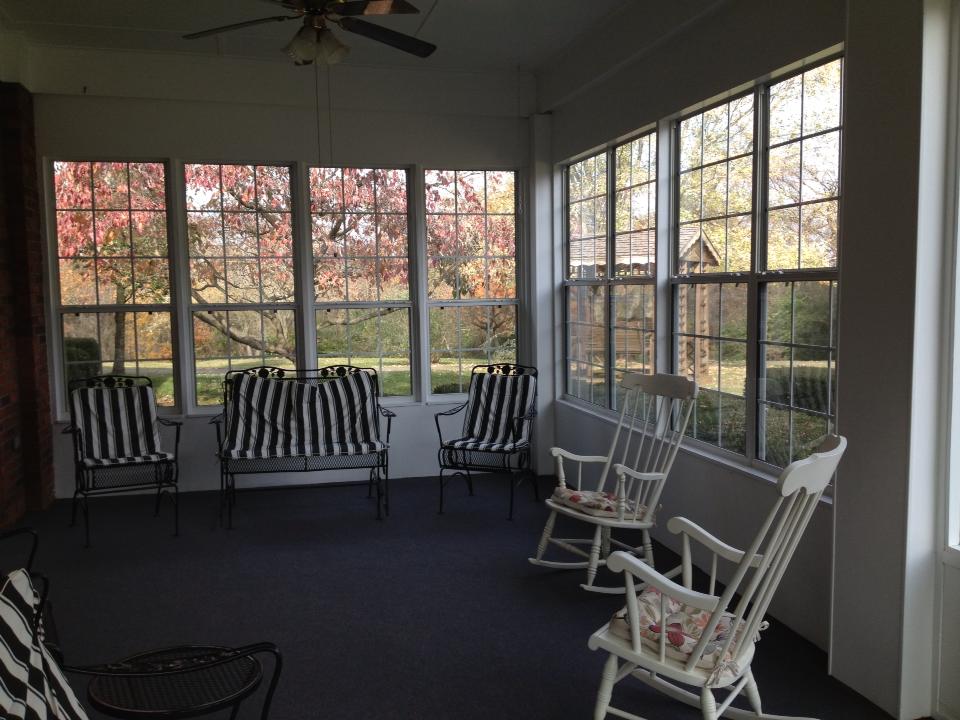
The sun porch at the end of the dining hall – looking left
porch2

Looking right
porch1

Looking straight ahead
door

Go outside and see the yard.

A pan around the yard outside. Panning right.
yard1
yard2yard3yard4yard5yard6<a yard7yard8yard9yard10yard11<a

Mary outside
Mary3mary2mary1Mary feetMary hand

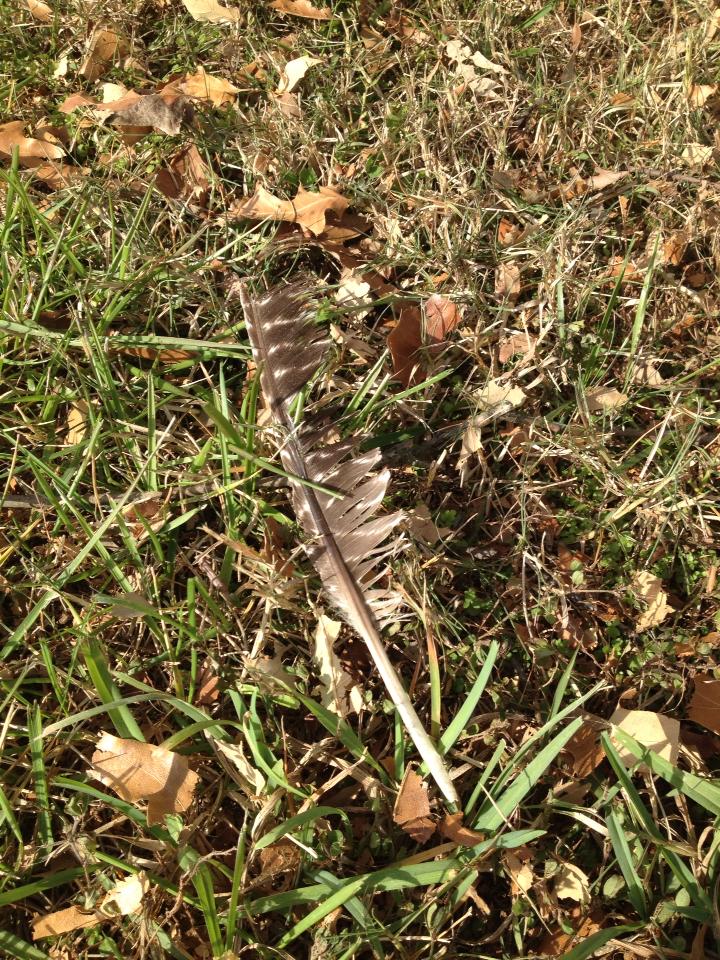
In the yard – a feather
feather

Because it is winter, you can see the nearby farm with cows.
farm

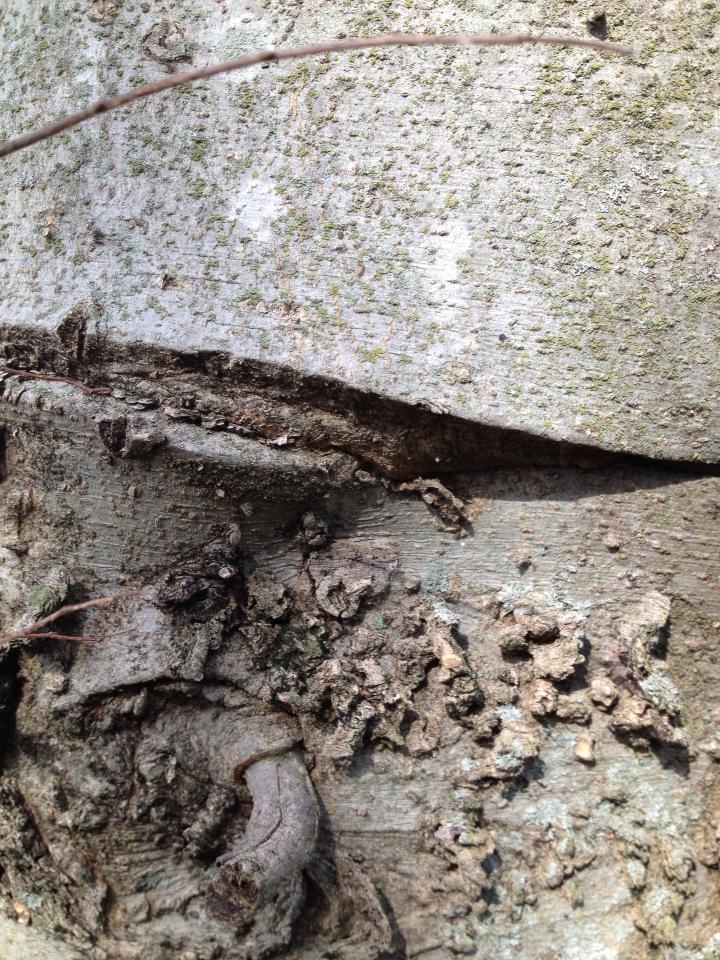
An interesting hackberry tree – note how it grows around obstacles. This is in the back yard.
tree3tree1tree2

An interesting bit of old tree with lichens.

tree4

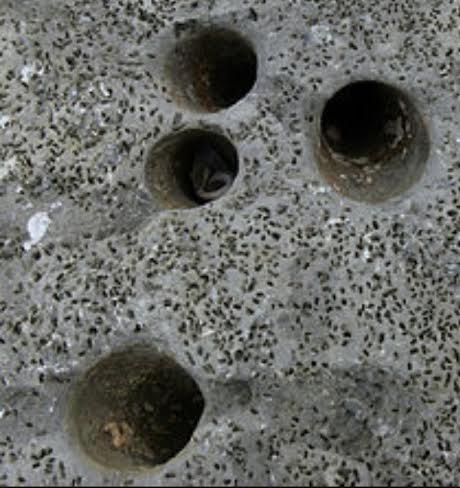
Rock with holes

I found this rock at a thrift store in Boone, NC.

rock2

It cost a dollar. I was on the lookout for something to use as a “talking piece” when I do a circle. That is the thing that you hold while you talk, and everybody has to listen. Then you hand it to the next person.

But I also like cool rocks. I have a collection of rocks from all over.

I was wondering what could have caused these holes. Erosion? Animals?

I Googled “rock with holes” and came up with the most likely option so far – pholad boring.

“Pholads are small bivalves that bore holes into shore rocks a few centimeters across, living their lives inside that shelter and sticking their siphuncles out to filter the seawater. If you’re at a rocky shore, or if you suspect that a rock has once been there, then look for these biological holes, a type of organic weathering. Other marine creatures make marks in rocks too, but the real holes generally belong to pholads.” (From the article “11 Types of Holes in Rocks” on the Geology section of About.com)

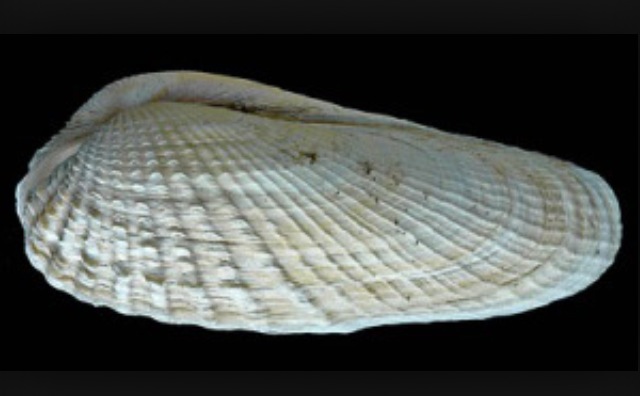
These pholads are known as “angelwings” because of the shape of their shell.

pholad4

Here are some pictures from that article.

pholad3pholad2pholad1

Then this started a whole line of thinking. The rocks themselves are made of limestone, which is, in itself, derived from other sea creatures’ shells. Many animals with shells lived and died, and their shells degraded and got compressed together and shaped into a rock. So these modern shelled creatures are actually living inside the remains of other shelled creatures, which are many many years distantly dead.

Also, I find it interesting that these creatures have a shelled body, but they feel the need to dig a hole into a rock for even more protection. They never leave this hole. They live their lives here. Reminds me of some people I know. They’ve traded in safety for boring.

But, back to the rock with holes.

This is known as “bioturbation.” It happens any time a living creature disturbs soil. Sea creatures do it, insects do it, animals do it – including humans.

Back to the About.com article – “One of the agents of organic weathering, bioturbation is the disturbance of the soil or sediment by living things. It may include displacing soil by plant roots, digging by burrowing animals (such as ants or rodents), pushing sediment aside (such as in animal tracks), or eating and excreting sediment, as earthworms do. Bioturbation aids the penetration of air and water and loosens sediment to promote winnowing or washing.”

Cool, right? And I just thought it looked like a potato with the “eyes” cut out. I’d seen rocks with these kinds of holes before but never knew how to look it up. I’m so glad that a search term as simple as “rock with holes” was enough to get me on the right track.

Later I was playing with it and found out that the holes can be used in a flute-like manner. Yes, this means I can play my rock. More importantly, it means that I tried to play it.

I’m glad I’ve gotten back to the state of being a child.

Edit 7-4-17:
I have learned that rocks with holes all the way through are sometimes known as “Hag stones”. From the Etsy shop “SeaMadeDesigns” – – “Hag stones, in folk magic systems, these are often believed to ward off the dead, curses, witches, sickness, and nightmares. They are also used as windows or doorways to see ‘otherworlds’, invisible spirits, or how a being ‘really’ looks beyond their physical image. They have always been deemed a rare and treasured stone.” The item description also refers to them as healing stone, Odin stone, adder stone, fairy stone, alter stone

Pods!

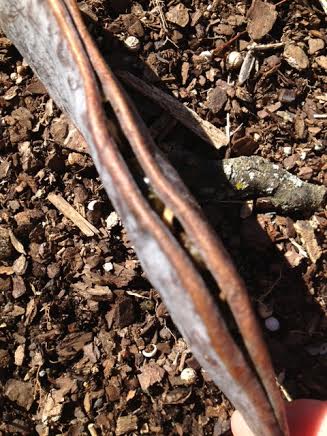
Check out this awesome seed pod.
pod1

It is about 6 inches long, and an inch and a half wide.

Let’s look at it closer.
pod2

Such a pretty color. Sort of like a fig, all purple and brown. I think it might be a honey locust. I’m not sure. It is way too big and too thick to be a redbud pod.

It is ripe. Here is a picture of it turned on the side. The seeds are trying to come out.
pod3

And another.
pod5

Yet another.
pod4

I kept trying to take a picture of just the seeds, but my camera wanted to focus on the ground instead.

Then I had to smell it. The smell was warm and a little musty. The seeds had rotted a little with all the rain. This pod had sat on the ground a while. The skin of the pod is very thick, but the shell had opened so the seeds could get out. This also means rain can get in. It smelled a little sweet, like honey.

It is good to stop and examine things anew – to see them and try them out. When was the last time you picked up something interesting off the ground and looked at it and smelled it? I hope you do so very soon. It is rewarding.

Wallpaper

Here is an early Christmas gift for you. Wallpaper for your desktop or phone! These are pictures I’ve taken that are interesting but not too busy, so they go well behind other things.

The plastic cup of water at a local Mexican restaurant, with light shining through it.
9

Sunlight through slush on the windshield.
28

A different shot of the same thing.
29

Sunlight patterns on a wall in my bathroom – I fingerpainted the wall, and there is a picture I painted in the top right.
30

One of the floor in the Frist. See “A Trip to the Frist” for the backstory.
31

Another one.
32

A blurry accident. I think this was taken on the day I went to get an MRI.
wall1

Digital manipulation from me – I’d taken a picture of some spirally art paper, then used two different photo manipulation applications to get to this point.
wall2

The Formica countertop at the same Mexican restaurant in the first picture.
wall3

A guy’s shirt at a “Compassionate Nashville” event. He is from India, and has no idea what the shirt says.
wall4

Sunlight through a sheet of seaweed paper. Part of my breakfast.
wall5

Please let me know if you use these and what you think about them.

The hackberry that wouldn’t stop.

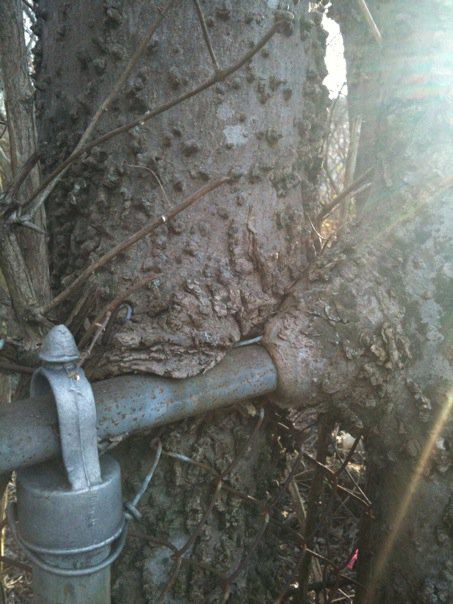
I went to eat at a tiny Persian restaurant in Nashville about two years ago. There was a chain-link fence that surrounded the parking lot. The restaurant was in a former house, so I suspect this was the original fence that marked the back yard. There were three hackberry trees that had grown up around the fence.

Nobody notices hackberry trees. They are weeds. They aren’t that pretty. The bark is bumpy and scratchy and terrible for climbing. The leaves are tiny and don’t turn any color other than brown when fall comes. The berries aren’t for eating unless you are a bird.

But hackberry trees have a lot to teach us about perseverance. They quietly grew. They get taller. These three trees grew closer to the fence. And then they grew around the fence. They didn’t push it aside. They just enveloped it. Year by year, millimeter by millimeter, they wrapped around the fence, becoming part of the fence.

tree2

tree3tree1