And then he reached the end of his quest. He hadn’t thought
it was going to be this soon. Not like it had been fast, by any means. It has
been years he’d trod the path before him, years of loneliness and darkness.
Often the only light he had to go by was in his heart, that still small voice
that urged him on when the world said it was pointless to go on – pointless,
and worse. He’d been mocked by family and friends alike. But now he was here.
It finally happened. He expected it on a more auspicious day than a Tuesday,
but who was he to question? He was finally here. He paused before the ornate
doorway, and admired the crenelations on the archway and the wrought iron
fixtures on the door. Should he say the blessing now, or after he crossed the
threshold? When could he say he’d truly arrived? Perhaps twice was better. He
fished around in his satchel and located his notebook to find the words for the
prayer. He’d been through three such journals in this journey and mailed the
full ones back to himself. He felt an odd sense of otherness the first time he
wrote his own name on a parcel. He wouldn’t be there to receive it. Or
would he?
What would it be like to be in more than one place at a time?
Ben had known all his young life that this was his destiny, to discover the
space between the atoms, to transcend the limits of the merely physical. Some
people were astronauts, exploring outer space. He was a psychonaut. His
unexplored territory was inside himself.
It had all begun when he was four. On a return trip from
Christmas in Florida with his parents, everything stopped near exit 66 on I-75.
He didn’t see it coming. How could he? He was safely (or so they thought)
strapped into his car seat. He could see nothing of the danger ahead. His view was
filled with his favorite bear and a collection of books. He was a great reader
for his age. His parents, both scientists at the university, doted on him and
read to him every day. He cherish the books he’d been given as gifts as well.
He equated books with love.
All he knew then was that day they were going, and then they
weren’t. Suddenly he was out of his body, floating around in the car as a
spirit. His body was too damaged by the crash to return. If he’d been read any
faith stories he would have known where to go, but his parents had no truck
with such foolishness. Religion wasn’t logical, and as scientists they couldn’t
be bothered to waste their time on myths. So he did the next best thing. Like a
scared puppy, he retreated to the only safe place he knew – his mother.
He’d been apart from her for four years now, but he had no other
choice. She was alive. Her injuries were slight. This couldn’t be said of his
father. One look in his eyes and Ben knew that ship had sailed. Sure, he still
could have stepped into that body, but he didn’t know that, and time was in
short supply. He had to choose soon or find himself without a choice.
So he slipped back inside his mother, returned to the first
home he’d known in this dimension, this place of noise and sound and touch and
bright colors and busyness.
The return was easier than the exit. A sidestep, a little
bend, and there he was, back inside, but seeing the world through her eyes,
hearing the world through her ears. It was odd, this other way, this borrowed
way. Now he began to understand her anxiety, for she had forgotten how to see
the world of spirit. Maybe that was why she’d become a scientist, forever
needing to prove the unprovable instead of simply believing.
After the accident, his mother felt the usual grief for her
husband‘s death, but very little for his. Grief being a new and unexpected
feeling for her, she had no way to know what to experience. She chalked up her
low affect to many things – his young age, her energy spent on her own recovery,
the sudden reversion of all household duties to her. It was more difficult to
go from a couple to a single then she had expected, and her grief for her only
child got folded up within that period. Or so she thought.
Because he was there, alongside her. He was within her, part
of her. He was four, and 28th at the same time. Over the years, he grew along
with her, and she with him.
That was why now, 15 years later, he was walking the pilgrim’s
path. She was 43 now, and remarried. He was 19, and still partnered with her,
sort of a Siamese soul. He was the one who had eased her back towards the faith
of her childhood, the faith she’d abandoned. He was the reason they were
walking the Camino now.
To her mind, the God of her ancestors had abandoned her, but
it was the other way around. She didn’t understand that faith is a lot like any
other skill. You get out of it what you put in. But her anger and questions at
the unfairness of the accident (and her ghost son’s persistence) edged her back
over the threshold of her parents worship hall..
That first time, she simply let the familiar chants watch
over her as she sobbed quietly in the back pew. She left before anyone could
ask her what was wrong, because she knew the answer would take too long. So she
went to the library instead, reading all she could about faith, and God, and spirituality,
preferring the safety and anonymity of books over the intimacy of public
worship. Over time, she learned of a pilgrimage that took a month of walking.
People went on it to find answers, or release their grief, or find a new
direction for life. All of that sounded ideal for her. So she left on a summer
break from the university, grateful to not have to use vacation time, but more
grateful to be able to leave in a way that she didn’t have to answer her
coworker’s questions. “Where are you going?” “Why?” “A
pilgrimage? I didn’t think you were religious.” She could hear the questions
already, and already she knew she didn’t have the answers. Sure she knew where
she was going, but why? And she didn’t think she was religious either, but here
she was. All she knew was that if she had to face these questions, she might
lose her nerve and that was the last thing she wanted. So a week after final
exams, she was standing at the airport, a plane ticket to Bilbao and a bus map
to Pamplona in her hand, kissing her new husband goodbye for a month.
And now it was almost over. They were about to walk through
the door – that door, the one where countless thousands of other pilgrims had
trod.
And then it happened. He felt the shift when both her feet
had crossed the threshold, when she felt the sudden but soft awareness of his
presence within her. Quietly, calmly, she knew she was not alone, knew who was
with her. It was a gift she’d not even dared to ask for – not even known it was
possible. She made her way, (they made their way), to a nearby pew and quietly begin
to sob tears of relief, and joy, and hope for the future. They had a lot of
catching up to do.
Consumerism is the new religion
Consumerism is the religion of the world.
It is destroying the planet.
It is the antichrist
– the opposite of life-giving, of healing, of resurrection.
It is about trust in yourself,
not sharing, greed.
It creates war and poverty.
It builds present presents and walls.
Time to cast out this false God
this idol of “you deserve it”
this spirit of “me first” and to hell with everybody else.
It pits person against person,
creating nations that war against each other
blinding us to our true nature
of oneness of unity,
that we are all in this together on this life-raft we call Earth
and if we don’t pull together we’ll discover
to our horror
there is no planet B.
Instead of trying to Terraform Mars
why don’t we re-form Terra
(which is the old name for Earth)?
Imagine
I
Imagine:
The Church no longer has a “worship service”.
Instead, service to people is its worship.
Imagine all that money and time spent on feeding the hungry, healing the sick, housing the homeless – instead of hymnals, a band, a podcast, a live-streaming service, etc.
Imagine:
a world where we are
no longer divided by money,
where all people are seen as equal.
Imagine:
Keeping Christmas in your heart all year long.
Not the commercial Christmas, but the real one.
Imagine:
If Christians were known for their love.
We must be the change we wish to see in the world.
And I don’t mean any of that “love the sinner, hate the sin” business because Jesus never said anything like that. Just love people, and let God take care of the rest. Love heals people.
It is time to stop, period.
I don’t understand the necessity for products to prolong sex after it is necessary. We have prescriptions for men and women to make it possible for them to be sexually active after they are able to have children. Viagra for men, and pills and creams for women are intended to prolong something that has no need. It has turned something normal into something abnormal.
This ad keeps coming up on my home page. It is impossible to ignore. It takes up half the page.

I clicked on it to show you this –

It is “used in women after menopause to treat moderate to severe pain during sexual intercourse caused by changed in and around the vagina that happen with menopause.”
There is no need for this. Menopause isn’t a disease.
It is time to learn other ways to be intimate. Try talking. Try playing board games. Try going on vacation together. Use a different part of your body to connect with your mate – your heart.
This obsession with sex as the only way to connect is what has lead to the disturbing amount of unwanted pregnancies, abortion, and child abuse and neglect, among other avoidable tragedies. Imagine how our world would look if we focused our energy and time towards something meaningful instead.
Jesus on the side of the road
And then there was the time
Jesus walked up to the man
on the corner.
You know the one.
The guy with the cardboard sign
that says
“Homeless. Please help.”
Or “Will work for food.”
And Jesus
(well not really that Jesus,
but a Jesus,
like a Santa Claus,
someone
who is said
“yes, I’ll take on that role”
walks right up, not even in a car
like everybody else in a hurry
on their way to their job,
or the Kroger,
or Starbucks
but never here,
always on the move –
that Jesus walks right up
and sees the man on the corner
the leper, the blind man, the lost sheep
and looks him in the eyes and says
”Hey.
What do you need?”
And he says
money,
or home,
or a job,
but really he’s saying
Healing.
Freedom.
Grace.
He’s saying he needs to be
released from this prison
without bars
he found himself in,
or maybe locked himself in.
He
forgets.
And Jesus reaches out a hand and says
do you believe you can be healed
(do you think there is hope for you
or have you given up already)
and the man hears the music beneath the words,
sees the light peeking out from the clouds
that have rained on his parade
for so long he wonders
why he keeps showing up
and thinks
maybe,
today is the day
that I no longer have to define myself
as homeless,
or chronically ill,
or abused by my parents,
or widowed
but instead
as a precious child
of God
chosen, and loved, and whole.
And the healing happens,
right there on that corner,
with
all those cars rushing by.
And then Jesus disappears,
this latter-day Jesus,
this vagabond messiah
and the man
is still there,
on the side of the road,
still homeless,
still divorced,
still without a job,
but now he’s awake
and he thinks
is this what healing looks like?
Psalm 37 for people in a hurry.
(You can get the gist of Psalm 37 by just reading the first lines of each stanza, up until lines 35-38. Then the whole stanza is necessary to understand the meaning. )
1 Do not be agitated by evildoers…
3 Trust in the Lord and do what is good…
5 Commit your way to the Lord…
7 Be silent before the Lord and wait expectantly for Him…
8 Refrain from anger and give up your rage…
10 A little while, and the wicked person will be no more…
12 The wicked person schemes against the righteous…
14 The wicked have drawn the sword and strung the bow…
16 The little that
the righteous man has is better
than the abundance of many wicked people.
18 The Lord watches over the blameless all their days…
20 But the wicked will perish…
21 The wicked man
borrows and does not repay,
but the righteous one is gracious and giving.
23 A man’s steps are
established by the Lord,
and He takes pleasure in his way.
25 I have been young
and now I am old,
yet I have not seen the righteous abandoned…
27 Turn away from evil and do what is good…
30 The mouth of the righteous utters wisdom…
32 The wicked one lies in wait for the righteous…
34 Wait for the Lord and keep His way…
35 I have seen a
wicked, violent man
well-rooted like a
flourishing native tree.
36 Then I passed by and noticed he was gone;
I searched for him, but he could not be found.
37 Watch the
blameless and observe the upright,
for the man of peace will have a future.
38 But transgressors will all be eliminated;
the future of the wicked will be destroyed.
39 The salvation of the righteous is from the Lord,
their refuge in a time of distress.
(translation from the Holman Christian Standard Bible)
The Prince of the Invisible
The door had been bolted and barred longer than anyone could
remember. It seemed better to go in through the side anyway. Long-ago one
insistent person had begun the slow process of removing the plaster and stones,
chipping away at the mortar with a spoon as if he was a prisoner breaking out.
And yet he was free, he was outside. It made no sense to the passers-by, what
he was doing, but he wasn’t in their way so they let him be, free to scratch
and scrape as he pleased.
The ownership of the building had passed into public domain
by this point so not even the police or the insurance company felt the need to
get involved. So he scraped away day by day, but only when the shadows
protected him. His skin was too fair to risk being out in the Guadal sun for
very long.
He thought he’d be through in a week, tops. But the builders
had done their job well so it took nearly 2 months to make a hole big enough
for him to crawl through. And what treasure did he find on the other side! You
would have thought he was Howard Carter in his excitement. He could barely keep
his joy to himself. The neighboring shopkeepers hurried over for the whoops and
chortles. They’d long gotten used to this strange visitor but this was
something else. They stooped down and peered in – and saw nothing, nothing save
the unusual prospector with his spoon, sitting in the middle of the empty room,
talking up a storm to the air.
And that was that. Nothing to see here. Move along. The town,
collectively but silently, agreed to let him stay there.
Who cared if he was a little weird? Who minded if he saw
things that weren’t there? They left him to himself the same as they left
people who didn’t see what was there.
Maybe he was more advanced than they were. Maybe it wasn’t time for them to see
the treasures yet. Who could say? So they left him be, but they contracted to
have a window built in the gap he made. It wouldn’t do to have people coming in
to bother him. Only those who were persistent (and particular) enough to go in
via the window were worthy of an audience with the Prince of the Invisible
anyway.
Because that is who he had become. Or maybe he’d
always been? Maybe this was who he truly was, underneath the mask of normalcy
he’d always put on when he was around everyone else. Maybe he’d always seen the
spirits the same as solid people. Or maybe the potential had only been unlocked
on that day when he’d finally crossed the threshold, especially on such an
unusual way. Perhaps the spirits took note of his persistence.
Perhaps it was none of that and it was just finally time for
the talent to be revealed to the town, like he was at a debutante ball. Now he
was fully himself, out in the open, at large. Now he was multidimensional and
could openly use all of his senses.
He held court with the spirits in that room for days at a
time, seemingly unaware that time was passing. He didn’t grow tired or hungry
while he was with them either. It is as if he took on some of their
characteristics while he was with them. When he would leave the room, he would
return to the world of the physical and require all the usual things and be
subject to all the usual limitations. No wonder he seemed to prefer his time
inside, where the spirits acknowledged and even respected him. It was much
better among them than with regular people.
For the spirits were people too, no doubt about it. They were
just as real, just as present as the visible ones. Many were quite powerful and
opinionated, just as they had been in life. Some were the spirits of those who
had lived before. Some had yet to incarnate. Some had been around the wheel of
reincarnation so many times it was difficult to say whether they were coming or
going.
All that mattered now was that they’d found each other, this
unusual sort of kinship, a family cobbled together out of people who were
unexpectedly able to interact with each other. And wasn’t that better anyway,
better than the usual family where the usual people could barely stand to be in
the same city with each other, much less in the same home.
Some When
The paint was peeling on the old doors, but
there were no plans to fix it. In the eyes of the caretakers it was a sin to
change things from the original. That was the paint that Ebenezer Crimmins put
on those doors, lo, those 127 years ago. Yes, they knew exactly how long it had
been. They kept track of all of that, and even more. Every tiny detail was
documented and filed in triplicate for posterity. It wouldn’t do to have
something forgotten.
Sure, they couldn’t see the pattern now, but
they had faith that it would surface later. Everything made a pattern one way
or another if you sorted it right. Sometimes it was the focus you put on it –
duration, frequency, type. Sometimes it was interval – how much time between.
They knew it had to surface somehow, but only with enough data and the right
person or computer to do the sifting. But now was not the time. Now, nothing
made sense except to save everything, change nothing. Who knew what would be
the final clue to unlock the mystery? Not them, not yet. But they knew enough
that some when, someone had to find the solution.
For shortly after old Ebenezer Crimmins painted
that door marking the completion of the house, he disappeared. Not went away. Not
was kidnapped. No, nothing as easy as that. Simply disappeared, as easy as you
please, fading away to nothing as the paint dried on the doors. He put the
paintbrush down and had begun to remove his paint spattered overalls and it
just started happening. Passersby thought it was a trick of the light, being
odd as it was on that late December day.
It was a rare sunny day, and warm for a change,
that December 20, the day before the solstice. The light was slantwise that
day, all shifty and strange. Most people didn’t take note of it, but Ebenezer
did. He didn’t trust it, no sir, but the door needed painting before the rains
came. It wouldn’t do to have the bare wood unprotected. All that work on the
house would be for naught if it wasn’t protected.
The house was like every other house in the
village, small and squat. The walls were thick, made from the local clay, fired
in a kiln built on site, purpose built just like for every house in the
village. There was a kiln as part of every yard – they all stayed. Used to fire
the bricks to make the house, then afterwards to make whatever pottery the
residents needed. Some had small stoves built adjacent, to take advantage of
the heat but not mix the materials. It wouldn’t do to get the clay mixed into
the food.
All the houses were built by the community as a
gift to the new inhabitants. They were not expected to construct their own
house, or even to design it. Each house was made for the family in accordance
with its needs and the prophecy determined for it. Manys the family of three
that were surprised to move into a home with six bedrooms, only to discover
they were more fertile than expected or in-law had to move in because of
illness. Likewise, manys the family of eight that had to squeeze into a house
with four bedrooms, only to discover tragedy came soon after.
For families were not allowed to move once they
were in their own home. Once built, you were there for better or worse.
Children could move away only upon marriage. There were no apartments, no
dorms. Everyone lived with their family and never alone, even in the case of
death. If a spouse died, the member returned to their homestead. Houses stayed
in the family for generations, until the family died out or the house
deteriorated. Sometimes the two happened at the same time.
But this tradition had come to be questioned by
the very people it excluded. The loners, the misfits, those alienated from
their family – they wanted to live apart rather than endure living together
with people who didn’t understand them. Yet there was no place for them – not
until this house. Constructed quietly, without council oversight, it had
appeared almost overnight and remained empty, with no official resident listed.
The villagers who built it had worked quietly, unofficially, and were known
only to each other. Only Ebenezer would be public in his actions, finishing the
paint job on that fateful day.
After 130 years, the villagers finally understood
what had happened to him. He disappeared because they chose to not see him, to
pretend that he was not doing this thing. It wasn’t planned. It wasn’t spoken
aloud. They just looked away, out of embarrassment perhaps, or consternation.
They didn’t know what to think about what he was doing, so they chose not to
think about him at all.
So he disappeared, slowly but surely, and soon
there was nothing left of him. Nobody ever stepped foot in that house, for fear
the same would happened to them. Nobody ever tried to build another home for
singles either.
It took all that time to develop a pattern to
see, truly see, what had caused the disappearance. It would take a dozen more
years to learn where, or rather when, Mr. Crimmins had gone. For he’d not just
faded from their sight, he’d faded from their timeline. He’d gone nearly 150
years into the future, many times the normal period of reincarnation.
It took 49 days for Tibetans to reincarnate,
which was a comfort in that culture. There was no need for a protracted grief.
You knew your loved one was alive again, and soon. There was no need to wait
for the resurrection – it was happening all the time. Mr. Crimmin’s culture had
no such consolation. The resurrection happened just the same to them, but they
didn’t know it. It wasn’t like anybody had ever come back and told them. Until
now.
Because Mr. Ebenezer Crimmins came back, looking
exactly as he did when he left. He got to pass go and collect $200. He won the
game and lived to tell about it – really. He was so thankful the town had
archived his life so he had proof he was who he said. Otherwise they might have
locked them up or cast him out. Because that was what most cultures did to
people who spoke truth that seemed better than they could believe.
A quick resurrection wasn’t what they wanted. They were programmed for death, and guilt, and waiting, and never seeing the other side any time soon. So they didn’t like the idea of this walking ghost, this man their grandparents knew, standing among them telling them it wasn’t like that at all. They didn’t have to fear death. They all would get a second chance, and a third, and a 27th. He might as well have told them that they didn’t have to worry about money, or sickness either.
Are you ready for Christmas?
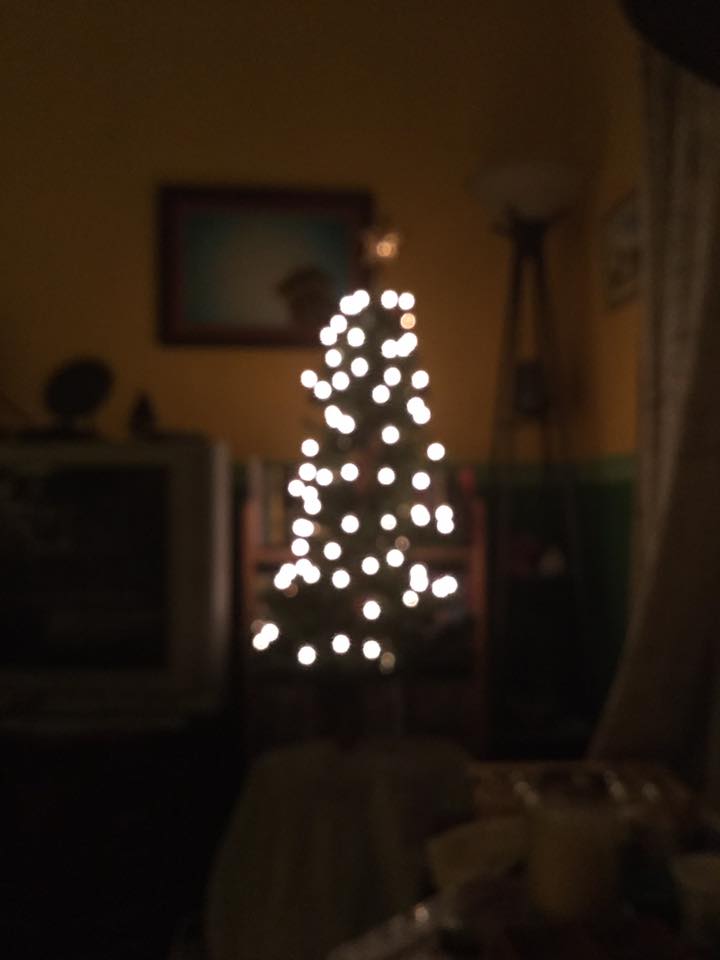
People say to me, “Are you ready for Christmas?” and I wonder what they mean. This is a very stripped down Christmas this year. Cards are sent. Watching A Christmas Carol. Tree is finally up (no decorations). Gifts have been given (handmade). Less is more, I’m learning.
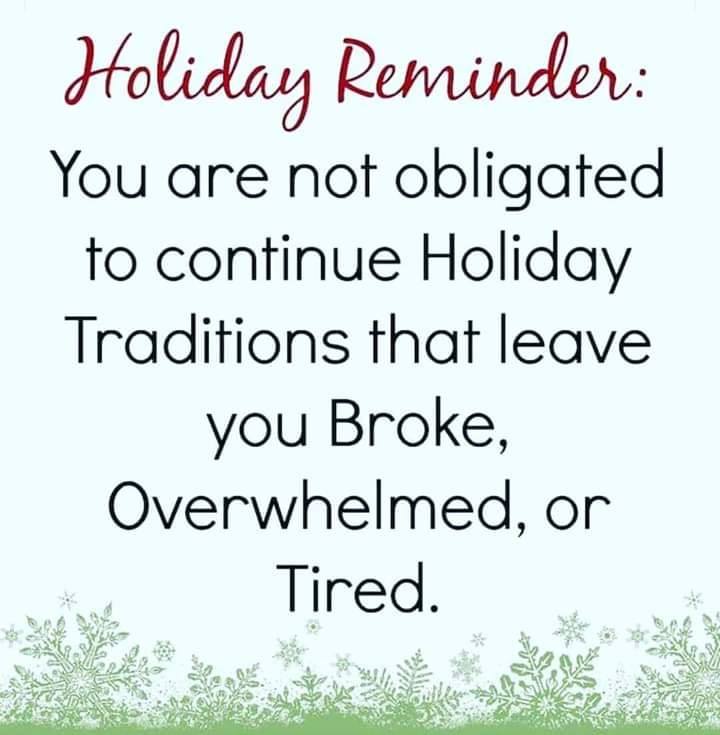
Jim Carrey says “No holiday should manipulate you to the point where you’re going into debt just to show someone you love them.”
People of the Sand
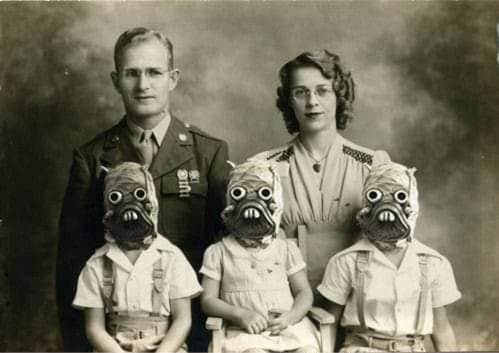
Christopher and Lois Helfman loved their children more than they could express, but they understood that not everyone could accept them. They were fraternal triplets – two boys and a girl, born one bitter December morning five years ago while Papa was on maneuvers with the Royal Marines. He’d not even gotten to see his wife bloom into her pregnancy,having just one home visit a year at that point. His wife joked that he made the best of his time while he was at home, but she wasn’t laughing when she was told it was triplets she was expecting not long after he returned to the lines.
How would they ever manage three babies, , and then corrected herself. Why ever did she think they would do anything? It would be all her doing, as it was for all the women in her time. Women had always done it all – all the cooking, all the cleaning, all the child raising. They did it because this is how it was. There weren’t other options as far as they knew.
Lois sent her husband a letter as soon as she was sure the pregnancy was viable. It wouldn’t do to get his hopes up for nothing. Because it was triplets, she waited an extra month just to be sure. So when the letter finally reached him he didn’t have a lot of time to adjust to the idea he was going to be a father.
Of course, they wanted children. They hadn’t planned exactly when, just leaving that particular to God. That was the best practice anyway, they finally realized after years of struggle. So many years of trying to do things their way and plans not working out. Why would they?Plans of mice and men never measured up to a hill of beans.
But the babies had been born early, too early for the happiness of the nurses at the village clinic. Doctors were in short supply, what with the war and all. They had been sent to the field to tend the soldiers. Civilians had to fend for themselves. Their needs were much less. It was quietly understood this was one of the many sacrifices they’d have to make to win the war.
And who was the war with? Desert dwellers, the People of the Sand. They’d finally ventured out of their domain and discovered the delights of temperate climates. No longer did they have to settle for the arid lands they’d been born in. No longer did they have to settle for a nomadic life of tents and beasts of burden. Now they knew there were choices, options other than a life of wandering from campsite to campsite, from bad pasture to only slightly better pasture. The herds were growing gaunt with all the work it took to forage for food, and so were they. So when they saw these new people, these fair skinned layabouts who didn’t have to fight the land for food, they knew they had to take over.
At first they sent sentries, spies, to move into and among these newfound neighbors. No weapons among them other than walking sticks and knives for butchering their supper meant diplomacy was the order of the day. They never had to fight anyone before and hoped not to now, but they weren’t above it. Their ancestor, the great Mahd had firmly said that violence was acceptable if peace failed. The survival of the People of the Sand was paramount. It would not do for them to be erased in the same way that footprints were in their landscape.
A life of shifting terrain shaped people into never settling down, never feeling stable. It made them suspicious of outsiders, of intermingling, so they clung to their traditions all the more. It was the only thing holding them together. It was who they were as a people –not anything material but all in manner. How you acted was what marked you as a member of the People.
War finally came inch by inch and day by day, until suddenly there was fighting in the streets of the Helfman’s little village. Unrest had come to the town in dribs and drabs, two different cultures mixing like oil and water. There had been attempts to integrate. There were evening classes at the local library to teach both languages, but they were sparsely attended. If only they had asked the people what hours they were available – or even if they were interested. There were other barriers too -where there were misunderstandings and confusion. There were little arguments over use of the community center for worship services. The newcomers didn’t understand the denial wasn’t personal – they didn’t allow anybody to have services there of any sort.
When war came, Mr. Helfman had volunteered straight away, knowing that if he waited to be drafted he’d most likely get a less than desirable position. Not like any position in a war was desirable –but some were better than others. He became a captain in the Signal Corps because he had worked in the village radio station for over a decade and had a ham radio license. Sending messages back-and-forth across the battlefield without the other side listening was his forte, and he relished his role. It was important, essential even, and he didn’t have to worry about getting shot.Well, that wasn’t exactly true. He’d been trained the same as everyone else in the unit how to handle a gun. This was war, after all. The time for talking was over. Diplomacy had been exchanged for destruction, and may the best side win.
And yet he still held out hope that they could work something out. The good Lord didn’t put these people on the earth – and especially in his village – for nothing. But there were so many barriers! The culture was unusual, that was for sure, but the language – that was a real stumper. They didn’t even use the same alphabet, just a bunch of squiggles and dots. It didn’t make any sense. So he began to test the limits of his radio technology. Perhaps he could get it to translate the sounds it heard while he was intercepting their signals. If his phone could figure out what song was playing by listening, surely he could rig up a way to get some sense out of their language.
He’d always done well with the belief that if he could imagine it, it was possible. Surely the Lord wouldn’t have put such an idea in his head if he didn’t want him to try. Now, plenty of folks took that the wrong way and turn God’s dreams into nightmares. They focused the signal on themselves, not on others. Christopher Helfman had been raised to serve others,so his experiments always worked out for the best. It wasn’t long before he had worked out a translator, and within months every person in the battlefield had a portable version.
They’d left ones for the People of the Sand in conspicuous places, knowing that if they simply tried to give them away it would be met with suspicion. So they waited, and were wary. But the experiment worked – they started using the translators! A few brave souls talked with each other across the lines, sharing words and not bullets for a change. An agreement was reached and more of the devices were handed over. Before long, the war was over because they could finally, truly, understand each other. The devices didn’t just translate words but feelings and emotions as well. The full range of meaning was conveyed, and the two sides discovered they had more in common than not.They decided to share their resources, creating a whole new kind of community.
And that is how the masks came to be on the heads of the Helfman triplets. Born too soon, their lungs weren’t fully developed.They were prone to allergies and asthma, and nothing seemed to soothe them.That was, until the village got a People of the Sand doctor, who decided to try something new. These people had long relied on their unusual and somewhat intimidating face masks to survive in their arid desert home. Now that many had relocated to the village, they had no need for the cumbersome devices. Thankfully,many kept them out of nostalgia, so several were available to the doctor. He decided to try one on the children after the usual tricks had failed. Unusual was the order of the day in the village at that point, what with the two cultures openly blending and sharing, so the children didn’t stick out too much.


You must be logged in to post a comment.