Wrestling, not rest

Consider Jacob. He has just escaped from a very unpleasant situation with his brother. Before that, he’d narrowly escaped from his cheating in-law, Laban. He was not in a good place in his life. Everything seemed against him.

He and his brother Esau had not left on good terms. In fact Esau had threatened to kill him. Jacob had gotten away from him and years had passed by, but the feelings hadn’t softened much. Jacob was aware that Esau was coming and so he sent ahead a lot of gifts to him to butter him up. When they actually did meet face-to-face he was very concerned about how Esau would meet him and talk with him.

That makes perfect sense because Jacob himself wasn’t very trustworthy. He had stolen his birthright and his blessing from Esau. Yet notice that it was after their emotionally charged meeting that Jacob spent some time alone. While he was on the riverbank without any family or friends he had the famous encounter with the angel. Maybe he had intended on having some time to himself to recover from that potentially horrible encounter with his brother. Maybe he had hoped to rest a bit. But instead he spent the whole night awake wrestling with the angel. At the end, the angel blessed him and gave him a new name and made him equal to Abraham in importance to the Jews. If Abraham is the father of all the Jews, then Jacob (renamed Israel) gave them their family name.

Sometimes the biggest and most important events in our life don’t happen when we want them to happen. They certainly don’t happen the way that we expect them or even want them to happen.

Here is the text, starting with some of the difficulty Jacob had with Laban.

Genesis 31 (Holman Christian Standard Bible)

31 Now Jacob heard what Laban’s sons were saying: “Jacob has taken all that was our father’s and has built this wealth from what belonged to our father.” 2 And Jacob saw from Laban’s face that his attitude toward him was not the same.
3 Then the LORD said to him, “Go back to the land of your fathers and to your family, and I will be with you.”
4 Jacob had Rachel and Leah called to the field where his flocks were. 5 He said to them, “I can see from your father’s face that his attitude toward me is not the same, but the God of my father has been with me. 6 You know that I’ve worked hard[a] for your father 7 and that he has cheated me and changed my wages 10 times. But God has not let him harm me. 8 If he said, ‘The spotted sheep will be your wages,’ then all the sheep were born spotted. If he said, ‘The streaked sheep will be your wages,’ then all the sheep were born streaked. 9 God has taken away your father’s herds and given them to me.
10 “When the flocks were breeding, I saw in a dream that the streaked, spotted, and speckled males were mating with the females. 11 In that dream the Angel of God said to me, ‘Jacob!’ and I said, ‘Here I am.’ 12 And He said, ‘Look up and see: all the males that are mating with the flocks are streaked, spotted, and speckled, for I have seen all that Laban has been doing to you. 13 I am the God of Bethel, where you poured oil on the stone marker and made a solemn vow to Me. Get up, leave this land, and return to your native land.’”
14 Then Rachel and Leah answered him, “Do we have any portion or inheritance in our father’s household? 15 Are we not regarded by him as outsiders? For he has sold us and has certainly spent our money. 16 In fact, all the wealth that God has taken away from our father belongs to us and to our children. So do whatever God has said to you.”
17 Then Jacob got up and put his children and wives on the camels. 18 He took all the livestock and possessions he had acquired in Paddan-aram, and he drove his herds to go to the land of his father Isaac in Canaan. 19 When Laban had gone to shear his sheep, Rachel stole her father’s household idols. 20 And Jacob deceived[b] Laban the Aramean, not telling him that he was fleeing. 21 He fled with all his possessions, crossed the Euphrates, and headed for[c] the hill country of Gilead.
Laban Overtakes Jacob
22 On the third day Laban was told that Jacob had fled. 23 So he took his relatives with him, pursued Jacob for seven days, and overtook him at Mount Gilead. 24 But God came to Laban the Aramean in a dream at night. “Watch yourself!” God warned him. “Don’t say anything to Jacob, either good or bad.”
25 When Laban overtook Jacob, Jacob had pitched his tent in the hill country, and Laban and his brothers also pitched their tents in the hill country of Gilead. 26 Then Laban said to Jacob, “What have you done? You have deceived me and taken my daughters away like prisoners of war! 27 Why did you secretly flee from me, deceive me, and not tell me? I would have sent you away with joy and singing, with tambourines and lyres, 28 but you didn’t even let me kiss my grandchildren and my daughters. You have acted foolishly. 29 I could do you great harm, but last night the God of your father said to me: ‘Watch yourself. Don’t say anything to Jacob, either good or bad.’ 30 Now you have gone off because you long for your father—but why have you stolen my gods?”
31 Jacob answered, “I was afraid, for I thought you would take your daughters from me by force. 32 If you find your gods with anyone here, he will not live! Before our relatives, point out anything that is yours and take it.” Jacob did not know that Rachel had stolen the idols.
33 So Laban went into Jacob’s tent, then Leah’s tent, and then the tents of the two female slaves, but he found nothing. Then he left Leah’s tent and entered Rachel’s. 34 Now Rachel had taken Laban’s household idols, put them in the saddlebag of the camel, and sat on them. Laban searched the whole tent but found nothing.
35 She said to her father, “Sir, don’t be angry that I cannot stand up in your presence; I am having my period.” So Laban searched, but could not find the household idols.
Jacob’s Covenant with Laban
36 Then Jacob became incensed and brought charges against Laban. “What is my crime?” he said to Laban. “What is my sin, that you have pursued me? 37 You’ve searched all my possessions! Have you found anything of yours? Put it here before my relatives and yours, and let them decide between the two of us. 38 I’ve been with you these 20 years. Your ewes and female goats have not miscarried, and I have not eaten the rams from your flock. 39 I did not bring you any of the flock torn by wild beasts; I myself bore the loss. You demanded payment from me for what was stolen by day or by night. 40 There I was—the heat consumed me by day and the frost by night, and sleep fled from my eyes. 41 For 20 years I have worked in your household—14 years for your two daughters and six years for your flocks—and you have changed my wages 10 times! 42 If the God of my father, the God of Abraham, the Fear of Isaac, had not been with me, certainly now you would have sent me off empty-handed. But God has seen my affliction and my hard work,[d] and He issued His verdict last night.”
43 Then Laban answered Jacob, “The daughters are my daughters; the sons, my sons; and the flocks, my flocks! Everything you see is mine! But what can I do today for these daughters of mine or for the children they have borne? 44 Come now, let’s make a covenant, you and I. Let it be a witness between the two of us.”
45 So Jacob picked out a stone and set it up as a marker. 46 Then Jacob said to his relatives, “Gather stones.” And they took stones and made a mound, then ate there by the mound. 47 Laban named the mound Jegar-sahadutha, but Jacob named it Galeed.
48 Then Laban said, “This mound is a witness between you and me today.” Therefore the place was called Galeed 49 and also Mizpah, for he said, “May the LORD watch between you and me when we are out of each other’s sight. 50 If you mistreat my daughters or take other wives, though no one is with us, understand that God will be a witness between you and me.” 51 Laban also said to Jacob, “Look at this mound and the marker I have set up between you and me. 52 This mound is a witness and the marker is a witness that I will not pass beyond this mound to you, and you will not pass beyond this mound and this marker to do me harm. 53 The God of Abraham, and the gods of Nahor—the gods of their father —will judge between us.” And Jacob swore by the Fear of his father Isaac. 54 Then Jacob offered a sacrifice on the mountain and invited his relatives to eat a meal. So they ate a meal and spent the night on the mountain. 55 Laban got up early in the morning, kissed his grandchildren and daughters, and blessed them. Then Laban left to return home.

Gen 32

Preparing to Meet Esau
32 Jacob went on his way, and God’s angels met him. 2 When he saw them, Jacob said, “This is God’s camp.” So he called that place Mahanaim.
3 Jacob sent messengers ahead of him to his brother Esau in the land of Seir, the country of Edom. 4 He commanded them, “You are to say to my lord Esau, ‘This is what your servant Jacob says. I have been staying with Laban and have been delayed until now. 5 I have oxen, donkeys, flocks, male and female slaves. I have sent this message to inform my lord, in order to seek your favor.’”
6 When the messengers returned to Jacob, they said, “We went to your brother Esau; he is coming to meet you—and he has 400 men with him.” 7 Jacob was greatly afraid and distressed; he divided the people with him into two camps, along with the flocks, cattle, and camels. 8 He thought, “If Esau comes to one camp and attacks it, the remaining one can escape.”
9 Then Jacob said, “God of my father Abraham and God of my father Isaac, the LORD who said to me, ‘Go back to your land and to your family, and I will cause you to prosper,’ 10 I am unworthy of all the kindness and faithfulness You have shown Your servant. Indeed, I crossed over this Jordan with my staff, and now I have become two camps. 11 Please rescue me from the hand of my brother Esau, for I am afraid of him; otherwise, he may come and attack me, the mothers, and their children. 12 You have said, ‘I will cause you to prosper, and I will make your offspring like the sand of the sea, which cannot be counted.’”
13 He spent the night there and took part of what he had brought with him as a gift for his brother Esau: 14 200 female goats, 20 male goats, 200 ewes, 20 rams, 15 30 milk camels with their young, 40 cows, 10 bulls, 20 female donkeys, and 10 male donkeys. 16 He entrusted them to his slaves as separate herds and said to them, “Go on ahead of me, and leave some distance between the herds.”
17 And he told the first one: “When my brother Esau meets you and asks, ‘Who do you belong to? Where are you going? And whose animals are these ahead of you?’ 18 then tell him, ‘They belong to your servant Jacob. They are a gift sent to my lord Esau. And look, he is behind us.’”
19 He also told the second one, the third, and everyone who was walking behind the animals, “Say the same thing to Esau when you find him.20 You are also to say, ‘Look, your servant Jacob is right behind us.’” For he thought, “I want to appease Esau with the gift that is going ahead of me. After that, I can face him, and perhaps he will forgive me.”
21 So the gift was sent on ahead of him while he remained in the camp that night. 22 During the night Jacob got up and took his two wives, his two female slaves, and his 11 sons, and crossed the ford of Jabbok. 23 He took them and sent them across the stream, along with all his possessions.
Jacob Wrestles with God
24 Jacob was left alone, and a man wrestled with him until daybreak. 25 When the man saw that He could not defeat him, He struck Jacob’s hip socket as they wrestled and dislocated his hip. 26 Then He said to Jacob, “Let Me go, for it is daybreak.”
But Jacob said, “I will not let You go unless You bless me.”
27 “What is your name?” the man asked.
“Jacob,” he replied.
28 “Your name will no longer be Jacob,” He said. “It will be Israel because you have struggled with God and with men and have prevailed.”
29 Then Jacob asked Him, “Please tell me Your name.”
But He answered, “Why do you ask My name?” And He blessed him there.
30 Jacob then named the place Peniel, “For I have seen God face to face,” he said, “and I have been delivered.” 31 The sun shone on him as he passed by Penuel—limping because of his hip. 32 That is why, to this day, the Israelites don’t eat the thigh muscle that is at the hip socket: because He struck Jacob’s hip socket at the thigh muscle.


Why do I keep using social media?

It isn’t social. I get to see how other people are being social. I get to read stories about my so-called friends having fun with my other so-called friends. I get to see pictures of these same people having fun without me.

It hurts.

It hurts more when they ask me later – “How come we don’t see you anymore?” They think it has something to do with my husband – is he controlling? Abusive? It isn’t that at all. I ask “How come you don’t invite me anymore?” No answer. They don’t see me because they don’t think of me.

So should I post pictures of my good times? Will that make others feel left out? Maybe. Then why post them?

One longtime friend from high shool, one that I thought I got along well with, not only unfriended me but blocked me. No warning, no reason. Just gone. I thought about sending a message to a mutual friend but she had done the same. Apparently high school behavior isn’t just for high schoolers.

But then, I thought about it. If she didn’t want to talk about it, then I shouldn’t push. Perhaps I offended her and she has no words for it. Perhaps she “just isn’t into me” anymore. After twenty years.

I’ve unfriended and blocked people myself, sometimes without warning. Sometimes with. Sometimes people post things on my page that are inappropriate or low humor. Sometimes people don’t know what should be shared privately. Sometimes people overshare very personal things. Saying “trigger warning” doesn’t excuse some posts. Some posts are better for a therapist, not Facebook.

Some people I’ve unfriended and blocked are family members. I can’t really get rid of them, and telling them that they are overstepping boundaries is just going to make things uglier. Some people are just negative people – and not just to me. Telling them to quit saying “I disagree” to everything I post will just make them more negative. “Unfollowing” their paranoid posts was a start, but when they start sharing their paranoia on my page I have to put up walls. I could “unfollow” them and “hide” my posts for those people, but that just seems so passive-aggressive. Why even pretend we are still friends when we don’t see anything the other posts?

Facebook is a good way of getting to know someone you just met. It is the modern equivalent of hanging out in the hall between classes. You get a few minutes to share, and then you are off to something else. You don’t want to make a “date” with a new friend yet – you don’t know if you are going to want to commit to an hour or two together. But then you get to know them and you find out that they are really creepy or needy or annoying and you unfriend, or block if it is bad enough.

Then they get their feelings hurt. I actually had a coworker ask me why I’d unfriended her. I unfriended her in part because I wanted to write about work, right after work developed a policy saying we could only write about what we liked about work. I didn’t want anything I said getting out to the wrong person. I know you, but I don’t know who you know. I unfriended everybody who I worked with, just in case.

But then I wanted to talk about my crazy family – birth and in-laws. They got their feelings hurt. So I “hid” them. Then our mutual friends connected the dots, and they knew again. What a mess. If I can only post “nice” things then I’m not being honest.

So now I mostly post here, where strangers seem to follow me – if that. Sometimes I feel I’m just talking to myself.

Mid afternoon crash

I am in an unusual position at the library. I get to see things happen over and over. From this I learn patterns.

One of the patterns is the 3:30 to 4:30 crash. In general, small children tend to lose their minds between 3:30 and 4:30. Usually these are children below the age of six.

They need to have either had a nap or had something good to eat around a 2, in order to prevent this. Otherwise they tend to fall apart. They start to become cranky and they wail. Nothing consoles them. “Irritable” is a mild word to describe what happens. By “good to eat” I mean something healthy and nourishing – not candy, and not caffeine. Real food, not a snack.

Parents don’t notice this because they don’t see it happen over and over again like I do. They just think they are mis-behaving, when they just being small children. They can’t help it. It isn’t their fault.

They don’t have the capacity of self-regulating. Nor are they able to know how to ask for what they want. They just know they don’t feel good. So they wail. Don’t punish them for it – plan for it.

How many of us suffer from the exact same crash and we don’t realize it?

Poem sideways

Perhaps you’ll find a way,
pretty much as a sign
of strength
or weakness
or God.

Once you have been there
it is all the same
after a while
anyway.

Every day I was in college when we were
going through
a good idea
something happened
that caught my head,
turned me around.

Maybe they do it on purpose.
Maybe they knew it.
Maybe it is part of the tuition.

Maybe the real lesson
is always to be found
between
and sideways
and never
straight on.

Virtual retreat

I like going on retreat to Mercy Convent, a home for retired Sisters of Mercy. I’m fortunate that this place is about thirty minutes from my house. I wish I could go here every month. Honestly, I wish I could live here. The last time I was on retreat (11-15-14) I took several pictures so I could share the feeling of being there virtually.

Welcome!

welcome

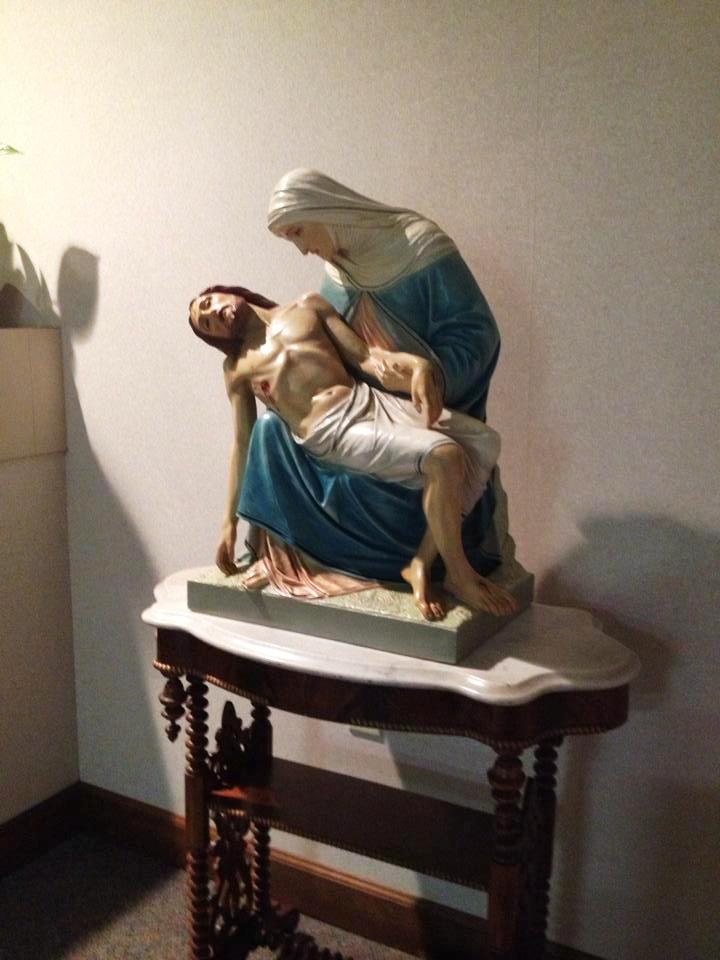
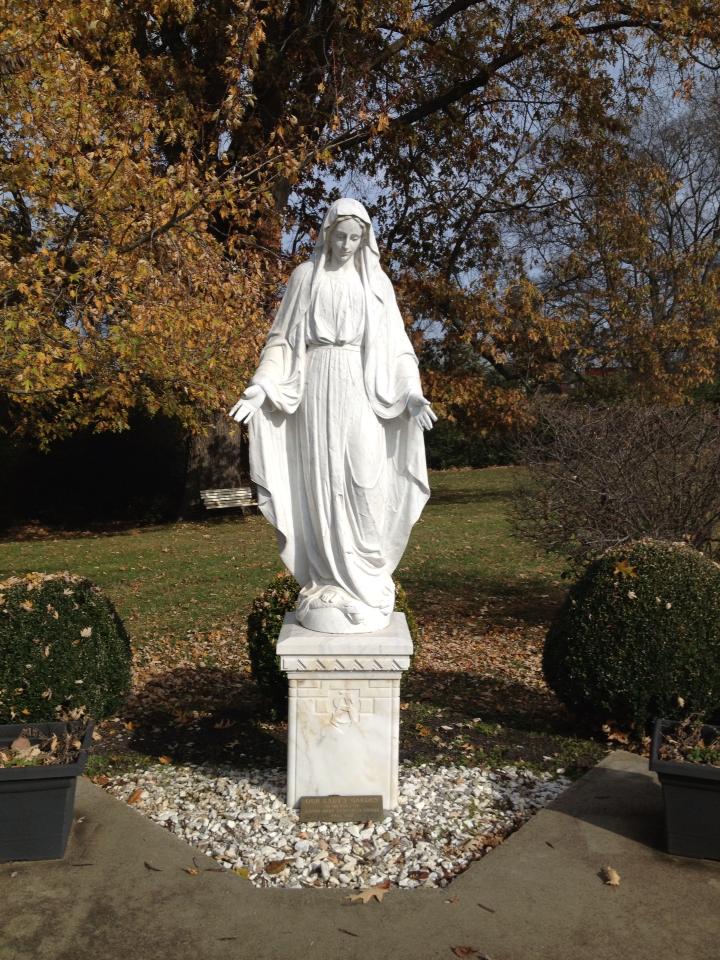
The statue of Mary and Jesus is straight ahead
mary statue

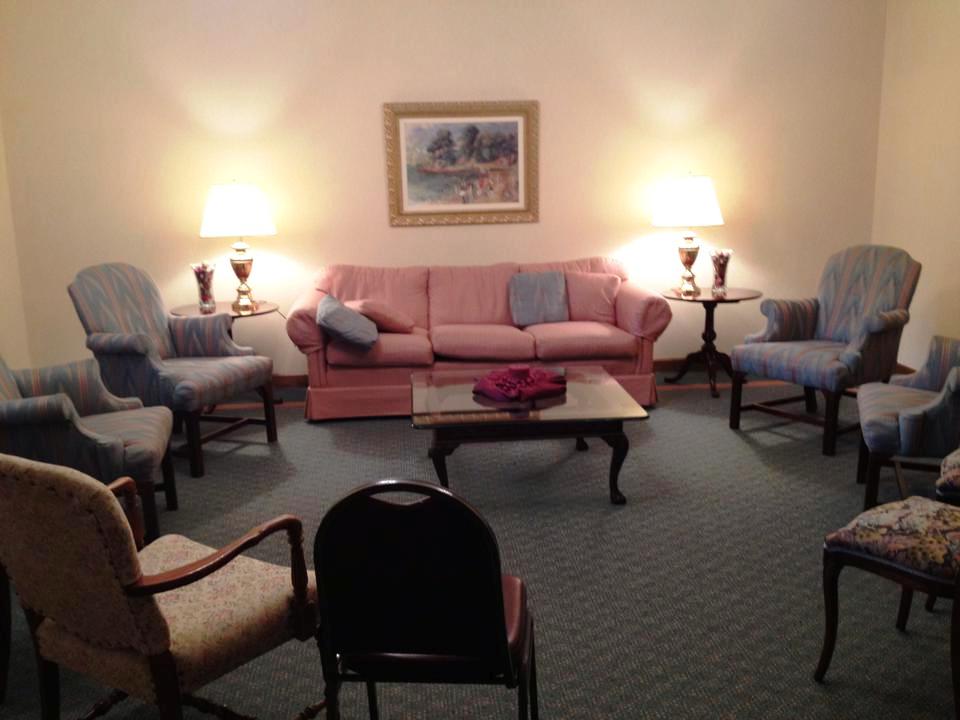
The parlor where you will meet with the other retreatants is just to your left.
parlor

If you turn to the left of the statue, you are walking to the dining hall and the chapel. Pictures of those follow in a bit.

Turning to the right of the statue, you are walking down the hallway to your room.
main hall

On the way to your room. At the end of the hall is an intersection with some plants, a Pieta nook, and a display cabinet with Mercy history.
hall2

The hallway ahead is the A wing. The B wing is to the left, and the C wing is to the right.
hall

This is looking down the A wing.
A wing

The Pieta corner is at the intersection of the three wings. It is nice to sit here at night.
pieta nook1
pieta nook2

One item in the display cabinet.
notice

The TV room for the nuns. Off limits to the retreatants. Panning right. This is at the corner of the A and B wings.
TV room3
TV room2TV room

The stained glass windows marking the library. This is at the corner of the A and C wings.
library window2library window1

In the Library
librarylibrary2

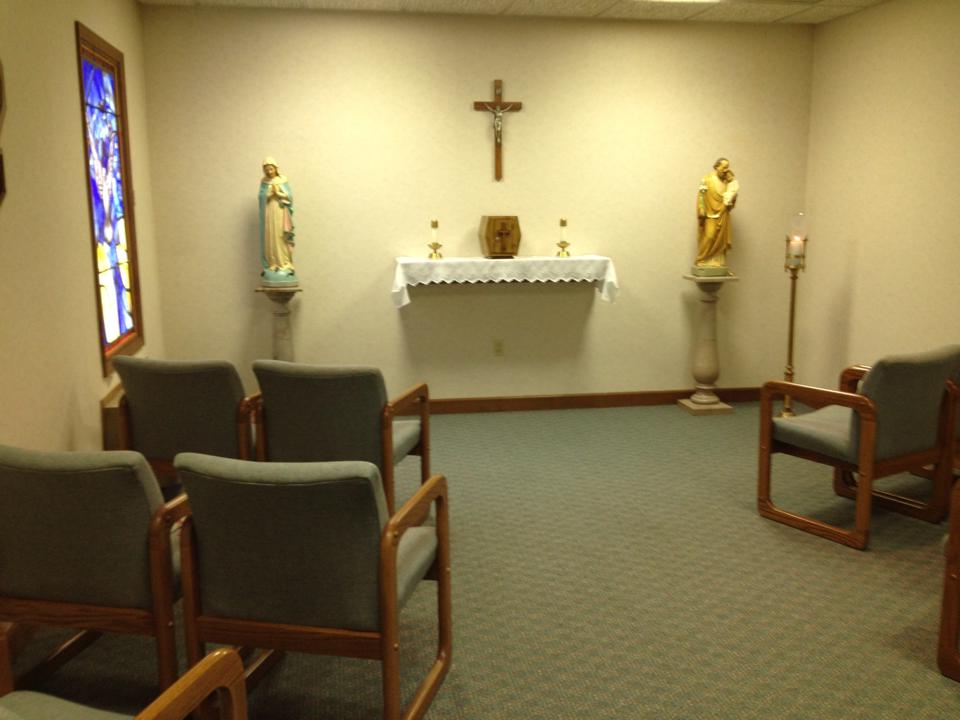
Down the hallway of the B wing is the small chapel.
small chapel

The stained-glass window there.
small chapel glass

Welcome to your room.
door2

The cross on the wall as soon as you open the door.

bedroom cross

The room. Most are laid out like this. They all used to be rooms for the retired nuns. After they “started going to heaven” as the director euphemistically says, members of the community asked if they could use the area for retreats. They said yes, as hospitality is part of their charism.
bedroom 3bedroom1

The pictures on the walls are different in every room. Some are similar. Many are of Mary and Jesus. There are usually about 4 pictures. These are various ones I’ve seen over my many times here.
bedroom art2bedroom art
room8
room9
room10
room4room5
room6room7room3
room2
room1

Instructions.
Mercy rules

A close-up of the Mercy Cross.
Mercy cross

The bathroom.
bathroom2bathroom

Even your soap is friendly.
soap

Your desk.
bedroom2

On the wall in the hallway near your room in the C wing.
sign2sign1

On the way to the day room – handrails
rail

The day room for retreatants is in the C wing.
little kitchenlittle kitchen2

Opposite the day room – an open porch. Don’t forget your key – you’ll never get back in otherwise.
open porch

Walking back to the dining room and chapel area.

Mary inside, near the dining hall and chapel. The dining hall is right, the chapel is left.
mary inside2Mary inside1

In the sacristy. A dispenser for Holy Water.
holy water1

In the chapel, just before communion. It wasn’t dark, but I had to play with the settings to get the stained glass windows to show up.

chapel1chapel3chapel2chapel4communion1communion2communion3communion5communion4communion6

The aumbry, with key.

aumbry3aumbry2aumbry1

Random prayers in the Missal that I found interesting.
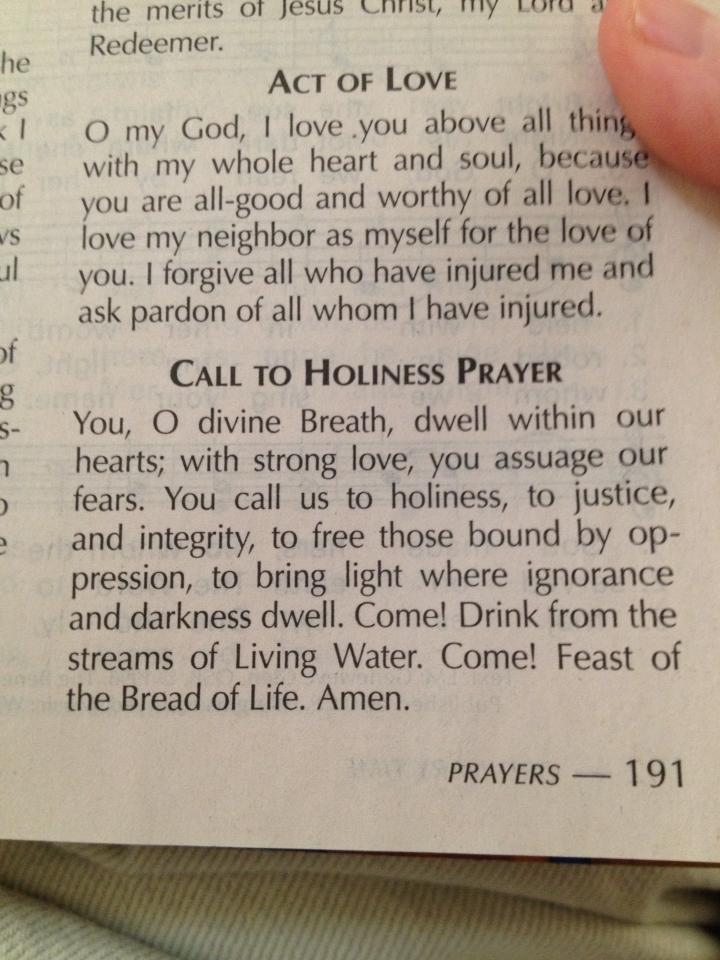
prayer2prayer

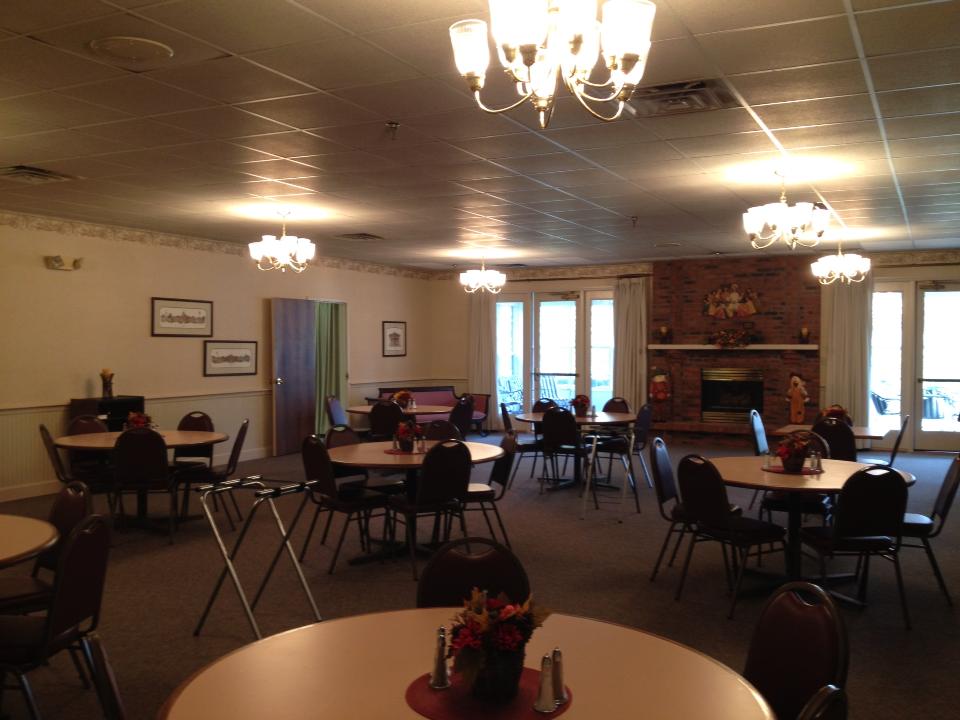
In the dining hall
dining room

The buffet line
dining2

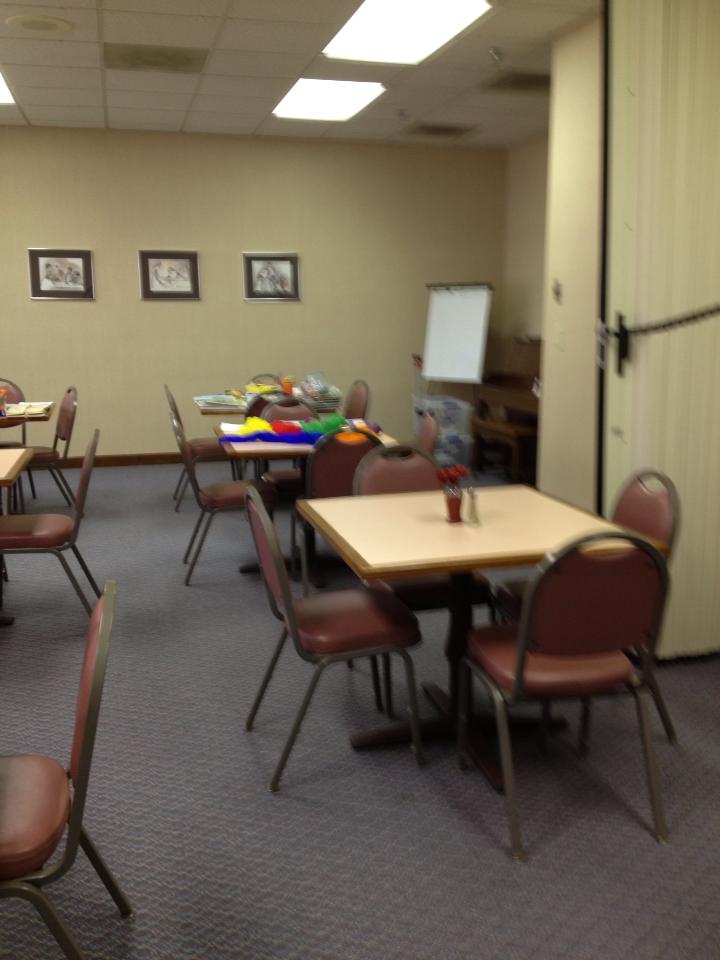
The quiet area for dining for retreatants (also where the art supplies are)
small dining room

Art supplies for retreatants
art2art3

The sun porch at the end of the dining hall – looking left
porch2

Looking right
porch1

Looking straight ahead
door

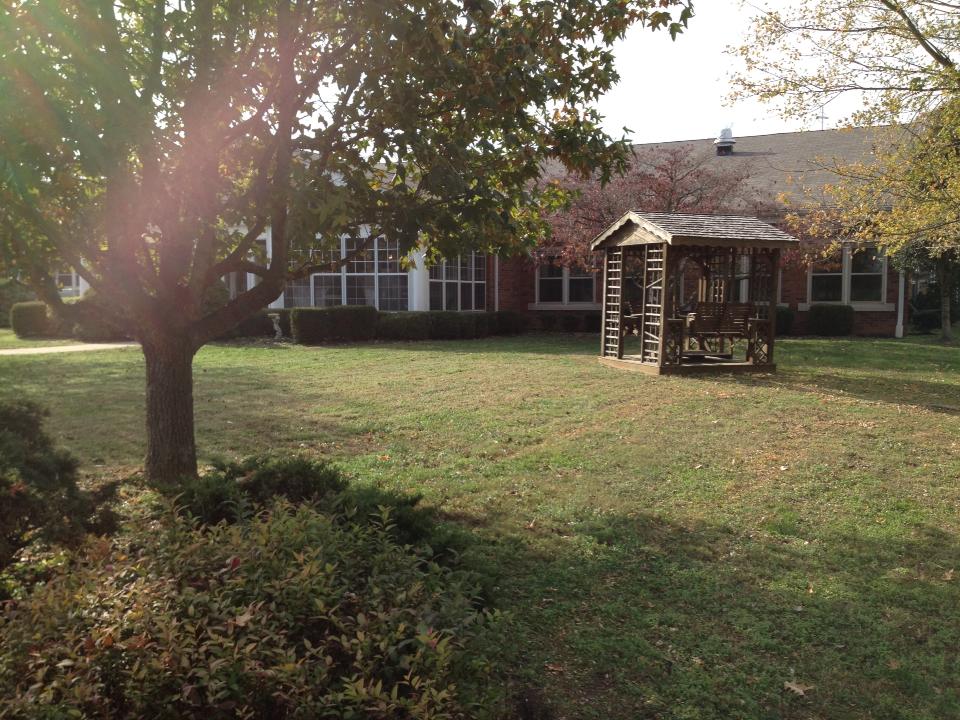
Go outside and see the yard.

A pan around the yard outside. Panning right.
yard1
yard2yard3yard4yard5yard6<a yard7yard8yard9yard10yard11<a

Mary outside
Mary3mary2mary1Mary feetMary hand

In the yard – a feather
feather

Because it is winter, you can see the nearby farm with cows.
farm

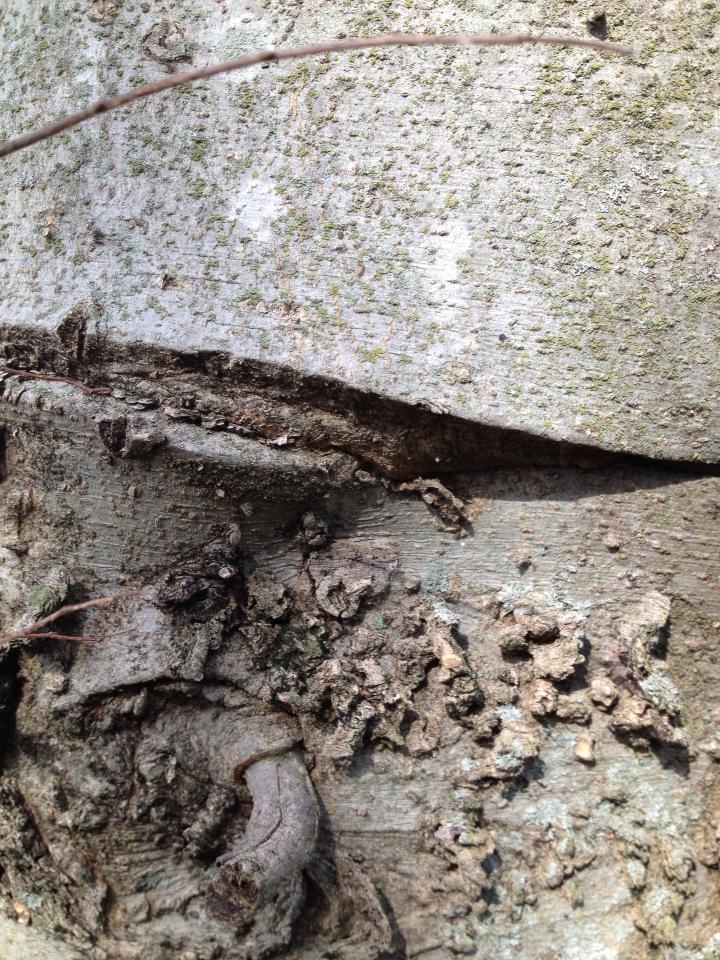
An interesting hackberry tree – note how it grows around obstacles. This is in the back yard.
tree3tree1tree2

An interesting bit of old tree with lichens.

tree4

Waiting for a hero

Maybe people are waiting for the Messiah for the same reason they are sick all the time. They think somebody else is going to rescue them. They think they don’t have to do anything about their lives. They stay children, stay passive, stay asleep.

They refuse to take care of their health, and then they are surprised when they have a chronic disease. They pray for a miracle. They expect the doctors or God to save them. How is this any different than how we live, waiting for the Messiah to make the world better? In both cases, the power is in our hands. It requires daily work made up of thousands of tiny bits of effort, not a sudden one-time push from an outside source.

Jesus didn’t want us to live like this, dependent, expecting others to rescue us. Jesus tells his disciples (that is us, by the way) that they (we) have the same powers he does. We are able to heal through our faith. We don’t have to wait for the second coming. We don’t have to wait for a Messiah.

God didn’t want the Jewish people to have a king in the first place. He didn’t want them to have a person over them. He didn’t want them to give away their power. They insisted, and God gave them what they asked for. Their history with bad rulers is well documented in the Bible.

The idea of the Messiah is that he is to be the best king. The interesting part is that Jesus came to do away with the idea of kings. He said to not have anyone over you but God. Jesus came to restore the true Ruler, who is God. Jesus came to erase the mistake of letting a person rule. Jesus came to erase all hierarchy.

Even Jesus doesn’t want to be in charge. Jesus isn’t going to come again to save you. Jesus came to tell you that you have all the tools you need, already, to do what needs to be done. Don’t think you are up to the task? He says you are. Just thinking of the possibility of making the world better is the tiny spark that is needed. It is the mustard seed.

Jesus says you don’t need to be saved. Jesus says you aren’t lost.

Pray too late

I can’t make myself pray for people who have put themselves in a hole. They say “I need a miracle to help me get out of here”, and I say “What is the point?” You didn’t fall in. You climbed in, knowingly, for a decade.

It isn’t an accident that they have lung cancer or clogged arteries. Smoking cigarettes and eating poorly and refusing to exercise are choices. They chose to get sick, one bad decision at a time, over and over. So why pray for healing?

I know a guy who was slated to have heart surgery to clear up a blockage. They had to stop the procedure when they realized that the 30% blockage was really a 90% blockage. They’ll try again later. I’ve gotten emails and private messages asking me (and hundreds of others) to pray for him. The problem is, he weighs over 300 pounds. He put himself in this situation. Why pray? Why ask for divine intervention?

When my Mom got lung cancer after smoking two packs of cigarettes a day for 20 years, she was surprised. No amount of praying was going to undo that damage. No miracle was going to happen. When we came back from the doctor’s after finding out the diagnosis, she asked me if she could smoke. She’d thrown out her cigarettes when we were going to the doctors. She had an idea what was going to happen. The cigarettes were still in the house – but in the trash can. I told her that I would refuse to help her get better if she continued to smoke. Why waste my time?

There were plenty of people who would stand outside the cancer doctor’s office and smoke a cigarette before getting their treatment. What a waste. What stupidity.

I remember reading about how money is tight in England, and with the state-funded medical insurance program, they have to be very mindful about their resources. An overweight, elderly smoker who needs a heart transplant is likely to get passed over in favor of the younger person who doesn’t smoke. They take the time and money and spend it on someone who is likely to get some use out it. Why waste resources on someone who is going to waste it? I remember Americans being all up in arms about this. “Dignity of human life” and “How dare they” and “That isn’t fair” and all that, they said. Nonsense. Why put forth the effort when the person isn’t putting forth the effort?

Why pray for the person to be healed when they aren’t doing anything for themselves? Too late. The horse has already left the barn.

I really don’t feel I have the right words for this. I’ve thought about this for years, and I still don’t know exactly how to say it. I’m so frustrated with people waiting to the last minute and doing all the wrong things for their health and then being surprised that they have a chronic disease. Are we so blind as a nation, as human beings, that we think we can get by without paying the consequences? Are we so stupid that we think we should reap when we didn’t sow? Why do we think we are entitled to health when we refuse to create it? Good health isn’t an accident. Will power isn’t for the few. So many people are unwilling to work for their health, and then expect everybody else to feel sorry for them.

Maybe that is the problem. Passive lives all around. We don’t think about how we have to do things for ourselves. We blame others for our own failures. We blame our parents, our genes, our teachers for our own failures. We don’t have someone putting good food in front of us as adults – we have to provide it. Like children, we delight in treating ourselves with snacks and desserts. We pleasure ourselves every day with things that are bad for us, refusing to even try real food. We get a perverse pleasure out of not exercising, saying “you can’t tell me what to do.” We are children, not adults. We are killing ourselves with our childish behavior too.

No prayers. No miracles. We can’t wait for a savior. We have to save ourselves.

Heavy words

Some people just aren’t very good at carrying things. Consider if you were going to move. Do you ask someone who weighs 87 pounds and is very frail to help you move your big-screen television and your sofa? Of course not. If they trying to carry that they will get very hurt. Your sofa or your television might get dropped as well. You’ll be sad or angry and your friend will be embarrassed and hurt.

Likewise, if you have emotional things that need to be carried it’s important to find the right person. Some people simply cannot handle other people’s feelings. This often means that they can’t handle their own either. Say you tell someone about something that is very difficult for you. There is something really heavy going on in your life, and you need to share it. If the person listens intently and compassionately, then they are a good person to carry this. If they can listen in a way that helps you and doesn’t harm them, then you are both OK. But if they get angry that you told them, or secretly complain that you confided in them, or even worse, they start to tell you about something worse that happened to them, then you know they can’t carry your problems.

The goal of compassionate listening is to carry with, not carry for. The listener isn’t taking away the problem – they are just making it easier for the speaker to carry their own problems. The best kind of listener helps the other person feel better just for having been there. They don’t have to fix the problem, they just have to listen.

It is just like lending someone something. If you have a new friend and you lend them a book it is best to lend them only one to start off with. See how they act with it. Do they give it back within a week? Or do they forget about it for a year? When they return it do they return it in the same condition that you lent it to them? Or is it dog-eared and underlined and dirty? Is the dust jacket ripped off? If they can properly handle one item that was lent to them, then you might lend them more next time. But you probably won’t let them borrow 10 at a time until they have really proven themselves.

The same is true with feelings. Not everybody can handle them. Sometimes they are just too heavy, or the person isn’t strong enough.

Restaurant thoughts – too loud

I’ve realized that I really don’t like eating out. I do like the idea of someone else making food for me, and someone else doing the dishes. But I don’t like that the food is often not very healthy, and the ambiance is often a little overwhelming. Restaurants can be very loud when there are other customers there.

Sometimes I think I want to rent a restaurant and invite just my friends. Or maybe I want to go to a restaurant that has a limit on the number of people that can be in it. And maybe even the kind of people. Loud, shrill voices are not great for the digestion. This is regardless of age.

I have actually asked to move tables when people have ordered tequila or margaritas. What is it about social drinking that makes people unsociable? They laugh too loud and too high pitched. They become boisterous and belligerent. I’ve also asked to be seated in a different area if there are families with small children. I don’t think it is charming to see a toddler running all over the area, yelling at the top of his lungs.

There are very few restaurants that will go up to the customers who are being loud and ask them to be quiet. They think that if they do, the customer won’t come back. They don’t get that the good customers, the other ones who are not being loud, will really be the ones who won’t come back if this keeps happening. Then the restaurant will be filled with only loud, obnoxious people.

Hagar and the well

Let’s look at Hagar in the Old Testament. Her son was smacked talking Sarah. In order to have peace, Abraham kicked her out. To throw her out at that time meant certain death.

They were nomadic people camping in the desert. There wasn’t anywhere else she could go. She went out by herself with her son and all she could see was desert. She knew they were done for.

She started crying out to God. He heard her and he opened her eyes. There was a well nearby that she not noticed. It’s not that God had suddenly made the well appear. Rather he opened her eyes so that she could see what was already there. What she needed to survive was right there next to her.

Are our lives like that as well? How many times do we think that we are lost? How many times do we think there is no hope? If we cry out to God, God can open our eyes and show us that what we need is right next to us.

Our eyes are then open to new opportunities and new possibilities. But in order for them to be open we have to hit rock bottom and ask for help. It is kind of like being an alcoholic. Before you’re able to get real help you have to hit the bottom.

Hagar had certainly hit the bottom. She called out to the only one that she knew could help her, and her eyes were opened. That’s the order of things. It isn’t that we see it first. It’s that we feel helpless and hopeless. Then we call out to God. Then our eyes are opened, and only then can we see our way out.

Genesis 21:9-20
9 And Sarah saw the son of Hagar the Egyptian, whom she had borne unto Abraham, mocking. 10 Wherefore she said unto Abraham, Cast out this handmaid and her son. For the son of this handmaid shall not be heir with my son, even with Isaac. 11 And the thing was very grievous in Abraham’s sight on account of his son. 12 And God said unto Abraham, Let it not be grievous in thy sight because of the lad, and because of thy handmaid. In all that Sarah saith unto thee, hearken unto her voice. For in Isaac shall thy seed be called. 13 And also of the son of the handmaid will I make a nation, because he is thy seed. 14 And Abraham rose up early in the morning, and took bread and a bottle of water, and gave it unto Hagar, putting it on her shoulder, and gave her the child, and sent her away. And she departed, and wandered in the wilderness of Beer-sheba. 15 And the water in the bottle was spent, and she cast the child under one of the shrubs. 16 And she went, and sat her down over against him a good way off, as it were a bowshot. For she said, Let me not look upon the death of the child. And she sat over against him, and lifted up her voice, and wept. 17 And God heard the voice of the lad. And the angel of God called to Hagar out of heaven, and said unto her, What aileth thee, Hagar? Fear not. For God hath heard the voice of the lad where he is. 18 Arise, lift up the lad, and hold him in thy hand. For I will make him a great nation. 19 And God opened her eyes, and she saw a well of water. And she went, and filled the bottle with water, and gave the lad drink. 20 And God was with the lad, and he grew. And he dwelt in the wilderness, and became, as he grew up, an archer. (ASV)