Poem sideways

Perhaps you’ll find a way,
pretty much as a sign
of strength
or weakness
or God.

Once you have been there
it is all the same
after a while
anyway.

Every day I was in college when we were
going through
a good idea
something happened
that caught my head,
turned me around.

Maybe they do it on purpose.
Maybe they knew it.
Maybe it is part of the tuition.

Maybe the real lesson
is always to be found
between
and sideways
and never
straight on.

Virtual retreat

I like going on retreat to Mercy Convent, a home for retired Sisters of Mercy. I’m fortunate that this place is about thirty minutes from my house. I wish I could go here every month. Honestly, I wish I could live here. The last time I was on retreat (11-15-14) I took several pictures so I could share the feeling of being there virtually.

Welcome!

welcome

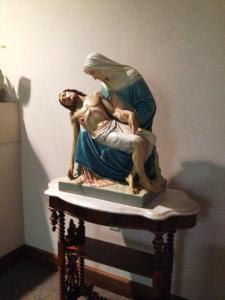
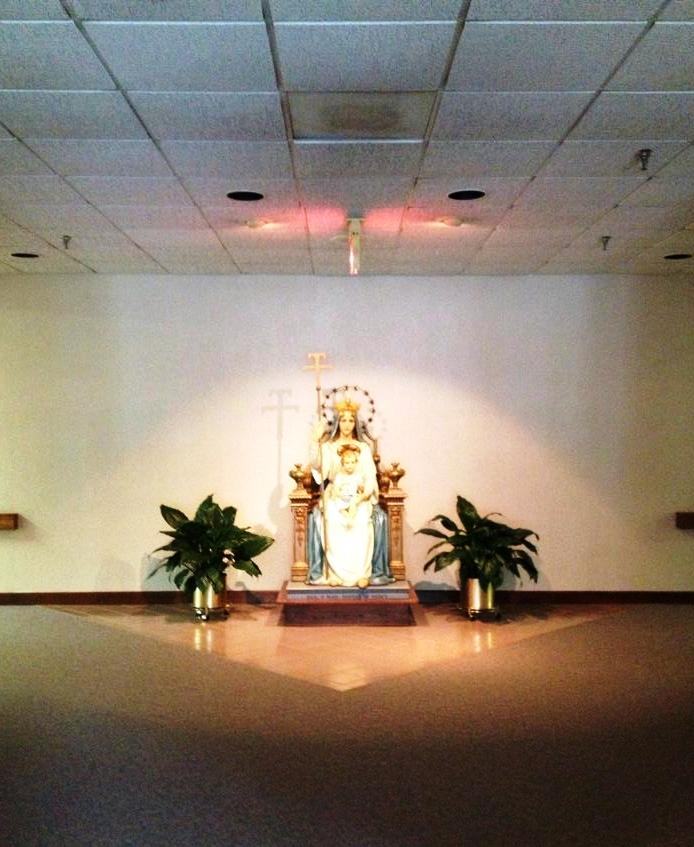
The statue of Mary and Jesus is straight ahead
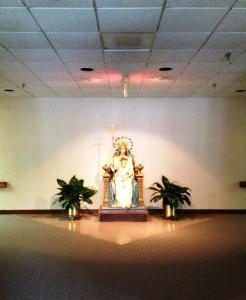
mary statue

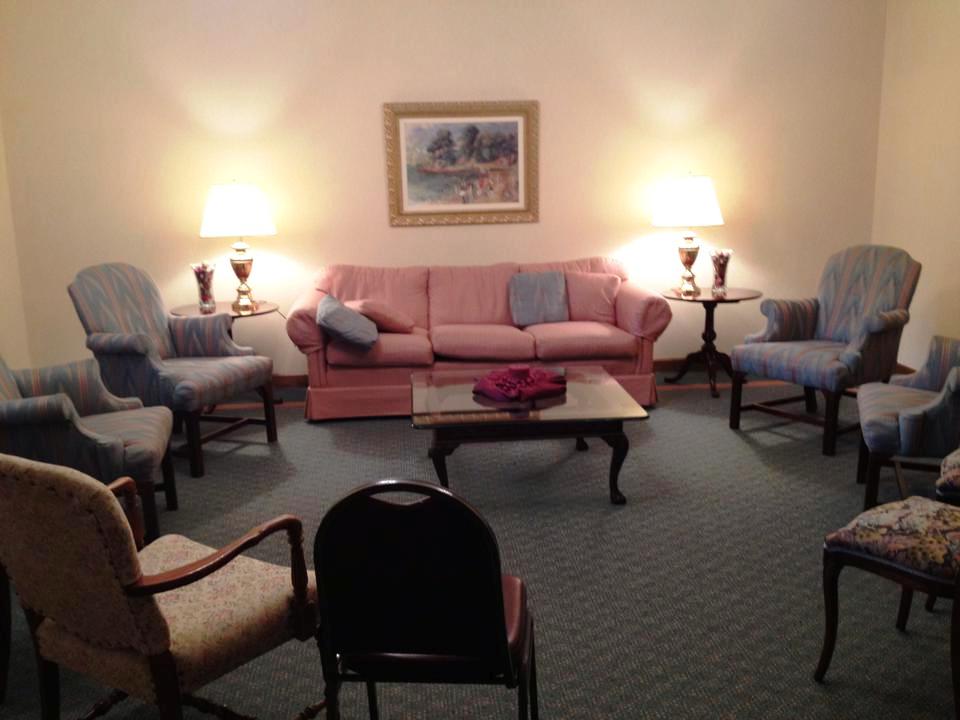
The parlor where you will meet with the other retreatants is just to your left.
parlor

If you turn to the left of the statue, you are walking to the dining hall and the chapel. Pictures of those follow in a bit.

Turning to the right of the statue, you are walking down the hallway to your room.

main hall

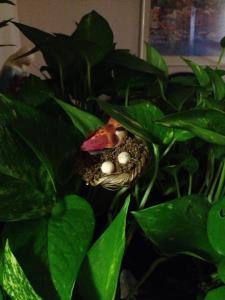
On the way to your room. At the end of the hall is an intersection with some plants, a Pieta nook, and a display cabinet with Mercy history.
hall2

The hallway ahead is the A wing. The B wing is to the left, and the C wing is to the right.
hall

This is looking down the A wing.
A wing

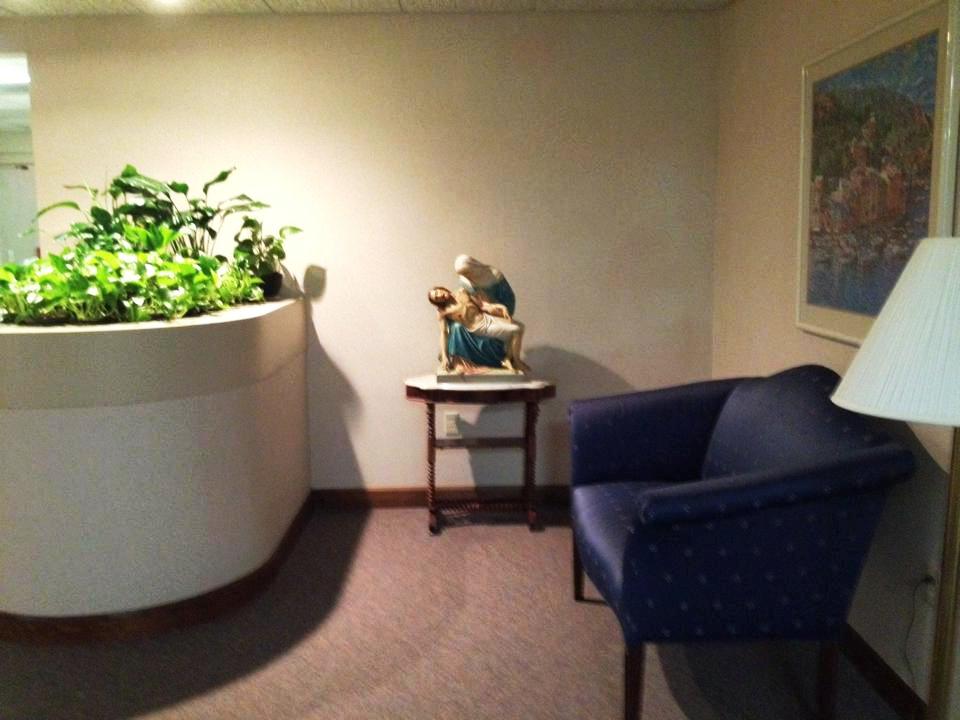
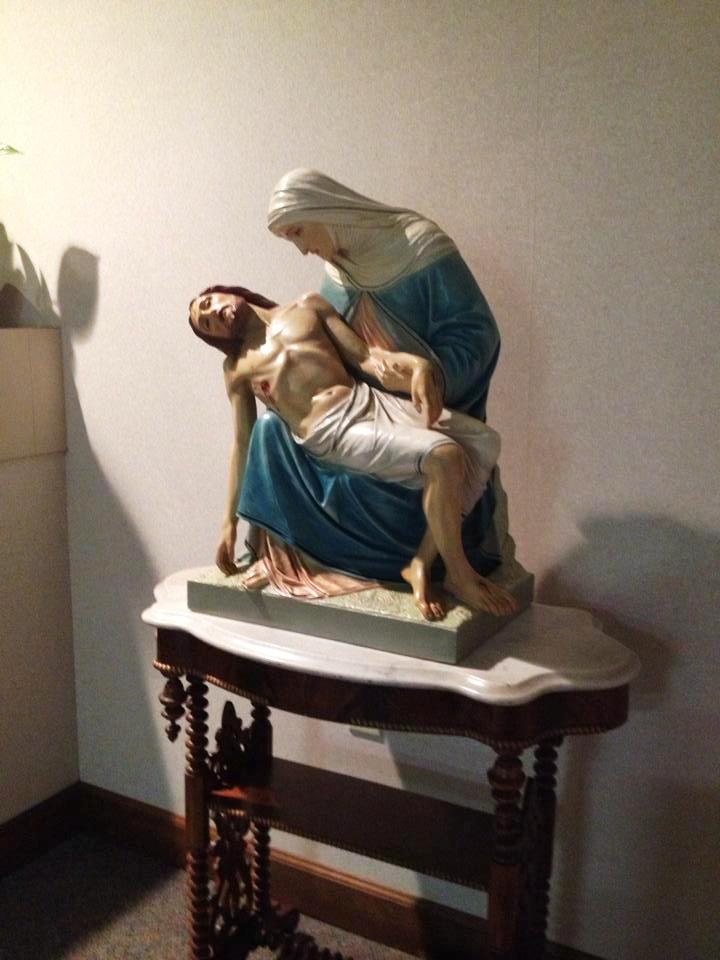
The Pieta corner is at the intersection of the three wings. It is nice to sit here at night.

pieta nook1
pieta nook2

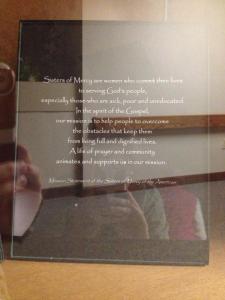
One item in the display cabinet.
notice

The TV room for the nuns. Off limits to the retreatants. Panning right. This is at the corner of the A and B wings.
TV room3
TV room2TV room

The stained glass windows marking the library. This is at the corner of the A and C wings.

library window2library window1

In the Library
librarylibrary2

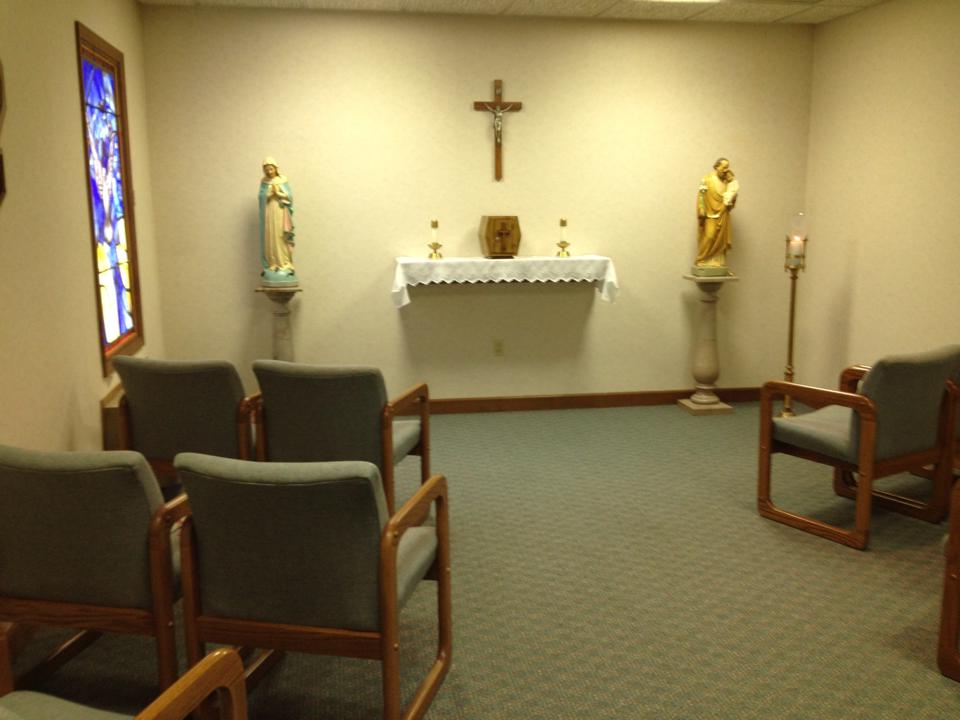
Down the hallway of the B wing is the small chapel.
small chapel

The stained-glass window there.
small chapel glass

Welcome to your room.
door2

The cross on the wall as soon as you open the door.

bedroom cross

The room. Most are laid out like this. They all used to be rooms for the retired nuns. After they “started going to heaven” as the director euphemistically says, members of the community asked if they could use the area for retreats. They said yes, as hospitality is part of their charism.
bedroom 3bedroom1

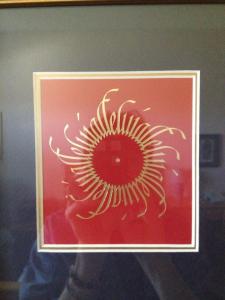
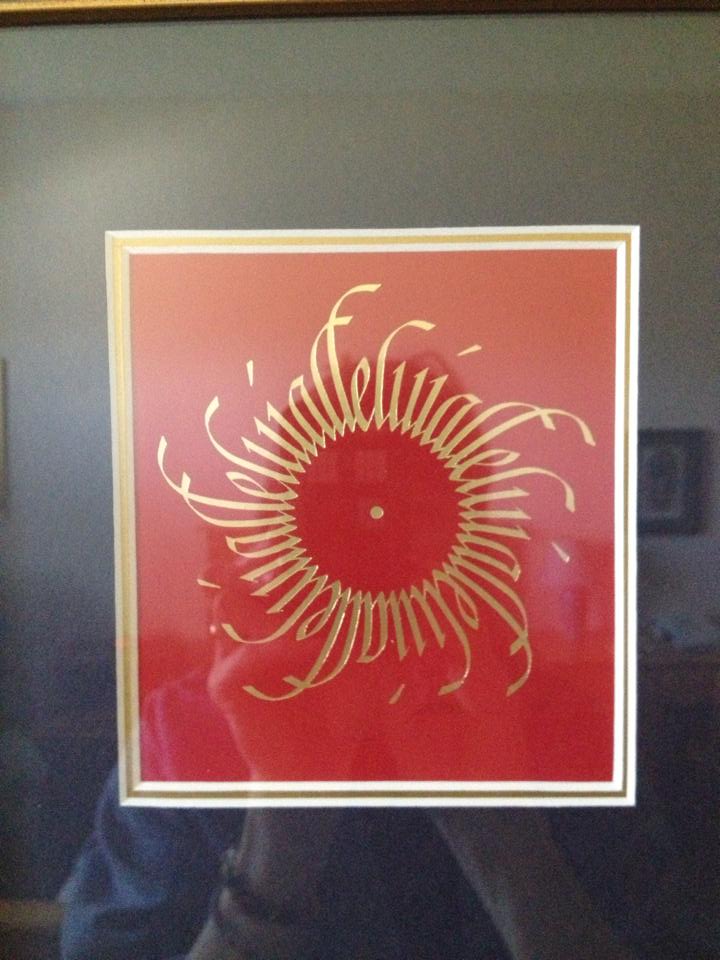
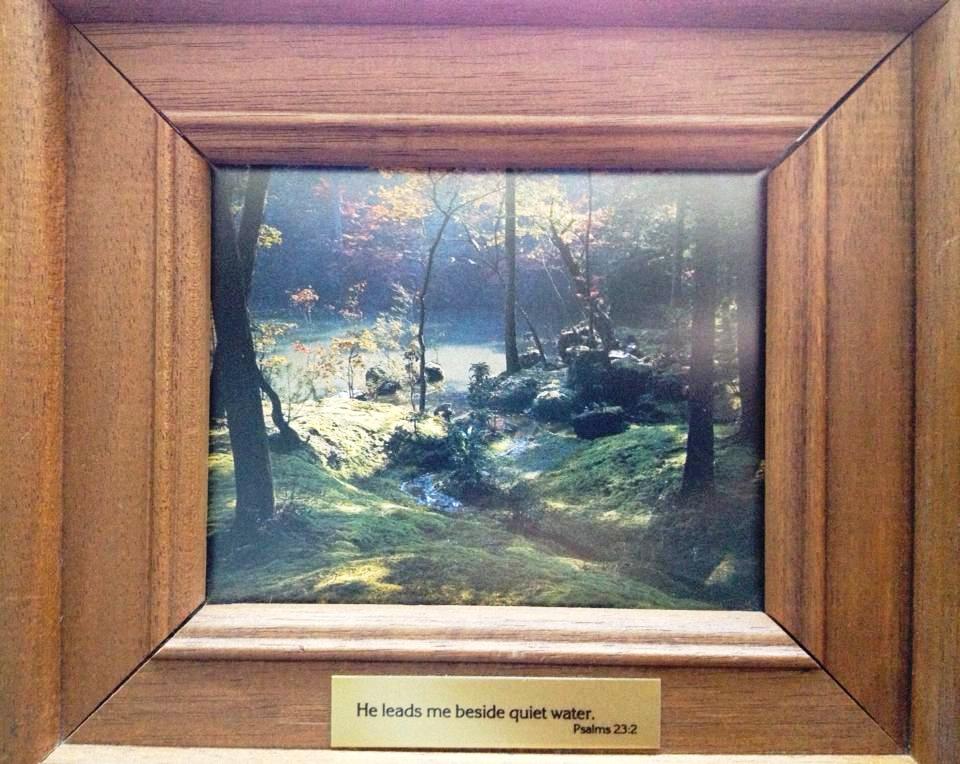
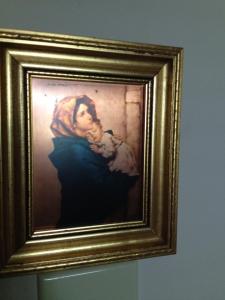
The pictures on the walls are different in every room. Some are similar. Many are of Mary and Jesus. There are usually about 4 pictures. These are various ones I’ve seen over my many times here.
bedroom art2bedroom art
room8
room9
room10
room4room5
room6room7room3
room2
room1

Instructions.
Mercy rules

A close-up of the Mercy Cross.
Mercy cross

The bathroom.
bathroom2bathroom

Even your soap is friendly.
soap

Your desk.
bedroom2

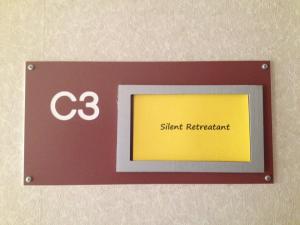
On the wall in the hallway near your room in the C wing.
sign2sign1

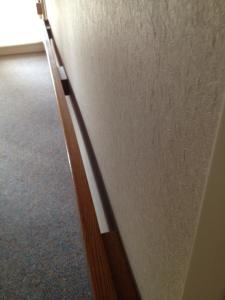
On the way to the day room – handrails
rail

The day room for retreatants is in the C wing.
little kitchenlittle kitchen2

Opposite the day room – an open porch. Don’t forget your key – you’ll never get back in otherwise.
open porch

Walking back to the dining room and chapel area.

Mary inside, near the dining hall and chapel. The dining hall is right, the chapel is left.
mary inside2Mary inside1

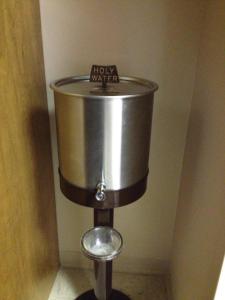
In the sacristy. A dispenser for Holy Water.
holy water1

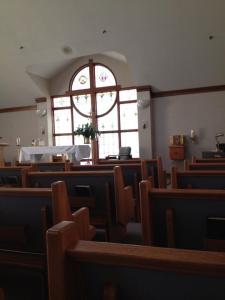
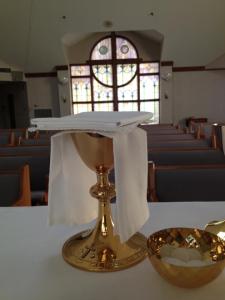
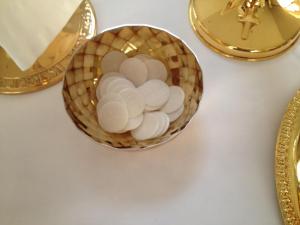
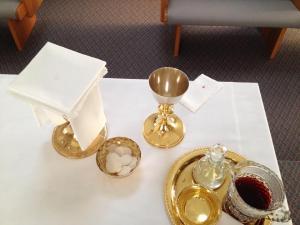
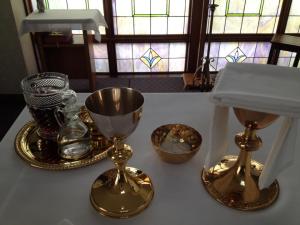
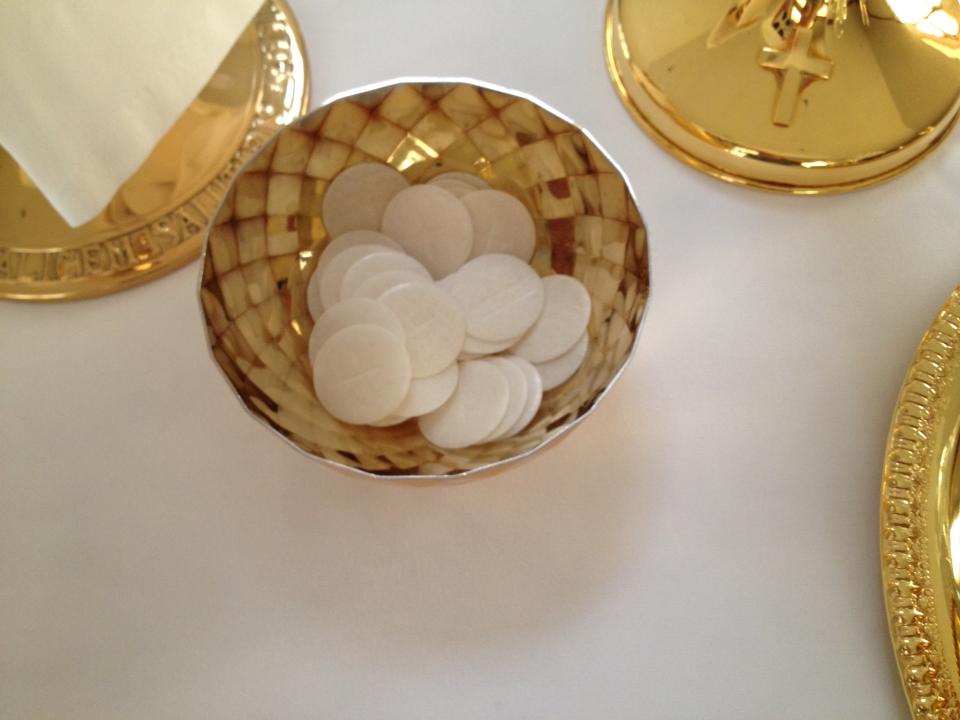
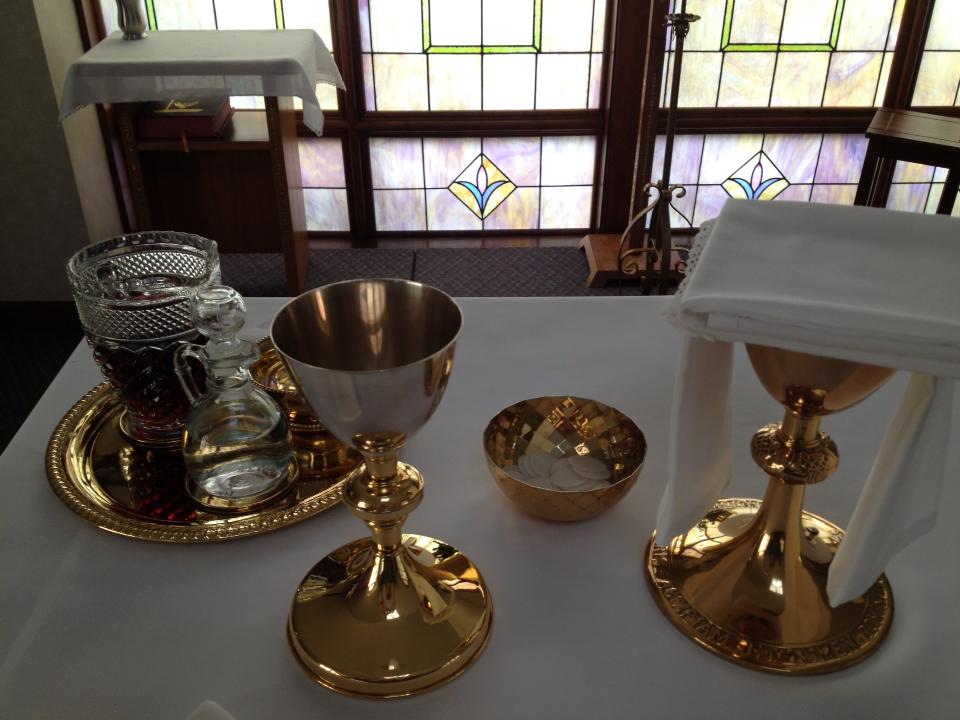
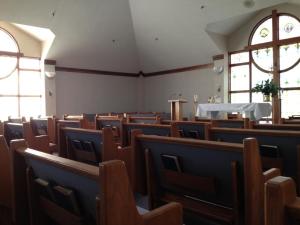
In the chapel, just before communion. It wasn’t dark, but I had to play with the settings to get the stained glass windows to show up.
chapel1chapel3chapel2chapel4communion1communion2communion3communion5communion4communion6

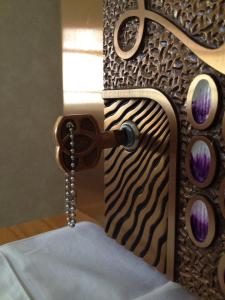
The aumbry, with key.

aumbry3aumbry2aumbry1

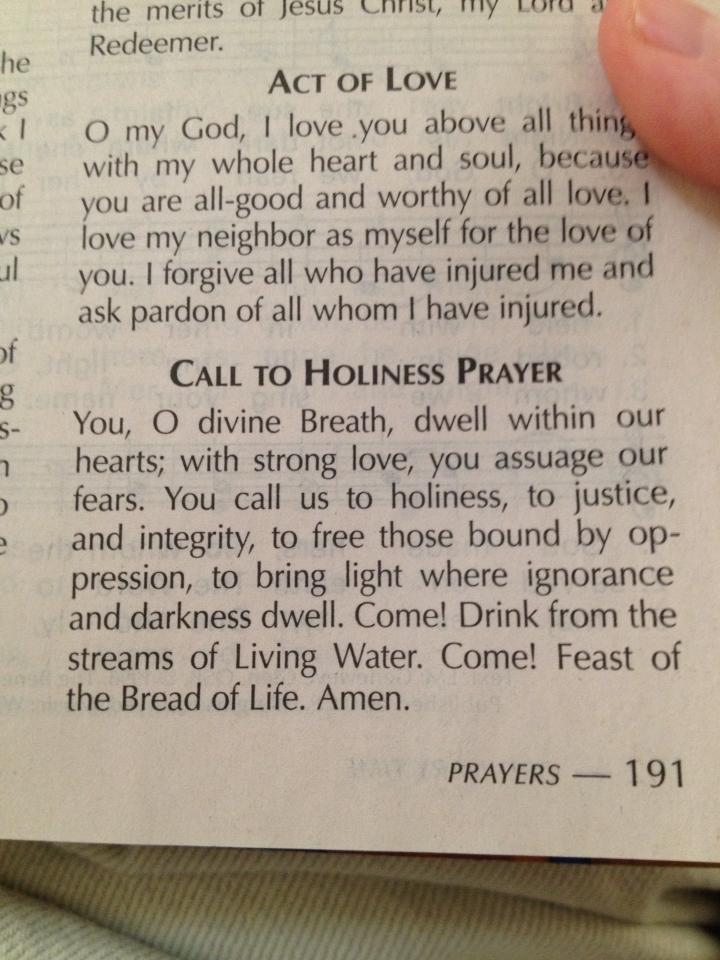
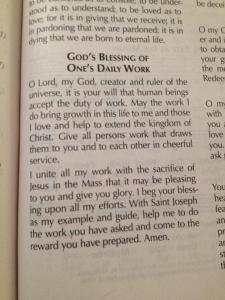
Random prayers in the Missal that I found interesting.
prayer2prayer

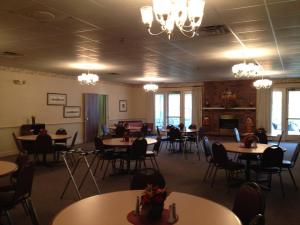
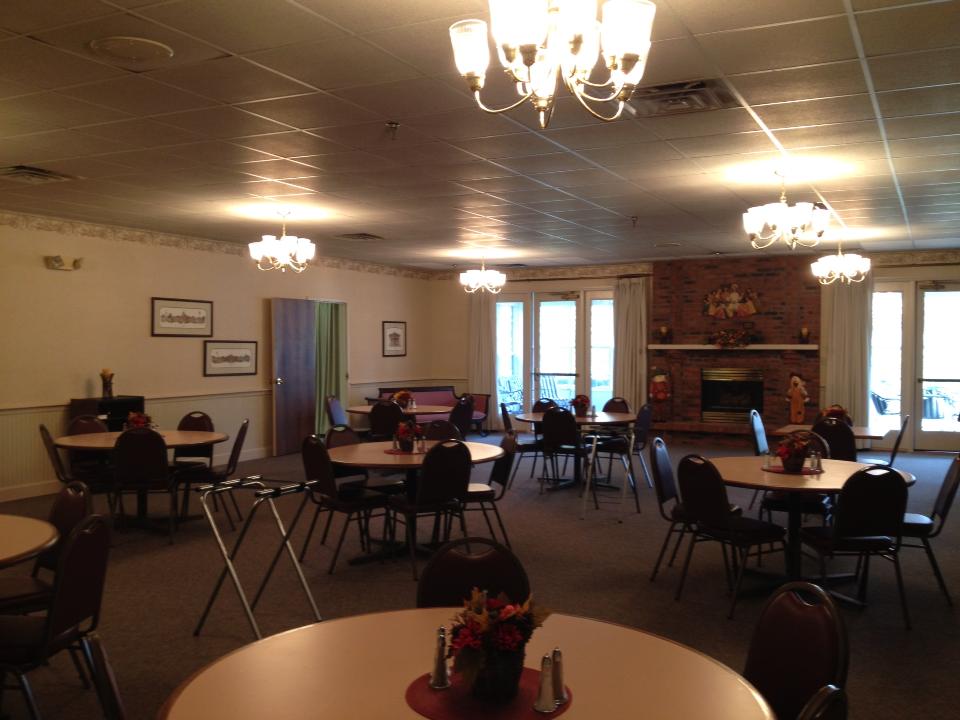
In the dining hall
dining room

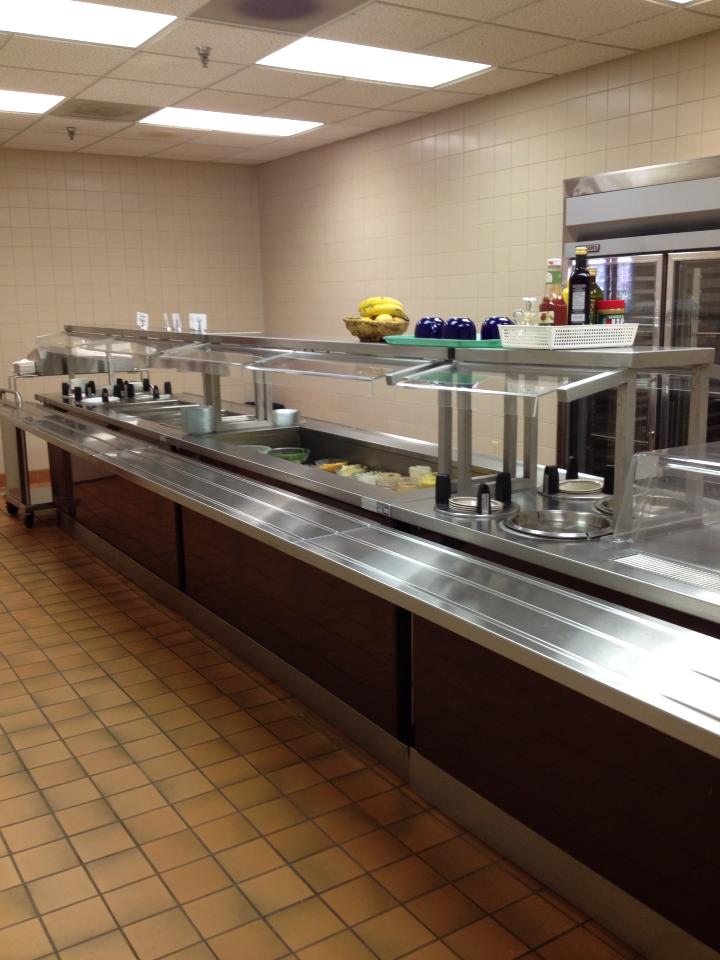
The buffet line
dining2

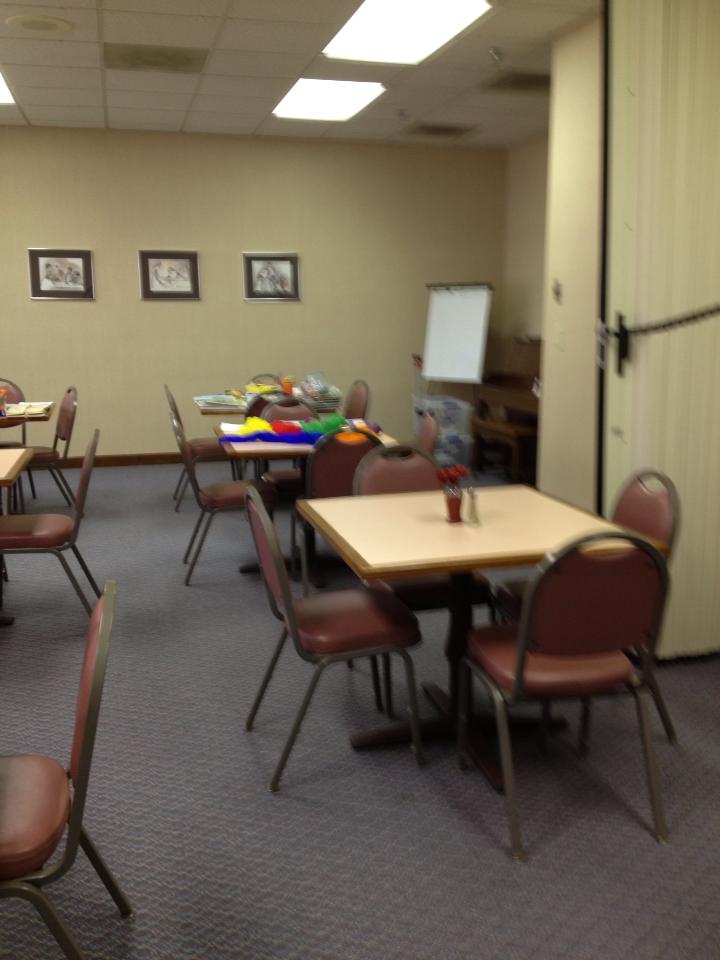
The quiet area for dining for retreatants (also where the art supplies are)
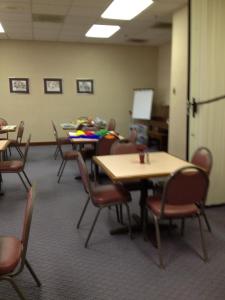
small dining room

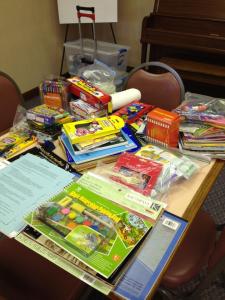
Art supplies for retreatants
art2art3

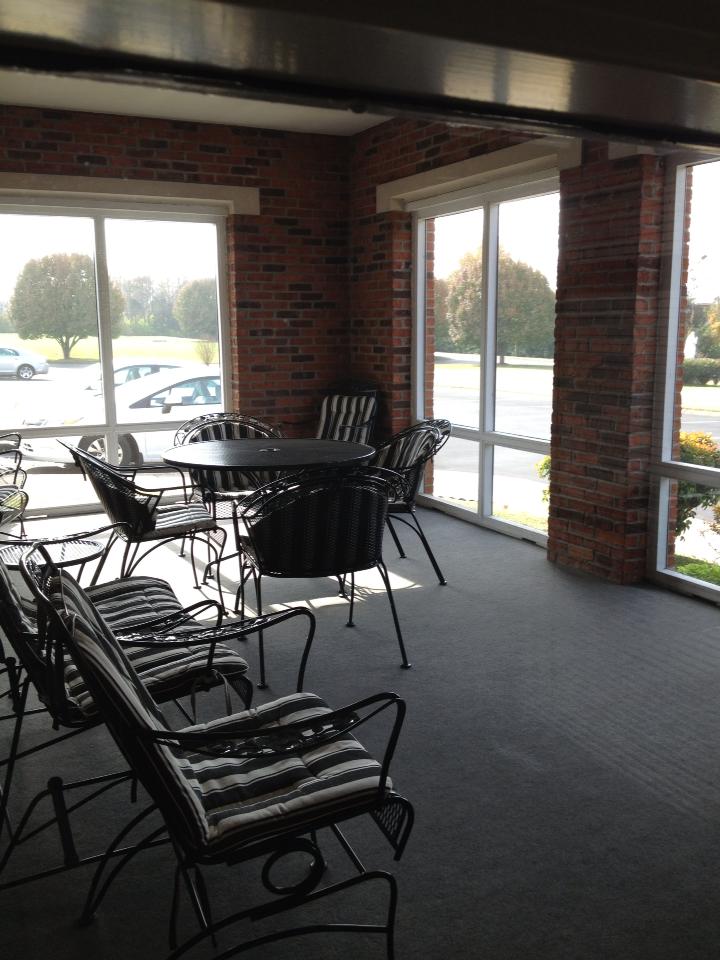
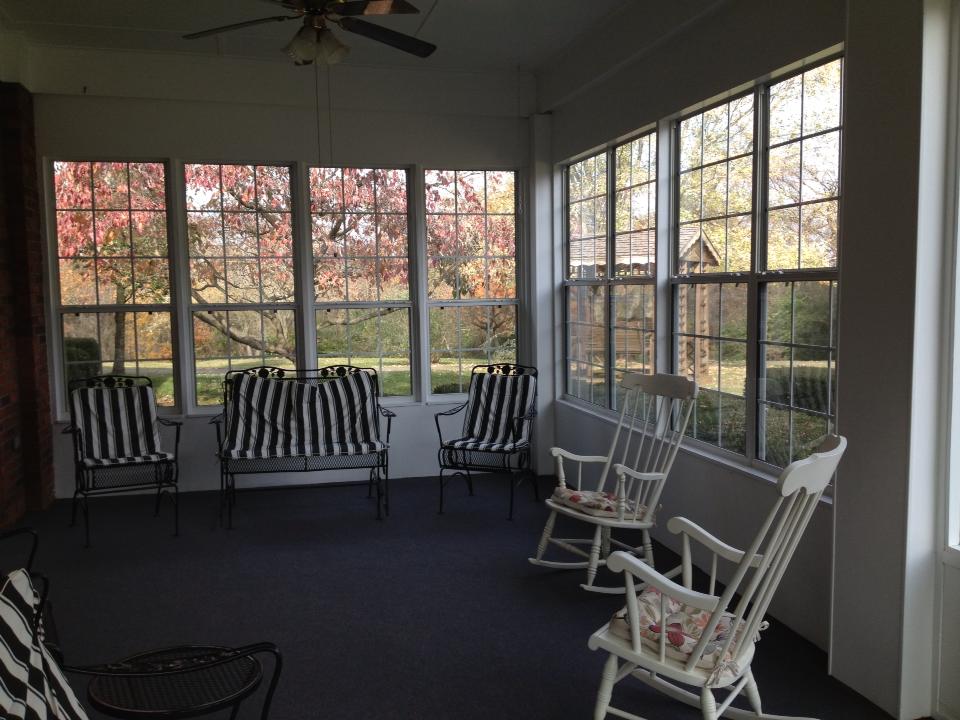
The sun porch at the end of the dining hall – looking left

porch2

Looking right
porch1

Looking straight ahead
door

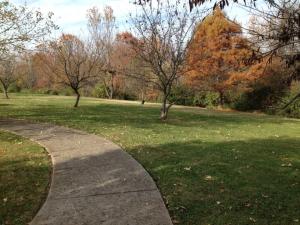
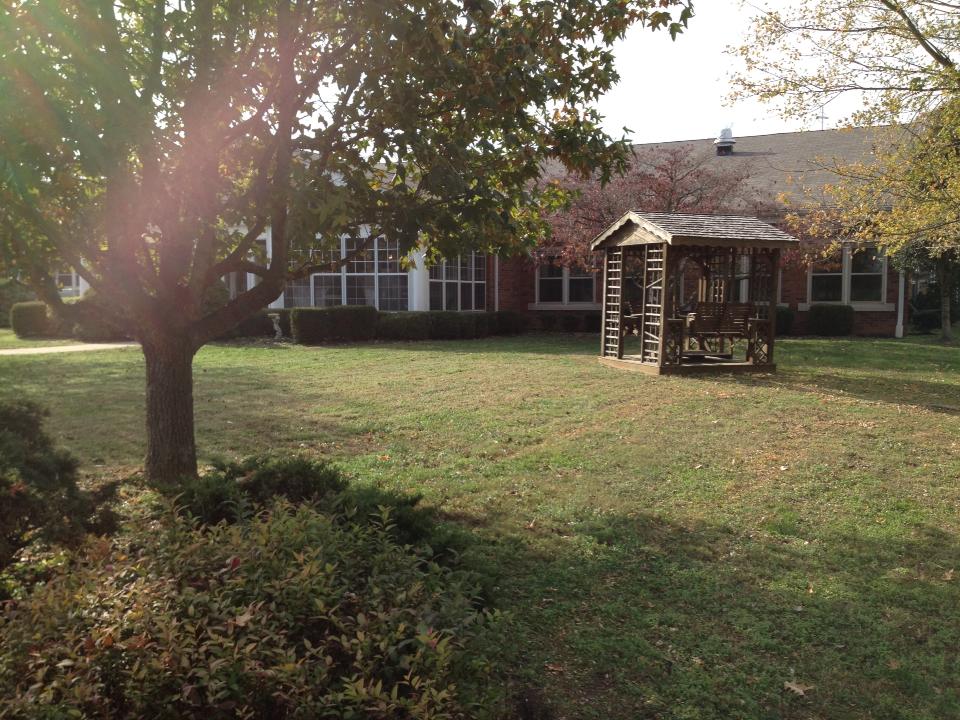
Go outside and see the yard.

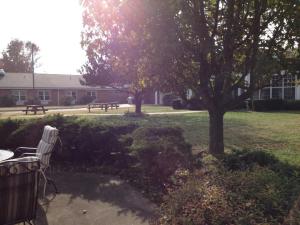
A pan around the yard outside. Panning right.
yard1
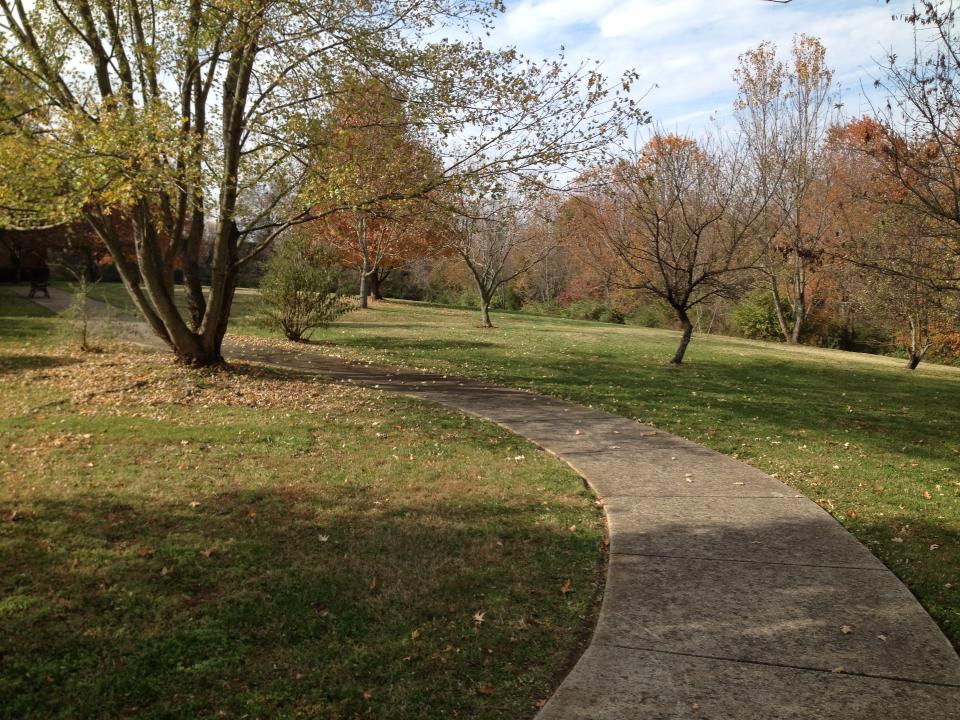
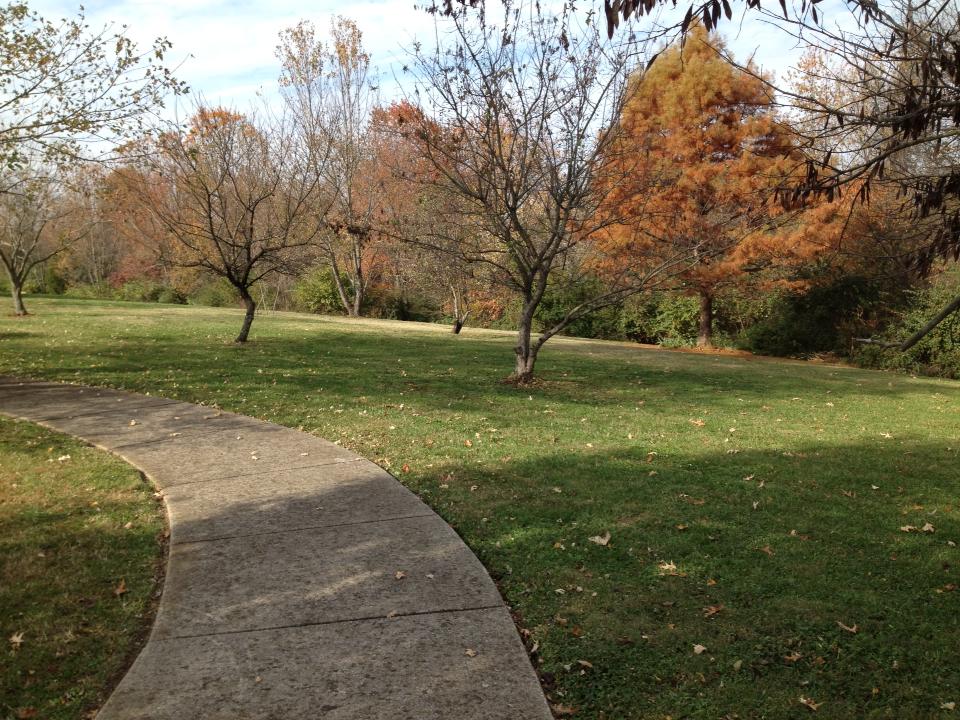
yard2yard3yard4yard5yard6<a yard7yard8yard9yard10yard11<a

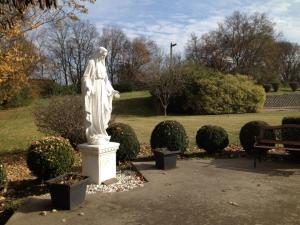
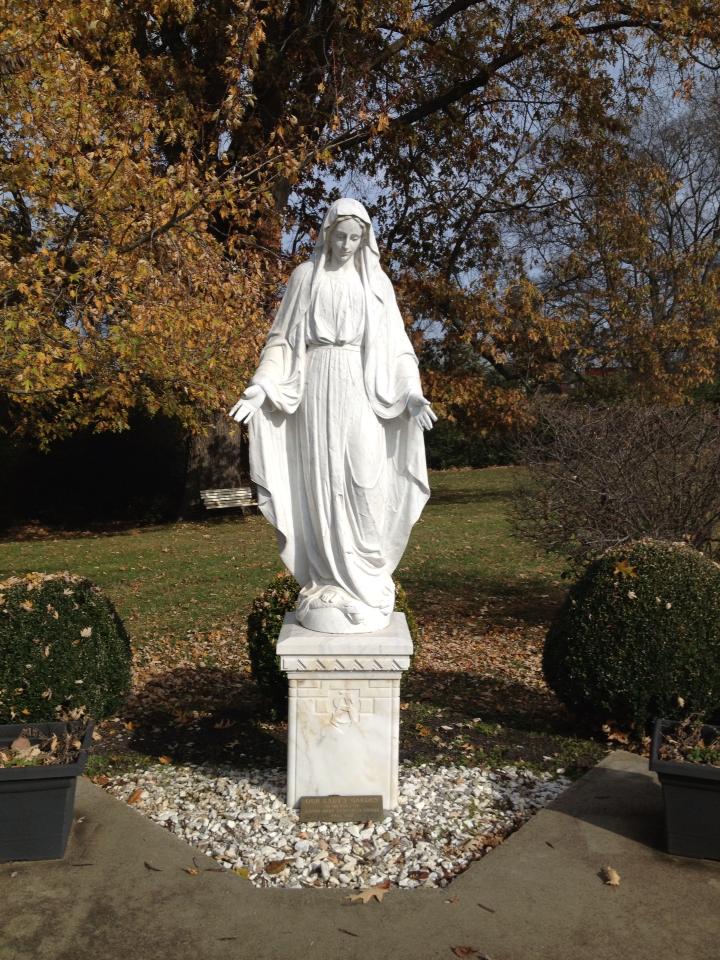
Mary outside
Mary3mary2mary1Mary feetMary hand

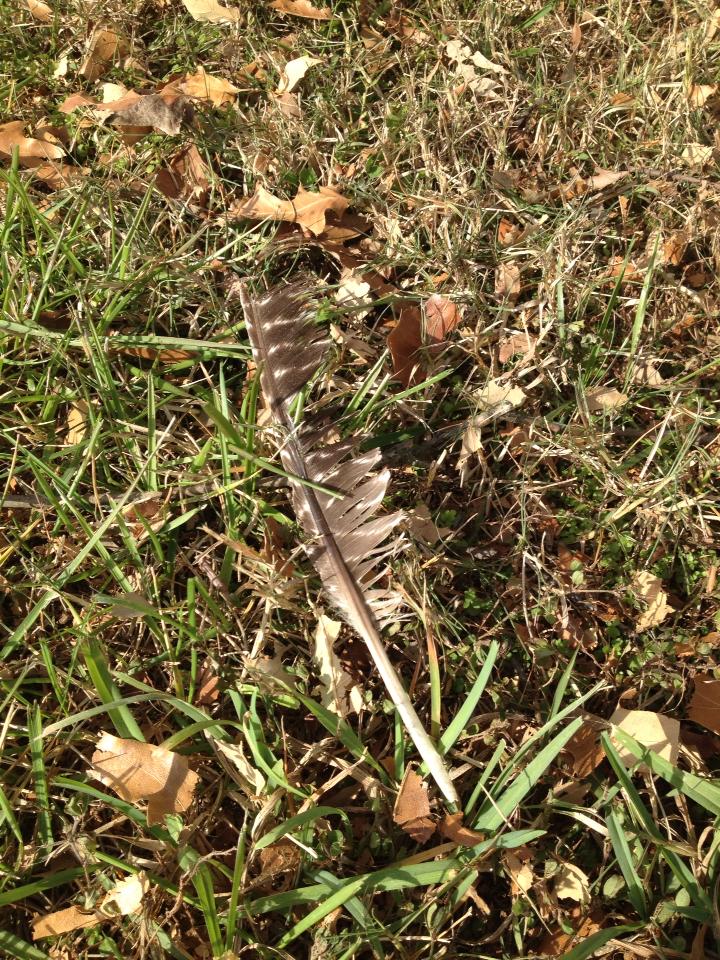
In the yard – a feather
feather

Because it is winter, you can see the nearby farm with cows.
farm

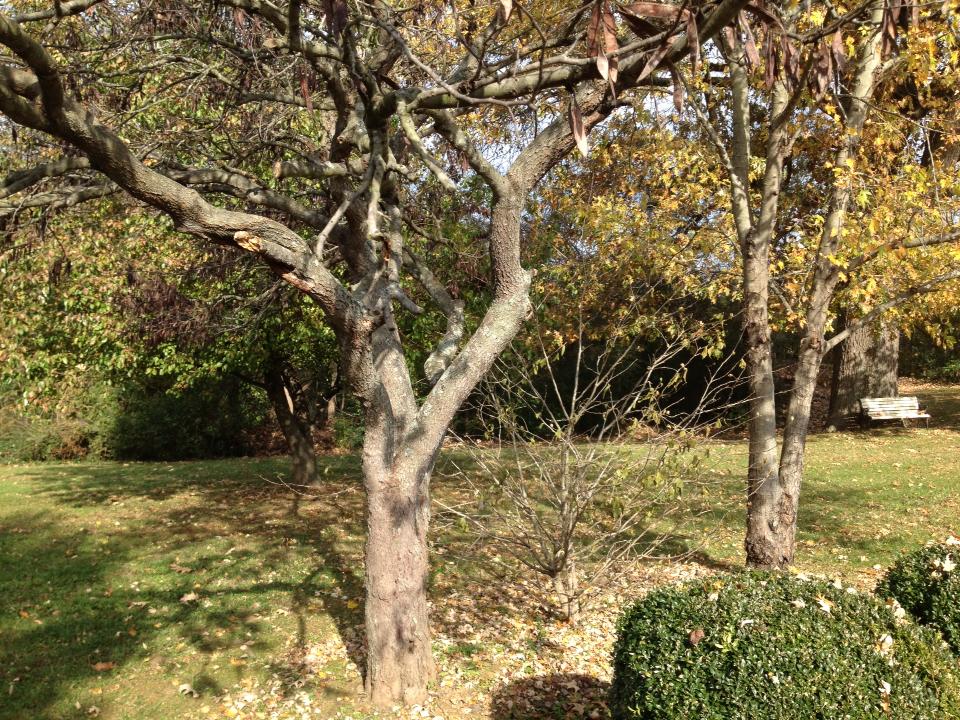
An interesting hackberry tree – note how it grows around obstacles. This is in the back yard.
tree3tree1tree2

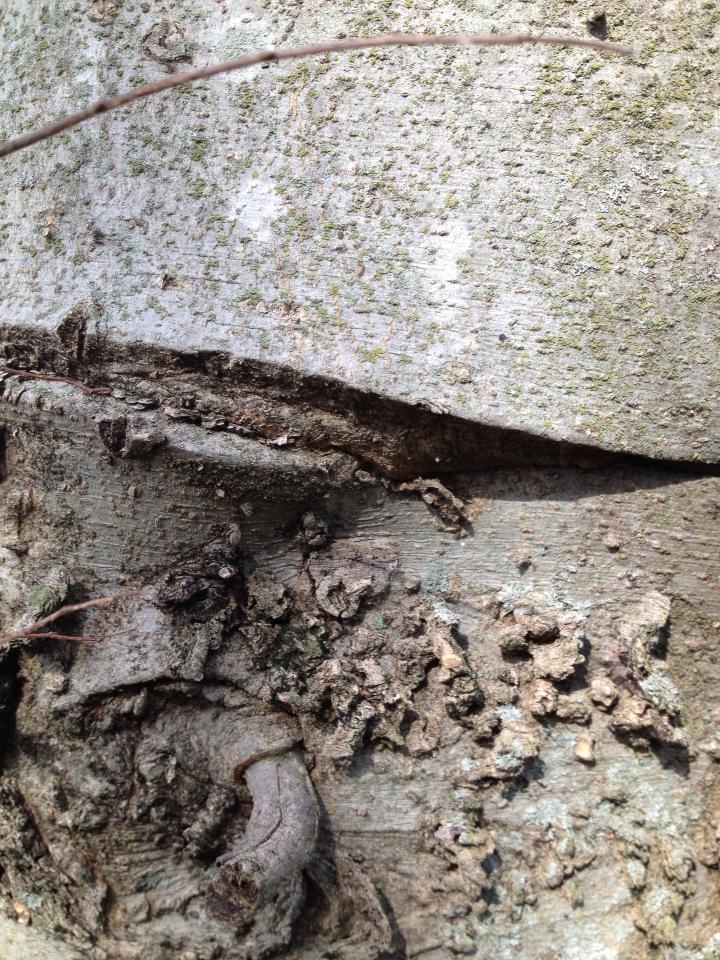
An interesting bit of old tree with lichens.
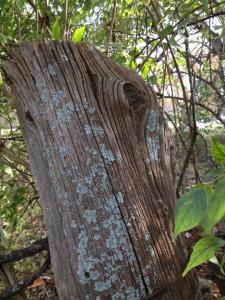
tree4

Waiting for a hero

Maybe people are waiting for the Messiah for the same reason they are sick all the time. They think somebody else is going to rescue them. They think they don’t have to do anything about their lives. They stay children, stay passive, stay asleep.

They refuse to take care of their health, and then they are surprised when they have a chronic disease. They pray for a miracle. They expect the doctors or God to save them. How is this any different than how we live, waiting for the Messiah to make the world better? In both cases, the power is in our hands. It requires daily work made up of thousands of tiny bits of effort, not a sudden one-time push from an outside source.

Jesus didn’t want us to live like this, dependent, expecting others to rescue us. Jesus tells his disciples (that is us, by the way) that they (we) have the same powers he does. We are able to heal through our faith. We don’t have to wait for the second coming. We don’t have to wait for a Messiah.

God didn’t want the Jewish people to have a king in the first place. He didn’t want them to have a person over them. He didn’t want them to give away their power. They insisted, and God gave them what they asked for. Their history with bad rulers is well documented in the Bible.

The idea of the Messiah is that he is to be the best king. The interesting part is that Jesus came to do away with the idea of kings. He said to not have anyone over you but God. Jesus came to restore the true Ruler, who is God. Jesus came to erase the mistake of letting a person rule. Jesus came to erase all hierarchy.

Even Jesus doesn’t want to be in charge. Jesus isn’t going to come again to save you. Jesus came to tell you that you have all the tools you need, already, to do what needs to be done. Don’t think you are up to the task? He says you are. Just thinking of the possibility of making the world better is the tiny spark that is needed. It is the mustard seed.

Jesus says you don’t need to be saved. Jesus says you aren’t lost.

Pray too late

I can’t make myself pray for people who have put themselves in a hole. They say “I need a miracle to help me get out of here”, and I say “What is the point?” You didn’t fall in. You climbed in, knowingly, for a decade.

It isn’t an accident that they have lung cancer or clogged arteries. Smoking cigarettes and eating poorly and refusing to exercise are choices. They chose to get sick, one bad decision at a time, over and over. So why pray for healing?

I know a guy who was slated to have heart surgery to clear up a blockage. They had to stop the procedure when they realized that the 30% blockage was really a 90% blockage. They’ll try again later. I’ve gotten emails and private messages asking me (and hundreds of others) to pray for him. The problem is, he weighs over 300 pounds. He put himself in this situation. Why pray? Why ask for divine intervention?

When my Mom got lung cancer after smoking two packs of cigarettes a day for 20 years, she was surprised. No amount of praying was going to undo that damage. No miracle was going to happen. When we came back from the doctor’s after finding out the diagnosis, she asked me if she could smoke. She’d thrown out her cigarettes when we were going to the doctors. She had an idea what was going to happen. The cigarettes were still in the house – but in the trash can. I told her that I would refuse to help her get better if she continued to smoke. Why waste my time?

There were plenty of people who would stand outside the cancer doctor’s office and smoke a cigarette before getting their treatment. What a waste. What stupidity.

I remember reading about how money is tight in England, and with the state-funded medical insurance program, they have to be very mindful about their resources. An overweight, elderly smoker who needs a heart transplant is likely to get passed over in favor of the younger person who doesn’t smoke. They take the time and money and spend it on someone who is likely to get some use out it. Why waste resources on someone who is going to waste it? I remember Americans being all up in arms about this. “Dignity of human life” and “How dare they” and “That isn’t fair” and all that, they said. Nonsense. Why put forth the effort when the person isn’t putting forth the effort?

Why pray for the person to be healed when they aren’t doing anything for themselves? Too late. The horse has already left the barn.

I really don’t feel I have the right words for this. I’ve thought about this for years, and I still don’t know exactly how to say it. I’m so frustrated with people waiting to the last minute and doing all the wrong things for their health and then being surprised that they have a chronic disease. Are we so blind as a nation, as human beings, that we think we can get by without paying the consequences? Are we so stupid that we think we should reap when we didn’t sow? Why do we think we are entitled to health when we refuse to create it? Good health isn’t an accident. Will power isn’t for the few. So many people are unwilling to work for their health, and then expect everybody else to feel sorry for them.

Maybe that is the problem. Passive lives all around. We don’t think about how we have to do things for ourselves. We blame others for our own failures. We blame our parents, our genes, our teachers for our own failures. We don’t have someone putting good food in front of us as adults – we have to provide it. Like children, we delight in treating ourselves with snacks and desserts. We pleasure ourselves every day with things that are bad for us, refusing to even try real food. We get a perverse pleasure out of not exercising, saying “you can’t tell me what to do.” We are children, not adults. We are killing ourselves with our childish behavior too.

No prayers. No miracles. We can’t wait for a savior. We have to save ourselves.

Heavy words

Some people just aren’t very good at carrying things. Consider if you were going to move. Do you ask someone who weighs 87 pounds and is very frail to help you move your big-screen television and your sofa? Of course not. If they trying to carry that they will get very hurt. Your sofa or your television might get dropped as well. You’ll be sad or angry and your friend will be embarrassed and hurt.

Likewise, if you have emotional things that need to be carried it’s important to find the right person. Some people simply cannot handle other people’s feelings. This often means that they can’t handle their own either. Say you tell someone about something that is very difficult for you. There is something really heavy going on in your life, and you need to share it. If the person listens intently and compassionately, then they are a good person to carry this. If they can listen in a way that helps you and doesn’t harm them, then you are both OK. But if they get angry that you told them, or secretly complain that you confided in them, or even worse, they start to tell you about something worse that happened to them, then you know they can’t carry your problems.

The goal of compassionate listening is to carry with, not carry for. The listener isn’t taking away the problem – they are just making it easier for the speaker to carry their own problems. The best kind of listener helps the other person feel better just for having been there. They don’t have to fix the problem, they just have to listen.

It is just like lending someone something. If you have a new friend and you lend them a book it is best to lend them only one to start off with. See how they act with it. Do they give it back within a week? Or do they forget about it for a year? When they return it do they return it in the same condition that you lent it to them? Or is it dog-eared and underlined and dirty? Is the dust jacket ripped off? If they can properly handle one item that was lent to them, then you might lend them more next time. But you probably won’t let them borrow 10 at a time until they have really proven themselves.

The same is true with feelings. Not everybody can handle them. Sometimes they are just too heavy, or the person isn’t strong enough.

Restaurant thoughts – too loud

I’ve realized that I really don’t like eating out. I do like the idea of someone else making food for me, and someone else doing the dishes. But I don’t like that the food is often not very healthy, and the ambiance is often a little overwhelming. Restaurants can be very loud when there are other customers there.

Sometimes I think I want to rent a restaurant and invite just my friends. Or maybe I want to go to a restaurant that has a limit on the number of people that can be in it. And maybe even the kind of people. Loud, shrill voices are not great for the digestion. This is regardless of age.

I have actually asked to move tables when people have ordered tequila or margaritas. What is it about social drinking that makes people unsociable? They laugh too loud and too high pitched. They become boisterous and belligerent. I’ve also asked to be seated in a different area if there are families with small children. I don’t think it is charming to see a toddler running all over the area, yelling at the top of his lungs.

There are very few restaurants that will go up to the customers who are being loud and ask them to be quiet. They think that if they do, the customer won’t come back. They don’t get that the good customers, the other ones who are not being loud, will really be the ones who won’t come back if this keeps happening. Then the restaurant will be filled with only loud, obnoxious people.

Hagar and the well

Let’s look at Hagar in the Old Testament. Her son was smacked talking Sarah. In order to have peace, Abraham kicked her out. To throw her out at that time meant certain death.

They were nomadic people camping in the desert. There wasn’t anywhere else she could go. She went out by herself with her son and all she could see was desert. She knew they were done for.

She started crying out to God. He heard her and he opened her eyes. There was a well nearby that she not noticed. It’s not that God had suddenly made the well appear. Rather he opened her eyes so that she could see what was already there. What she needed to survive was right there next to her.

Are our lives like that as well? How many times do we think that we are lost? How many times do we think there is no hope? If we cry out to God, God can open our eyes and show us that what we need is right next to us.

Our eyes are then open to new opportunities and new possibilities. But in order for them to be open we have to hit rock bottom and ask for help. It is kind of like being an alcoholic. Before you’re able to get real help you have to hit the bottom.

Hagar had certainly hit the bottom. She called out to the only one that she knew could help her, and her eyes were opened. That’s the order of things. It isn’t that we see it first. It’s that we feel helpless and hopeless. Then we call out to God. Then our eyes are opened, and only then can we see our way out.

Genesis 21:9-20
9 And Sarah saw the son of Hagar the Egyptian, whom she had borne unto Abraham, mocking. 10 Wherefore she said unto Abraham, Cast out this handmaid and her son. For the son of this handmaid shall not be heir with my son, even with Isaac. 11 And the thing was very grievous in Abraham’s sight on account of his son. 12 And God said unto Abraham, Let it not be grievous in thy sight because of the lad, and because of thy handmaid. In all that Sarah saith unto thee, hearken unto her voice. For in Isaac shall thy seed be called. 13 And also of the son of the handmaid will I make a nation, because he is thy seed. 14 And Abraham rose up early in the morning, and took bread and a bottle of water, and gave it unto Hagar, putting it on her shoulder, and gave her the child, and sent her away. And she departed, and wandered in the wilderness of Beer-sheba. 15 And the water in the bottle was spent, and she cast the child under one of the shrubs. 16 And she went, and sat her down over against him a good way off, as it were a bowshot. For she said, Let me not look upon the death of the child. And she sat over against him, and lifted up her voice, and wept. 17 And God heard the voice of the lad. And the angel of God called to Hagar out of heaven, and said unto her, What aileth thee, Hagar? Fear not. For God hath heard the voice of the lad where he is. 18 Arise, lift up the lad, and hold him in thy hand. For I will make him a great nation. 19 And God opened her eyes, and she saw a well of water. And she went, and filled the bottle with water, and gave the lad drink. 20 And God was with the lad, and he grew. And he dwelt in the wilderness, and became, as he grew up, an archer. (ASV)

Poem Road

The path is the place.
The road is the way.
Remember?
You don’t ever really arrive.
Just keep moving
towards the goal,
towards the good.
Just keep moving
Forward.

Running away from
isn’t the best plan.
You’ll trip over
God knows what.
You’ll end up
God knows where.

Make your path towards
what you envision,
see forward,
seek further.

With each step examine,
is it in the right direction?
Does it build up or tear down?

Just like English motorways,
if you don’t aim yourself
at something approaching
where you want to be
with every roundabout,
you’ll end up 50 miles or an hour
away from
where you were headed
with no easy way to turn around.

Life is like that.
You may have a map
or maybe not.
But look out the window
frequently
so you don’t end up
stuck.

Consider Superman

He had a real job, working at the Daily Planet. Mild mannered, unassuming, he did his work reporting the news. It was a passive job, relating to others about all the terrible things that were happening in the community and the world.

Meanwhile, he was Superman all along. On his off time, he did what he really wanted to do. When not at work, he did the real work of making the world better. Instead of reporting about all the bad that was happening, he did good to make the bad not happen.

Why couldn’t he make that his real job? Why couldn’t he get paid to do that all the time, instead of having to do this on his own time?

And how much does this speak to us, we who feel powerless to effect change in the world? Those of us who feel like we have to wait until we retire to do what we really want?

Why do people who want to make a difference in the world have to start their own businesses? Is there not a market for good? Is the world only happy with hearing about the bad, rather than making a difference for good?

Poem – Civil?

Why do we say it is
“civilization”
when we
tear down trees,
dig up rocks,
flatten hills,
evict the animals,
and build
a new subdivision
or a mall
or a freeway?

How is it “civilized”
or even human
in the sense of smart
in the sense of forward thinking
to destroy what is there,
to not live with the land
to remove shade
to remove our source of oxygen
to remove birdsong

to render the colors
into the grey
of asphalt
and the pastels
of house paint?

Why do we have to go away
from our homes
our “civilization”
to feel more at home
in our bodies?

We go to the mountains
to the seaside
to the country
to find ourselves.

We are lost
in the
“civilization”
we created
for ourselves.

Wouldn’t it make
more sense
to live with the land
to live with the
trees and wildflowers and birds and deer and opossum
and not tear it down
to grow our own trees and
plant our own flowers
and bring our own pets?

We say we like nature,
but only if it is on our own terms.
We like it if we can control it
and name it.

We shortchange our souls
to be civilized.