Taxidermy for amateurs (short story)

1

Emma had no way of knowing how her experiment in home taxidermy would work out until she tried. She’d read up about it in a correspondence course, changing her name to Eugene on the paperwork. No self-respecting school would teach a woman how to do such work, especially if they knew how she planned to use this knowledge.

She’d started simple – a dead raccoon she found near the edge of the field. A bird who’d gotten too close to a stray cat. It was unfortunate that the possum she’d spotted just down the road from the farm was too far gone, the turkey vultures having gotten first dibs. Sure, she still could have practiced on the mangy thing, but she wanted her artwork to look natural, or as natural as the deceased can look.

It took her two and a half years to work up the courage to try on a human. This had been her plan all along, but she had to be sure of her skill before she tried something so bold. Even men wouldn’t be so presumptuous as to step into that field of work without official license.

Emma knew too many folks in the village who went into debt over having to bury their dead. There was no good reason to spend a year’s income on someone who couldn’t appreciate it. New fancy clothes for someone who could never afford better than hand-me-downs his whole life? Nonsense. Silk lined coffin to sleep in, when cotton sheets were just fine all their life? Ludicrous.

And worst of all was all those chemicals pumped into their veins to keep them fresh for whenever Jesus got around to making a return visit. When he came, he’d better have a shovel, a jackhammer, and a pair of wire cutters to help them out after he woke them from their slumber. 6 feet down stuck in a concrete vault and a locked coffin was bad enough. Their mouth wired shut (to avoid any unpleasantness during the viewing) would make life difficult for the newly reanimated. Who wanted to come back from the dead like that?

Emma had another plan, a kinder, cheaper plan. Taxidermy. Dry out Grandpa Ross or Uncle Seymour so he doesn’t develop a case of the rot, and prop him up in a chair in the living room. Much cheaper, and he’d still be around to chat with. When the second coming happened he’d be just as ready as anyone else.

Babies on the lawn

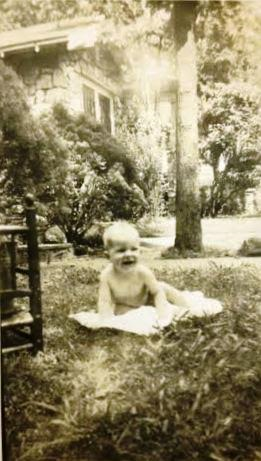
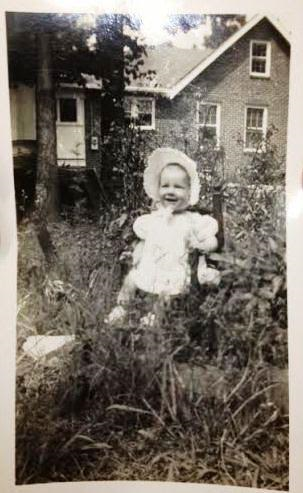
Maynardsville awoke to a crop of babies on their lawns last Wednesday. The first to notice was Mr. Eugene Tomlinson. He was up earlier than usual because of his lumbago. The familiar dull ache had kept him tossing half of the night, so when he heard the first sounds of the birds that morning, he decided to get up rather than fight through that racket as well. Eugene opened his front door to see if the newspaper was there and found a baby instead.
1

It was sitting in a chair, pretty as you please, smiling at him. He noticed it was wearing a bonnet and a dress so he guessed it was a girl, but you never can tell with babies. Just like with the very old, the very young are all genderless, with the only clues being the accessories.

“Well, Eugene, what do we do now?” he said to himself. He’d been in the habit of talking to himself in the first person plural since his wife died three years ago after the flood. He felt less lonely this way and often got the right answer too. It was as if she was still with him, still advising him. He imagined he could still hear her voice. Perhaps this was a side effect of being married for over 40 years. Well over half his life it was.

Right now she was saying “Well, pick her up and take her inside. You don’t want her to catch cold.”

“But Emma, I don’t have any food for her. What’ll I feed her?”

“Don’t you worry about that.” She replied in his heart. “We aren’t planning on keeping her. She isn’t a stray kitten. Call the police. Surely somebody’s missing a baby.”

Always reasonable, his Emma. These days he only really missed her around supper time. Frozen dinners were a far cry from her scratch-made meals. They fed the body, but not the soul.

Now, how to pick this thing up? It’d been a long time since he’d had to handle a baby, and there’d been no grandchildren to practice on. Eugene wasn’t sure whether to approach it like a landmine or a piece of Wedgewood. Will it blow up? Will it break? Thankfully the baby didn’t wiggle much, even put its arms up to be held. Eugene noticed she smelled good. This is a bonus with babies. Makes it easier to be with them in an enclosed space like the efficiency apartment he had. The whole block was full of them, and they were full of old people. This couldn’t be a neighbor’s child. Maybe a grandchild? Maybe a foster? Even though he’d lived here two years he still didn’t know his neighbors well enough to know details like this. Heck, who was he kidding? He didn’t even know their names.

Eugene put the baby on the rug in the living room. She didn’t look capable of staying in one place on the couch. He couldn’t remember how old babies were before they stopped falling out of bed. Couches were worse – much narrower. Better not take any chances.

After getting this mystery child settled, he reached for the phone near the television and called the police. He was on hold for quite a while, long enough to start humming along to the hold music. When he was finally connected and was able to explain his predicament he was told that a dozen other found babies had been discovered and reported in the meantime. The only problem was that nobody else had reported any of them lost.

Over the course of the day, more and more babies appeared on the lawns all over the city. It wasn’t that they materialized. They didn’t fade in, like Kirk and Dr. McCoy beaming down to a planet. They were just there, sitting on the lawn. Plenty of people walked out first thing to go to work, or walk the dog, or buy a breakfast sandwich at the corner shop and there wouldn’t be a baby. But when they returned, one would be there.
2

Not everybody was visited by these tiny guests. There didn’t seem to be a pattern to who got one and who didn’t. There did seem to be a few things that were common among them, though. They were all white, and they were all smiling. All were too young to explain where they came from and who their parents were. But all of them were unflappable. It was eerie how calm and contented these babies were. It made a difficult situation a little more tolerable.

Some appeared along with chairs. Most had clothes. Some didn’t. Fortunately those appeared in the afternoon after the morning chill had burned off.
3

All told, 387 babies showed up that Wednesday. Some went to foster homes. Some went to the hospital. One enterprising person set up a nanny service in the disused hotel at the eastern edge of town.

Some childless couples felt these babies were answers to their prayers. Others remembered why they never had children in the first place. Plenty of well-meaning folks had told them they’d change their minds when they had one, but it wasn’t true. Even though these babies were cheery, they were still babies, which meant they needed constant attention. Even going to the bathroom had to be done quickly or else something got destroyed by the babies – either through breakage or bodily fluids. In this they were a lot like puppies, but unlike puppies they couldn’t be left alone at home when it was time to go to work. There are laws about that.

A lot of people had to stay home that Thursday because of that. Those were the ones who weren’t lucky enough to have been in the first wave of babies sprouting up on the lawn, like mushrooms overnight. Weren’t lucky enough to have handed them off to the authorities – any authority – anybody who would take them off their hands. Some older folks tried to contact the orphanage, forgetting that there wasn’t one, hadn’t been one for many a year. Spare children – those without parents who were living, or those with parents who weren’t capable of being a parent (due to disease or disinclination) were shuttled off to the foster care system instead of the orphanage these days. The result was that they were just as lost and broken as if they’d been institutionalized, but it took longer to notice since they weren’t housed under the same roof.

A town meeting was called for that Friday afternoon, and everybody came, babies in tow. There weren’t enough babysitters to go around. “Somebody has to do something!” Myra Tuttle exclaimed, baby on hip. “It’s the Russians! They’ve done this to us!” yelled Bob Flanders, a child crawling in and out between his feet as he sat.

The mayor agreed something had to be done and tried to squash the idea of a conspiracy from the Russians, or aliens as Thomas Wilson had suggested. She said it didn’t matter who or why but that, and that was where they were. The hotel on the east end was the best option for emergency use as the enterprising nanny had proven, so the city summarily took it over without paying for it, said something about “eminent domain” and pressed all city employees who could be spared into service as full-time babysitters.

After a week, a total of 2,347 babies had appeared. Then it stopped, just as suddenly as it started, and the town breathed a collective sigh of relief. Now they knew what their new normal was. They could make a plan. They waited a month to be sure. You can handle anything unusual as long as it stays the same for a while.

Edward and the turtle

2

Edward had always been an unusual child. His teachers expected him to become an unusual adult too. His parents? Well, that was another matter entirely.

They never said exactly how Edward came to them, or even how he came to be. Bea and Charles, Edward’s parents as far as the world was aware, left town for a year a while back. When they returned, they had Edward with them. He was just over a month old they said, but some who looked in his eyes knew, just knew deep down in their bones that this child was far older in all the ways that counted. “He’s an old soul” they said, not knowing how true those words were.

Of course, not everyone could see the whirling abyss of time in his eyes. It was like looking into a dark disused quarry filled with rain water. You couldn’t see the bottom, and to some that was so frightening that their minds simply refused to look, to even get near. Those hidden depths spoke of secrets, of danger, of loss.

For some, Edward himself was invisible simply because of the dangerous unanswered questions that lurked like unwelcome promises behind his eyes. Their minds couldn’t accept their challenge, so they simply refused to acknowledge Edward’s presence, his very being. What Edward was could not be to them, so for them he was not.

Bea and Charles could see him better than anyone else, and they were grateful. They’d prayed for such a child, a “gift” as they called him, privately, fervently. The home they were living in now was a gift too, provided upon the introduction of Edward to his grandfather. For years they had scraped by, living with friends, or in trailers, or even in the library during the day and their battered Range Rover at night. The arrival of Edward had turned their lives around for the better.

A grandchild was all Bea’s father wanted from her. He promised her the house, paid off, furnished, utilities, the lot, on the day she and Charles married provided that they gave him a grandchild in due time. He made sure to explain it wasn’t just any house on the table, not one of her choosing. It was to be the house by the lake on the family estate. Her sister Eloise already had the woods house, and brother Tom had been gifted the one by the cold gray boulders. Only the big house remained, and it was occupied solely by Edward’s grandfather, known simply as “The Grandfather”, made so by the births of all his children’s children, now gathered like chicks on the family land.

Edward would have no siblings. The cost was simply too high. No money had changed hands for his conception. Money was just paper after all, just the promises of dead trees. Those who had brought Edward into the world needed something more solid than that.

Bea and Charles had been desperate to have a child, and the cost was nothing in comparison to the debt they were in. Who counts the expense when you stand to gain everything? It was like floating a check right before payday – something they knew very well.

They still didn’t understand what was to be expected of them for this “gift”, even though they’d signed a contract. There were fertility tests the doctors did beforehand, to make sure the couple didn’t have to pay such a price, could conceive on their own, but it was to no avail. Bea suspected some of her cells were taken then, for some other cause, but she didn’t dare to think about it for too long. All that mattered was that she had her child now. What happened in the future would just have to wait until then to be worried about.

Edward was always cold. Outside, on a warm July afternoon, he always wore a jacket or coat. Charles got his tailor to make a blazer for him out of the thickest tweed he could find. The colors looked like the bracken and gorse that surrounded his Uncle Tom’s house. When he was inside, a fire was always going in whatever room he was in.
At first, he insisted in his own way that all the fireplaces would be working all over the house, but Bea and Charles soon realized his subtle influence over them and set some boundaries. Even as a baby he was able to make people do his will. Even without speaking he could turn them, bend them. His parents didn’t realize he was influencing their minds until the fires.

Edward had never seen a fire until he was a year old. Before that his parents bundled him up in sweaters and blankets to stop his shivering. They simply hadn’t gotten around to having the chimneys inspected in that old stone house, so they had no fire out of fear. The moment they were able to light one, Edward wouldn’t leave the room, delighted with his newfound unencumbered warmth. When Charles tried to remove him from the room at supper time, Edward howled and kicked Charles in the shins. Not wanting to get into a fight with his son, Charles desisted and instead brought up a tray. They all ate supper together that evening, sitting by the fire, seated on the antique Persian carpet, the arabesques and swirling flowers in the design dancing all the more by the flickering firelight. Bea thought it was charming, like a picnic.

The charm wore off after week when Edward still refused to leave the fireside. They drew him out only after they lit fires in all the other rooms. Only then would he venture from his toasty lair. After a few months though, Bea and Charles had grown tired of the constant work involved in finding seasoned wood in town and then chopping it to size. Grandfather would not allow them to cut down trees on his land, not for Edward, not for anyone. They explained to Edward that it had to be one fire from now on, in only one room, and he could wear sweaters like before if he needed to wander anywhere else in the house. He sulked for a month in that room, unwilling to get cold.

They’d not wanted all that heat, especially going from spring into summer, but Edward did, so he simply placed his thoughts over theirs, like how a voodoun priest exerts his will over a zombie. He didn’t realize they would break free of his influence, his control of their actions, and certainly not so soon. For the longest time they thought they too were cold and needed the heat just like he did. It was only when Charles passed out from heat exhaustion one Tuesday that they started to question their actions, realizing that they didn’t want the house to be at 92°.

From that point on they questioned everything they thought. They wondered what passed through their minds was their thought, or Edward’s. He tested them to see how far his influence went. He tried simple things, like food cravings. For one week they craved bananas and they ate them like they were going out of style. A different week it was strawberries. That was a mistake, Edward soon learned, because Bea was allergic, had been since she was a child. She knew she wasn’t craving them, that it had to be Edward’s doing.

He had to figure out another way to get his needs met. He finally, reluctantly, decided to let them teach him their language. That dry chittering sound grated on his ears. It was so unlike the warm liquid sounds he knew as his native tongue. His mouth ached with the effort of shaping the sounds for them, but it was the only way.

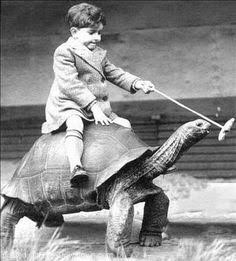
When he was three they took him to get a pet. Bea decided he needed a companion. A dog was ruled out straight off the bat – the warmth Edward needed would make it lethargic at best, dead at worst. A tortoise, a Galapagos tortoise to be precise, was decided after careful and discreet inquiries with the local librarian. She explained how they are cold-blooded so they need warmth, and how they live for many years. This added quality helped to tip the scales.

The elders who had helped them hinted that their true age was far beyond their appearance. Their kind were old at birth, having already lived half a human lifetime in a middle dimension, one where they were spirit only. This gave them certain advantages. They could learn quite a bit without the bother of a body. No colds to catch, no growing pains, no accidents, no trips to the doctor or the emergency room or the morgue. They even got to skip all that awkwardness of puberty while they were learning. Only when they had gathered about 50 of our years worth of knowledge did they bother to incarnate, and only then into a bespoke body, tailored to their temperament and needs. Certainly then there were the usual risks of being embodied, but by then they knew how to navigate safely through those obstacles.

Bea and Charles only suspected at the truth behind their benefactors, the ones who had given them Edward. The Grandfather would never know. For him, Edward was of his flesh and blood and that was all he needed (or wanted) to know. No matter that Edward was decades smarter than any of his other grandchildren. If he’d known the truth about this cuckoo child, he’d throw him and his parents out and never speak their names again.

Edward was their child in deed if not in act. He never grew in Bea’s womb, but he did share her DNA, as well as Charles’s. The elders didn’t mention there was a bit more to the mix than just the two, however.

It was kind of like fruit juice. How much actual juice was necessary for it to still be juice? Perhaps there are vitamins and minerals added to improve the quality. Perhaps other things to make it last longer. Sure, at the end it still looked and tasted like juice, but really only 50% of it was straight from the vine. It was kind of like that with Edward and his parents, but in their case it was more like 5% than 50%. They’d never be the wiser. Edward was theirs, and that was all they cared about. And of course, they were parents in the way that mattered most – they loved him, took care of him, and make sure he was happy and wanted for nothing.

Well, they didn’t give him everything. That would spoil him. And after all, they still had to make sure he wasn’t using the old mind push on them.

The longest day of Theodore Smythe (a short story)

4

Theodore was tired, more tired than he had ever been. This had been the longest day he’d ever known. He wasn’t even sure what day it was, or what year. He’d only been alive for three years and two months. That was when Timmy had gotten him for his fifth birthday. Before that, he was just a stuffed doll, a bear. Once he had bonded with his child he became a Bear, a real being. Every year when Timmy’s birthday rolled around, Theodore had a birthday too. It was the day he became alive. They even made him his own cake, but smaller. It was decorated the same as Timmy’s.

This year there was no cake. There was a celebration of sorts, sure. But what with the rumors and the rations, it wasn’t possible to have such a luxury as a cake. Even candles had to be saved for more needful times. Lighting any of them, using them up, when the electricity was still working was wasteful, and the Smythe family knew it.

Slowly there had been less and less, with luxuries like sugar and beef first. They didn’t miss these things anyway. They were too expensive even when times were good. But flour, and oats? That was another matter. It was a few short months before it came to that, and by then there was no denying that war was upon them. They had to conserve what they had and make do to support their boys on the front lines. They needed the food more, to fight the Nazis who were three countries away. It wasn’t much to ask to have the war kept at bay. Trading a cake to have peace at home seemed like a fair trade.

But then the war came home to them.

It wasn’t fair. War, and still no cake. They still were sacrificing, still saving, still rationing, and still the war came, came right to their villages, to their streets, to their doorsteps. Uncle Albert in Shropshire called their neighbor to tell them to make their way to him any way they could. They hadn’t found the money for a phone since they moved to the city, and their neighbor Mr. Pete kindly passed along messages in exchange for Mama doing a little extra laundry on wash day. He’d not quite gotten the hang of it since his wife took ill with the dropsy two years back.

Mr. Smythe didn’t think there was much reason to hurry. He still had a job to go to after all, and Timmy had school to see to. He was getting along so well with his classmates this term, and getting such good grades in penmanship and music. Mama Smyth didn’t agree with his assessment, and said so by not saying anything. Her ‘no’ was simply the absence of a ‘yes’, as befitted a good wife to her understanding. Papa took her silence under advisement and read the newspaper more carefully, listened to the radio more closely, trying to see if there were currents under the words, perhaps telling him things were worse than the government was letting on. The slogan “Stay calm and carry on” was what tipped it. Something about it made every hair on his arms stand up. It was then that he knew they had to leave and go back home to their village of Clun as quickly as they could. Mama was relieved, but said that going calmly was best. Best not to look like they were fleeing. That might start a panic. Just make it look like they were going on holiday.

So they packed just a few things, just enough to fit into suitcases. It wouldn’t do to have too much on the train. It would call attention, and that was the last thing they wanted.

Theodore wasn’t around when they left. Perhaps he had been hiding in the pantry. Perhaps he had been exploring under the bed. Even though Mama and Papa appeared calm to everyone around them, in the house they were anything but. The day they decided to leave was the day they left. No time to make up stories or have people wonder. Mama had allotted just a scant thirty minutes to pack so they couldn’t over think it and try to bring too much. Timmy was so flustered he didn’t realize Theodore wasn’t with him until their train was outside the city gates. He fussed, sure, but Papa said they’d get him another bear. He said it in a low tone, quiet, almost but not quite gritting his teeth. Timmy had learned not to push harder when Papa spoke like this, so he gulped back his tears and distracted himself by looking at the scenery fly past his window.

It was three days later when Theodore woke to the sounds of the bomber planes. Normally, Timmy would find him at night to take him to bed with him, waking him up from his daytime slumber. Bears are awake at night. That is when they guard their young charges. But nobody in the house to wake him up meant Theodore had dozed on in a dreamless sleep, unaware of time passing.

Now he was awake, and lost. Now the city was in ruins. There were fires a few blocks over in the cathedral. The library in tatters. The school used for emergency shelter, not lessons. Now Theodore’s whole being ached with the need to find Timmy. He decided to rest his head against a building for just a little while.

Can’t go to sleep.
Can’t go to sleep.
Must find Timmy and keep him safe.

To sleep meant to fall into that dull dreamless nothing where it is so hard to return for a Bear. To sleep might mean to lose Timmy forever.

He would rest here for just a little while, but not lie down. To lie down would be the same as death, because life without Timmy was not acceptable. A bear once turned into a Bear could not go back into that dull unfeeling world of before.

Waiting.

waiting


It wasn’t long now. They said they were coming back. Only problem was that they didn’t say when. So every day at 3 o’clock she went outside and looked towards the horizon, wearing her best clothes. Every day she stood in the same spot near the plain gray house, waiting.

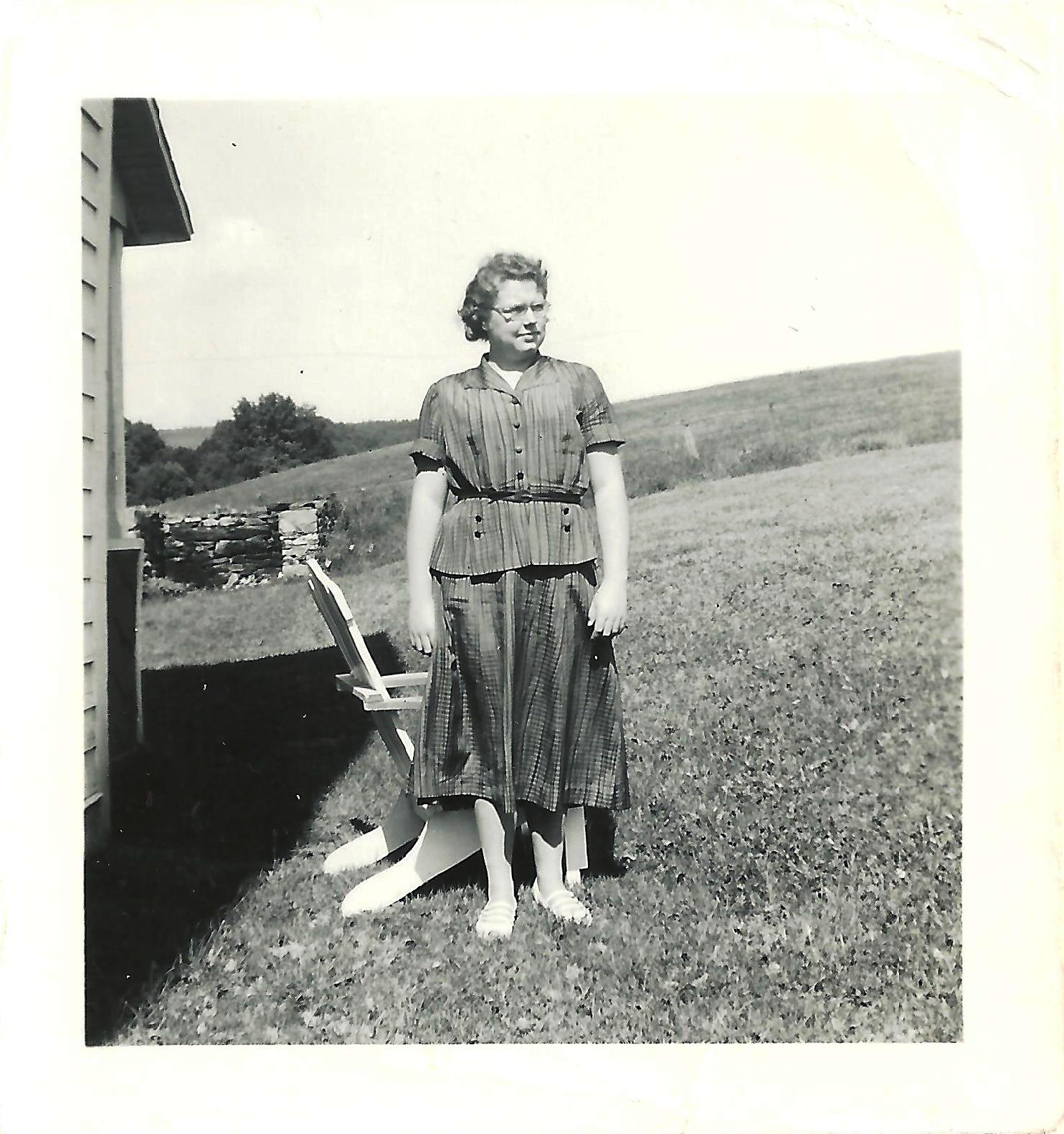
The first day she waited three whole hours. She stood most of that time, wanting to appear as eager and ready on the outside and she felt inside. It wouldn’t do to look ungrateful for the gift they promised. Wouldn’t do to seem indifferent or casual about such an opportunity. After a while her legs got tired, so she sat on the Adirondack chair even though it was almost as uncomfortable as sitting on a pew. She had plenty enough of that kind of sitting. That was why she was so eager to go.

Still she waited, and still they made her wait. Maybe they forgot? Maybe this was a test? Maybe they reckoned time differently than earthlings did?

She kept the Visitation secret from Paw and her brother. They’d wonder about her if she told. If Maw was still around she’d have been sent down the river to the State Hospital, like how all the other rejects and misfits were sent, those who heard voices and saw people who weren’t there to everybody else. They were trash as far as the village saw it, so down they went, along with the barges of other broken and forgotten things. They took the Bible seriously when it said “You must purge the evil from among you.” Too bad their definition of evil was very wide.

She was safe now in part because she was female. The men-folk didn’t want to have to do all the cleaning and cooking. So even if they suspected something was amiss they’d be reluctant to send her away because they’d have to take up her chores. It didn’t mean they wouldn’t send her anyway, because harboring a defective was grounds for being sent downriver along with. Better to sacrifice your child or your spouse than to go yourself. A lifetime of building up the homestead wasted, and for nothing.

So still she waited, every day hopeful that would be the day. This was the 438th day, a Wednesday. She had waiting down to an art, if not a science, by now. She’d learned to finish her chores an hour before, and then to change into Church clothes at least 20 minutes before the time to go outside. Once, early on, she’d left it too late and didn’t have time to put her shoes on. Barefoot was better than left behind, so out into the prickly grass she went. She’d learned to do better from then on.

It took a while for Paw to get used to her going outside and waiting every day. At first she took a book with her as a cover, saying it was better for her eyes to read in natural light. He didn’t argue with that, thinking maybe it would save money on glasses in the future. He wasn’t keen on spending money at all, but much less so when it came to his daughter. He had no use for her. She wasn’t going to inherit the farm or the family name, so why bother? She was just another mouth to feed, and after that a dowry to pay. Made no sense to have to pay a man to marry his daughter, but that was how it was and no changing it.

Yet another reason to get away.  She had no plans on marrying, of having to have some other man tell her what to do and when to do it. The ones who came promised her she’d never have to get married because they didn’t marry where they came from.  Didn’t have a need of it.  There, people were able to take care of themselves once they were grown up.  They didn’t need to live with another person like a child would. They had partnerships, sure, but making legal commitments to each other just complicated things.  They had understandings and agreements, without the need for a piece of paper or a judicial system.  To complicate something as sacred as a partnership of any sort with the law meant that you were planning on trouble.  If you didn’t think it was going to work out, it was best not to make a partnership at all.

They promised her a lot, more than she believed or could imagine. But everything else they had promised and delivered on was truer than true, and lasting. She knew they were good to their word because they’d already shown her miracles. They’d given her a locket that told the future.  It showed her some of what would happen the next day, choices she could make to change things.  Just small things, but small was better than nothing.  All she had to do was open it and she’d have an edge on everyone else.  She kept it closed most of the time, but it was good to know she had this small advantage, this small proof that the Visitation was real.  She had a hard time believing it after so many days of waiting.

She kept the locket they gave her secret, under her clothes. Wouldn’t do to have it visible, or lost, wouldn’t do to leave it in her jewelry box, to be stolen like every other special thing she’d ever had. Her brother felt no guilt about coming in her room, going through her drawers and treasure boxes, taking whatever caught his fancy. He needed money for a new baseball mitt or the latest style of shoes, he’d take it from her, no asking. It took her a while to realize that things went missing. At first she thought maybe she’d spent some of it and hadn’t remembered to write it down. After a few weeks of money going missing, she had her suspicions and started keeping the tally in a separate place. When she showed the proof to Paw he just shrugged, saying “Boys will be boys”, like stealing was normal for boys. The part he didn’t say was that it meant being robbed was normal for girls. Too bad that being family meant nothing. No protection from thievery, of having your possessions, yourself, violated.

They promised that there she’d never have to worry about anything being stolen, not ever again. Never have to worry about being sick neither. Her personal safety was assured, and life would not only be better, but longer. Not immortal, mind you. Plenty others had promised that and couldn’t deliver. The trick there was simply living longer than anyone around you. They died, thinking you were immortal, when really you were just slowed down. There’s a reason hummingbirds have such short lives and turtles such long ones. Slow the heart rate down, slow the breathing down, and it seems like you are on the fast track to a long life.

She didn’t have to worry about taking medicine to slow her heart rate where she was going. They’d take out her human heart entirely, replace it with one they’d grown just for her, a better one. That would be the first thing replaced. They’d taken samples to grow a whole set of organs for her with plenty of cells to spare if something wore out sooner than expected. Lungs, pancreas, eyes, the lot. Grown as needed, one by one.

When they first started they had cloned people. Not just the organs, but the whole kit and caboodle, stem to stern. Seemed a good idea until it came time to harvest and it turned out the clones weren’t too willing to part with their parts. Whole new kinds of laws were developed then, saying these were now people, with rights, and not a collection of replacement bits to be switched out like a used fan belt or alternator you’d pick up at the local auto yard. Once they figured out how to grow the organs separately there weren’t any problems. A liver can’t complain with no mouth to talk with.

They promised painless surgery too.  The organs would be exchanged by a form of highly localized teleportation. Beam the old one out and the new one in at the same time, like a kind of cross-fade, like in music. Hurt less than getting a shot, they said.

She was still waiting. Maybe she’d stay a little longer outside today, just in case, what with the time change and all.

(Photo found in the “Adopt a relative” box in an antique mall on King Street in Boone, NC.)

Tilly and the lawn.

Tilly and the lawn


It was a big yard, and somebody had to mow it. 82° in the shade, and there wasn’t much of that to be had, but the grass still needed mowing.

Tilly was pleased with herself. All 7 acres in one day! Maurice said it couldn’t be done, but she did it. All week long he doubted her and it only egged her on. It was years later before she suspected that was his plan – to fire her up to do it by saying she couldn’t.

He was forever getting out of doing things one way or another. He thought he was so clever, but she was the real winner. He spent his whole life making others do everything for him and had never learned how to do anything for himself. Now he was a manager at a forgotten branch office of a small appliance outlet. Upper management had been fooled for years, thinking he did all the work.

When employee after employee quit, the house of cards tumbled down. They’d held it together for a very long time, but there was only so much they could take, watching him get the praise, the bonuses, the requests for motivational speeches. They couldn’t get why nobody else could see through his lies. Finally they left, one by one, and he was left by himself to run the shop. He didn’t even know how to run the cash register. It took the corporate office a week to suspect something was wrong. It took them a month to find an out-of-the-way office where he couldn’t do the company a lot of damage.

They couldn’t fire him, no, that wouldn’t do. Nobody really knew why. It wasn’t like he had tenure, not officially. This wasn’t a college after all. Plenty of half-rate incompetents had slid under the wire in that field. He was likable, in an odd kind of way. Perhaps that was how he could cajole everyone – employees, family, neighbors, into doing things for him.

He wasn’t pushy in an obvious kind of way. He just knew how to put a little pressure here and a little finesse there and before you knew it you’d agree to give up your one day off to work his shift. Somehow, at the time, you forgot you had plans you made weeks ago with friends you’d not seen since September. Somehow, it took several hours into your shift – his shift – to remember, and get angry and even a little resentful.

He was far away by then, and maybe that was part of his magic. The closer he was to you, the more you couldn’t resist, the more you couldn’t say no. Even 30-some-odd feet away at the other end of the building, his influence could still be felt. When he was at home he didn’t have the same power over them. But he sure had it over his wife.

Tilly made less than Maurice, always had. She was fine with that, because she had something he’d never have, something more than money. She had respect. She was respected by her coworkers and her family – people who had to be around her. Her friends didn’t just respect her – they adored her. They were drawn to her charm like a child is drawn to fireflies. They all did what she asked joyfully because she rarely asked – asked only when absolutely necessary, and even then she always said “You can say no”. They never did. Doing for her was like doing for a saint. You felt better after doing it, whatever the task.

Years later Tilly saw the picture of her standing on the front porch and laughed. If she’d only known just a few years later there’d be gas powered motors to speed things up. Just a few years later and there’d be tennis shoes, not loafers, for better grip. Just a few years later and she could have worn a T-shirt and shorts to do this chore, free to choose to wear a dress rather then it be the only option. All these advancements made her mowing accomplishment at the time all the more impressive because she did it without them.

She’d always thought that handicaps were advantages in disguise. They made you work harder, not take anything for granted. They handicapped the athletes who were stronger, didn’t they? Or was it horses? Something about making it a fair match. So being handicapped meant something good to her, meant that she secretly was better, stronger, more capable. Like she had secret powers and had to figure out what they were, hidden under that handicap. She always said that the more you focus on what you don’t have, the more you miss what you do.

Maurice was her handicap, so he was her blessing. Because of him she learned how not to treat others. He gave her so many examples of how not to act that she had a clear road in front of her showing her the way. It was like he’d gone through the test book of life and crossed out all the wrong answers, leaving her with all the right ones. It was an odd way of learning but it was learning nonetheless. It took her years to understand the gift that he given her by teaching her backwards.

Hilda in the snow.

Hilda

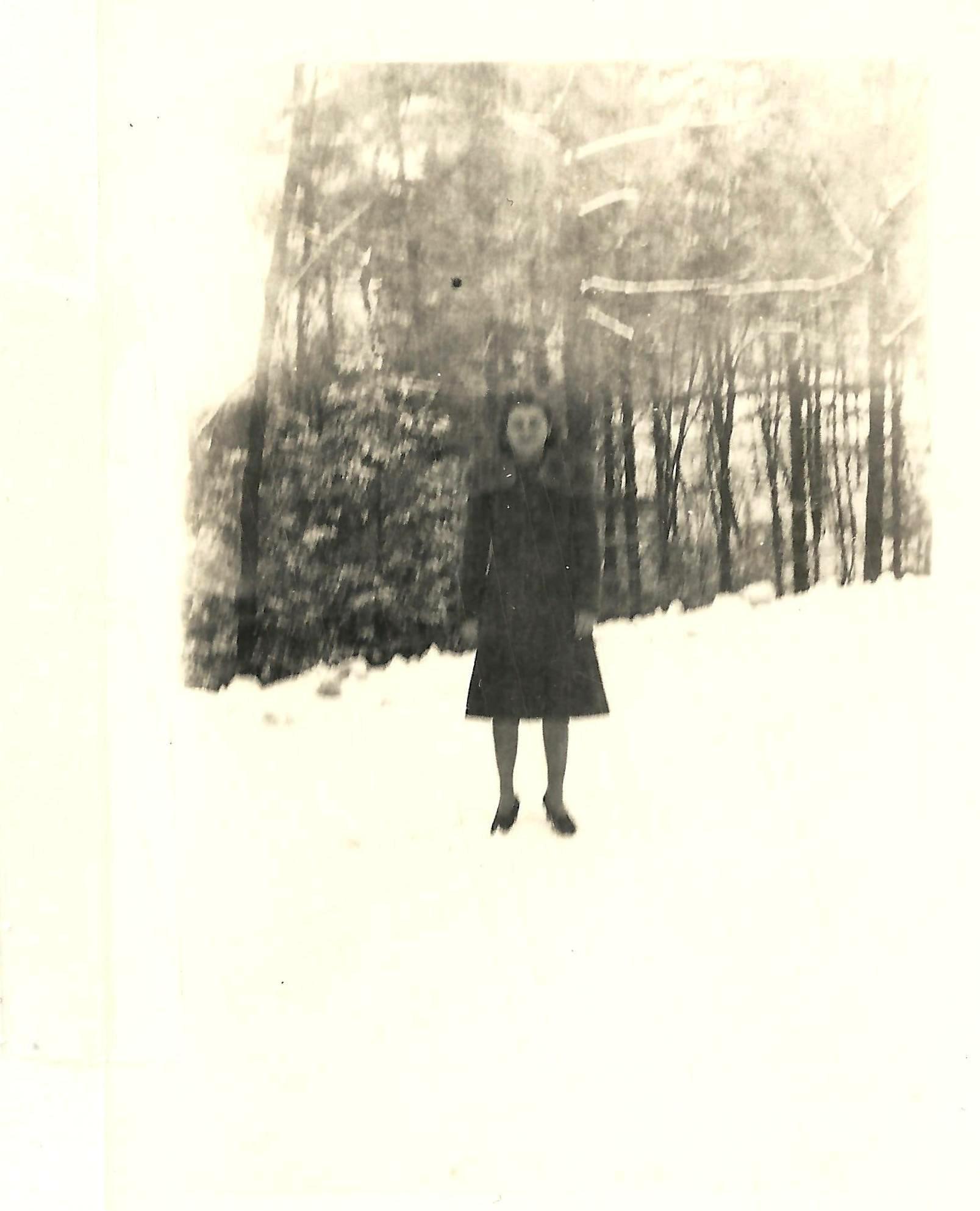
Hilda was shivering. Cousin Tom insisted on taking her picture.  She protested, mildly. “You can’t take my picture – it can’t even be given away.” She mentioned an old tale she’d read in one of the many folktale books she’d found to while away the time in these cold winter months. “Some cultures say that taking pictures takes the soul, others say that it is making a graven image, and that’s a sin.”  When pressed, she couldn’t remember what culture said it, or if there were more than one that had this belief.

Tom was having none of it. “The sooner you let me take this picture, the sooner you can be inside,” he retorted. That was enough for Hilda. 10 feet away, stock still, she stood. The moment she heard the metallic click of the shutter release she was free. She trudged back inside, her duty done.

He said he was going to take a picture of all his relatives, save them up in an album. He’d include labels too, with history, birthdate, the lot. Maybe even accomplishments. She thought he should include that she’d won first prize in typing at the local career college.

Typing wasn’t her thing.  It was her parent’s idea. She’d always wanted to be a cellist for some big symphony in some city – anywhere away from here. The sound of the cello reached down to her bones with its warmth, all golden-honey smooth. Her parents thought this was poppycock, wasteful, a dreamer’s fantasy, and told her often, even if she hadn’t brought the subject up that week. She was going to be a secretary and that was that. They paid good money for those typing classes and weren’t going to have her waste it with some fool idea of playing an instrument they’d never even seen in real life.

They decided they had to do something to prepare for her future. That was the reason for the classes.  They had no ambitions she’d ever get married, so she’d have to support herself after they’d passed on.

They would never say she was ugly, at least not out loud. Homely. Plain, even. “She has a great personality,” they’d chirp to new acquaintances, in the off chance they might have a son in a similar predicament. Even if a date did come of it, there never was a second one. The boys all said “You think too much,” and that was that. The guy didn’t want her, and she didn’t want him.

“Like thinking too much is a bad thing,” she’d say to herself. She wasn’t one to dumb herself down to their level. They’d either have to rise to hers or she do without a man in her life. That suited her just fine.

Meanwhile, she was cold, and her party shoes were now ruined from that snow.


(Photo purchased October 2015, from the three-story antique mall on West King Street in Boone, NC. It was in the “adopt a relative” box and cost $0.50)

The bramble-bush baby

bramble 3

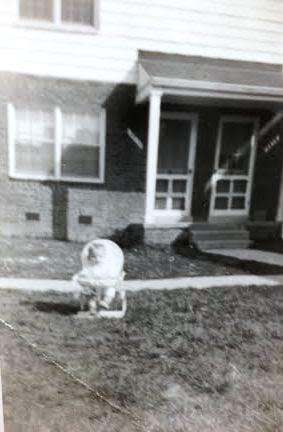
He found the feral child on Wednesday, under the bramble-bush. Hank had meant to cut that bush down six weeks ago, after that toad-strangling thunderstorm.  Said it would loosen up the roots, make it easier to get out, to do it then.  He forgot, or put it by, maybe hoping Ellie wouldn’t remember she’d asked.

She hadn’t. That was all he heard about.  She left him notes.  She asked him after he came home from work.  She suggested that today looked like a good day.  It started off once a week that she’d remind him, but then it was twice a week.  Then it was more. At 8 that Wednesday morning he finally got tired of her reminding him, so out he went, hoe in hand.

He thought he saw something odd the moment he stepped out the back door.  A bit of laundry blown over from Mrs. Whipple’s house? A piece of paper from a torn-open bag of trash? The wind was forever driving things into their yard.

The wind drove a baby into their yard this time.

The moment Hank saw it, dark-eyed and brooding, with a narrow-eyed stare that thinly hid years of malice and hate behind them, he knew this was a baby in size only.  Knew right then and there it wasn’t human, neither.  He ran back inside, more afraid of that child than of the ribbing he’d get from Ellie at bein’ a’feared of anything.  First off he’d have to explain how he wasn’t shirking the bramble-bush chore.  That alone was enough to make him think twice about going all the way back inside.

He stood a bit in the mud-room, on that peeling linoleum floor, trying to decide.  He’d known Ellie for 18 years.  He just met that baby, if a baby it really was.  He decided he was better off going back outside.  He knew how Ellie got when she was angry.  He’d take his chances with the baby.

(Photo purchased October 2015, from the three-story antique mall on West King Street in Boone, NC. It was in the “adopt a relative” box and cost $1.50)