
The weather box

It was that time again. Around August, every year for the past two decades, Michael consulted the box. He had to. It was part of his job as chief forecaster for the Old Farmer’s Almanac. Some would say it was all of his job, but he would disagree. There were plenty of other chores he did around the office on Main Street in Dublin, New Hampshire that justified his salary, but this was by far the most important.

The box was kept in the editor’s office on the floor. It was unlocked – in fact, Michael was sure he’d never even seen the keys for it. The information inside it was too valuable to risk not being available when needed. Michael shuddered to think how much damage would result from an attempt to force open that black box. He might never be able to create the eerily accurate year-long forecast that the almanac was famous for. No, it was best to leave it unlocked, safely in the editor’s office. The office door could be locked, sure, but there was no need.
Nobody stole anything here. It just wasn’t that sort of town. What came first, the town or the almanac? Was the reason for the honest nature of the citizens due to the intentions of the founder over 225 years ago? Or did he choose to place his center of operations in this place because of its nature? Did it matter? The two went together like peanut butter and jelly, both making each other better by being together.

Michael had been carefully advised on the preparations he had to do before even starting to write the forecast. It was a carefully guarded secret handed down orally from meteorologist to meteorologist. Even the editor didn’t know what was involved. Even Michael’s wife, a kind lady who’d claimed him as her own when they were both in their mid-20s half their lives ago, even she who had seen his ups and downs and in between, even she didn’t know.

It was only after he understood and agreed to the very specific and arcane instructions that he was even offered the job. It was essential for everyone’s safety, no doubt about it. One step forgotten or performed in the wrong order and people would die. Not immediately, probably. He was by nature an inquisitive man, but on this point he knew better than to question any part of the litany, and never to write it down.

But what if he died before he found his replacement? Subsequent meteorologists were carefully selected and groomed for the job by the current occupant. How would the knowledge pass on if he wasn’t around? It turns out that this wasn’t a concern. In fact, it was one of the perks of the job although nobody else knew it. He couldn’t die from an accident as long as he performed the annual pre-prognostication ritual carefully and correctly. He wasn’t sure how closely the ritual matched the preparations the high priest made to approach the Holy of Holies in the Holy Temple 3000 years ago but he was pretty sure it wasn’t far off.

That cool August day, he took the box from the current editor’s office and took it to his own. He sat down at his small wooden desk after he’d locked the door. It was best to not be interrupted. He made sure that everybody was out of the office so they wouldn’t need anything from him for the rest of the day. They understood how important it was to not interrupt him once he started, but they might forget and try to come in to get a refill on their coffee or to tell him the latest sports score. He often did his forecasts on a Saturday for this very reason, so he could be sure nobody would be there.

Michael took a deep breath in and opened the box. He took out all the papers and put them to the side. He kept the empty box in front of him. The box was what mattered after all. The papers were a red herring, put there to confuse and misdirect. That was the trick – anybody could open the box and look through the papers there. The instructions made no sense to anyone, even him. This was on purpose. The box was the secret. This is why it had never changed for all these years. It certainly wasn’t out of a sense of sentimentality or thrift.

The box was forged from a blend of steel, copper, and meteor. The tiny meteor had fallen behind Robert Thomas’ house all those years ago. When he touched it with his spade while turning the soil for his wife’s daffodil bed, it told him in his mind that it would tell him the future. Not meaningless trivia, mind you, not anything so banal as who would win the World Series or who would be president in 130 years. No, this meteorite would tell him what really mattered – the weather.

It was the weather that caused the crops to grow or not. It was the weather that made life pleasant or deadly. Balmy days were nice, but ice storms and floods were what really mattered. Robert knew better than to keep the meteor as is. It might get lost, or forgotten, or mistaken for a knickknack or a paperweight and get put in the rock garden or given to a grandchild. No, he knew what to do – blend it with molten metal and then forge that into a box. Nobody would think twice about a small metal box, like the kind you would use for keeping cash in at a garage sale or school bazaar. It was hiding in plain sight.

Michael looked into the box and knew everything all at once. Some people thought making up the forecast for the year for the whole country was difficult. It turns out that the hard part was separating it out. The information came all at once into his mind, like a zip file. It took him the rest of the afternoon to scribble the important parts of it down, and then a week later to fill in the details and sort it out into an acceptable shape.

Unexpected time

Lillie had all the time she wanted to read now, but it wasn’t how she wanted it. There is nothing but time to be had in the ICU waiting room. It was a good thing she’d brought her library book with her, but it wasn’t an accident. She always had a book with her.

She’d even figured out how to read on her daily walks to visit James, just over 2 miles away. They lived off the main roads, so there wasn’t much traffic. It was easy to hold a book up and read while on the way. Of course, it slowed her down a little, so it took close to an hour to get there, but she didn’t mind. It was that much more time to read.

Her parents frowned on all her reading these days. They’d encouraged it when she was a child, even made a big to-do about her getting a library card of her own as soon as she could write her name. But now she was reading darker things, things they didn’t approve of. Long gone were the days of Junie B. Jones and Winnie the Pooh. Edward and Bella were more like it, or at least they were a few years ago. Aliens, zombies, and conspiracy theories filled the bill these days. There wasn’t much else for a young person to read anyway. It was either creepy supernatural thrillers or crummy romance novels, and Lillie wouldn’t be caught dead reading one of those.

Of course, now wasn’t the best time to be reading an unusual book. Strangers shared the room with her, this strange room filled with dull grey lumpy armchairs and hard plastic tables covered with last year’s magazines. The only new magazines were medical ones, designed to make you worry about that slow healing spider bite or sell you some prescription drug you didn’t need. It didn’t take the other visitors long to run out of things to read, so they decided to make conversation. Anything was better than sitting still in silence, waiting and worrying until they were allowed back in to visit their loved one, who was often too sick or too drugged up to noticed they were there.

“What you readin’?” the gruff voice asked Lillie, just loud enough to be heard, but not loud enough to have to pay attention to, she decided. Perhaps she could pretend she was deaf. Just because she was sitting in the same room as someone else didn’t mean she was obliged to chat. They may think it was rude of her to be silent, but she thought it was rude of them to not be. Surely he understood? Surely he could see she was reading – he’d asked about her book. So why would she want to talk? She was already in the middle of a good conversation with the characters in her book. She wasn’t interested in starting a new one with this person – this untried, untested character. He was probably dull. That was an easy guess based on the fact he didn’t think to have a book with him. Well, that and he was wearing denim pants and a flannel shirt. How boring! Plus, she didn’t want to explain her book. Too many people judge you based on the books you read. She’d taken to bringing “safe” books with her when she had to go to her own doctor’s appointments.

But this was different. She was here for James, not herself. He called her late at night, saying his stomach hurt. It had to be bad if he was telling anybody about it. He said his parents were on their way to pick her up so she could stay with him in the hospital if necessary. They both were too busy to take time off from work for something as inconsequential as sickness. They didn’t even take off when they were sick, so they certainly wouldn’t for their son. Lillie was ready before she’d even gotten off the phone. She was always ready. It was part practicality and part preparedness.

Sure, everybody should have a go-bag in the event of a disaster, whether natural or not. But Lillie’s life was a disaster. She never knew where she was going from day to day. Mom sometimes picked her up from school and took her home. Dad sometimes told her to walk over to his girlfriend’s house. Sometimes she took the bus. Sometime she stayed after school to work on her homework rather than risk her books getting damaged at home. Sometime she slept at school, around the back, under the pine tree. Nobody seemed to notice her or keep track of where she was. It was better to have whatever she might need in her backpack at all times, just in case.

She always wore the same kind of clothes so nobody ever noticed that she didn’t go home every day. She’d been irritated when the school shifted over to a school uniform, but soon saw the advantage of it – nobody would notice her. Her parents were pleased because black wasn’t on the list of approved colors. She soon learned that she didn’t have to wear black. Angry and lost and frustrated could be expressed even in a khaki skirt and light-blue collared shirt. Seething wasn’t limited to black.

James was sick and the doctors didn’t know how or why or what. Not like they cared about the why, not really. All they were interested in was naming the symptoms and treating them, not the reasons for them. But his symptoms were troubling. High fever. Pain on his left side. Sensitive to light. His blood was full of antibodies, so there was some infection somewhere. The doctors told Lillie everything they learned. James’s parents had said it was okay. Sure, there probably should have been forms to sign, but this wasn’t the first time the doctors had treated him. They knew how hands-off his parents were, and how devoted Lillie was.

But since the doctors didn’t know anything, it was time for Lillie to consult her own sources. Others in her group would use runes or crystal balls, but Lillie had long ago learned something better. Those were the kinds of tools that people noticed in the wrong kind of way. Lillie was all about simple and easy, so she used a book. No, nothing as complicated or obvious as a Book of Shadows. Her book was whatever she had in her hands at the moment. The dictionary would do in a pinch. Words were good, but sentences were better.

She’d learned that it was very simple to get a reading with a book. You just held the book in front of you, one hand on top and one on the bottom. Then you pulled in your energy, focused on your question, and opened the book to a random page. Then you read whatever your eyes fell upon. Whatever was there was what you needed. If you needed more insight, then repeat until clarity comes. Sure, she had to read between the lines a little sometimes, but it always worked.

The only problem right now was this book wasn’t exactly safe to have out in public. Sure it came from the library, but it still was going to raise some eyebrows here in the Bible Belt. The title was “Blood Infernal”. If the title didn’t draw attention, the cover certainly would. It was bright red, like fresh spilled blood, with a profile of a crow. Perhaps it was perching on a gravestone, or maybe a skull? It looked like a satanic book for sure, but that was all most people were likely to see. They wouldn’t take the time to learn it was about the Holy Grail, and banishing the forces of darkness back from whence they came.

Most folks who would judge a book by its cover would do the same to a person. They would decide she is damned, and turn away. Little did they realize that such people with the very ones who needed their friendship the most. A doctor heals the sick, not the well, after all. Jesus had sharp words for anyone who thought they had it all figured out. Lillie knew this, but most folks wouldn’t think she would. They’d judged her just like they were told they shouldn’t. Maybe if they spent more time reading the Good Book instead of thumping it, they’d know better.

It was time for Lillie to consult her own book. She made her first flip through. Her eyes lit upon a passage about blood. Another flip, also about blood. Well that was to be expected, as it was the subject. But maybe it wasn’t a mistake. Maybe he had an infection in his blood. Maybe the blood itself was damaged somehow. But how was this possible? He’d not done anything unusual recently, hadn’t needed a transfusion. But then she remembered! He donated blood, specifically plasma. It was a simple way to earn money when times were tight. Go to the clinic in the strip mall in Madison, fill out some forms, hang out for an hour and a half and get paid about $30 twice a week. It wasn’t enough to pay a car payment or rent, but it was something, and after all, he was saving lives doing it. At least that was what all the brochures said.

Maybe something bad happened. Maybe his red blood cells got mixed up with someone else’s. Lillie flipped her book again and the next sentence talked about jealousy and unrequited love. Maybe the tech had a crush on him and was mad that he did not return the interest. Some people heard “I have a girlfriend” (or wife) to mean “try harder”. To them, having a partner meant you were good enough for somebody. It meant you’d passed some sort of test. Those kinds of people weren’t interested in people who were single. They figured there had to be something wrong with them. Of course, they didn’t figure on the raw truth that if you could be enticed away from who you were dating in order to date them, the same could happen again. Cheating was contagious.

Maybe the tech had put a hex on him? She’d have to go to the clinic to find out. She gathered up her things – water bottle, energy bar, book and journal with various pens, checked with the nurses in the unit and hailed a cab. James wasn’t going anywhere anytime soon, and the doctors weren’t likely to discover how to cure him where they were looking. This kind of sickness doesn’t show up on a lab test, but it affects you just the same.

Lillie knew that all too often doctors look for symptoms and not causes. They treat the infection with antibiotics but they don’t look for the source. This was like the insanity of rebuilding your house every five years when you live in a hurricane zone. Best to avoid the problem and live somewhere else. Or perhaps it was like putting a Band-Aid on an amputated arm – it just wasn’t enough. A lot of people live like this, unwilling or unable to notice cause and effect. Perhaps they thought they were being polite. Like how it is considered rude to point out the obvious. Lillie’s Dad had died that way. 20 years of smoking and he had a bad cough. The doctor gave him cough medicine, meanwhile not even discussing the need to quit smoking. It was palliative care trying to soothe, to silence. It wasn’t helpful, or healing. It wasn’t directly harmful, sure, but it was certainly neglect of due diligence.

Lillie knew that now was the best time to go to the clinic because she was moving towards it. It had taken years of prayer practice to align her actions with God’s, but once she found the spot, she knew it. No more acting too soon or too late. Now she waited patiently upon the Lord and acted in the right time and in the right way. She no longer worried about having the right supply with her or having the right training. When she was walking in Christ’s footprints, she always had and knew what she needed.

James didn’t understand this way of being at all. He trusted only what he had control over, what he could do to affect the situation. Once left in other’s hands, who knew what would happen? He was used to being lied to, either intentionally or not. People made promises and broke them all the time. In fact, this was the one thing he could count on – that he couldn’t trust others. They’d proven it to him over and over. He wondered whether they knew they were lying to him, or were they simply just lying to themselves? Self-delusion was a horrible trap. It was better to have someone be intentionally deceitful. At least that way they knew what they were doing. It was bad, sure, but it wasn’t mindless. The mindlessness of self-delusion, of not being aware of your own actions and impulses, would lead to a wasted life. Socrates was right when he said “The unexamined life is not worth living”.

Lillie loved him anyway, and prayed for him that he might awaken. This constant reacting instead of acting was going to get him stuck in a corner he couldn’t get out of within a few years. He wasn’t there yet, but if he didn’t take care he’d be there soon enough. Meanwhile, she tried to help when she could but otherwise stayed out of the way. Picking up his messes would only cause harm to both of them. If she kept rescuing him, he would never learn to plan better because he would never have to fully experience the chaos that he created for himself. Pain is an excellent teacher, after all. To clean up after people all the time cheats them of the valuable lesson of learning how to avoid making that mess in the first place.

Alien Walkers (short story)

All the ones who had survived had learned to incarnate. There was no other way to relay the information back – the signal wouldn’t cross the membrane barrier. It was sink or swim as best you could. It was a sure way to weed out the ones who couldn’t adapt quickly.
It was an ugly way to go for those who couldn’t shift, who wouldn’t, who didn’t know how or didn’t think to. Their thin gray bodies desiccated in the Terran environment, reducing them to a wrinkled mass of flexible chiton in a matter of hours. Or the crushing gravity pulled Them down, rendering Them unable to move, unable to find enough nutrients to support Their hummingbird-like metabolism. Their silica-based skeletal structure was far too flimsy for this planet, so much larger than Their own, with so much more gravity. Or Their eyes, large and round like ostrich eggs, black as a waterless well, were quickly blinded by the intense rays of a sun three times larger than Their own. The natives who saw one of Them as They truly appeared were either seeing one who’d just arrived or as a thought hologram.
They’d had some preliminary forays the safest way possible (for Them) over the years using that technology. Why bother with a true hologram which required a transmitter to be physically present, when the same information could be simply beamed directly into the brains of the intended audience? Getting the signal right had taken quite some time. Too many otherwise sane people had been reduced to drooling idiots after they saw one of Them this way. They all had to be institutionalized, blathering on about aliens contacting them. These were the ones who had money, or relatives with money, of course. The rest shuffled off the chains of modern life and took to living in shacks they made out of cardboard and adopting rats as pets. Fortunately, they didn’t know the difference. To them, the rats looked like the pets they had abandoned when they went walkabout.
Some of the early visitors to Earth chose to “walk” into those unfortunates after the fact. They were like abandoned cars – all shell and no spark. The visitors were taking advantage of their loss. Best not to leave a good vessel to waste, they thought. Sure, the person was alive, after a fashion, but it was no life worth living. There was no return trip from the place their mind had gone. Back where the visitors came from it was considered a mercy to not let a friend or family member continue on with such an empty existence. There, early termination was normal. Perhaps the soul / body match was off. Perhaps it was the wrong timeline to incarnate in. Better to nip it in the bud before it grew into an ugly weed with thorns and rotting fruit. There just wasn’t space, money, or time for that kind of indulgence in their homeworld.
As a result, there was no homelessness, no poverty, no addictions of any kind where They came from. There was no pandering, no excuses, and certainly no jails. One example of self-or-other harm was enough. There was never a second. If the citizen didn’t realize their misalignment, others close to them did and took care of matters for them. There were EVAC tubes in every town hall for just such occasions. The soul was released, the body pulverized and scattered, returning the elements to the soil from whence they came. Prayers were said, rituals performed. Within a month and a half the soul had found another body to incarnate in to try again. During that time between incarnations the souls attended a sort of rehabilitation school. This school had no breaks because they didn’t have to sleep, eat, or exercise to keep their incarnate forms from falling apart.
Everyone on the planet had been through this process countless times. It was what you did. Rather than suffer through an ill-fitting soul / body match for the duration of the life expectancy of the body, just try again.
After the first few visitors traveled bodily to Earth and had such difficult transitions, They learned. The ones who survived took the closest body They could, be it eagle, skunk, or human. It didn’t matter as long as it was mobile. A few had “walked” into cacti or trees and found they were stuck. Not only could They not locate others (either of Their kind or indigenous), but They also couldn’t leave Their new vessels like They were used to. There were no EVAC units here, and once They tapped into the collective unconsciousness of Their hosts, They learned it wouldn’t ever be likely to be an option here. Locals preferred to tough it out or make the best of a bad situation. They held on for the sake of holding on, not realizing that path was full of unnecessary suffering.
The visitors soon learned the religious stories of the objects of Their study. Several had discussed reincarnation. One even had as a central figure a man who had reincarnated in an unbelievably fast three days – but he had said that he was the heir of the sovereign deity of that region. They guessed that perhaps he was more advanced due to his lineage and didn’t need as much rehabilitation as Their souls did. It had long been suspected that certain bloodlines ran more true, but on Their planet, admission to these families was by merit, not by luck like all the rest.
They developed star travel because Their planet had started to get full. There weren’t enough new bodies being created to fill the need for souls to inhabit. As a collective, the citizens had finally realized the need to maintain green space. For a long time They had treated undeveloped land as “scrub”, not understanding that the plants cooled the planet and made it possible for them to breathe. Once they understood, they intentionally chose to limit how many citizens could reside in an area and also required everyone to plant a garden to produce their own food.
Once they all realized the dire dilemma that was facing them, all citizens chose to limit themselves to only one offspring per couple. Singles who were already celibate remained so, and partners negotiated who was going to be sterilized if they’d already reached their quota. It was simple, really, and it made sense. Rather, it made sense until there was no place for the spirits to return to.
Some started beaming directly to earth to incarnate. Very few souls wanted to stay in the null-space that was the existence after being dis-incarnated. They learned from their research that the Catholic Church referred to that space as purgatory. It wasn’t quite enough of a word to describe what it was like for Them, but it was close. It wasn’t “nirvana” as the Buddhists called the next level on, the one where you had learned all you wanted to learn and became one with the All That Is. Nor was it as milquetoast as “limbo”. It was a bit like reform school, or rehab, or where you took your car to get the dents hammered out after an accident. It wasn’t a place where you wanted to stay for long.
There were difficulties with the first downloads, as would be expected. The natives had to invent new words to express what was going on. The Germans came up with “doppelgänger”, and before that the Vikings used “berserker” when adults were taken over. In England the word “changeling” was used to indicate a child who had been swapped. Perhaps “possessed” was the right word in all these cases, as the soul of the original occupant of the body remained but was suppressed. It was as if They were carjackers, who instead of stealing the car while it was parked outside of Walmart, took it over at a stoplight and threw the driver in the trunk. It wasn’t ideal, and many of Them hesitated to do it, but They overcame Their reticence once They saw how backwards and unevolved the earthlings were. It was exactly the same as how the Europeans could justify the murder and eviction of the Native Americans. They were seen as less than animals, or not even as animate beings. It is easy to oppress others when you don’t think of them as people, or even alive. They thought they were doing the inhabitants of favor.
But then there were individuals on Earth who were able to coexist with the visitors, those whose spirits were strong enough due to their own unique soul-work they had (fortuitously) done before the unexpected occupation of the “walk-ins”, or those who were naturally blessed with flexible minds. Rigidity of thought was a certain predictor of the occupation not going well for the original soul. Trying to maintain a sense of normalcy while suddenly living in a vastly more-dimensional world was tenuous at best for those who had never contemplated anything more involved than who to vote for on American Idol.
In times past these people who adapted to an extra presence and sensory experience would have been called seers or prophets, but in a world suspicious of anything even seeming to refer to religion, they chose to remain quiet about it. Some would read the works of mystics from the past to develop words for their own understanding of what was happening to them. Some read science fiction for the same purpose, while some wrote it. It was an odd awareness, this other knowing, this extra way of feeling and seeing before and between and beyond. It was precognition, to be sure, but it was so much more. It was like hearing sound after a lifetime of deafness. It was like seeing a rainbow after being born colorblind. It was everything all at once and with no warning.
Most native souls retreated during the onslaught of sensation that was the norm for the visitors, the aliens, the occupiers, making it easy for them to control the body-vessel. Enough random access memory remained after the upgrade for the visitor to integrate almost seamlessly. Passwords were remembered, along with names of pets and friends and where their house was located. The more adept “walkers” made it seem like nothing had changed it all. The moment of the possession had seemed as unremarkable as the lights flickering when a storm was in the area. Out for a second while the transfer overlay happened, and then back to business as usual.
It was discovered that those unwilling body donors who were able to not only endure but thrive during the overlay experience either had a lot of gold in them or on them. In some cases they had gold rings on their fingers or crowns on their teeth. Some naturally had gold in their bodies, the same as most people had copper or zinc. But gold, unlike those metals, wasn’t something you’d find in a multivitamin. Some had unknowingly obtained it by walking barefoot in the forest, while others had consumed an airplane bottle of Goldschlager schnapps on a dare in college. However the reason, the gold worked as a conductor and a buffer, retaining the best of both personalities and enabling both to work peaceably together.

A watery resurrection

Marley awoke and there was water everywhere. Dark, murky water filled her mouth and lungs, but she didn’t need them anymore, because the same water filled her grave.
She’d resurrected the moment Jesus had appeared in the sky overhead. Even though there was 6 feet of earth and well over 20 feet of water between her and the air, she still knew. She knew the same way Bradford pears knew it was time to bloom, when all at once, seemingly overnight, every one of them burst into shimmering snowflakes of petals, all over the city. How did they know? Scientists still couldn’t figure it out, but scientists couldn’t measure the Spirit, and that was what was at work, both with the trees and with Marley.
She was lucky she’d been buried before “professionals” took over the laying out. When she died, her mother and her aunts had cared for her, just like they had when she was born. They took her down to the creek, a branch of the Stones River, and washed her body. It was like a baptism she’d never had.
She’d died at 11 in 1843 of diphtheria. One week she was fine, and then she got a sore throat that seemed to take over all of who she was. It weakened her heart and that was enough to send her out of this world. Little did her family know but if that disease hadn’t killed her, the strain of her having a child later would have. Better to die now, with no obligations, nobody to leave behind.
Her Granny had told her about Jesus, about his coming back, so what was happening now wasn’t a surprise. There’d been many quiet talks over the years while they quilted together or snapped beans for the evening meal out on the back porch. They had been looking forward to formally including her in the local congregation. That wouldn’t have been until the next summer when the preacher came by to do the yearly baptizing in the creek.
Sure, she went to church, when she could, when she remembered, when there wasn’t something she had to do at the house. There were always chickens to feed or weeds to pull, and these things didn’t do themselves, as Marley’s Pa was always saying when she tried to put the chores off until later. “Best do them now, Marley girl, before something else comes up what wants tendin’.” He was right, of course, but all those “have to” things took away from the “want to” things, and to her mind the creek needed swimming and the flowers needed picking and the insects needed catching just as much as the chores needed doing. The days were just filled with things that had nothing to do with chores, but there was no way of getting around to it all.
Marley always kept the Sabbath in her heart all her days. She was a simple girl, never one to pry or gossip. All children start off good, the only problem is that the clever ones were a quick study on how to be bad. It took smarts to figure out ways around the rules, and Marley was lucky in that she never had cause to worry about that being a problem. There was no school to go to, not for her, not for anybody in Old Jefferson. There weren’t enough families to pay for a building and a teacher, and there weren’t enough children to fill it. The nearest school was a three hour’s walk away and her family couldn’t spare her for that long with so many things to do around the homestead.
She knew it was time to rise from the grave, the same as if it had been a school bell calling her. The call was silent but just as insistent, just as impossible to ignore. And why would she? Who would want to play hooky from heaven? She shoved against the rotten pine boards of the coffin, sending them swimming lazily to the side along with thick clumps of mud. It took her about 20 minutes to reach the surface, which in this case was the bottom of the lake. It didn’t take long after that to swim up to the air, but it was hard work, hard for muscles that hadn’t been used in over a century.
Why was her grave underwater, she mused? Where did the lake come from? Where was her house? For that matter, where was the rest of her family? Surely they’d be rising with her, but she saw none of them nearby. Perhaps they were buried elsewhere? She didn’t dare consider that they might still be in the ground, like iris bulbs that had gone mushy, with no spirit left in them to bloom from the dark earth in which they were planted.
The Corps of Engineers had flooded the town of Old Jefferson late in 1966 to make a hydroelectric dam, big enough to bring clean, reliable power to them and half a dozen other little towns to boot. The only trouble was that the towns had to relocate to higher ground to benefit from that progress. Power doesn’t do you any good if your farm is at the bottom of a lake.
Moving the people and their livestock was hard enough, but then someone remembered the graves. There were hundreds of family cemeteries in the valley, often tucked away at the ends of farms, at the highest point, so that the well water wouldn’t be affected. Here the dead were laid to rest at the tops of hills so they be closer to heaven. But with the water coming, all the dead had to be relocated the same as the people. It wasn’t an easy task – living relatives had to be located, permission forms had to be signed and notarized. Many of the dead were moved to the Mount Juliet cemetery, but some stayed right where they were laid to rest however long ago that was.
Sometimes the family had moved on or died out, meaning they couldn’t be asked for permission. Sometimes the remaining relatives decided it was more respectful to leave their loved ones alone after seeing some of the other graves exhumed. Plain pine boxes and fancy mahogany ones all rot the same after a few years under the pressure of 4 tons of dirt from a standard size grave. It was a hard sight to see, all those coffins being dug up and falling apart. It wasn’t respectful, to their mind. Better leave them where they were.
In Marley’s case, it was a little of both. The family had moved away not long after she had died, too distraught to live in the same place where their child had died. It didn’t make sense for her to go so young. Mama blamed herself for not taking better care of her, while Pa lamented that he’d not had enough money saved up to take her to the doctor. They’d left rather than have to answer all those ugly questions hanging around like dead fruit. It didn’t solve the problems, of course, just pushed them off until later. Unanswered questions always have a way of not staying quiet.
The family had left the tending of their graveyard to the neighbors, who promised to keep the small plot mowed and free of trespassers. They assured her kin that they’d treat them like their own, and sent them off with sandwiches and a jug of fresh apple cider on moving day. In return they got the house and the farm signed over to them. Her family was ready to start again from scratch. They figured it was the only way to make up to Marley for letting her die.
When the time came to move that plot, the neighbors had said no, in part upset at the hullaballoo created by the other exhumations, and in part hopeful that the Corps would give up on their plans. They thought that if enough people left the dead where they were, the government would have to relent and let the living stay. They didn’t count on the fact that the government doesn’t have feelings about people, whether alive or dead.
It sure was a sight to see the dead come up out of the grey-green water that late August day. It was a Wednesday when it happened in Davidson County. The Rising had started a day earlier in Israel, and had traveled like a wave over the world, spending just as long in each area as the number of dead required. Some areas took longer than others. Some were full of the faithful. Some took barely a moment, in spite of the many thousands of graves there.
The Messiah appeared in the sky, exactly as promised, trailing clouds of glory. Signs and portents had pierced the skies for weeks beforehand, but only a few people heeded them. Likewise, dreams and visions occupied the nights and days of many people, but most wrote them off to stress and took another Xanax or drank some Nyquil. They complained about their insomnia on their Facebook pages, not taking notice of how many others were having the same experience.
It was a lot like when the first raindrops started to fall when the Flood happened. Nobody but Noah and his family thought it was going to keep on raining. It was a lot like when Sodom and Gomorrah were destroyed – all those people died, and only Lot and his daughters were mindful enough to leave. Noah, Lot, Joseph – they all heard the voice of God and took it seriously and lives were saved. Only those who took the messages seriously were saved.
This time, many preachers told their flocks to ignore the messages, because they hadn’t heard the voice themselves. Surely God would speak to them, they thought. Why would God waste God’s time on the sheep and forget the shepherd, they mused. The problem was that they forgot that Jesus was the Shepherd, and they were the same as their church members. They’d forgotten that they weren’t in charge of anything at all. When they’d decided to take up the role of minister and do all the talking, they’d given up the most important part of following God – listening. Only those who’d remained humble pastors were called to the great awakening. They were the ones who remembered the One who was the true leader of the Church.
Marley was listening, that was for sure. She rose up, high in the sky, and was greeted personally by Jesus. She asked him how this could be since she wasn’t baptized, and he said that she’d been baptized with the only baptism that counted, the one of the Spirit. He told her that a water baptism is something people do, for show. It wasn’t real. It was a hope, a promise. It pointed towards the real thing, but it wasn’t it. It didn’t mean anything at all when it came to being saved. That was something between the person’s soul and the Spirit, the presence of God in the world.
Like called to like, with the Spirit calling and the soul responding. Water wasn’t necessary, because the Spirit could use any element it wanted. An element from the Earth was helpful, because it was a sign to the body. The soul knew when it was recognized by the Spirit, when it was welcomed home. The body needed a little more convincing, however, so some sort of ceremony was needed to remind it. That was all baptism was, he said, a reminding, a remembering, a joining back together with the side that had been forgotten during childhood. He told her that we are created in heaven, in the Spirit, and as babies are still attached to that world. Marley, having never truly left it, didn’t have any work at all to do to be part of that world again as a soul in a body.
Many others had a lot more work to do, because being a soul in a body was distracting. It was so needy, the body, so demanding. It made them forget their commitments by replacing them with cravings. It provided daily (sometimes hourly) reminders that they couldn’t possibly survive in this world without constant and persistent re-turning towards the Light that is God.
So Marley rose, far up into the sky, flying among the great crowd of people who truly followed God. They were people who were humble and pure, those who could hear the Master calling his faithful home. They had waited for a long time, asleep in the earth. Today was their true birth-day.

Gerald’s big truck

Gerald got a Ford F-150 years back, and he was never the same. He had always been mild-mannered, meek even. Never spoke up at work or home, never insisted on his way. It wasn’t like he was content with his life, just complacent. He’d spoken his mind before but nobody paid him any heed, so he just quit trying.
All that changed when he got his truck. He wasn’t even looking for one. The lease had run out on his Chevy Malibu and he no longer needed a car with all that passenger space. The dealer noticed he was tall and suggested a truck. “This is just like the one I drive!” the dealer said as he steered him over to a huge red truck. “All the big strong guys drive trucks these days” he said with a guffaw and then slapped Gerald’s back.
Gerald didn’t like the slap or the big booming voice of the salesman. He had never thought of himself as being big or strong, and he certainly wanted to make the salesman happy, even though he’d already forgotten his name. Two hours of paperwork and a test drive later and he was the owner of a brand-new pick-up truck and a five year loan at 5% interest.
It didn’t happen overnight. It wasn’t obvious at first. But over the first month, Gerald changed, and not for the better. It seemed better at first, sure. He was more confident, more self-assured. Something about sitting way up high in that all-American piece of machinery made him feel he could do anything. He’d never felt so bold or brave before. His confidence carried into the rest of his life, and he started telling people what he thought for a change. Since he’d had no practice at it before, he would state his mind and not wait to see if there was a rebuttal. He ran over other people in conversation, and before long he was cutting them off on the road as well.
No more mister nice guy, he was a truck owner now so he feared nothing and no one. Nobody could tell him he was wrong, and nobody could get in his way. He’d transformed from an inchworm into a snake and there was no turning back.

Molly under cover

JlnkreP

The Eames children could not bear to be without their mother. Simply losing sight of her would set one, and then all of the children to wailing. Even after she returned to the room it took a good ten minutes to assuage them.
It was a worrisome thing. You’d expect it from babies. They are so helpless. Their every need has to be taken care of by an adult, and often that was their mother. It stood to reason they’d think she was God. Plenty of adults acted the same way, come to think of it. When everything started to go sideways they forgot themselves and made it worse with all their worrying.
Perhaps it was because the children were so close in age that it kept happening, the self-reinforcing feedback loop. The boys were only a year apart. For Molly Eames it felt like she was pregnant two years running. She had no intention to make it three so she simply told Mr. Eames that there would be no sex for year (at least) until she felt like going through that ordeal again.
She’d not expected marriage to be like this. Her mother, either out of modesty or meanness, never told her where babies came from, or more accurately how they got there in the first place. She was horrified to learn the secret and was incredulous at first. How was that even possible? Much of her life was a mystery to her. Her parents were conservative on many fronts and had homeschooled her to keep her from being “infected by the disease of the world” as they so often informed her. It was for her own good, they said. It was like she was a time capsule, a frozen moment in a fictional time when everything was safe. Their greatest hope was that she’d be a beacon of light in the dark times they knew were soon to come.
Her lack of education chafed at her once she realized it. If she could get pregnant from contact with a part of her husband’s body, then what else could happen? What else had been hidden from her? After her first check up at the obstetrician she went straight to the library and got every book they had on biology. Three weeks later she returned them all and decided to start at the beginning of the nonfiction section and work her way through the entire collection.
She told no one in her family what she was doing, least of whom her husband. She even made sure to confirm that her library record was private when she got her card. She figured if her family had hidden important knowledge from her then they must think she wasn’t worthy of it, or that it wasn’t worth their time to tell her. So she decided it wasn’t worth her time to tell them otherwise.
Molly Eames couldn’t hold off from sex indefinitely, however. Her husband was becoming insufferable, acting as if he was a prisoner of war in his own home. If he’d had to endure what she had – months of nausea, clothes not fitting, and even swelling in fingers and feet (not to mention the painful and embarrassing ordeal of actually giving birth) he might have thought differently about sex. Ten minutes of fun wasn’t worth nine months of feeling possessed by an alien being.
Giving birth was the most difficult thing Molly had ever been through. It wasn’t joyful at all. She simply didn’t understand the chittering from her neighbors and friends who gushed about how wonderful it all was. Maybe they were lying. Maybe they were insane. Maybe the whole experience had turned them permanently crazy with no hope of recovery. The worst part wasn’t even the pain, which was so bad it created a whole new category of suffering. It became her new ten on the pain chart, a place formerly occupied by having her arm set without anesthesia at 12 after she fell out of a tree.
She never climbed a tree again after that. Just like with sex, the risk wasn’t worth the fun. It’s not like her husband was any good at it anyway. He called it “making love”, never “having sex” but it wasn’t lovely at all. It was sweaty and awkward and strange. Perhaps other people were used to being naked in front of others, but Molly wasn’t. There was nothing exciting about it. She was always trying to cover up with the sheets. She wasn’t trying to hide how she looked so much as not be cold. Her husband wasn’t much to look at either, and he only took a bath once a week, and then only if she insisted.
The “being naked” part of being an adult was a great shock. Her parts most certainly weren’t private when she had to go for her checkups when she was pregnant but at least that was just the doctor who saw. When she gave birth, it seemed like the whole hospital was staring at her nether regions. She briefly considered selling tickets to offset the bill.
Even though her two children were very clingy, she had agreed to produce three when they had that discussion before marriage. It was important to work out such things. Children or not, standard of living expected, minimum expectations of signs of affection – all of these needed to be negotiated before you said “I do”. Too many folks didn’t see marriage as the legal contract that it was, hoping love would right all wrongs and mend all wounds. Without clear agreements it caused more trouble than it cured.
But she’d promised three, so three it must be. There was nothing to it except to do it, so she determined her most fertile time from some of the research she had done and had sex once more to provide her end of the contract. Better get it out of the way, like ripping a Band-Aid off. To prolong the suffering was pointless.
Walter Eames wanted a picture of the children, but not of his wife. He was sick of who she had become – no longer meek or mild. She seemed more confident, more aware. She certainly wasn’t the person he had married – someone he could push around all day long with nary a peep. Not like he thought he was pushy, no, never. Being assertive and decisive had gotten him to where he was at work, but it was getting him nowhere at home. Debate and compromise weren’t part of his repertoire.
But there was no way to photograph them without her. The moment she would walk away from them, they’d set up a wail worse than a tornado siren. It was ridiculous. She couldn’t even go to the bathroom without them pitching a fit. It was embarrassing to go out in public with his family, so he didn’t. Far from being a source of pride as he had expected before he got married, he now frequently left them at home and went out by himself. Even though he’d worked all day and she stayed home with the children (that one attempt at day care changed any plans they might have had of her working outside of the home), he was happy to spend even more time away. This was not turning out to be the life he’d planned as an adult.
So when it came time to get a portrait made, he had to get creative. His parents had asked to see the kids for years. He refused to make the six hour drive with her, and his parents were too frail to make the drive themselves. A portrait would have to do. He looked around the studio and his eyes landed on a backdrop. “That’ll do!” he exclaimed, and snatching it up, pushed his wife into the chair, dropped the fabric over her, arranged the kids around her, and ordered the photographer to snap away. Other than the sound of the shutter release, the room was silent. Nobody other than him could believe this was happening.

The Mungeon house

2

Very few people really knew where Mr. Mungeon lived. It wasn’t like it was a secret. It was just that his house wasn’t easy to get to.

You could drive to the address, that was easy enough. 216 W. Church St. was right in the middle of town, just off the town square. The Presbyterian church, the big one, the first one, made of substantial granite stones, weathered brown with all the years they’d seen, was just across the street. The house just simply wasn’t there, not as far as anyone could see.

Mr. Mungeon had lived there all his life, as had his parents before that, and their parents before that. They had moved to this town as soon as they’d saved up enough money after arriving by ocean liner from Romania. That trip had cost them all they had, scraped together over the years and added to in the last month before they left by selling all their furniture and most of their clothes. Not like they could have taken any of it on the ship. They were lucky they could take as much as they did, as everybody was subject to a weight restriction.

Mama and Papa were sure they could make the grade, but they weren’t sure all of their five children could. Every ounce counted. Once a week they weighed themselves and their belongings, all together, on the scale down at the local hardware store that served the farmers. Every week they had to pare back more, unsure what more they would have to give up the next week. Papa started exercising to lose weight. Mama cut her meals in half to do the same – not like she could afford to, stick thin as she was. After they had sold everything they could, it still was obvious that as a group they were over by 46 pounds. It was decided that the oldest child, their eight-year-old son Bogdam would stay back with his grandparents. There were tears of course, but it was for the best. If it wasn’t him, then two of the younger children would have to stay behind. He promised to be brave, promised to make his parents proud by working hard on the grandparent’s farm, promised to obey them as if they were his own parents. That was many years ago, but the effects of that separation were still felt.

After the family had endured the poking and prodding and paperwork at Ellis Island, along with all the other hundreds of newcomers searching for a new life, they stayed in the cheapest housing they could afford, tucked away in a narrow back alley, a warren of an immigrant neighborhood in New York. Papa Mungeon, Ionut by name, worked hard at the shipyard while his wife Beata took in laundry and watched other people’s children for a few pennies a day. It took them nearly 2 years to save up enough money to relocate.

All during that time they never mentioned Bogdam. It was as if he’d never existed. It was easier that way. In many ways he was dead to them because this trip had been one-way all along. Everyone knew it. “The American wake,” the Irish called it, mourning their living at the docks because they would never see them again. Letters were possible, of course, but they took months to travel across the sea. But it wasn’t as if anyone in the family could write, or read, for that matter. No, this way was for the best. A clean cut heals faster.

The house was perfect for the family when they finally saw it. Ionut had bought it on faith, having heard about it from another immigrant he met in the shipyards. Members of his family had already moved to this town, so far away from the hustle and bustle of the city. It took nearly a week of travel by rail to get to it, and after the sleeper cabin, not to mention the nearly 2 years of being packed like sardines on the fifth-floor walk-up apartment they had in New York, almost anything would have been an improvement. But this was palatial to them. Three bedrooms, a living room where they could all sit in chairs and visit at the same time, an actual kitchen, and even a bedroom with a real tub. It was a dream come true. Sure it needed some work. What would you expect for a house for $20,000? But Papa was good with his hands and had learned enough while working at the docks to do most of the work himself. You had to do a little of everything to get by.

The family history was well-known to the current Mr. Mungeon who occupied the house, all except the part about Bogdam. When there are many generations living in the same house year upon year, the history tends to stay intact along with the heirlooms. No need to pack up the fine china by putting plates, saucers and serving trays in a big pieces of brown butcher paper to prep them for a move when you stay put. No need to divide up the bedroom furniture among the grandchildren. No fights over who got the dining room table or the coveted rocking chair that Grandpa carved. It never left – any of it. They never had to buy housewarming gifts, never had to have going away parties. They never had to fool with undertakers or coffins either, because they created a cemetery in the backyard.

At every funeral they opened with a recitation of all the previously deceased members of the family, and that was when the problem started. Everything was fine until Bogdam died. Since they had omitted him for their story, they had no way of knowing their mistake. He died unnoticed, unremarked, all those many miles away in Romania. He was living alone by then, the grandparents having died years before. He kept up with the farm, same as he’d done since he moved there. Nobody in the village knew how to contact his family in America when someone finally went to check on him nearly a week later, so they buried him without any ceremony and went on with their lives.

The first funeral in the family in America after his death, there was a pause in the air, heavy and expectant, after they read the customary list of names. It was the same kind of pause a parent imposes while waiting for their child to say “thank you” after someone has bestowed a kindness upon them. Everyone felt it, but no one thought twice about it.

Until it happened again, eight years later.

Then, when Papa Ionut died, it was more present, more dense, as if silence can have presence, as if silence can take up space. It was as if there was someone else in the backyard with them, someone they had forgotten to invite.

Every year after that the presence grew heavier, denser, taking up space in an invisible yet present way. Every year it sought to make itself noticed and known to them. It focused on the bricks of the house itself. One by one it made them disappear to the eye. They were still present, still a part of the building. One by one they just weren’t there, but yet they were.

The spirit of Bogdam hoped that they would come to question it, wonder about this happening, wonder how something could be there and yet not be there at the same time. It hoped they would see it as a sign, or maybe an omen. What else was missing? What had they forgotten? Who was absent in their hearts? Secrets cannot stay that way for long. The burden is too great. They spring forth like jonquils, pushed up out of the ground all of a sudden one spring morning.

Yet they never noticed. The secret had been unspoken for so long it had stopped being a secret, had stopped being real to them. The memory of Bogdam had not been suppressed, so much as erased. It wasn’t even like a palimpsest – there was no trace of the former message. It wasn’t as if the page had been pulled out of the family records book. It was as if they had created a whole new book from scratch.

Over the years, the house had simply faded from sight. It wasn’t as if the walls were see-through, though. Anyone who went inside vanished from view as well. There was no trace of furniture at all. It was all there. It was simply that the house and anything inside it was not visible from the outside.

Because it happened so slowly, the family did not realize it had occurred. They rarely invited people over, so friends never mentioned anything was off about the family homestead. Because the furniture was still visible once the family members got inside, they never even suspected anything was wrong. It was as if their minds simply expected to see a house, so they did.

The mailbox and front steps near the street were still quite visible, so they still got mail. The postman had gotten used to it the same as they had, and since there was little turnover and nobody else ever bid on that route, the same postman served that street for nearly 25 years, the time it took for the house to fade from sight. By the time he retired, his son had taken over the route and he knew better than to question. Nobody bothered him at the house. Not children, not dogs. The mail was collected daily – it was never left to the vagaries of the weather. Who was he to question? They never seemed to order any parcels that needed to be signed for, so he never had to negotiate that potentially awkward situation. If he had, he would have discovered the house was just as real as it had always been. It was just as solid, just as present as ever. Just like Bogdam, who was still part of the family even though he was out of sight (and out of mind).

Dolly dearest

7e90470b-3f31-4b9e-9ef1-c2a0dafa78e1

After nearly 5 years, Sara’s dolly had started to talk. Sure, Sara talked to it, dressed it, gave it a name. She even pretended to feed it cookies and tea every Sunday afternoon. She’d even thought she’d heard it answer her before, but it was always in her head or her heart. It was never out loud.
The first time she heard it out loud she thought she was imagining it. The second time, just a moment later, she thought her older sister Janey was playing a trick on her, throwing her voice. It was just like her to torment her little sister in ways that she could easily deny later to their busy and no-nonsense parents. Sara had learned early on that if she brought up charges, there had better be proof or the punishment she expected Janey to get would fall on her. She’d also learned that it was best to settle matters herself right away.
Sara jumped up off the bed, scattering her coloring pages and crayons and scrambled to her bedroom door. She jerked back the door, expecting to see her sister’s back as she ran away. But nobody was there. The hall was empty – not even the sound of bare feet dashing away. Stunned, Sara went to find her sister. After a few minutes she found her outside on the hammock reading some book with dragons on the cover. There was no way Janey could have gotten there that fast. Sara slowly walked back to her room via the kitchen, helping herself to a piece of banana bread and a glass of lime Kool-Aid. She did all her best thinking when she had a snack.
As soon as she sat down on her bed, with her dolly nestled in her lap, she heard it speak again.
“Won’t you give me some of your snack?” The voice was so soft and so sad, so full of loss and longing. Sara held the doll out at arm’s length and stared at it, blinked her eyes. Then, with slow horror, she watched her doll blink her eyes too.
“You’re always pretending to feed me, but you never do. You’re such a tease. No wonder nobody plays with you.”
Sara was frozen with fear, yet managed to stammer out “How can you talk?”
Her dolly said “Silly! How do you think anybody learns how to talk? I listened. I listened to you blabbering on about how sad you are. I listened to your sister taunt you about being a scaredy-cat. I listened to your parents fight. I’ve listened to all of it. I’ve listened to the television announcers talk about pollution and war. I’ve heard the songs on the radio about getting even and how things were better back then. All I ever hear is sad sad sad, so that’s who I am. I’m everything you’ve ever cried about, because you’ve never shared your good days with me. My hair is matted from your tears. What did you expect? You made me this way.”
Sara threw her doll into the middle of the room and retreated to the furthest corner, curled up into a ball. It was nearly half an hour later before she realized her mistake – the doll was between her and the door. How could she escape? She put off the decision a little while longer, but soon she realized she had to pee and there was no ignoring that. It was either creep past that accursed doll or go here in the corner. Even though she was young, she knew that would be a bad idea. Even if her Mom didn’t find out soon and punish her for it, Sara would smell the sickly sweet smell of her dried urine whenever she was in her room. Going to sleep would be terrible. She had to risk it.
Keeping her eyes on the doll, she slowly got up so as not to startle it. As slow as a cat stalking a cricket, she moved around the edge of the room as far away from her former best friend and confidant as she could.
She had told it everything. All the things she couldn’t say out loud to her Mom, her sister, her friends, she told the doll. All her fears, all her failings. Every little sneaky thing she’d done to get back at her sister without her knowing. She’d poured all of her darkness into this doll, and none of her joy.
The slow realization of what this meant descended upon her like an evening fog, clouding her vision, narrowing it to a pinpoint. She knew with dreadful certainty what she had to do next. She must destroy the doll.
So far, there was no movement from the accursed thing, but she couldn’t be sure this would continue. She’d thought it would stay silent for all those years, but that had changed. What other horrible changes would happen? Just because it wasn’t moving now didn’t mean it wouldn’t start, and soon. She had to destroy it as quickly as possible before it ruined her life.
She closed the bedroom door behind her and dragged a chair from her sister’s room to jam up under the doorknob. That would buy her some time to think of her plan. She almost forgot her need to use the bathroom in her fright, but she took care of that now. While in the calm and quiet space of the hall bathroom, she considered her options.
Burial wasn’t good. Her Mama would get mad about the mess she’d make, and how could she be sure the doll would stay buried? It might dig itself out. Perhaps she should chop it up first. Then she realized if she did that she could put all the pieces in separate places around town. The head could go under the drainpipe of the neighbor’s house at the end of the block, an arm in the trashcan in her school’s bathroom. There’s no way it could reassemble itself then. But maybe the head could still talk, she realized with a cold shudder. She’d better bury it, at least, to be sure.
Burning it was right out. Her Mama would whip her if she caught her playing with matches again. She’d gotten in trouble for that when she was three, having set a flip-flop on fire, wanting to see how the rubber melted. It melted alright, and so did the carpet it was on, and the curtains, and the entire bedroom. The whole family had to stay in a motel room for nearly 4 months until the insurance company got the restoration work done. While it was an adventure for the girls, it was a headache for the parents, so they made sure that Sara understood they were not kidding about fire safety. Janey used it as yet another way to torment her little sister, who she never wanted in the first place. Anything she could do to get her to leave her alone, or even leave, was fair game.
This was proving to be the hardest thing Sara had had to contend with in all her tender years. Maybe she could preempt the doll and confess all her slights and sins to her mother before the doll did. Just thinking about that made her stomach go icy cold and wobbly. There were a lot of things to confess.
You or I would consider them trivial, but Sara, with her limited experience, thought them worthy of eternal damnation. The perspective that comes with time downgrades childhood sins to summer showers instead of the tornadoes that they seem to be at the time. She had plenty of time to learn what real sins were about, but as for now, she felt damned.
But she didn’t have plenty of time to figure out what to do about the doll. So she did what she was taught to do in Sunday school. Not like she did a lot, but she figured it couldn’t hurt to try.
“God?” She murmured, on her knees on the cold porcelain tile on the bathroom floor, “I could use some help right now, if you’re not too busy and all.”
Sara wasn’t sure she had a good connection, because she couldn’t hear God’s reply. Was praying like talking on the telephone? Sometimes when she was talking to her grandmother in Canada the connection wasn’t that good. Also, often Gram’s hearing wasn’t that good either. Her mother always told her to keep on talking anyway, that Gram could make it out. Maybe God was the same way? It was worth a try. It wasn’t like she had anybody else she could call. This was some big stuff. She needed to go straight to the top.
“God? I hope you can hear me because I sure need some help here.”
Sara heard a voice so quiet that she ignored it at first. It was centered in the middle of her chest, about heart high, and not in her ears. She didn’t hear it so much as feel it. The feeling-voice said to do nothing at all, to not destroy the doll, to not say anything at all to her parents about it. To act as if everything was normal. This seemed too easy, she thought, but precisely because it made no sense she decided it might actually be a message from God. She would never have come up with this on her own. And, if nothing else, it required almost no effort on her part. It was going to be difficult to pretend everything was fine when it most certainly wasn’t, but if God insisted, there must be a good reason. She decided to play along.
The doll said nothing the next day or the next one after that. It was nearly a full week later before it spoke again, and this time it was around Sara’s Mom. She was straightening up Sara’s room one morning and the doll suddenly started to talk, as clear as you please, staring straight at her. Sara’s Mom stopped making the bed and stood stock-still, refusing to turn and face the voice. It sounded just like her mother, who had been dead for 18 years, long before her children were born. In fact, she realized suddenly with a guilty shudder, the anniversary of her death had been two weeks ago and she had forgotten.
She usually remembered, usually dreaded that day. Her mother had been the model of motherhood in public – PTA chair, Girl Scout troop leader. She even had started her own nonprofit tutoring business to teach all the recent influx of immigrant children and their parents how to read and write in English. Three times in her life she had gotten the coveted “Citizen of Lewisburg” award given out at a huge gala once a year.
Only Laurie, Sarah’s mom, knew the truth. Only she knew the true evil that lay beneath the façade that everyone else saw. Only she knew how twisted and damaged her mother was, yet because everyone else saw her as a saint, nobody believed her when she asked for help. She tried to tell her teachers about the emotional and mental abuse she suffered from her but they never listened for long, thinking Laurie was making up a story. “You’re so creative!” they’d exclaim, and encourage her to write for the fiction column in the school newspaper. “But try to write something nicer next time, honey. Girls don’t write scary stories, do they?” they’d suggest.
After a while, Laurie chose to be silent about the abuse. Her mother was clever. It never was physical. There never were bruises or scrapes. Even if there had been nobody would have believed her anyway.
She didn’t dare look at the doll, but she didn’t dare turn her back to it either. It kept speaking, kept taunting her. It had chosen well. Nobody else was home. Nobody else could listen in. She could keep digging in, taking up where she left off 18 years ago. Laurie was deer in the headlights frozen, speechless. For the longest time the doll kept talking and Laurie listened, breathless, immobile. After an eternity, the shallow breaths she had been unconsciously taking caught up with her and she suddenly drew in a huge breath to make up. It was then that she recovered her power.
Without a word, she snatched up the doll by its arm from the corner chair it was in and carried it to the nearest trashcan. Without a word she swept up the handles of the brown plastic Kroger bag she used as a trashcan liner and tied them shut. Without a word she scooped up the rest of the trash in the house, put it all together in a huge black bag her husband kept for cleaning up after yardwork, snatched her car keys that were hanging from the hook by the front door and marched straight out to her car. Within 10 minutes she was at the city dump and the deed was done.
She was still shaking by the time she got back home. After a little internal debate, she decided to go for a quick walk around the neighborhood first and then have some linden tea. Yes. That order seemed best. Time to shake out some energy and then brush away the crumbs.
Sara got home from school and went straight to the kitchen for a snack. She took her gingersnaps and lemonade to the porch to enjoy. Normally she would go straight to her room to share it with her dolly, but after it had started to talk she had changed her ways. She spent as little time in her room as possible now. She couldn’t bear to think of it staring at her while she slept. She was sure her teddy bear and stuffed giraffe could protect her from it, but she didn’t want to risk them being harmed in the fight. Plus it wasn’t fair to ask a doll to fight against another doll. It was against their code, after all.
But then she soon remembered that she planned to color after school today, and her crayons were in her room. There was nothing for it except to do it, so she got up and went to her room. Waiting was only going to increase her dread and make it harder. Best to get it over with.
In the past week she had learned to not look in the corner chair where she had put her dolly after that terrible day. So she almost missed that it wasn’t there. A wave of terror like ice water poured over her when she noticed its absence. Where was it? Had it finally started to walk? Had it talked to her Mom and told her everything and she was now going to be interrogated?
Sara remembered the still small voice she’d heard when she prayed for guidance a week ago. Don’t worry about it, act like everything is fine, it said. So she pulled herself together and gathered up her crayons and coloring books and went back to the porch. By then her Mom was there sipping her tea. Their eyes met and both smiled awkward, guarded smiles. Something passed between them – a truce? An understanding? For the rest of their lives they never talked about the missing doll.

Brown house

living arch


Joan hated the house. Hated the wood floors, the bare walls, the sheer curtains. Who needed all this light pouring in when there was nothing to look at? How many different shades of brown could there be? Everything was neutral, just like the inhabitants.

She’d spent a week with her in-laws and now knew the shape of her life. That dull heavy feeling in her stomach let her know that her worst fears would come true. Not soon, certainly, but surely. Within a handful of decades her husband would grow into the same sort of people he’d been raised by. There was no argument over nature versus nurture. He’d gotten a double dose. She was done for.

They’d not had a chance to meet each other’s family before they got married. Well, perhaps that isn’t fair to say. They didn’t make time. Perhaps they were so enraptured with each other that they didn’t want to allow anything to trespass onto their self-made island. Perhaps they felt they were old enough to not have to seek parental approval. Perhaps they forgot that such meetings work both ways, just like with a job interview. With both, it isn’t just the potential new member that gets looked over. S/he too has a chance to see if these people will be agreeable (or at least reasonable) to spend a lot of time with. Spending 40 hours a week together was one thing, while spending every major and minor holiday together was another. When you married, you spoke vows to that person, but the unspoken vows were to their family. So much for the idea that “a man shall leave his family and be united to his wife”. You never really left your family of origin.

It was a very long trip to Birmingham, Alabama from where they married. But then again, everything was a long way from Arctus 3. The planet was so newly discovered by Earth that the settlers hadn’t agreed upon a name yet, so it had a holding name, comprised of the name of the sun it rotated and how many orbital bodies back it was. It was kind of like how the indigenous peoples of America named their children – a holding name for starters, and then a new one when they showed who they really were. Nobody is who they are at first. You wouldn’t try to identify a flowering plant until it bloomed, would you? People and planets were the same in that regard.

Joan and Clifford had first saved up money for their wedding and then their trip back to Earth to meet the folks. They agreed to not make that the honeymoon. Something seemed wrong doing it that way, like getting a dishwashing machine for Mother’s Day. Honeymoons, like birthday gifts, should be enjoyable, not obligatory. There should be no hint of work involved. Meeting the in-laws was most certainly work.

So here it was, not quite a year after they had exchanged vows in the 24/7 Chapel of All Faiths in Homestead, Arctus 3 that they had made time to show each other off to friends and family back home. They managed to save up enough vacation time to be away for a month  – a week at his folks, a week at hers, and two weeks between to travel all over the country by car and jet rail, letting their eyes soak in all the greens and blues of the Earth before making it back to their new home. It was going to have to be at least a decade before they could return so they decided to make it worth their while.

They had met at that little Chapel, having both come separately to Homestead to seek their fortune. Just like in the gold rush towns of the Wild West, everybody and everyone came, hoping to find their future in this forlorn frontier. There wasn’t gold here, of course. People had gotten over their fascination with that meaningless metal three centuries back. It was too soft to build anything with. Sure it was good for electronics, but almost nobody used those gadgets anymore. Well, not anybody worth admitting you knew. Cultured people didn’t fall into that sort of addiction these days. When schoolchildren today were told that kids as young as six had been given smart phones and unlimited access to online games back then, they shook their heads with amazement the same way kids many hundreds of generations back were amazed that cocaine had been in sodas and opium was in over-the-counter preparations for malaise.

The Chapel had been the first place of worship that was built in Homestead by the settlers. It was assumed that other such sites had existed for the indigenous population, but there was no trace now, so they couldn’t be sure. The entire planet resembled one huge abandoned house where everyone had suddenly left one Saturday afternoon just after lunch. Dishes were in the drying rack, food was in the pantry, and clothes and suitcases were still in the closet. It appeared that they had all just walked away for a stroll and simply never came back.

There was no majority faith tradition represented with the settlers, and in an effort to foster a harmony which had been elusive on Earth and other planets, they chose to pool their resources and create one building for those of all faith traditions. Sometimes they had group worship events, and sometimes they met separately such as the Muslims on Friday, the Jews on Saturdays, and most Christians on Sundays, for instance. The rest of the week the place was a hub of activity for all the faiths to practice the tenants they all held dear – a food kitchen for the hungry, a clothes bank for the needy, and a center of learning, sharing, and understanding for all. It was not uncommon to find children of every tradition playing together outside in the 40 acre park the Chapel had chosen when the settlers had agreed upon a building site. Only 1 acre was allowed for buildings – the rest was to be perpetually preserved as a nature sanctuary. The pagans, Wiccans, and atheists were especially pleased by this. There was also a farm on that one acre, where the Chapel grew its own food.

It had been difficult at first for the settlers. Nothing grew on Arctus 3 that they were used to. They had brought seeds and starter plants from Earth to produce their own food, but none of it would grow in the acidic soil or under the glare of the red giant star at the center of that solar system. Arctus made all plant life on its now third planet appear in reds, pinks, and oranges, with magentas and deep purples making an appearance in what passed for its autumn season. The settlers resorted to eating their travel rations a few weeks longer than they intended until the survey team’s scientists could analyze the local flora to determine if it would be safe for humans to consume. While it was safe, on the whole it wasn’t very palatable. Most vegetables had the taste and texture of cardboard or Styrofoam, at least for the first month of consumption. After then, either you got used to it, or enough of it was in you that it changed you so that it actually started to taste good. Nobody was really sure what was the truth.

The philosophers thought that it was a defense mechanism of the planet, to keep the local produce from being consumed. Who would want to stay in a place where the food was terrible? It was as if the planet was trying to keep travelers away, showing its inhospitable side. Perhaps it was like parents who downsized after children moved out, hoping that they’d never come back to stay, or even visit for very long.

But something changed after a month of eating the  indigenous food. It was as if the people themselves changed, transformed. Perhaps it was that they became part of the environment, so that it no longer seemed foreign, because they were no longer foreign. Return visits back to their home planets then became difficult. If away from Arctus 3 for more than a week they had to undergo the acclimatization process all over again.

Most settlers saw their trip to Arctus 3 as one way. Not just because of the food issue or the distance and cost to get there. It was a chance to start over with a clean slate. The majority had felt out of place on their home planets, so felt no need to go back. They’d shaken the dust off their feet from those who persisted with their perverse cravings for anything and everything that caused them to feel unwell in body, mind, and spirit.

Joan had come to help start up the postal system here, while Clifford was a language teacher. They’d met because of the natural overlap of their professions. Clifford often had his students practice their letter writing skills by sending letters to people within Homestead or in any of the other nearby settlements. With so many people moving here from all over the galaxy, they all had to work hard on learning three different languages so they could make themselves understood. The founders had modeled this after the state of Israel that overcame the polyglot cacophony it experienced upon the rapid settlement of so many Jews from all over Europe after the last World War by teaching everyone a language none of that generation had ever used for communication before. Hebrew had been an everyday language for thousands of years, but after the Diaspora, it had only been used for worship.

In a similar way, everyone who immigrated to Arctus 3 had to learn Latin, Hebrew, and Arabic. They were allowed (and in fact encouraged) to learn at least two other languages. It was very common to hear people speaking blends of these languages – words, syntax, or idioms – to get across their meaning. Sometimes one language simply doesn’t have enough words to express how you feel. Sometimes the other person hasn’t learned the word you want to use. There had been an attempt to create a whole separate language to fill the communication needs of so many people from so many different places. In the end it was decided that too much time would have been wasted trying to develop it. The need for communication was immediate, and this patchwork of languages actually had a sort of charm to it.

The postal system was a real necessity here, as it was how people communicated when not in person. The founders of the settlement had decided to forgo electronic technology of all sorts to create community. They learned from the collapse of society in 21st-century America. Everyone spent so much time interacting with electronic devices than each other that they forgot how to live as human beings. The devices no longer served, but enslaved. Their children preferred to text their conversations rather than talk with each other. Not only did conversation skills degenerate, literacy became nonexistent. Spelling was arbitrary, and nobody had the patience or desire to read anything that took longer than 30 seconds or didn’t have animations or sound effects.

There were telephones on Arctus 3, of course. They were voice only – no 3D hologram viddies here – and for emergency use only. If you wanted to meet up with someone, it involved making an appointment or waiting for a letter to get to them and their reply back.

It took a bit of adjusting to this vastly slower pace, but all the settlers knew what awaited them here. It wasn’t a surprise, but a welcome relief from the hullabaloo of what they were escaping from. Within a month, every settler’s blood pressure returned to normal and their stress dropped off to nothing, because there was no longer the need to keep pretending that life operated at such a frenetic pace.

There were no mental health facilities on Arctus 3. There was no need. After the initial disorienting acclimation, the planet’s pace coupled with the intentional and mindful choices of the settlers eased out any reason for stress.

Joan was still concerned. Stripping life down to the bare bones was part of the appeal of Homestead, but Clifford’s parents were at the extreme. Perhaps this was the draw for him. He was raised in an environment much like Homestead before anyone had even thought of it. It wasn’t a stretch for him to adjust to the vastly slower pace there, because “there” was a lot like his “then”. However, this was going too far. Perhaps he was going to become an extremist, refusing to buy anything other than the bare necessities. Those people existed on Homestead, but nobody really talked about it. Most figured it was a self-righting phase, where they careened from one extreme to another and eventually found equilibrium.

Sure, Clifford tolerated her dabbling with art now, but would that hold true a decade from now? She liked to do art-crafts which were seen by some as not suitable for a woman since the revolution in the mid 20th century. Women had risen up and declared themselves free from all feminine things, no longer relegated to playing with dolls and toy kitchen sets as children, no longer expected to be teachers or nurses and not inventors or doctors. No, all traditional female roles were abandoned and that supposed liberation. The only problem was that everything turned upside down. No longer would girls be mocked for playing with trucks. Instead they were mocked for wearing makeup and wanting to shave their legs. No longer were women discouraged from being engineers or architects. Instead they were discouraged from wanting to be housewives. The pendulum went too far, and it had never really come back.

Joan did her needlepoint in secret, just like her mother did, and just like her mother did. She painted openly, as that was one of the few arts still allowed to women, seen as non-gender specific. She even had half a dozen of her paintings on display for sale in the Homestead town hall. They were unofficially for sale, with no prices posted but given out upon request. On the surface it looked a bit like an art museum, but in reality it worked like a consignment shop. The fact that everything was for sale was one of the worst kept secrets there, but it amused everyone to keep up the façade.

But if things went the way she feared, she’d soon have to quit painting. Was her new husband just biding his time before he told her how he really felt? Was he already upset about her art? She suddenly realized that he would only allow three of her paintings on the walls of their small apartment. He said that any more would be clutter, so she’d taken to rotating them out. Some she sold. Some she gave away as presents. At one point when money was tight she even painted over a few of them because she had new ideas but no new canvases. She thought that one day when she was famous, someone could scan these canvases and recover the older work.

And then she thought more about it. Wasn’t that what she was doing now, with herself? Painting over who she was?

She had to figure something out, and soon, or otherwise she’d disappear, just like those paintings. She thought more about it and realized that she’d treated her paintings with the same attention and care she’d shown to herself, which sadly wasn’t much. Giving away her paintings was like giving away herself. Even selling them was bad because she always set the prices very low; sometimes it was just the cost of the materials. She’d always justified it to herself saying she was just a beginner even though she’d made art for at least a dozen years.

Then she thought more about it. There were plenty of people who commanded very high prices for art that she saw as less sophisticated, less skilled than hers. She remembered hearing about an artist in America in the 20th century who simply threw paint at the canvas and charged many thousands of dollars for it. It was time for her to start asking and expecting more.

Clifford wouldn’t like it, she was sure, but there was no reason she should always be the uncomfortable one. Ideally they’d both be happy, but happiness always comes with compromise. For too long, Joan felt she was always the one who had to move when push came to shove. She was forever making peace by letting others have their way.

This was why she started painting so many years ago. She could express herself without ruffling any feathers. It was as if everyone was speaking English and she decided to speak Welsh. They’d never know if she was agreeing with them or not. The sad part is that they never even noticed she wasn’t communicating either, not really. Once she had decided to be silent for a week as a test. Her family never even asked her if anything was wrong. They were so used to overlooking her that she was the only one who noticed that the week was different.

She’d hoped things would be different when she married, like starting fresh with a clean canvas. They could paint whatever picture they wanted together. The trouble was that she’d not realized that just because the other person is different, you are still the same. No matter where you go, there you are.

Divorce wasn’t an option on Arctus 3. When you married here, you married for life. This wasn’t a religious decree, because all religions had gotten out of the marriage business centuries back. Rather than being expected by law to marry couples whose values didn’t align with theirs, they all relinquished performing marriages to the government, who was happy to marry anyone over the age of 21 who had enough money for the fee.

To avoid the unpleasantness associated with divorce (sadly just as likely if you had married in a church) the government  insisted on a six month long premarital counseling course, which necessitated a psych evaluation, credit check, three letters of reference, criminal background check, and an extensive class on parenting skills. If the government and the couple agreed that marriage was a good option after all of this they sealed the deal in a simple no-fault ceremony that was a binding contract. Sure, some still got married in a religious building, for old time’s sake or to appease their more parents, but the former grand fetes were a thing of the past, now forbidden by sumptuary laws.

Rather than poor couples feeling left out, or middle-class couples going into debt to prove they weren’t poor, everybody’s wedding looked more or less the same. It made things saner.  Couples had more money to start their new lives with, rather than starting out in debt.

Even death was equalized. Once people saw how freeing it was to not have to keep up with the Jonesevitches when it came to paying for a wedding, they started to look at everything differently. Religion got out of the burying business shortly after they got out of the marrying business. The councils started to regulate the funeral industry and immediately started to question the wild and extravagant expenses that it had insisted upon. With the monopoly crushed, people finally had real choices.

Weddings and funerals are more closely connected than most people realize. Both services are about 20 minutes long. What you are in is inordinately more costly than the length of time it is seen. Why should a wedding dress or a coffin cost a year’s salary, when both are viewed for at most an hour, and then never seen again?

The ground was too hard for burial on Arctus 3 so nobody got buried there anyway. Some practiced Tibetan or Zoroastrian style “air burial”, leaving the body for the wild animals to consume. Some built funeral pyres and set their loved ones bodies ablaze. Nobody suffered under the delusion that the body was going to be used again. In most cases that would have been a horror beyond mentioning, what with how they died. Who wants to resurrect with a body eaten up by disease or decay, or one mutilated by accident or war?

Part of getting married here was filling out a will and writing down funeral plans and setting up a savings account. Nothing was left to chance. Far too many in the past had said they’ll “do it later” – and later came sooner than they’d realized. They thought that by postponing making funeral plans for themselves, they were postponing death itself. Making each partner fill out these forms was another method of weeding out those who were not quite ready to marry. What with the extreme difficulty in getting a divorce, it was important to do this right. Sometimes another year of waiting was enough to allow one or both partners to mature. Sometimes it allowed an opportunity to reflect upon the pairing and decide if it was really viable. Sometimes what seems like forever at 23 looks like “what was I thinking” at 43.


(Background information – I have a collection of pictures from my grandparent’s old house and from the house I grew up in. I have been going through them and using them as journal prompts to work on my past, to dig up the roots and examine them. This is a very hard but important process and essential to my healing. I do not post those writings, as they are too personal, too visceral, too intimate. I was going to do that with this picture, but I started to wonder why I felt it was OK for me to make up fictional stories about pictures that I had no information on, but I felt that I had to write truth about pictures of places or people I knew. So this time I started to write a story instead. This picture is the front door of my paternal grandparents’ house, seen from the inside. The photo was taken by a realtor many years after it had been sold by my family after my grandparents had died/gone to a nursing home).

I broke up the story into small parts. I started writing it on vacation and did not realize it was going to be so long. I had to skip ahead pages to keep writing, as I wanted to write down other things from the trip as well.
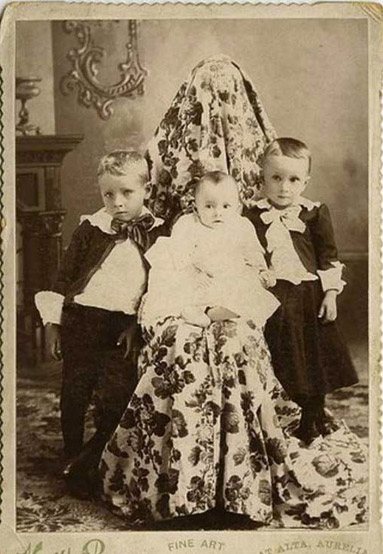
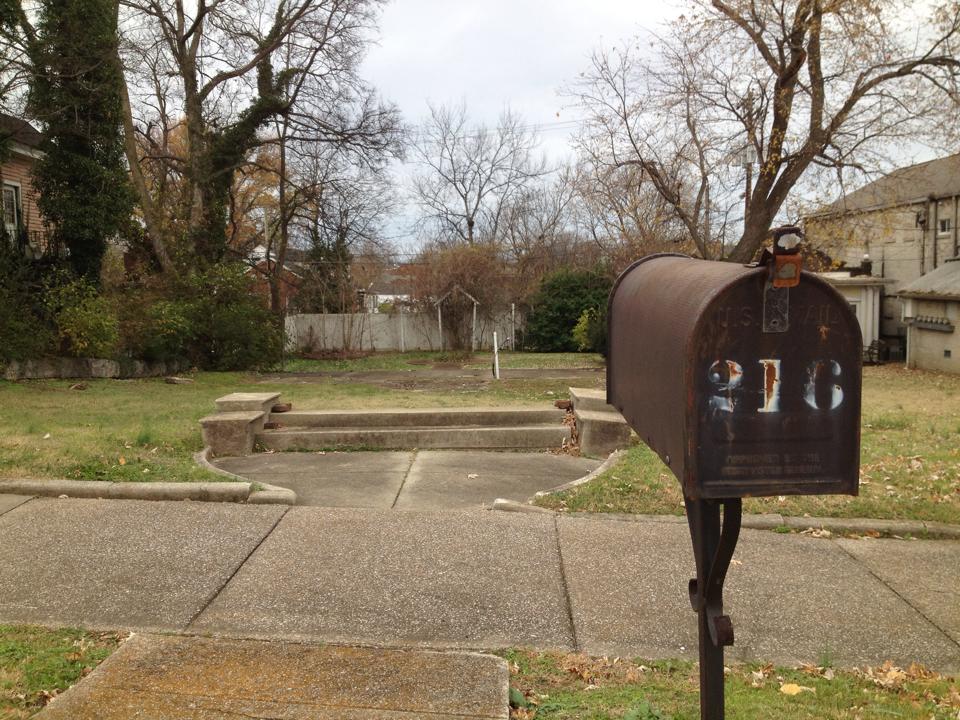
The bear story

bear

The bear had moved in for good, and there wasn’t anything Alice could do about it. Not like she wanted to, not anymore. The first week had been more difficult than she had anticipated, but after that things had slowly improved. The bear agreed, in his sure, heavy way, that this was home, this sharing a space together.
Home was never about the building. Walls and a roof didn’t make a building into a home, any more than books made a library. Plenty of people have felt more at home at work in a warehouse then where they paid their mortgage. It’s the people that make the difference after all.

Alice always felt that animals were more human than those who claim to be. Perhaps the utter guilelessness of them was the difference. Animals never had to prove who they were, never had to bother with such arbitrary things as status and striving. They never wore clothes, never owned cars, never had jobs. Their lives were free from all the distractions that humans had. Like children, they were given all they needed from Mother Earth and Father God. Like children, they learned at their own pace and trusted their senses. They slept when they were tired, ate when they were hungry. They never had to wonder or worry about such arbitrary and nebulous things as retirement funds or investment accounts. And as for in-laws? They never married, so that wasn’t an issue.

Alice had wanted to marry the bear as soon as he moved in, but he convinced her otherwise. He reminded her that marriage is a human invention, and therefore subject to failure. If you never got married, you’ll never have a risk of divorce. You are free to come and go. Doesn’t it mean more if your partner stays out of love rather than obligation? Every day they stay is a gift rather than a duty.

The bear had no name as far as Alice knew. She had asked and he’d not said. He didn’t talk like humans did, of course. He made his thoughts known in the way all creatures did in the beginning, with the spirit. He spoke with his whole being, resorting to sounds only as a last resort. Then they were usually snuffles and sighs and grunts. Only once had he growled, and that was when Alice had mistakenly opened a door onto his paw. After that they’d agreed to remove all of the doors inside the house. Doors just fostered separation and exclusion anyway. Plus, the knobs were hard to work with paws. The house had to work for both of them or it wouldn’t work at all.

The bear didn’t need a name, not really. He knew who he was. He was the only one Alice would be calling. Names meant very little when the group was small. She rarely had to call him anyway. He always knew in his slow sure way when she needed him. The same was not true for Alice, not yet. The bear often wanted to call her to look at an especially beautiful flower or sunset, but she was often so distracted by chores that she couldn’t hear him call to her heart. She spent a lot of time cleaning because wanted to keep the house just so. She forgot (or never knew) that the bear didn’t need to be impressed and nobody else who would come by would care.

Few people visited their home. Most of her family thought she was crazy for wanting to live with a bear. Her mother even talked about having her committed, but since she was an adult and seemed sane in all other respects, she let it drop, choosing to hold her judgment. She was prepared to shake her head and say “I told you so” while bandaging her daughter’s arms from the inevitable claw marks that surely would come, but they never did. Months went by and the bear and Alice got along like peanut butter and jelly, always together, and always good. Her mother still wasn’t one to concede the battle. Decades could’ve gone by and she still would not admit that perhaps Alice had chosen correctly. Little did she realize that Alice hadn’t done the choosing. The bear had. He knew Alice needed him as much as he needed her, knew that it wouldn’t be long before she’d hear him in her heart the way he heard her.

Their first meeting was as you’d expect. Bears aren’t normally sought after. Normally they are run from. Alice had decided to spend a week camping by herself in the Smoky Mountains. Her job wasn’t fulfilling, and she was estranged from her family in part because they felt she was wasting her talents. She decided week away to really listen was what she needed to get back on track.

Her family had paid for her college education, where she had studied veterinary science. But when she graduated and found a job at a local vet’s office as an assistant, she quickly learned that what you learned in the textbooks often doesn’t match with reality. It was far more visceral than she ever could have imagined. In her first week she saw more of animal’s insides than their outsides.

It wasn’t all physical. She’d always been a little empathic, able to feel how others were feeling even before they had words to express them. She was often able to help people before they even knew they needed it. Her friends liked her because they always felt at ease around her. She just made life easier. Meanwhile they never knew how much work this was for her.

When she was at the vet’s office, she was overwhelmed with the messages of hurt and pain that she received from the animals. She had not factored in that all of them would be constantly broadcasting their hurt and confusion and pain. It was an unrelenting onslaught, since even the healthy animals that were brought in just for a check-up or a shot were anxious and confused as to what was happening to them.

When she quit after a month, her family felt she was throwing away everything she had worked for. Worse, they felt she was throwing away everything they had paid for. They refused to support her any further, so she took a job selling perfume and cosmetics at the local mall to pay her bills until she could figure out what to do next.

It was not long after that that she went on her trip. While praying for guidance late one night around the campfire, she distinctly thought she heard a voice say “Take me in”. Usually she had perceived God’s voice as more of a feeling than actual words, but this was crystal-clear. It was so clear that she thought that perhaps it was an actual voice, so she looked around. Just outside the glow of the fire, she saw the distinctive gleam of eyes in the shadows. They were three feet from the ground, so she knew that it wasn’t an adult. She didn’t realize it was a bear until he stepped forward into the firelight and stared at her, saying again “Take me in”.

She ran, stumbling over tree roots and tent stakes to get away. She spent that night sleeping in the fetal position under a rhododendron bush about a mile away from her camp rather than risk being near that bear. Little did she realize but he had followed her at a slow walk, and watched over her all night as she slept to make sure that no other creature could approach her. Not all forest creatures welcomed humans into their midst.

She awoke with the dawn, stiff from rocks and roots pressing into her side. Her first thought was to give up on her quest and walk back to her car, but her keys were in her tent. She hoped that the bear hadn’t savaged her camp, shredding everything in a quest for food. She’d heard stories of bears that tore through everything in a quest for sausage or Snicker’s bars. The idea of rummaging through her ripped-up belongings to find her keys was not appealing, but she had no other choice.

When she finally returned she saw that everything was just as she’d left it. She had to use a hammer to re-secure the ropes from the tent pegs she’d tripped over on her midnight flight, but other than that, everything was the same. She started a small fire to cook her breakfast, and while drinking bitter coffee and eating oatmeal with blueberries she’d picked the day before, she heard the voice again. “Take me in”. She looked up with a start and saw the bear, but this time he was sitting twenty feet away, staring at her. This was enough distance that she felt she didn’t have to run. If she’d studied bears in college, she’d have known that no distance is a safe distance with bears. They may seem amiable and too large to run quickly, but looks are deceiving.

Alice stared at him (she assumed he was a he based on the sound of his voice in her head) and creaked out a tremulous “What?”

The bear repeated his request. “Take me in”.

“What? Why? Who are you?” Alice rambled on, picking up courage. She hadn’t had time to question that she was speaking with a bear. If she had, she would most likely have been silently staring at him, wondering if maybe her mind had finally cracked.

Over the course of half an hour the bear explained who he was and why he was speaking with her. He said things about being her protector, her teacher, her friend. He said he was her great-great-grandfather reincarnated. He said he had always known her and watched over her. He said that he could teach her to be the best veterinarian there ever was, or ever could be. He said that he would work with her, but first she had to let him into her life and into her heart and home.

They talked more over the course of the week she was at her campsite and worked out a plan. It was difficult for Alice to fully understand him but her natural empathic abilities went a long way. At the end of the week she went home, leaving the bear there, but she promised to return.

She quit her meaningless job as soon as she returned, not even bothering to go in to turn in her notice. She called the assistant manager at 7 on a Tuesday morning, waking him from his hangover from his one-person-party the night before. She told him that she had quit, and that was that. She hung up as he stuttered his questions at her, not believing. He’d never listened anyway.

She sold everything she had to make enough money to move to the woods and build a small cabin there for her and the bear. It was fortunate that she didn’t need much, because she didn’t have much. She traded out for much of what she needed by going to the Goodwill. Her worldly possessions transformed from frilly dresses to sturdy cotton clothes, the better to work in. Her CD collection became an axe and a saw so she could cut down trees to make a home.

The bear worked with her, pushing trees down, dragging logs over, lifting them up. After a month they were both tired but there was a roof over their heads. They had no furniture but they didn’t care. The work was so exhausting that they didn’t need a fluffy bed to rest in. They both slept deeply, curled up on the earthen floor of their new home, the bear curled protectively around Alice. She loved the musky, earthy smell of his fur and how it was somehow soft yet bristly at the same time. At times she could smell pine sap and warm summer sun in his fur, traces of his adventures while away from her.

They spent much time working together, he teaching her about all the ways of the animals. He filled in all of the knowledge she’d missed in her classes. He introduced her to all the animals in the forest and taught her how to speak with them – but more importantly how to listen. He told her that she didn’t have to wonder what was wrong when they came to her – they would tell her if she asked.

Yet still there was a wall between them. She had learned the language of the birds and the deer, of all the animals that flew or walked or slithered. Yet she was never fully able to hear the bear, not as well as the other animals. Perhaps he was too different, too tame. Perhaps he’d given up part of his wildness for his ability to live with her. Perhaps there was still too much of his human spirit in him, buried deep down in his bear heart, for her to hear him like she could hear others. He wasn’t quite a bear, yet he wasn’t quite a person, but both, and neither, and something more.