Edward and the turtle

2

Edward had always been an unusual child. His teachers expected him to become an unusual adult too. His parents? Well, that was another matter entirely.

They never said exactly how Edward came to them, or even how he came to be. Bea and Charles, Edward’s parents as far as the world was aware, left town for a year a while back. When they returned, they had Edward with them. He was just over a month old they said, but some who looked in his eyes knew, just knew deep down in their bones that this child was far older in all the ways that counted. “He’s an old soul” they said, not knowing how true those words were.

Of course, not everyone could see the whirling abyss of time in his eyes. It was like looking into a dark disused quarry filled with rain water. You couldn’t see the bottom, and to some that was so frightening that their minds simply refused to look, to even get near. Those hidden depths spoke of secrets, of danger, of loss.

For some, Edward himself was invisible simply because of the dangerous unanswered questions that lurked like unwelcome promises behind his eyes. Their minds couldn’t accept their challenge, so they simply refused to acknowledge Edward’s presence, his very being. What Edward was could not be to them, so for them he was not.

Bea and Charles could see him better than anyone else, and they were grateful. They’d prayed for such a child, a “gift” as they called him, privately, fervently. The home they were living in now was a gift too, provided upon the introduction of Edward to his grandfather. For years they had scraped by, living with friends, or in trailers, or even in the library during the day and their battered Range Rover at night. The arrival of Edward had turned their lives around for the better.

A grandchild was all Bea’s father wanted from her. He promised her the house, paid off, furnished, utilities, the lot, on the day she and Charles married provided that they gave him a grandchild in due time. He made sure to explain it wasn’t just any house on the table, not one of her choosing. It was to be the house by the lake on the family estate. Her sister Eloise already had the woods house, and brother Tom had been gifted the one by the cold gray boulders. Only the big house remained, and it was occupied solely by Edward’s grandfather, known simply as “The Grandfather”, made so by the births of all his children’s children, now gathered like chicks on the family land.

Edward would have no siblings. The cost was simply too high. No money had changed hands for his conception. Money was just paper after all, just the promises of dead trees. Those who had brought Edward into the world needed something more solid than that.

Bea and Charles had been desperate to have a child, and the cost was nothing in comparison to the debt they were in. Who counts the expense when you stand to gain everything? It was like floating a check right before payday – something they knew very well.

They still didn’t understand what was to be expected of them for this “gift”, even though they’d signed a contract. There were fertility tests the doctors did beforehand, to make sure the couple didn’t have to pay such a price, could conceive on their own, but it was to no avail. Bea suspected some of her cells were taken then, for some other cause, but she didn’t dare to think about it for too long. All that mattered was that she had her child now. What happened in the future would just have to wait until then to be worried about.

Edward was always cold. Outside, on a warm July afternoon, he always wore a jacket or coat. Charles got his tailor to make a blazer for him out of the thickest tweed he could find. The colors looked like the bracken and gorse that surrounded his Uncle Tom’s house. When he was inside, a fire was always going in whatever room he was in.
At first, he insisted in his own way that all the fireplaces would be working all over the house, but Bea and Charles soon realized his subtle influence over them and set some boundaries. Even as a baby he was able to make people do his will. Even without speaking he could turn them, bend them. His parents didn’t realize he was influencing their minds until the fires.

Edward had never seen a fire until he was a year old. Before that his parents bundled him up in sweaters and blankets to stop his shivering. They simply hadn’t gotten around to having the chimneys inspected in that old stone house, so they had no fire out of fear. The moment they were able to light one, Edward wouldn’t leave the room, delighted with his newfound unencumbered warmth. When Charles tried to remove him from the room at supper time, Edward howled and kicked Charles in the shins. Not wanting to get into a fight with his son, Charles desisted and instead brought up a tray. They all ate supper together that evening, sitting by the fire, seated on the antique Persian carpet, the arabesques and swirling flowers in the design dancing all the more by the flickering firelight. Bea thought it was charming, like a picnic.

The charm wore off after week when Edward still refused to leave the fireside. They drew him out only after they lit fires in all the other rooms. Only then would he venture from his toasty lair. After a few months though, Bea and Charles had grown tired of the constant work involved in finding seasoned wood in town and then chopping it to size. Grandfather would not allow them to cut down trees on his land, not for Edward, not for anyone. They explained to Edward that it had to be one fire from now on, in only one room, and he could wear sweaters like before if he needed to wander anywhere else in the house. He sulked for a month in that room, unwilling to get cold.

They’d not wanted all that heat, especially going from spring into summer, but Edward did, so he simply placed his thoughts over theirs, like how a voodoun priest exerts his will over a zombie. He didn’t realize they would break free of his influence, his control of their actions, and certainly not so soon. For the longest time they thought they too were cold and needed the heat just like he did. It was only when Charles passed out from heat exhaustion one Tuesday that they started to question their actions, realizing that they didn’t want the house to be at 92°.

From that point on they questioned everything they thought. They wondered what passed through their minds was their thought, or Edward’s. He tested them to see how far his influence went. He tried simple things, like food cravings. For one week they craved bananas and they ate them like they were going out of style. A different week it was strawberries. That was a mistake, Edward soon learned, because Bea was allergic, had been since she was a child. She knew she wasn’t craving them, that it had to be Edward’s doing.

He had to figure out another way to get his needs met. He finally, reluctantly, decided to let them teach him their language. That dry chittering sound grated on his ears. It was so unlike the warm liquid sounds he knew as his native tongue. His mouth ached with the effort of shaping the sounds for them, but it was the only way.

When he was three they took him to get a pet. Bea decided he needed a companion. A dog was ruled out straight off the bat – the warmth Edward needed would make it lethargic at best, dead at worst. A tortoise, a Galapagos tortoise to be precise, was decided after careful and discreet inquiries with the local librarian. She explained how they are cold-blooded so they need warmth, and how they live for many years. This added quality helped to tip the scales.

The elders who had helped them hinted that their true age was far beyond their appearance. Their kind were old at birth, having already lived half a human lifetime in a middle dimension, one where they were spirit only. This gave them certain advantages. They could learn quite a bit without the bother of a body. No colds to catch, no growing pains, no accidents, no trips to the doctor or the emergency room or the morgue. They even got to skip all that awkwardness of puberty while they were learning. Only when they had gathered about 50 of our years worth of knowledge did they bother to incarnate, and only then into a bespoke body, tailored to their temperament and needs. Certainly then there were the usual risks of being embodied, but by then they knew how to navigate safely through those obstacles.

Bea and Charles only suspected at the truth behind their benefactors, the ones who had given them Edward. The Grandfather would never know. For him, Edward was of his flesh and blood and that was all he needed (or wanted) to know. No matter that Edward was decades smarter than any of his other grandchildren. If he’d known the truth about this cuckoo child, he’d throw him and his parents out and never speak their names again.

Edward was their child in deed if not in act. He never grew in Bea’s womb, but he did share her DNA, as well as Charles’s. The elders didn’t mention there was a bit more to the mix than just the two, however.

It was kind of like fruit juice. How much actual juice was necessary for it to still be juice? Perhaps there are vitamins and minerals added to improve the quality. Perhaps other things to make it last longer. Sure, at the end it still looked and tasted like juice, but really only 50% of it was straight from the vine. It was kind of like that with Edward and his parents, but in their case it was more like 5% than 50%. They’d never be the wiser. Edward was theirs, and that was all they cared about. And of course, they were parents in the way that mattered most – they loved him, took care of him, and make sure he was happy and wanted for nothing.

Well, they didn’t give him everything. That would spoil him. And after all, they still had to make sure he wasn’t using the old mind push on them.

The longest day of Theodore Smythe (a short story)

4

Theodore was tired, more tired than he had ever been. This had been the longest day he’d ever known. He wasn’t even sure what day it was, or what year. He’d only been alive for three years and two months. That was when Timmy had gotten him for his fifth birthday. Before that, he was just a stuffed doll, a bear. Once he had bonded with his child he became a Bear, a real being. Every year when Timmy’s birthday rolled around, Theodore had a birthday too. It was the day he became alive. They even made him his own cake, but smaller. It was decorated the same as Timmy’s.

This year there was no cake. There was a celebration of sorts, sure. But what with the rumors and the rations, it wasn’t possible to have such a luxury as a cake. Even candles had to be saved for more needful times. Lighting any of them, using them up, when the electricity was still working was wasteful, and the Smythe family knew it.

Slowly there had been less and less, with luxuries like sugar and beef first. They didn’t miss these things anyway. They were too expensive even when times were good. But flour, and oats? That was another matter. It was a few short months before it came to that, and by then there was no denying that war was upon them. They had to conserve what they had and make do to support their boys on the front lines. They needed the food more, to fight the Nazis who were three countries away. It wasn’t much to ask to have the war kept at bay. Trading a cake to have peace at home seemed like a fair trade.

But then the war came home to them.

It wasn’t fair. War, and still no cake. They still were sacrificing, still saving, still rationing, and still the war came, came right to their villages, to their streets, to their doorsteps. Uncle Albert in Shropshire called their neighbor to tell them to make their way to him any way they could. They hadn’t found the money for a phone since they moved to the city, and their neighbor Mr. Pete kindly passed along messages in exchange for Mama doing a little extra laundry on wash day. He’d not quite gotten the hang of it since his wife took ill with the dropsy two years back.

Mr. Smythe didn’t think there was much reason to hurry. He still had a job to go to after all, and Timmy had school to see to. He was getting along so well with his classmates this term, and getting such good grades in penmanship and music. Mama Smyth didn’t agree with his assessment, and said so by not saying anything. Her ‘no’ was simply the absence of a ‘yes’, as befitted a good wife to her understanding. Papa took her silence under advisement and read the newspaper more carefully, listened to the radio more closely, trying to see if there were currents under the words, perhaps telling him things were worse than the government was letting on. The slogan “Stay calm and carry on” was what tipped it. Something about it made every hair on his arms stand up. It was then that he knew they had to leave and go back home to their village of Clun as quickly as they could. Mama was relieved, but said that going calmly was best. Best not to look like they were fleeing. That might start a panic. Just make it look like they were going on holiday.

So they packed just a few things, just enough to fit into suitcases. It wouldn’t do to have too much on the train. It would call attention, and that was the last thing they wanted.

Theodore wasn’t around when they left. Perhaps he had been hiding in the pantry. Perhaps he had been exploring under the bed. Even though Mama and Papa appeared calm to everyone around them, in the house they were anything but. The day they decided to leave was the day they left. No time to make up stories or have people wonder. Mama had allotted just a scant thirty minutes to pack so they couldn’t over think it and try to bring too much. Timmy was so flustered he didn’t realize Theodore wasn’t with him until their train was outside the city gates. He fussed, sure, but Papa said they’d get him another bear. He said it in a low tone, quiet, almost but not quite gritting his teeth. Timmy had learned not to push harder when Papa spoke like this, so he gulped back his tears and distracted himself by looking at the scenery fly past his window.

It was three days later when Theodore woke to the sounds of the bomber planes. Normally, Timmy would find him at night to take him to bed with him, waking him up from his daytime slumber. Bears are awake at night. That is when they guard their young charges. But nobody in the house to wake him up meant Theodore had dozed on in a dreamless sleep, unaware of time passing.

Now he was awake, and lost. Now the city was in ruins. There were fires a few blocks over in the cathedral. The library in tatters. The school used for emergency shelter, not lessons. Now Theodore’s whole being ached with the need to find Timmy. He decided to rest his head against a building for just a little while.

Can’t go to sleep.
Can’t go to sleep.
Must find Timmy and keep him safe.

To sleep meant to fall into that dull dreamless nothing where it is so hard to return for a Bear. To sleep might mean to lose Timmy forever.

He would rest here for just a little while, but not lie down. To lie down would be the same as death, because life without Timmy was not acceptable. A bear once turned into a Bear could not go back into that dull unfeeling world of before.

The outside room

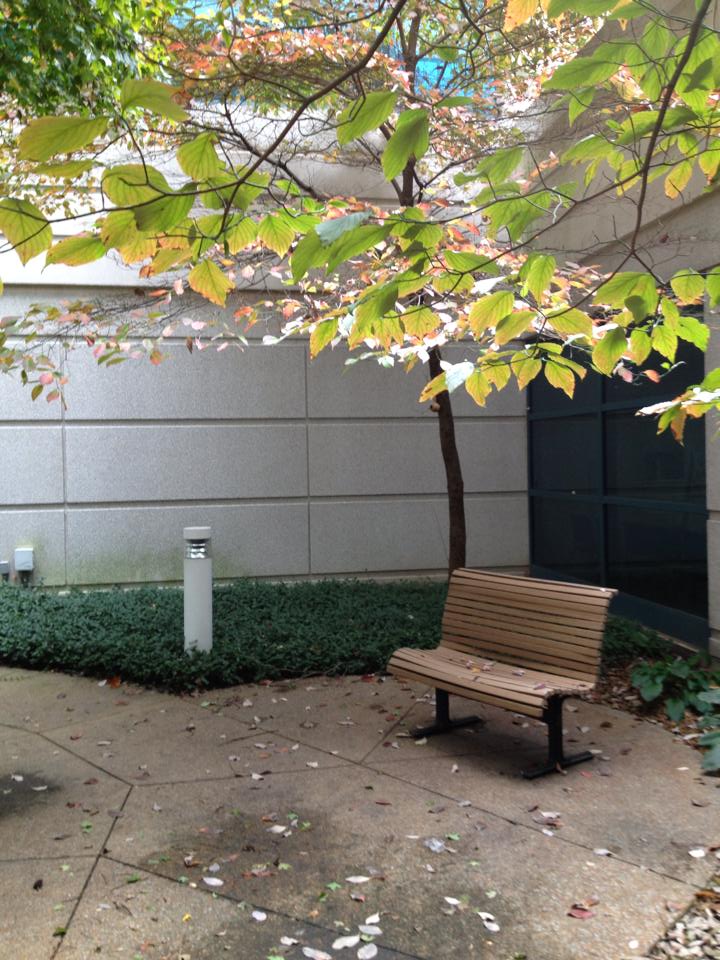
I found this unusual “room” at a nearby hospital. I’ve gone there for years because I have a doctor who has his office there. Once a year I go in, always in November. I’ve come to look forward to going at that time because of the “ghosts of leaves” that decorate the sidewalks. It is the wonderful and amazing combination of falling leaves and autumn rain that makes this temporary magic.

10

9

12

11

I usually do very little exploring in that building because I have to get back to work quickly. This time I had quite a bit of time to spare so I went to look around. I’m glad I’ve started asking for more time off when I schedule doctor’s visits so I’m not rushed. That certainly helps my overall health.

I looked down from the window in the hallway on the sixth floor where the office is. I saw trees – and not in a place I would expect. They were surrounded by the rest of the building. It was a tiny enclosed courtyard. I had to go find it.

I went downstairs to the entrance lobby and looked around. The courtyard I was looking for was behind a little café that sold coffee and melted sandwiches. There were plenty of windows around it. It was perfectly visible from the entrance that I’d come in for years. Somehow I’d never set my eyes to look that way, or at that distance. Just goes to show there are plenty of treasures that are around if you have your eyes open. I’d only been looking for one thing (my doctor’s office) and missed this. The café looked interesting too. It might be a nice place to come on a non-doctor’s-visit kind of day and enjoy lunch.

I’ve long thought I should go here on my day off and write, or maybe even sketch the people who are waiting for their lab results in the lobby. There are a lot of padded benches here and a lot of light. I’m not sure why I haven’t done this yet. There is free parking and this isn’t far from my home. Perhaps I’m concerned someone will challenge me because I’m not here for an official reason. They might think it is odd that I’m just hanging out. This is another thing I’m working on – trying to not worry so much about breaking rules that aren’t rules. Sometimes I make more limits than I should.

I went towards the door that let out onto the patio. I pulled on the door – it opened. Good. Then my concern was that the door might not allow re-entry. I checked it and it seemed like it would be fine. I then looked to see how far away the café was – it was close enough I could bang on the windows to get their attention.

And then I went out. And I saw this.

5

A tiny little park enclosed in a building. With benches.

4

It is open to the sky.

2

There are birdhouses and birdfeeders here. I saw two bags of birdfeed against a wall. Someone tends this little place.

1

3

Is it outside, or inside, or both? Is it a room?

When I came back out I asked at the café if that door was always open. The lady said she thought it was, and commented that almost nobody went out there. She thought they should put a table out there and I discouraged that idea. More clutter. It would make it more artificial out there. It would upset the balance of man-made and natural. I think it is good the way it is. The little lights are a bit disturbing, but they might be really nice at night.

Then I got their hours and took pictures of the menu, as a further enticement to make a date with myself to go out here.


Here are more “ghosts of leaves” from an earlier visit.

g3g4g2g1


Here are some from Thursday, 10-20-16, in Old Hickory.

g1g2g3g4

The card game

cards 1

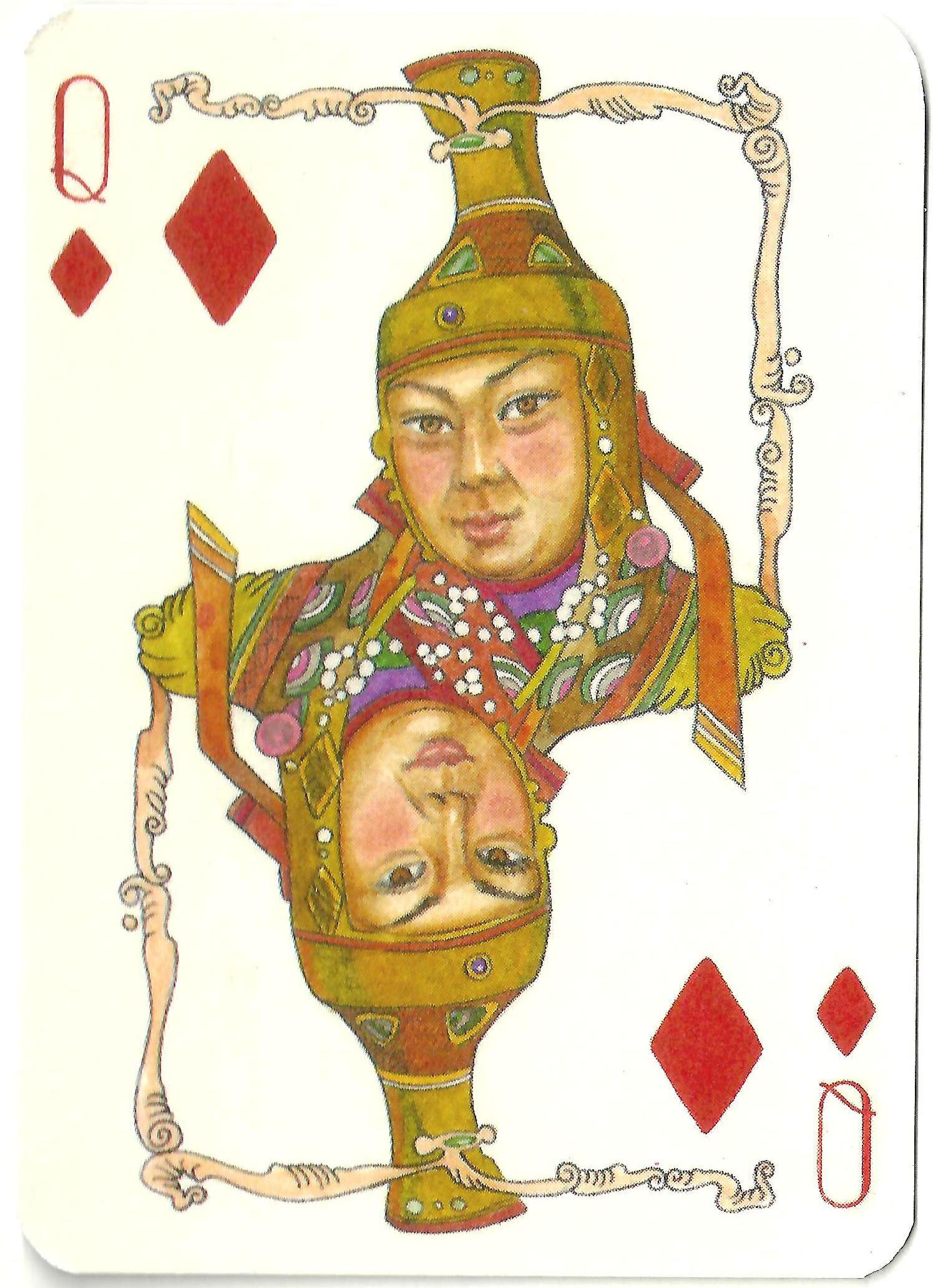
The card game was rigged, Pat was sure of it. The cards didn’t look right. How could Pat know anything anymore? The queen of diamonds – was that a queen? Pat was sure there was a shadow of a mustache. Was that a crown or a helmet? Was this an omen of a fight?

The dealer smiled and shrugged. “Them’s the cards. You gonna study them or play them? ‘Cause I don’t have time for art dealers.”

Of course, he didn’t say any of this in English. But even Mandarin has dialects like backwoods Alabama does. Every language does. It doesn’t matter what the phrasebooks say – there’s always a casual under-language, a side-speech. People use it when they get comfortable, switching into it the same way they switch into pajamas when they get home. Just like with pajamas, they don’t do it around strangers or those they want to impress. You have to be in, like family or a close friend to see a person’s real side.

Pat wasn’t sure why the dealer was talking like this.  They’d only known each other a week.  This dialect that was meant to make someone feel more comfortable was making Pat feel more and more nervous instead.  This wasn’t a good way to start. It could very well be the end.

“It’s just that I don’t recognize the cards, that’s all. I’m distracted. Do you have another set?”

Pat didn’t want to be distracted. Return-home money was riding on this game. Play it well and Pat was gone. Play it badly and Pat stayed, a slave. Sure they treat their “visitors” well here, but certain freedoms would disappear, along with Pat’s identity cards. Only the spirits knew what could happen when someone has no name, no birthdate. They weren’t telling, as usual.

“Sure. I saved these. I found them in an old junk store a dozen years ago. See? I’m helping you out.”   He fanned out the new cards on the battered wooden table.


card 3

Pat studied the new deck. The images were familiar, but the shape wasn’t. Round? The image on the back looked ancient too.

cards 2

Surely these were marked cards with all those petals and leaves. A dot here and a missing petal there, and the dealer would know at a glance whether you were bluffing or winning. Best to try and conceal them as much as possible.

Pat was grateful for his large hands. It was his only advantage now. The dealer wouldn’t change the deck again, that was for sure. It was best not to push him.

————————————————————————-

(This story was inspired by a pack of ephemera I bought from Etsy. It included some very unusual playing cards.  The story was limited by the size of the page I glued the ephemera to.  I didn’t use pronouns with the main character because I wanted the gender to be ambiguous.)

Be Alert! (readings from the Gospels on mindfulness)

“As regards to exactly when the Day of Judgment will happen, no one knows, not angels, not the Son. Only the Father knows.”

MT 24:36, MK 13:32

“That time will be just like it was in the time of Noah and the flood. Right until the flood happened, people went on like they always had, eating and drinking, marrying and giving in marriage, right up until the day Noah boarded the ark. Then the flood came and destroyed them all, sweeping away all their possessions. They didn’t know what was going to happen to them until it happened.”

MT 24:37-39a, LK 17: 26-27

“Just like it was in Lot’s time, people went on with their normal lives, doing all the usual things they always did. But right after Lot left Sodom, the whole town was destroyed by a rain of fire and sulfur from heaven. It will be just as sudden and surprising as that was to them when the Son of Man is revealed.”

LK 17:28-30

“When you see ‘the abomination that causes desolation’ standing in the holy place, which was spoken of by the prophet Daniel (let the reader take note of this) then everyone in Judea must flee to the mountains. When you see that Jerusalem is surrounded by armies, know that it is time for its destruction. When that happens, a man standing on his roof must not come down to get anything out of his house. Also a man out in the fields should not return home to get his clothing. Those inside Jerusalem must escape, and those in the country must not enter the city because the days of vengeance have come to fulfill all the prophecies.”

MT 24:15-18, MK 13:14-16, LK 17:31, LK 21:20-22

“Remember what happened to Lot’s wife!”

LK 17:32

“It will be very hard for women who are pregnant or nursing when this happens. Pray that you won’t have to escape in winter or on the Sabbath. For this will be a time of great trouble and stress, unlike anything that has happened since the creation of this world until now, and will never happen again! No one would survive that time if God didn’t limit those days, but he did limit them for the sake of those he chose. They will be cut down by swords and taken captive into all the nations, and the nations will trample Jerusalem until the end of that era.”

MT 24:19-22, MK 13:17-20, LK 21:24

“The coming of the Son of Man will be like this – two men will be in the field. One will disappear, and the other will remain. Two women will be grinding grain at the mill. One will disappear, and one will remain. Two people will be together in a bed. One will disappear, and the other will remain. Therefore, be on guard, because you don’t know when your Lord is coming.”

MT 24:39b-42, LK 17:34-36

His disciples asked “Where, Lord?”
Jesus answered “The vultures will gather around the corpses.”

LK 17:37, MT 24:28

“Be ready to work and make sure your lamps are lit. You must be like servants waiting for their master to come back from the wedding banquet so they can immediately open the door for him when he knocks. The servants who are alert when he arrives will be blessed. Mark my words – he will prepare himself, have them sit at the table, and come serve them himself. If he arrives in the middle of the night or near dawn and finds them waiting for him, they will be blessed.”

LK 12:35-38

“Know this – if the homeowner had known exactly when the thief was going to break into his house, he would have stayed at home and stayed awake so he could prevent his house from being robbed. You need to be ready in the same way, because the Son of Man will appear when you least expect it to happen.”

MT 24:43-44, LK 12:39-40

“Watch! Be alert and pray! You have no idea when it will happen. It is like a man who went on a journey and left his house in the hands of his servants. He left tasks for each of them and ordered the doorkeeper to keep watch. Be alert then, because you don’t know when the master will return – it could be any time of the day or night. If you aren’t alert, he could suddenly arrive and find you asleep. I say to you and to everyone: Be alert!”

MK 13:33-37

“The kingdom of heaven is like ten bridesmaids who went out to meet the groom with their lamps. Only half of them were wise and took oil with them. The groom took a while in coming and all the bridesmaids fell asleep. They were suddenly awoken by a shout from someone announcing that the groom was coming. All the bridesmaids got up and trimmed their lamps. The ones who hadn’t prepared asked the others for oil because their lamps were going out. The ones who had prepared said ‘No, because there won’t be enough for all of us if we give you any.’ They told them to go buy more oil for themselves. While they were gone, the groom showed up and only the bridesmaids who had prepared were able to go with him to the wedding feast. The door was locked after them. When the rest of the bridesmaids arrived, they asked to be let in. The groom refused to open the door, saying ‘I don’t know you!’ Therefore, always be ready, because you don’t know the hour or the day.”

MT 25:1-13

(All words are my own paraphrases of the Gospel. Due to copyright restrictions, I’ve had to reword everything. I had originally posted this separately as part of the Condensed Gospel project. While attempting to sort the stories in order and make sure I had everything from the Gospels included in the right places, I felt that I’d over-condensed a part of this section. While one of my goals is to have no repetition in the Condensed Gospel, another one is to have everything included in a very readable way. Sometimes both goals cannot be achieved in the same section, because there will be too many threads unwoven and rewoven together. This second version is the compromise.)

Prayers in Japanese

He’d always wanted to go to Japan. Many long years he studied the language, the culture. He made sure he wouldn’t be “that American”, the one who talks too loudly, too much, and always in English. That American was always asking for directions, always crossing over some invisible line, some taboo. That American made him want to say he was from Canada, or England, or anywhere else that he could pretend to be from.
He looked Swedish, with his shock of snow blonde hair and six-foot frame, but he couldn’t claim a home he’d never been to. He was descended from a long line of Swedes, but he’d only gotten the genes and not the language or the accent. Even his last name had been assimilated, Americanized to fit in. He couldn’t pretend for long. Once anyone heard his Midwestern accent or saw his passport, the jig was up.
So he blended in other ways. Learned how to not offend. Learned their habits. He always bowed lower. He always wore the right shoes, even the special bathroom slippers. It was important not to stick out any more that he had to.
He hoped that even if he couldn’t blend in physically, he could blend in culturally. Even if you look Japanese, you’ll stick out if you break the rules. He wanted to lay low as long as possible, hoping they wouldn’t notice him after long. This was the only chance to get to stay.
He wanted to see all the temples, praying at every one in the country. This was why he had to not get noticed. Going to just a few temples wouldn’t do. He had to go to every one. Maybe then he would get an answer to his prayer.
He had never spoken of it to anyone, never written it down. He didn’t want to jinx it, to have a self-fulfilling prayer. Or was it prophecy? He forgot. All he knew for sure was that it would only count if his prayer was answered through divine means. Anything else was sure not to last.

She came out of the forest.

she came out 3

She came out of the forest, laughing, singing. She was unafraid of the crowd that was waiting, unafraid now of their jeers and taunts. She’d gone in alone, afraid, untried. She emerged a month later, at the next new moon.

If you survived a month with no supplies, alone in that unmapped place, you were never taunted again. The people who called you scaredy-cat to your face or behind your back had a new name for you if you emerged, whole and intact a month later. Wisdom-woman, perhaps, or keeper of the flame. Seer. Prophet. There were many names to be had then.

Women and men both ventured into those woods to prove themselves. It wasn’t required, and it wasn’t expected. About half returned. About half of them that did were never able to speak again, never able to even feed themselves. They’d returned, but in body only.

The others who never walked out of the woods? Forgotten. Their names were never mentioned again. Did they die? Run away to another village? Start a camp? The only ones who might know were those who returned, and they never said.

(Written 3/27/15)

Books on Japanese garden/home design

I spent one summer studying what makes a Japanese garden distinctly Japanese. These books were very helpful on my quest. Some of them cover interiors as well as exteriors of Japanese homes, so there is more to them than just gardens. I found it quite interesting that the Japanese word for “home” is composed of two characters – the one for “house” and the one for “garden”. A house isn’t a home unless it has a garden. The home is often designed around the garden, rather than the other way around.

A Path Through the Japanese Garden by Bryan Albright and Constance Tindale

The Japanese House: Architecture and Interiors by Alexandra Black

Zen Gardens by Erik Borja

Quiet Beauty: The Japanese Gardens of North America by Kendall Brown

The New Asian Architecture: Vernacular Traditions and Contemporary Style by William Lim

Japan Style: Architecture Interiors Design by Geeta Mehta

Japan Modern: New Ideas for Contemporary Living by Michiko Rico Nose

The Art of Japanese Architecture by Michiko Young

Serene Gardens – creating Japanese design and detail in the western garden. by Yoko Kawaguchi

Creating Japanese Gardens by Philip Cave

Books to inspire your artistic side.

Do you want start or become better at sketching? You can’t go wrong with these books –

The Art of Urban Sketching: drawing on location around the world by Gabriel Campanario

Urban Sketching: the complete guide to techniques by Thomas Thorspecken

The Creative License: giving yourself permission to be the artist you truly are by Danny Gregory

An Illustrated Life: drawing inspiration from the private sketchbooks of artists, illustrators and designers by Danny Gregory

Watercolor Journeys: create your own travel sketchbook by Richard Schilling

For inspiration, look at:

When Wanderers Cease to Roam: a traveler’s journal of staying put by Vivian Swift

Drawing from Memory by Allen Say

For mixed-media artistic experiments, try these –

Art Lab for Kids: 52 creative adventures in drawing, painting, printmaking, paper and mixed-media for budding artists of all ages by Susan Schwake

Drawing Lab for Mixed Media Artists – 52 creative exercises to make drawing fun by Carla Sonheim.

Also, look at anything by Keri Smith to get your head out of that rut. “Wreck this Journal” is a mandatory purchase.

Waiting.

waiting


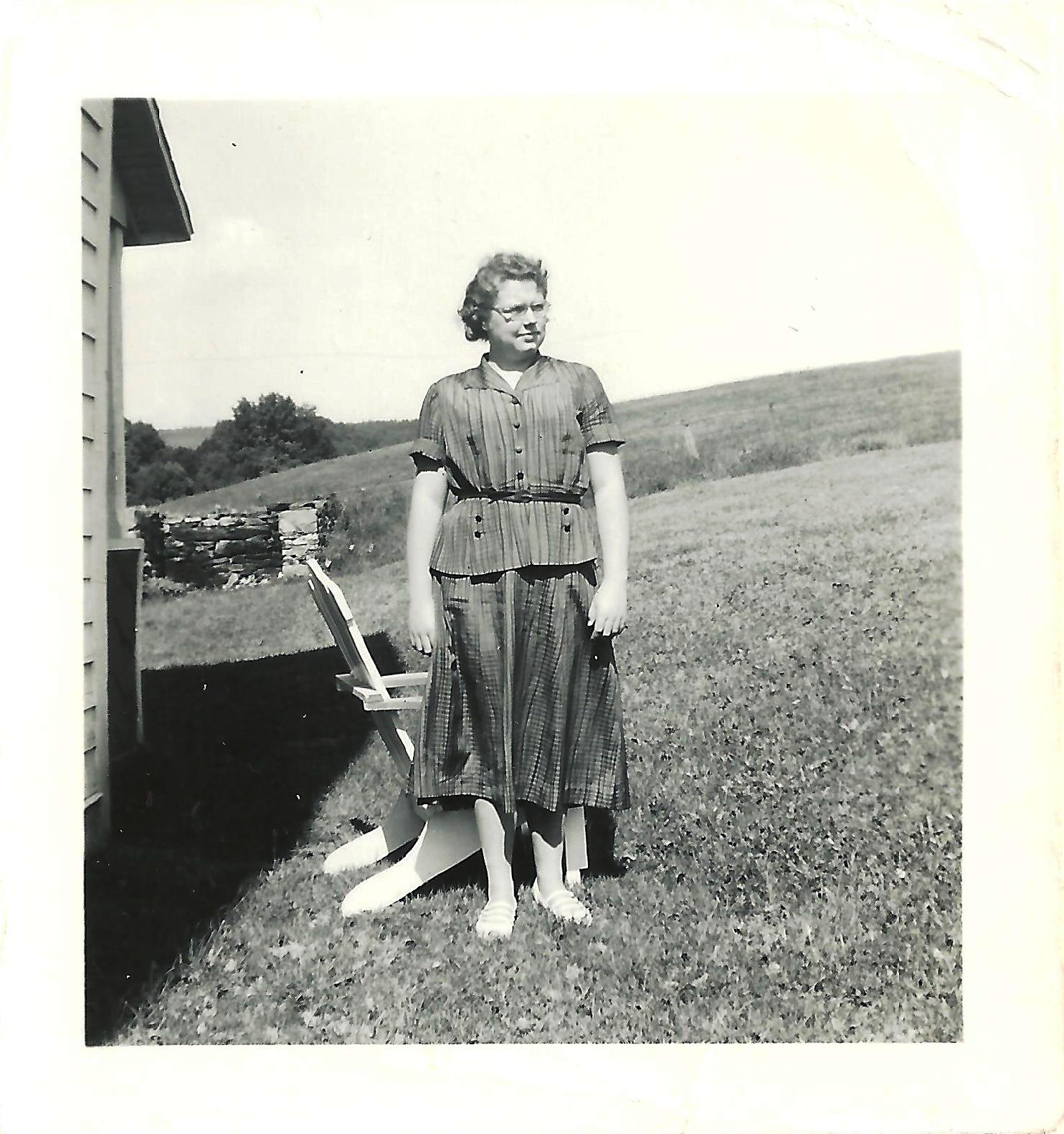
It wasn’t long now. They said they were coming back. Only problem was that they didn’t say when. So every day at 3 o’clock she went outside and looked towards the horizon, wearing her best clothes. Every day she stood in the same spot near the plain gray house, waiting.

The first day she waited three whole hours. She stood most of that time, wanting to appear as eager and ready on the outside and she felt inside. It wouldn’t do to look ungrateful for the gift they promised. Wouldn’t do to seem indifferent or casual about such an opportunity. After a while her legs got tired, so she sat on the Adirondack chair even though it was almost as uncomfortable as sitting on a pew. She had plenty enough of that kind of sitting. That was why she was so eager to go.

Still she waited, and still they made her wait. Maybe they forgot? Maybe this was a test? Maybe they reckoned time differently than earthlings did?

She kept the Visitation secret from Paw and her brother. They’d wonder about her if she told. If Maw was still around she’d have been sent down the river to the State Hospital, like how all the other rejects and misfits were sent, those who heard voices and saw people who weren’t there to everybody else. They were trash as far as the village saw it, so down they went, along with the barges of other broken and forgotten things. They took the Bible seriously when it said “You must purge the evil from among you.” Too bad their definition of evil was very wide.

She was safe now in part because she was female. The men-folk didn’t want to have to do all the cleaning and cooking. So even if they suspected something was amiss they’d be reluctant to send her away because they’d have to take up her chores. It didn’t mean they wouldn’t send her anyway, because harboring a defective was grounds for being sent downriver along with. Better to sacrifice your child or your spouse than to go yourself. A lifetime of building up the homestead wasted, and for nothing.

So still she waited, every day hopeful that would be the day. This was the 438th day, a Wednesday. She had waiting down to an art, if not a science, by now. She’d learned to finish her chores an hour before, and then to change into Church clothes at least 20 minutes before the time to go outside. Once, early on, she’d left it too late and didn’t have time to put her shoes on. Barefoot was better than left behind, so out into the prickly grass she went. She’d learned to do better from then on.

It took a while for Paw to get used to her going outside and waiting every day. At first she took a book with her as a cover, saying it was better for her eyes to read in natural light. He didn’t argue with that, thinking maybe it would save money on glasses in the future. He wasn’t keen on spending money at all, but much less so when it came to his daughter. He had no use for her. She wasn’t going to inherit the farm or the family name, so why bother? She was just another mouth to feed, and after that a dowry to pay. Made no sense to have to pay a man to marry his daughter, but that was how it was and no changing it.

Yet another reason to get away.  She had no plans on marrying, of having to have some other man tell her what to do and when to do it. The ones who came promised her she’d never have to get married because they didn’t marry where they came from.  Didn’t have a need of it.  There, people were able to take care of themselves once they were grown up.  They didn’t need to live with another person like a child would. They had partnerships, sure, but making legal commitments to each other just complicated things.  They had understandings and agreements, without the need for a piece of paper or a judicial system.  To complicate something as sacred as a partnership of any sort with the law meant that you were planning on trouble.  If you didn’t think it was going to work out, it was best not to make a partnership at all.

They promised her a lot, more than she believed or could imagine. But everything else they had promised and delivered on was truer than true, and lasting. She knew they were good to their word because they’d already shown her miracles. They’d given her a locket that told the future.  It showed her some of what would happen the next day, choices she could make to change things.  Just small things, but small was better than nothing.  All she had to do was open it and she’d have an edge on everyone else.  She kept it closed most of the time, but it was good to know she had this small advantage, this small proof that the Visitation was real.  She had a hard time believing it after so many days of waiting.

She kept the locket they gave her secret, under her clothes. Wouldn’t do to have it visible, or lost, wouldn’t do to leave it in her jewelry box, to be stolen like every other special thing she’d ever had. Her brother felt no guilt about coming in her room, going through her drawers and treasure boxes, taking whatever caught his fancy. He needed money for a new baseball mitt or the latest style of shoes, he’d take it from her, no asking. It took her a while to realize that things went missing. At first she thought maybe she’d spent some of it and hadn’t remembered to write it down. After a few weeks of money going missing, she had her suspicions and started keeping the tally in a separate place. When she showed the proof to Paw he just shrugged, saying “Boys will be boys”, like stealing was normal for boys. The part he didn’t say was that it meant being robbed was normal for girls. Too bad that being family meant nothing. No protection from thievery, of having your possessions, yourself, violated.

They promised that there she’d never have to worry about anything being stolen, not ever again. Never have to worry about being sick neither. Her personal safety was assured, and life would not only be better, but longer. Not immortal, mind you. Plenty others had promised that and couldn’t deliver. The trick there was simply living longer than anyone around you. They died, thinking you were immortal, when really you were just slowed down. There’s a reason hummingbirds have such short lives and turtles such long ones. Slow the heart rate down, slow the breathing down, and it seems like you are on the fast track to a long life.

She didn’t have to worry about taking medicine to slow her heart rate where she was going. They’d take out her human heart entirely, replace it with one they’d grown just for her, a better one. That would be the first thing replaced. They’d taken samples to grow a whole set of organs for her with plenty of cells to spare if something wore out sooner than expected. Lungs, pancreas, eyes, the lot. Grown as needed, one by one.

When they first started they had cloned people. Not just the organs, but the whole kit and caboodle, stem to stern. Seemed a good idea until it came time to harvest and it turned out the clones weren’t too willing to part with their parts. Whole new kinds of laws were developed then, saying these were now people, with rights, and not a collection of replacement bits to be switched out like a used fan belt or alternator you’d pick up at the local auto yard. Once they figured out how to grow the organs separately there weren’t any problems. A liver can’t complain with no mouth to talk with.

They promised painless surgery too.  The organs would be exchanged by a form of highly localized teleportation. Beam the old one out and the new one in at the same time, like a kind of cross-fade, like in music. Hurt less than getting a shot, they said.

She was still waiting. Maybe she’d stay a little longer outside today, just in case, what with the time change and all.

(Photo found in the “Adopt a relative” box in an antique mall on King Street in Boone, NC.)